On a narrow lane in Gaziantep's historic Mithatpaşa quarter, Kebapçı Halil Usta represents the kind of address that locals use as a reference point rather than a destination, a working kebapçı embedded in a city whose grilled-meat tradition is among the more technically codified in Turkey. For visitors tracing Gaziantep's food culture beyond baklava and katmer, it is a necessary stop on the city's savory side.
Pearl is the En Primeur Club membership app — saves, bookings, and concierge access live there. Same editors, same standards.
- Address
- Mithatpaşa Mah. Öcükoğlu Sok. No:6, 27500 Gaziantep
- Directions
- Get directions
 Saves & bookings on Pearl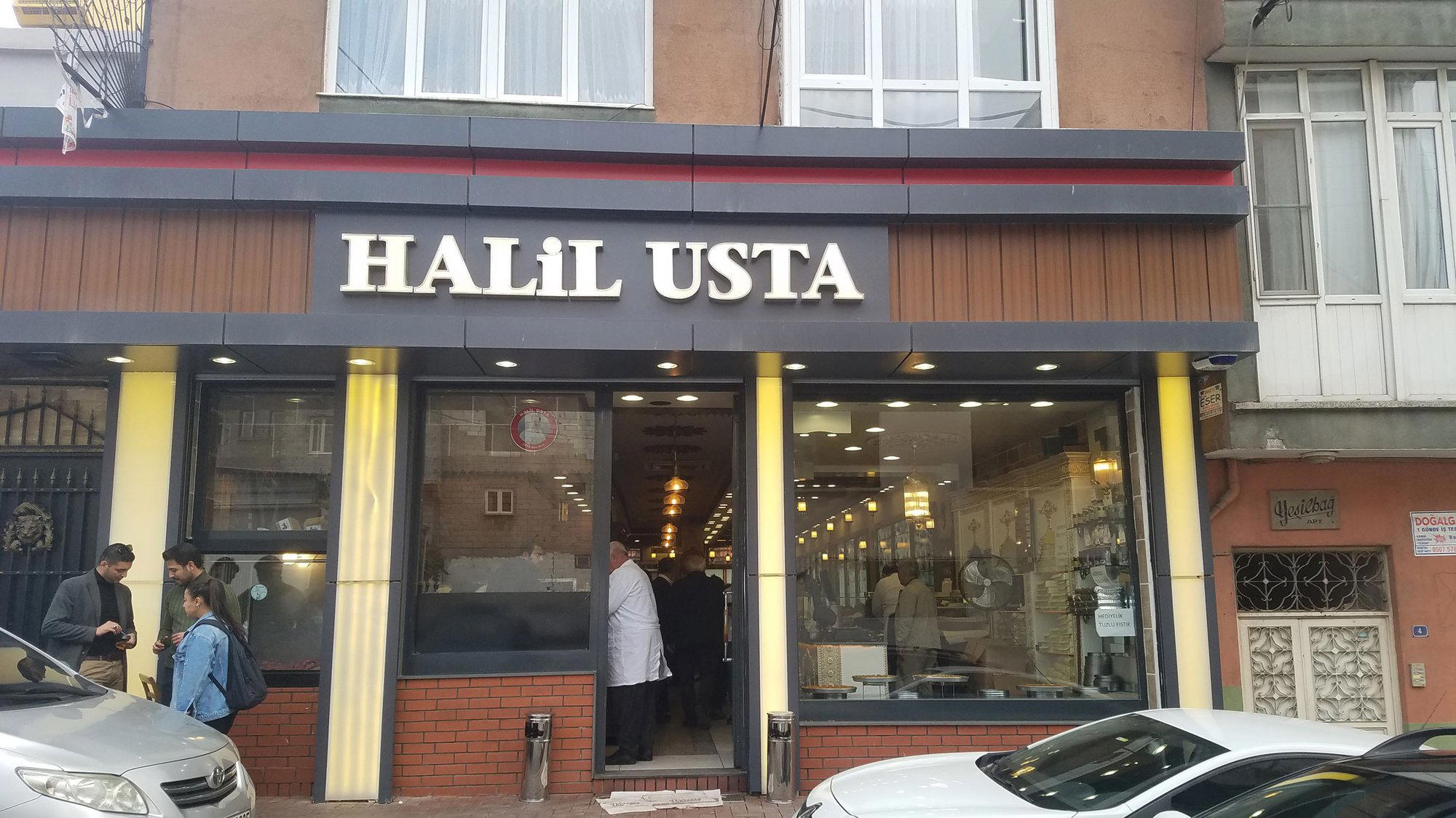
A Street, a City, a Tradition
Gaziantep does not treat kebab as fast food. In this southeastern Turkish city, the preparation of grilled meat carries the kind of institutional weight that pasta does in Bologna or dim sum does in Guangzhou: there are accepted forms, recognized practitioners, and a collective civic pride in getting the details right. The kebapçı, the specialist kebab house, occupies a specific position in that tradition, distinct from the broader lokanta or the baklava shop.
Kebapçı Halil Usta sits on Öcükoğlu Sokak in the Mithatpaşa district, a part of the city that sits close enough to Gaziantep's older commercial center to carry the texture of a working neighborhood rather than a tourist corridor. The address itself signals something about how this kind of establishment earns its standing: through consistency and word of mouth. In Gaziantep, that mechanism of reputation is taken seriously. The city's food culture is localized and competitive, and an address that survives on a side street does so because the product justifies the detour.
The Gaziantep Kebab Tradition in Context
Turkey's southeastern kebab tradition differs substantially from what is served under the same name in Istanbul's tourist districts or in Turkish restaurants abroad. Gaziantep's grilled meat culture draws on techniques refined over centuries of trade-route proximity to Aleppo and the broader Arab culinary world, and the emphasis tends toward charcoal intensity, seasoning depth, and meat quality rather than the decorative or theatrical elements that sometimes define the form elsewhere. The kebab here is typically served simply: bread, a wedge of tomato, a scattering of herbs, and the meat itself bearing the marks of direct flame contact.
Within that tradition, the kebapçı as a format is deliberately narrow. A dedicated kebapçı focuses almost entirely on the grill. That focus creates accountability: when you build an identity around one technique, the execution of that technique is the whole argument.
For visitors who have spent time at Metanet Katmer in the morning or at Baklavaci Zeki Inal or Kocak Baklava for something sweet, the kebapçı visit anchors the savory half of the Gaziantep eating day. Lunch is the standard window for this category, and the rhythm of service is quick and confident.
Place as Context
The Mithatpaşa neighborhood gives Kebapçı Halil Usta its character as much as the grill does. This is not the area around the Zeugma Mosaic Museum or the renovated streets near the bazaar district. Öcükoğlu Sokak is the kind of address that requires a deliberate decision to find. That specificity is not a disadvantage in Gaziantep's food culture, it is, if anything, a mark of authenticity. The city's most respected food addresses are rarely the ones most prominently signed. The locals who use this street as a reference point when directing friends are making an implicit argument: the food merits the navigation.
This dynamic is not distinctive to Gaziantep, but it plays out with particular clarity here because the city's culinary identity is so specifically documented and debated. UNESCO recognized Gaziantep as a Creative City of Gastronomy in 2015. Local credibility and institutional recognition operate on separate tracks, and the kebapçı tradition sits squarely in the local-credibility category.
For context on how this kind of specialist address fits into the broader Turkish dining spectrum, it is worth noting the distance between what Gaziantep offers in the grilled-meat category and what visitors might find at fine-dining addresses in Istanbul or Izmir. Those addresses engage with Turkish culinary heritage through a modernist or tasting-menu lens. Kebapçı Halil Usta operates in a different register entirely, one where the measure of quality is fidelity to a regional tradition rather than departure from it. Neither approach is inherently superior; they address different questions. But visitors who come to Gaziantep specifically for its food culture are generally better served by the specialist than by the reinterpreted.
Practical Planning
The restaurant is located at Mithatpaşa Mah. Öcükoğlu Sok. No:6, 27500 Gaziantep. Walk-in visits are the practical approach.
Compact Comparison
Comparable venues nearby, for context on price, style, and recognition.
| Venue | Cuisine | Price |
|---|---|---|
| Kebapçı Halil UstaThis venue — the venue you are viewing | Şehitkamil, Traditional Gaziantep Kebabs | $$ |
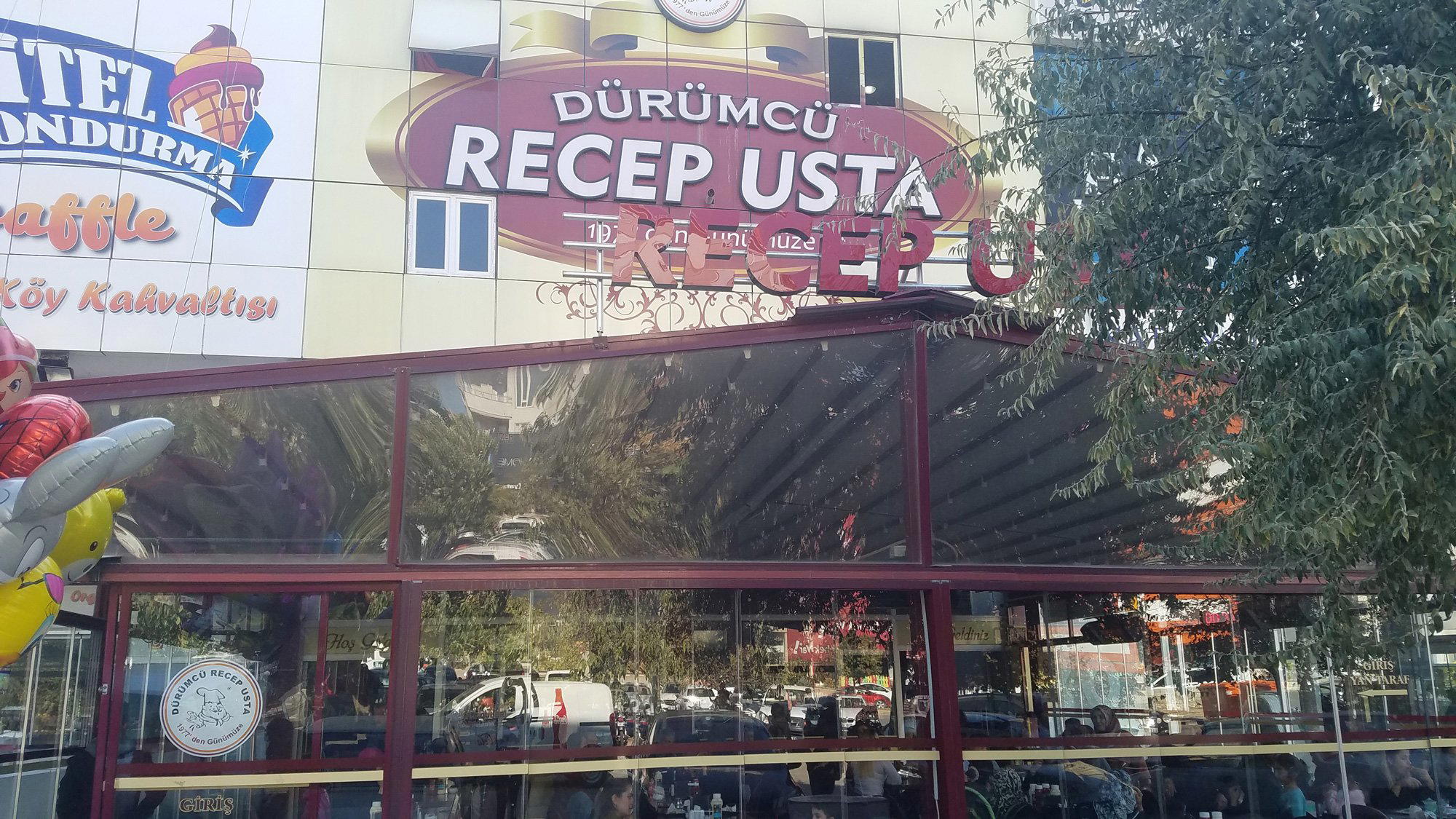
| Durumcu Recep Usta | Şahinbey, Turkish Dürüm Wraps | $ |
| Metanet Lokantasi | Kozluca, Traditional Gaziantep Turkish | $$ |
| Baklavaci Zeki Inal | Şahinbey, Traditional Turkish Baklava | $$ |
| Metanet Katmer | Suyabatmaz, Traditional Gaziantep Katmer | $$ |
| Kocak Baklava | Şehitkamil, Authentic Gaziantep Baklava | $$ |
Continue exploring
More in Gaziantep

At a Glance
- Classic
- Rustic
- Family
- Terrace
Laid-back with a charming terrace, clean sitting area, and focus on authentic flavors.