Mercato
Mercato occupies a Hell's Kitchen address at 352 W 39th St, sitting within one of Midtown Manhattan's most active restaurant corridors. The space positions itself in a neighbourhood where Italian-leaning concepts and pre-theatre crowds have shaped the dining character for decades. For visitors working through New York's broader restaurant scene, it represents a functional midtown reference point worth knowing.
Pearl is the En Primeur Club membership app — saves, bookings, and concierge access live there. Same editors, same standards.
- Address
- 352 W 39th St, New York, NY 10018
- Phone
- +12126432000
- Website
- mercatonyc.com
- Directions
- Get directions
 Saves & bookings on Pearl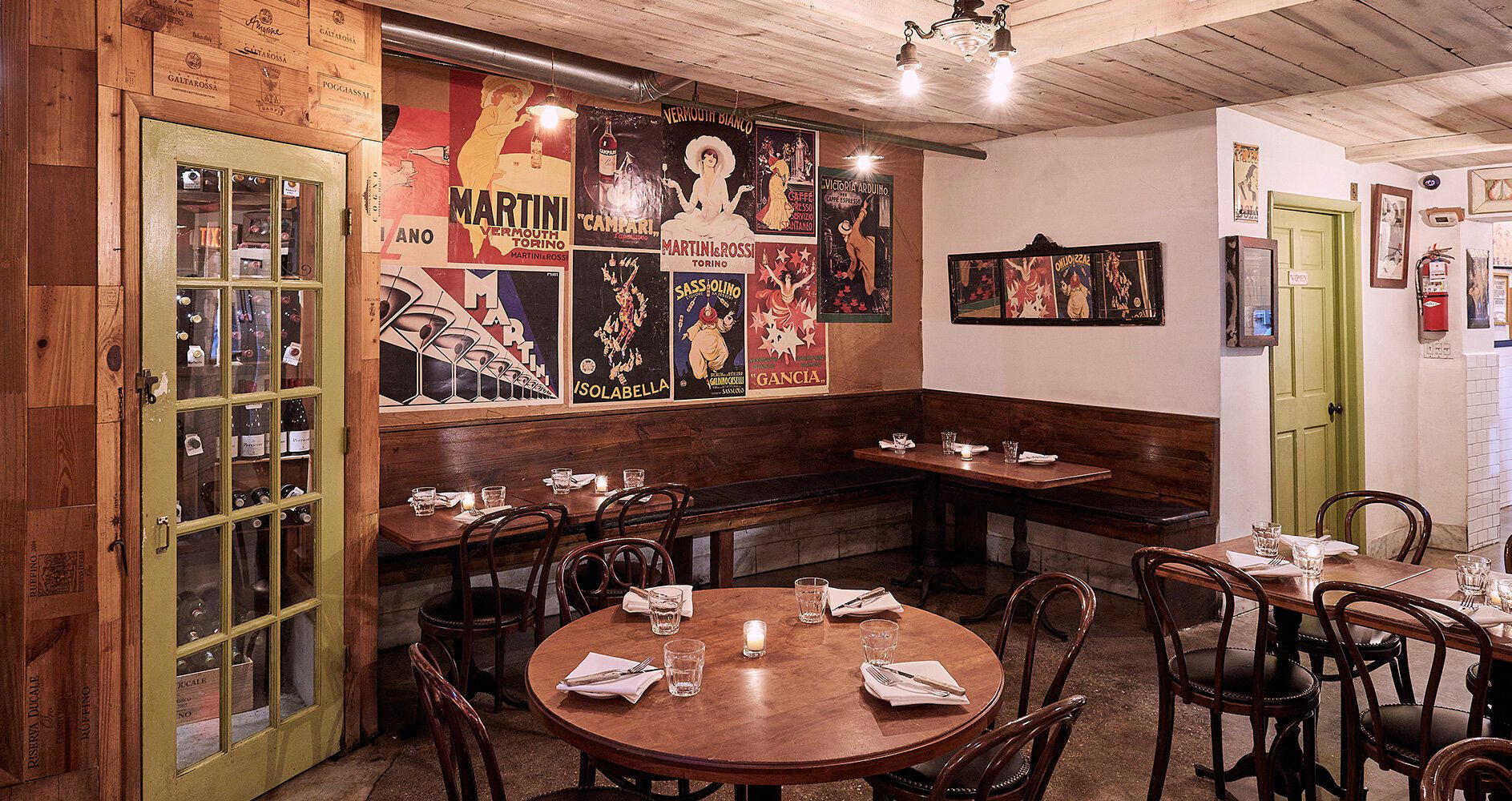
Hell's Kitchen and the Midtown Italian Corridor
Mercato is an Authentic Apulian Trattoria in Hell's Kitchen, New York City, at 352 W 39th St. Italian concepts along this corridor have historically operated in a middle register, generous portions, accessible price points, and a room design that prioritises throughput over contemplation. That context matters when placing Mercato in its competitive environment. The address at 352 W 39th St puts it within walking distance of the pre-theatre crowd that feeds venues between 49th and 54th Streets, but slightly removed from the highest-density tourist foot traffic of Times Square proper.
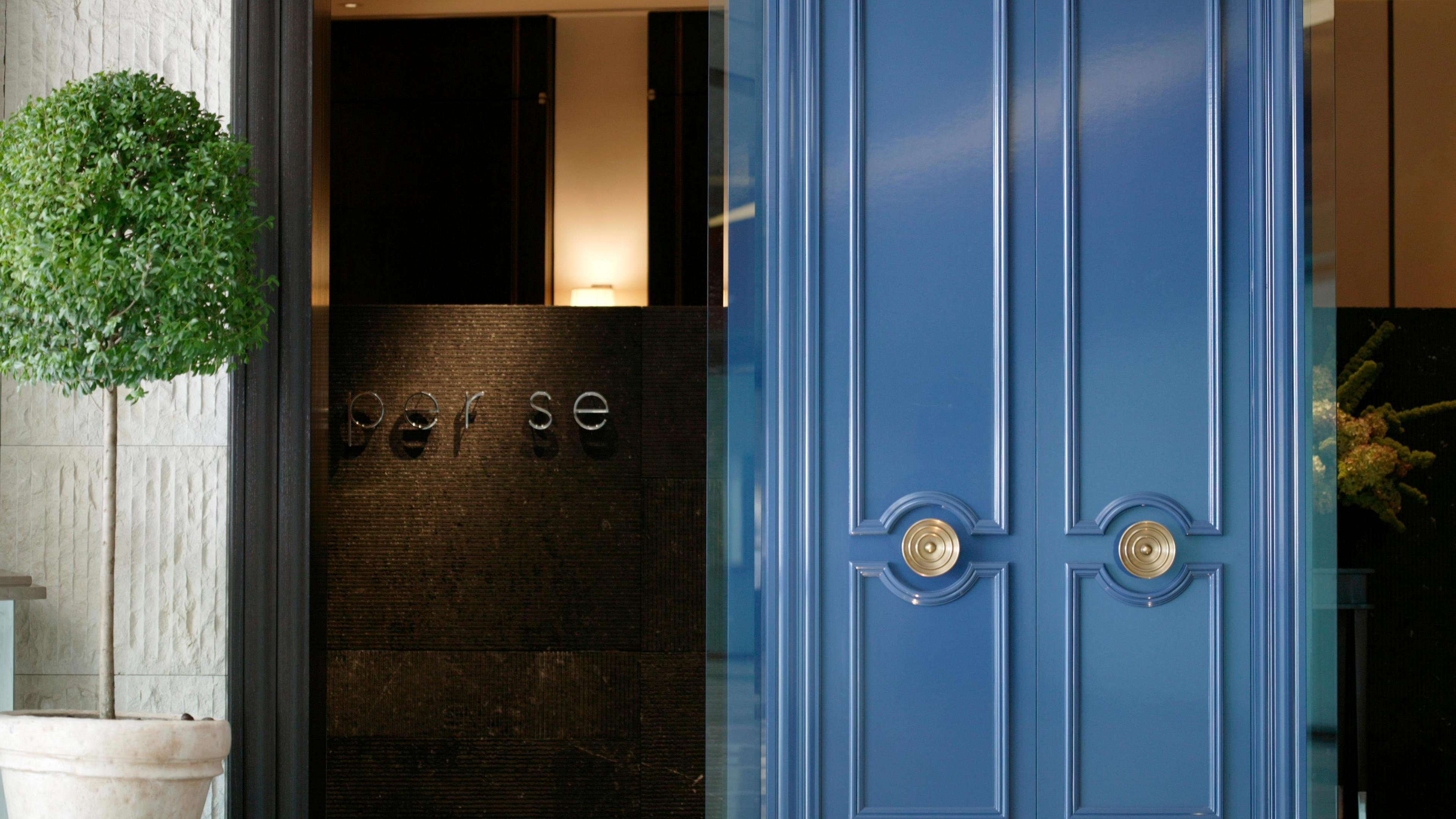
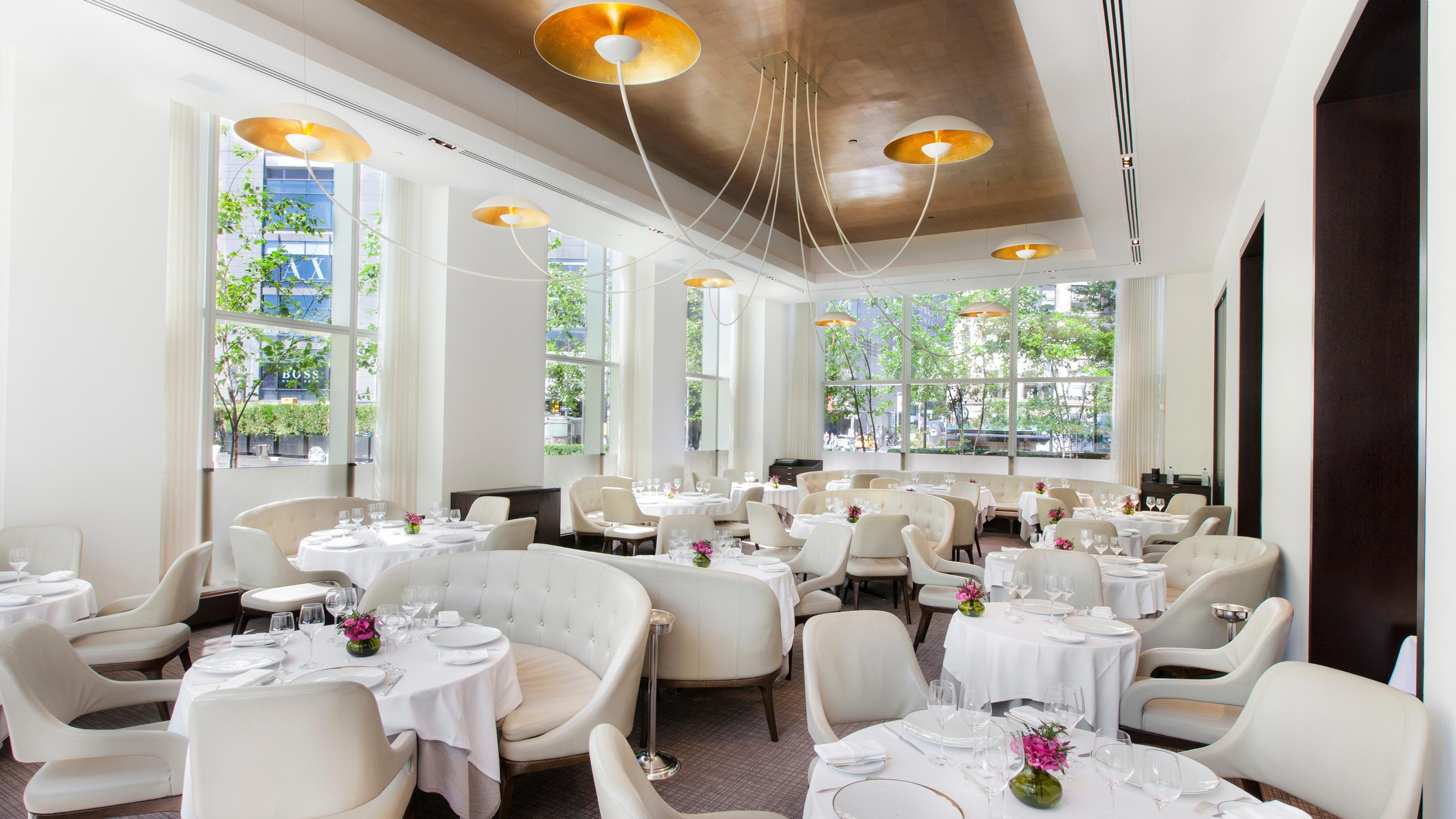
Hell's Kitchen has developed a layered dining identity distinct from the Midtown east side or the high-end corridors further downtown. Where Le Bernardin and Per Se anchor the formal French tradition in Midtown, and where Korean tasting-counter formats like Atomix and Jungsik New York have staked their ground in the city's progressive dining tier, the Hell's Kitchen Italian segment operates on different terms entirely: neighbourhood familiarity, repeat local custom, and the kind of room that works equally well for a Tuesday dinner as a Saturday booking.
The Physical Container: What the Address Implies
In New York's restaurant geography, a West 30s address on the far side of Ninth Avenue signals something specific about a venue's orientation. These rooms are built for density, tables set close, service that moves quickly, acoustics that register the room as alive rather than hushed. The design philosophy in this tier prioritises the feeling of a room in full use over the kind of architectural quietude you find at Masa or the formal arrangement of a multi-course counter.
Italian restaurants in Hell's Kitchen are not selling controlled minimalism or chef-worship formats. The room is configured to be habitable, social, and repeatable, the kind of space where the same guests return monthly rather than annually. This is a different design ambition than what drives the tasting-menu format rooms downtown, and understanding that distinction helps set expectations before a booking is made.
Where Mercato Sits in the Broader American Restaurant Conversation
Italian-American dining in New York has bifurcated considerably over the past two decades. At one end, a small number of venues have moved into fine-dining territory with tasting menus, natural wine programs, and chef-driven editorial identities. At the other, the traditional red-sauce trattoria format has held steady, serving a reliable function for local residents and visitors who want something known and consistent rather than challenging. Mercato's Hell's Kitchen address places it in proximity to the latter tradition, even if the specific execution varies.
For comparison, the ambition and format of venues like Alinea in Chicago or The French Laundry in Napa represent a different category entirely, venues where the room, the format, and the ingredient sourcing are all arguments for a singular culinary position. Mercato's neighbourhood and address tier suggest no such argument is being made. The value proposition here is likely consistency, location, and a room that functions well for the specific demands of Midtown dining. Similarly, regionally specific farm-to-table formats like Blue Hill at Stone Barns in Tarrytown or Single Thread Farm in Healdsburg represent a conceptual distance that the address and positioning of a Hell's Kitchen Italian venue does not traverse.
Across American cities, Italian-influenced mid-register dining occupies a specific structural role. Emeril's in New Orleans and Bacchanalia in Atlanta both demonstrate that regional context shapes what a room means, what a menu argues, and who the venue is designed to serve. In New York, the Italian corridor in Hell's Kitchen occupies that middle ground between destination dining and neighbourhood reliability, and that is precisely the tier in which a venue at this address competes.
Planning a Visit: Practical Orientation
West 39th Street between Eighth and Ninth Avenues is most efficiently reached via the A, C, or E trains to Port Authority/42nd Street, placing the walk at roughly three blocks south. The neighbourhood's restaurant concentration makes early-evening timing competitive, particularly from Thursday through Saturday, when pre-theatre demand from venues closer to the Broadway corridor pushes reservations across the block. Visitors with a broader interest in the city's dining range should consider this address as one reference point within a longer New York itinerary.
For those building a multi-city American dining itinerary, Hell's Kitchen functions as a useful contrast point to the more architecturally considered venues in other cities: the intimate counter formats of Providence in Los Angeles, the garden-facing dining rooms of Addison in San Diego, or the historic inn setting of The Inn at Little Washington. Each of those venues makes an architectural argument that defines the experience before a dish arrives. The Hell's Kitchen Italian model makes a different, less declarative argument, one built on function, familiarity, and neighbourhood context rather than design ambition. Internationally, the same contrast plays out at the formal-room level: 8 1/2 Otto e Mezzo Bombana in Hong Kong and Alain Ducasse at Louis XV in Monte Carlo are Italian-influenced rooms where the physical container is itself a statement. Mercato's address tier operates without that ambition, which is not a criticism, it is a useful clarification of what the venue is for.
That seasonal window is worth noting for anyone planning a broader Midtown itinerary.
Peers You’d Cross-Shop
Comparable venues nearby, for context on price, style, and recognition.
| Venue | Cuisine | Price | Notes |
|---|---|---|---|
| MercatoThis venue — the venue you are viewing | Authentic Apulian Trattoria | $$$ | Not listed |
| Allora Fifth Ave | Classic Italian-American Steakhouse | $$$ | Midtown South-Flatiron-Union Square |
| Massara On Park | Modern Campania Italian | $$$ | Midtown South-Flatiron-Union Square |
| Chelsea Ristorante | Traditional Italian | $$$ | Chelsea-Hudson Yards |
| OLIO E PIÙ | Authentic Italian Trattoria | $$$ | West Village |
| DeGrezia | Northern Italian | $$$ | East Midtown-Turtle Bay |
Continue exploring
More in New York City
Restaurants in New York City
Browse all →
Bars in New York City
Browse all →

Hotels in New York City
Browse all →





At a Glance
- Cozy
- Classic
- Intimate
- Date Night
- Family
- Casual Hangout
- Standalone
- Extensive Wine List
- Local Sourcing
Current opening hours
- Monday
- 11:30 AM–12 AM
- Tuesday
- 11:30 AM–12 AM
- Wednesday
- 11:30 AM–12 AM
- Thursday
- 11:30 AM–12 AM
- Friday
- 11:30 AM–12 AM
- Saturday
- 11:30 AM–12 AM
- Sunday
- 11:30 AM–12 AM
Hours can change for holidays and private events. Last verified .
Cozy and warm with brick-lined walls and soft lighting evoking rustic Italian hospitality.