OLIO E PIÙ
Olio e Più occupies a corner of Greenwich Avenue where the West Village's appetite for Southern Italian cooking runs deep. The kitchen works through the wood-fired canon, Roman-style pizza, housemade pasta, and antipasti that track the seasons, in a room that draws a neighbourhood crowd as reliably as it draws destination diners from across Manhattan.
Pearl is the En Primeur Club membership app — saves, bookings, and concierge access live there. Same editors, same standards.
- Address
- 3 Greenwich Ave, New York, NY 10014
- Phone
- +12122436546
- Website
- olioepiu.com
- Directions
- Get directions
 Saves & bookings on Pearl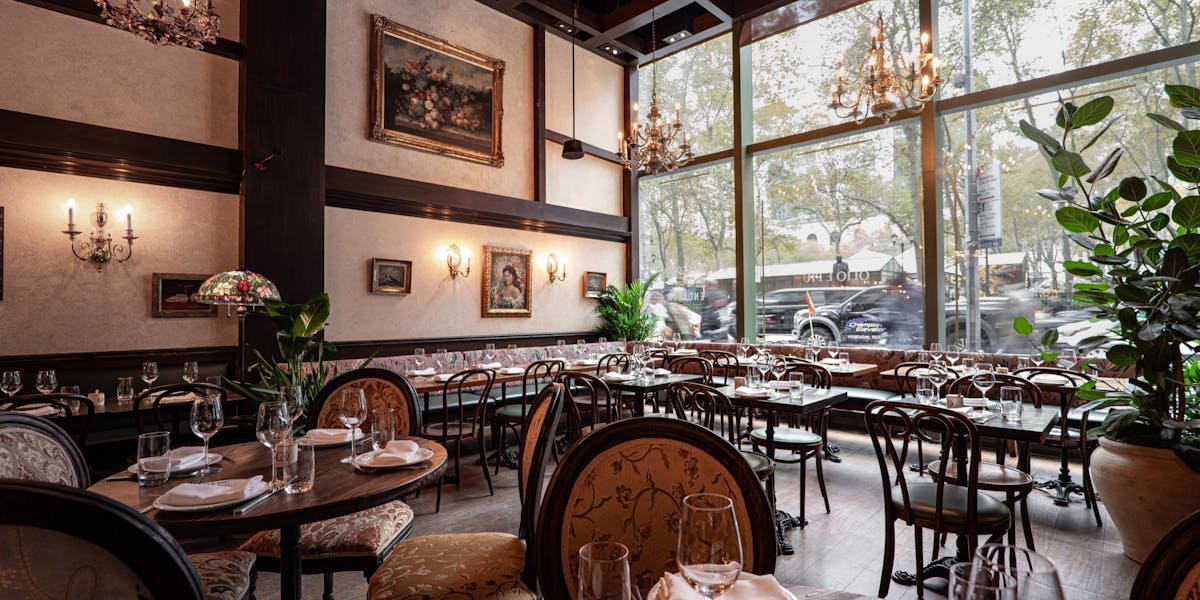
Greenwich Avenue and the Italian Table It Keeps
The West Village has long maintained a particular relationship with Italian cooking, one that predates the current wave of neo-trattoria openings that have spread across lower Manhattan. Greenwich Avenue, where Olio e Più holds its corner at number 3, sits at the intersection of that tradition and a more present-tense appetite for wood-fired, ingredient-led Southern Italian food. The address places the restaurant inside one of New York's most competitive casual-Italian comparable venues, a neighbourhood where proximity to the right block still carries weight, and where a room that fills on a Tuesday signals something the neighbourhood has decided to keep.
Italian-American dining in New York has fractured into distinct tiers over the past decade. At one end, the red-sauce institution holds its ground through nostalgia and consistency; at the other, newer arrivals trade on imported flour, specific regional lineage, and wine lists that read like a tour of obscure Campanian producers. Olio e Più occupies the productive middle: a wood-burning hearth as the room's architectural and culinary anchor, a menu that moves between pizza and pasta without the anxiety of a concept, and a front-of-house register that keeps the room feeling like a neighbourhood restaurant even when the reservations are running three weeks out.
The Logic of the Wood Fire
Wood-fired cooking imposes a discipline that shapes every other decision in a kitchen. The oven dictates timing, temperature, and the texture of everything that passes through it, a crust with that specific leopard-spot char, vegetables that collapse at their edges while holding structure at the core, proteins that finish with a smoke register that gas cannot replicate. In New York's Italian restaurants, the wood fire has become a differentiator partly because the infrastructure required to install and operate one in a Manhattan building is genuinely prohibitive. Restaurants that have them tend to build their identity around that fact.
At Olio e Più, the wood-burning oven is the room's central fact. The pizza programme takes its reference points from Rome rather than Naples, a thinner, crispier base that holds toppings differently than the Neapolitan tradition, with more structural integrity and less of the soft, charred-floor character that defines pies further south. This is not a minor distinction. The Roman style remains less represented in New York's pizza conversation, which has been dominated by Neapolitan method and New York slice culture in roughly equal measure. A kitchen committed to the Roman idiom is making a specific argument about what a pizza should do.
Pasta, Antipasti, and the Seasonal Argument
The pasta side of the menu follows the Southern Italian canon: shapes and sauces that have been refined over generations, where the quality of the argument rests entirely on execution rather than invention. This is demanding cooking in a way that experimental menus are not, because the diner arrives with a reference point. A cacio e pepe that misses its emulsification, a carbonara that scrambles, these failures register immediately against a mental benchmark that diners have built across years of eating. The kitchen's credibility lives in the gap between the familiar and the well-made.
Antipasti follow the rhythm of the season, which is the correct approach for a menu rooted in Italian tradition, where the market visit precedes the menu decision rather than following it. The room's design supports this food logic: warm materials, a pace that allows the table to linger rather than turn, and a wine programme that treats the Italian peninsula as a serious source rather than a default. Producers from Campania, Sicily, and Lazio share the list with broader Italian representation, and the by-the-glass selection is wide enough to support the kind of iterative pairing that antipasti and pasta courses invite.
The Room and How It Works
In a city where the dining room as social theatre has produced particularly studied interiors in the world, the tasting-counter formalism of places like Atomix or the cathedral-register precision of Per Se, Olio e Più operates at a different frequency. The room works because it does not ask the diner to perform. There is no counter theatre, no long pause between courses while a server narrates the provenance of each ingredient, no pacing structure that requires the table to surrender its evening to the kitchen's schedule. This is a different kind of hospitality, and in the current New York dining moment, it is not a lesser one.
The collaboration between kitchen and floor matters enormously in a room like this. Italian service at its leading runs on a kind of invisible coordination: the floor reads when a table wants to be left alone, when it wants guidance through an unfamiliar wine, when the pasta should come quickly and when the antipasti should extend. At the tier occupied by the restaurant, where the covers are higher and the table turns are real, that coordination has to be practiced, not improvised. The leading West Village Italian rooms have always understood this. The ones that last are the ones where the floor and kitchen are reading from the same sheet.
For context on what a synchronized team looks like at the far end of the formality spectrum, Le Bernardin remains the New York standard for front-of-house and kitchen alignment. Further afield, the same principle plays out in different registers at The French Laundry in Napa, Alinea in Chicago, and Single Thread Farm in Healdsburg. Italian casual dining asks for a different version of that discipline, but it asks for it just as insistently.
For comparable Italian cooking at the summit of its register internationally, 8½ Otto e Mezzo Bombana in Hong Kong and Alain Ducasse at Louis XV in Monte Carlo represent the formal end of that tradition. The restaurant operates in an entirely different register, but both ends of the spectrum illuminate what the Italian table, at its leading, is actually trying to do. Elsewhere in the US, Bacchanalia in Atlanta, Providence in Los Angeles, Blue Hill at Stone Barns, Addison in San Diego, The Inn at Little Washington, Lazy Bear in San Francisco, and Emeril's in New Orleans all demonstrate how regional cooking traditions with deep roots can sustain long-running dining rooms when the execution holds.
For the full picture of where the restaurant sits within New York's Italian and broader dining scene, see our full New York City restaurants guide. Other significant New York rooms for comparison include Masa, Jungsik New York.
Know Before You Go
- Address: 3 Greenwich Ave, New York, NY 10014
- Neighbourhood: West Village, Manhattan
- Cuisine: Southern Italian, wood-fired pizza and pasta
- Price range: Mid-range to moderately expensive by Manhattan standards; consistent with the casual-Italian tier
- Reservations: Recommended, particularly for evenings and weekends; the room fills reliably
- Getting there: The 1, 2, or 3 train to 14th Street, or the A, C, E to 14th Street/8th Ave; the address is walkable from either stop
- Leading for: Neighbourhood dinners, Roman-style pizza, Italian wine exploration by the glass
At-a-Glance Comparison
Comparable venues nearby, for context on price, style, and recognition.
| Venue | Cuisine | Price | Notes |
|---|---|---|---|
| OLIO E PIÙThis venue — the venue you are viewing | Authentic Italian Trattoria | $$$ | Not listed |
| Gjelina | Coastal Italian | $$$ | Greenwich Village |
| Allora Fifth Ave | Classic Italian-American Steakhouse | $$$ | Midtown South-Flatiron-Union Square |
| Serafina Always | Northern Italian Trattoria | $$$ | Upper East Side-Carnegie Hill |
| Teura Italian Restaurant | Modern Italian-Mediterranean | $$$ | Coney Island-Sea Gate |
Continue exploring
More in New York City
Restaurants in New York City
Browse all →
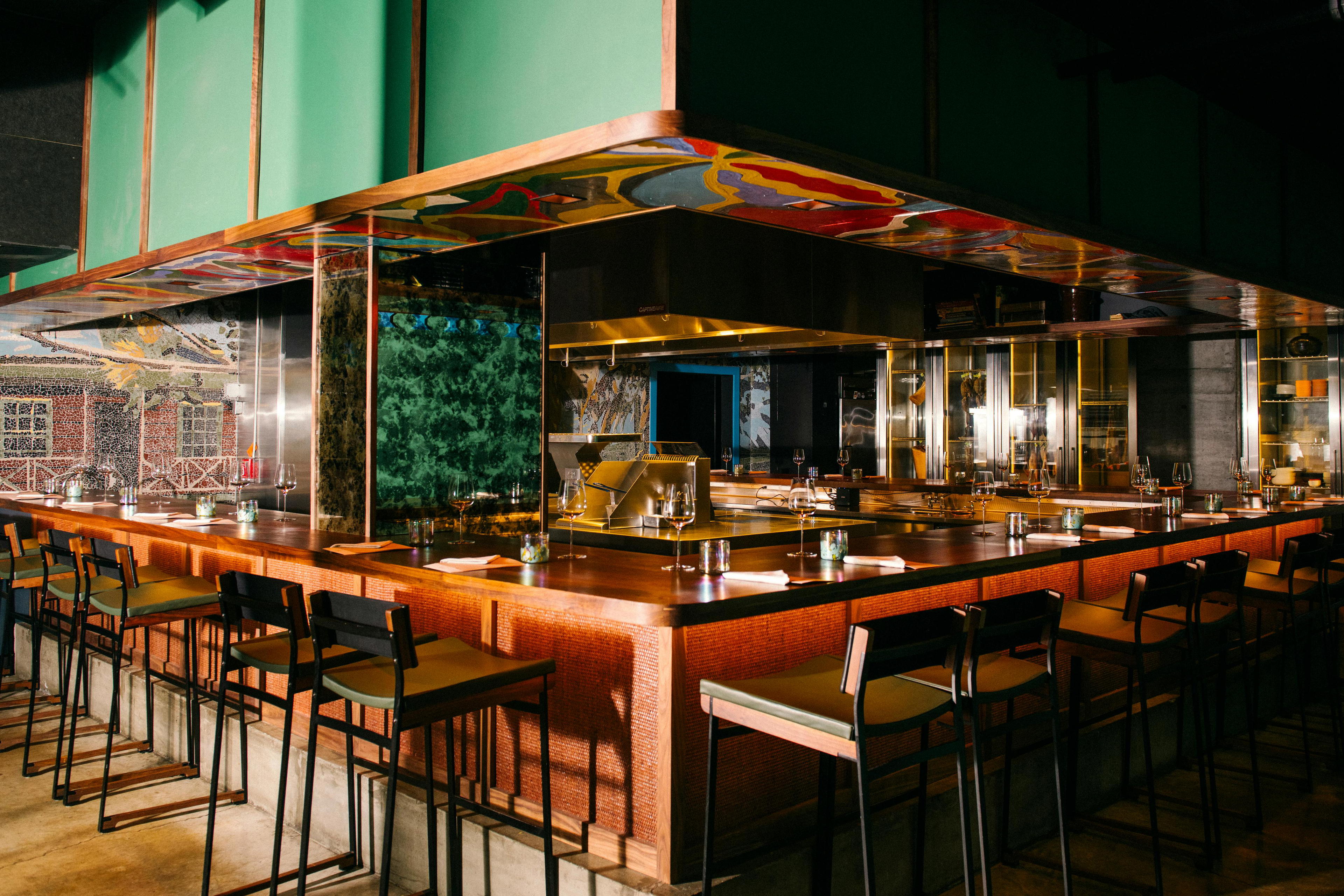
Bars in New York City
Browse all →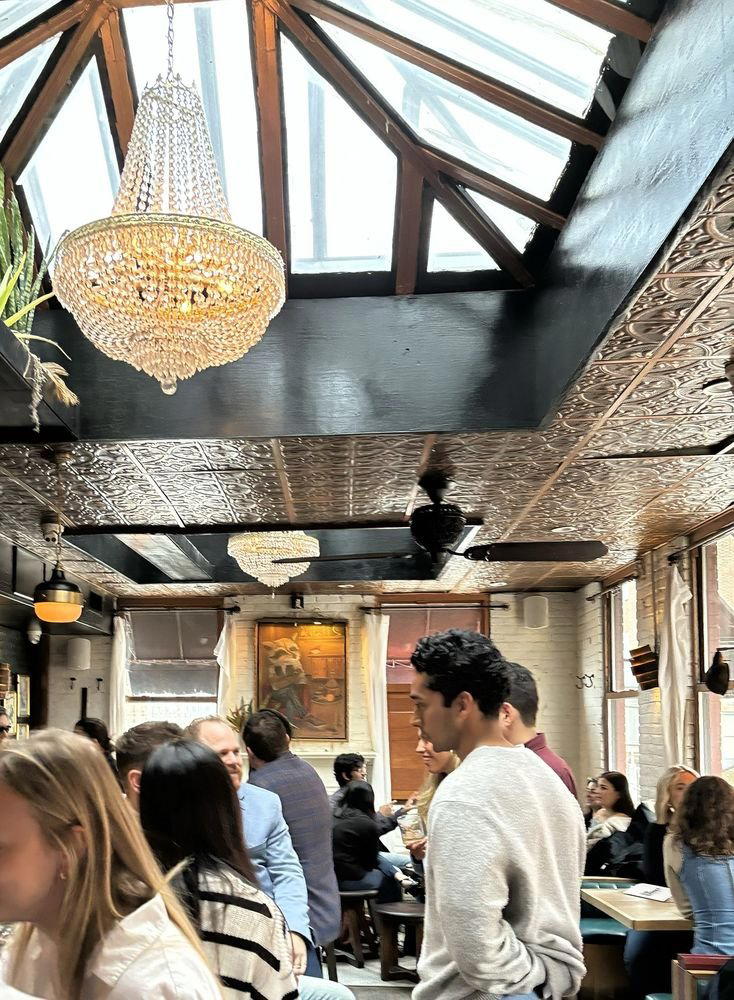
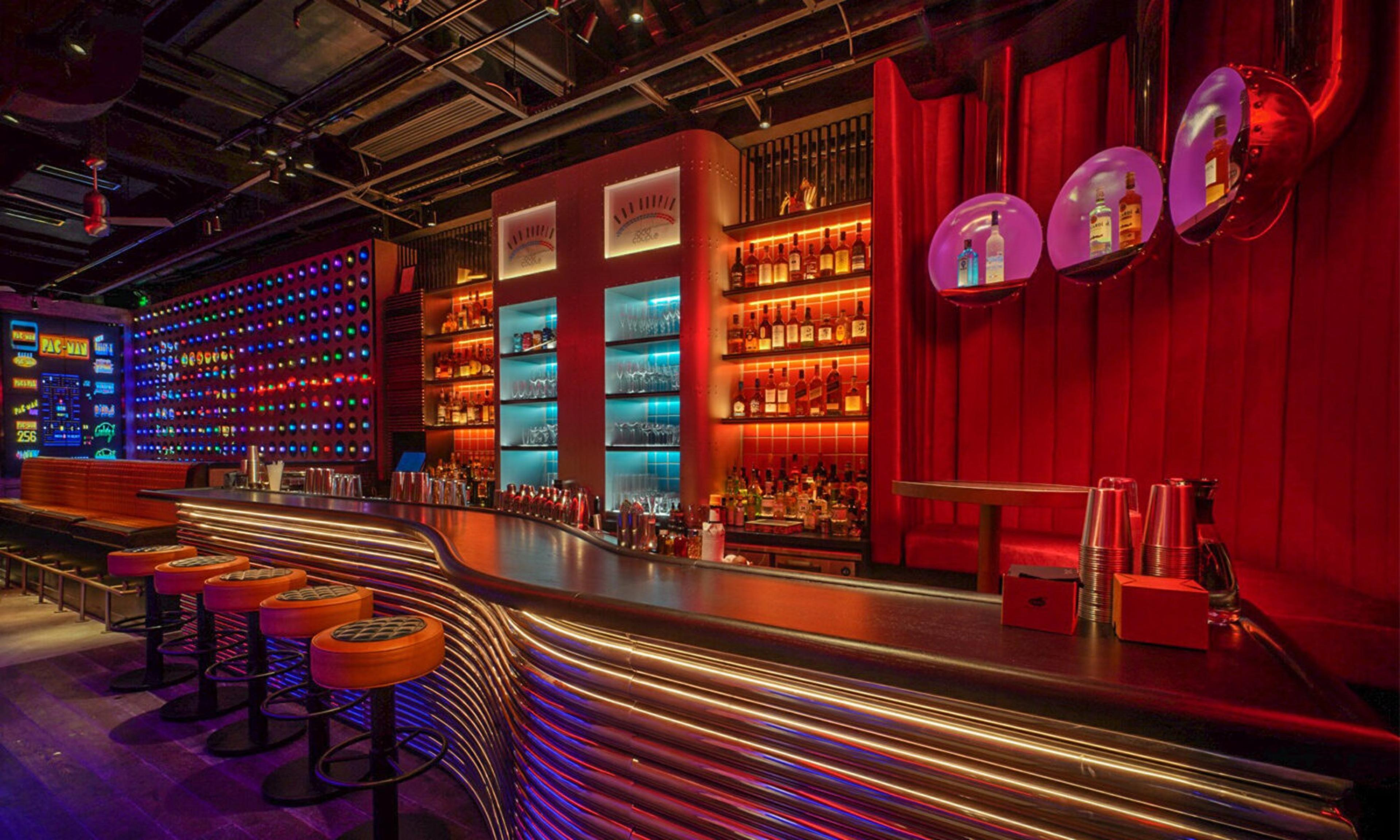
Hotels in New York City
Browse all →






At a Glance
- Lively
- Rustic
- Cozy
- Elegant
- Date Night
- Business Dinner
- Group Dining
- Brunch
- Open Kitchen
- Extensive Wine List
- Craft Cocktails
Current opening hours
- Monday
- 11 AM–12 AM
- Tuesday
- 11 AM–12 AM
- Wednesday
- 11 AM–12 AM
- Thursday
- 11 AM–12 AM
- Friday
- 11 AM–12 AM
- Saturday
- 10 AM–12 AM
- Sunday
- 10 AM–12 AM
Hours can change for holidays and private events. Last verified .
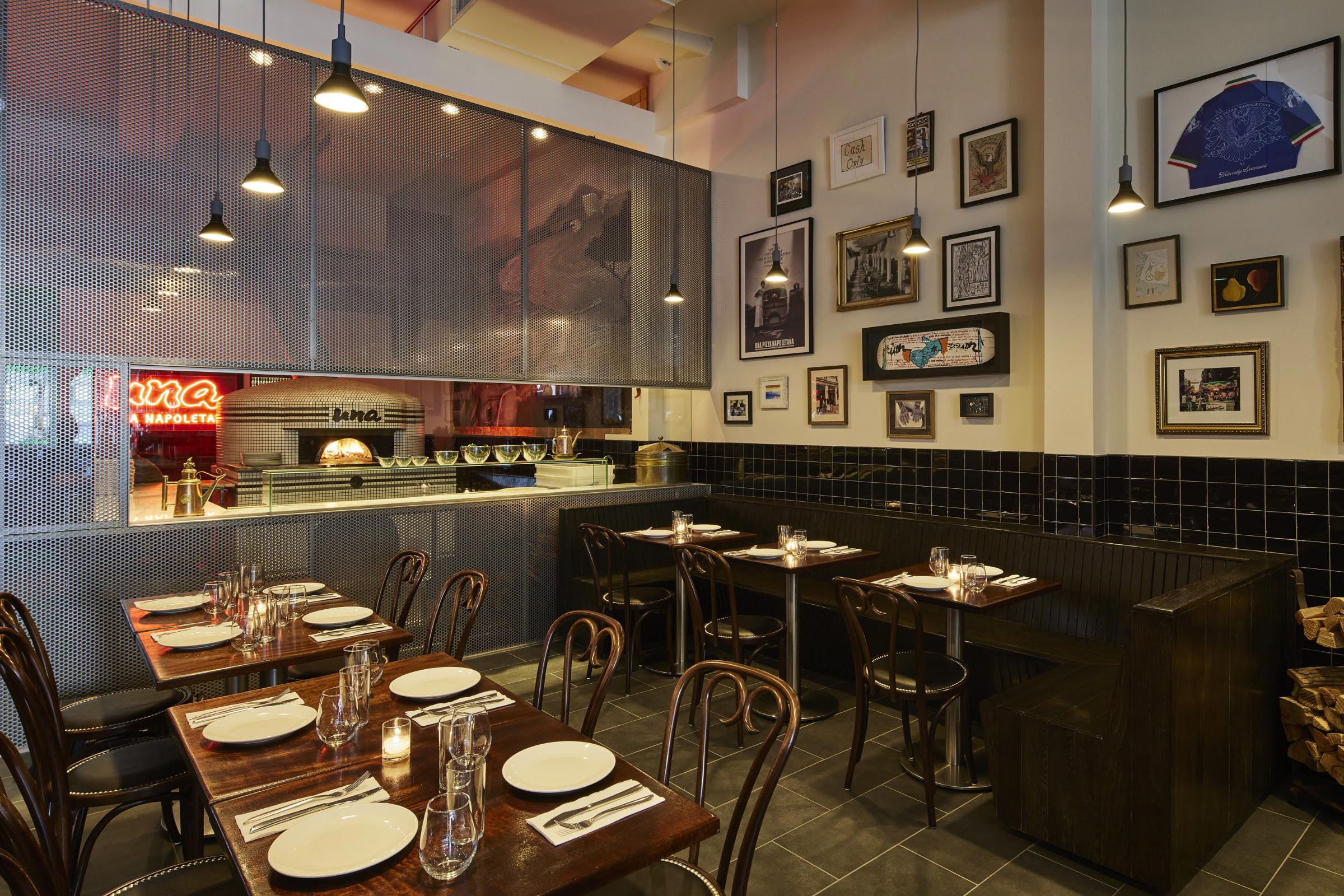
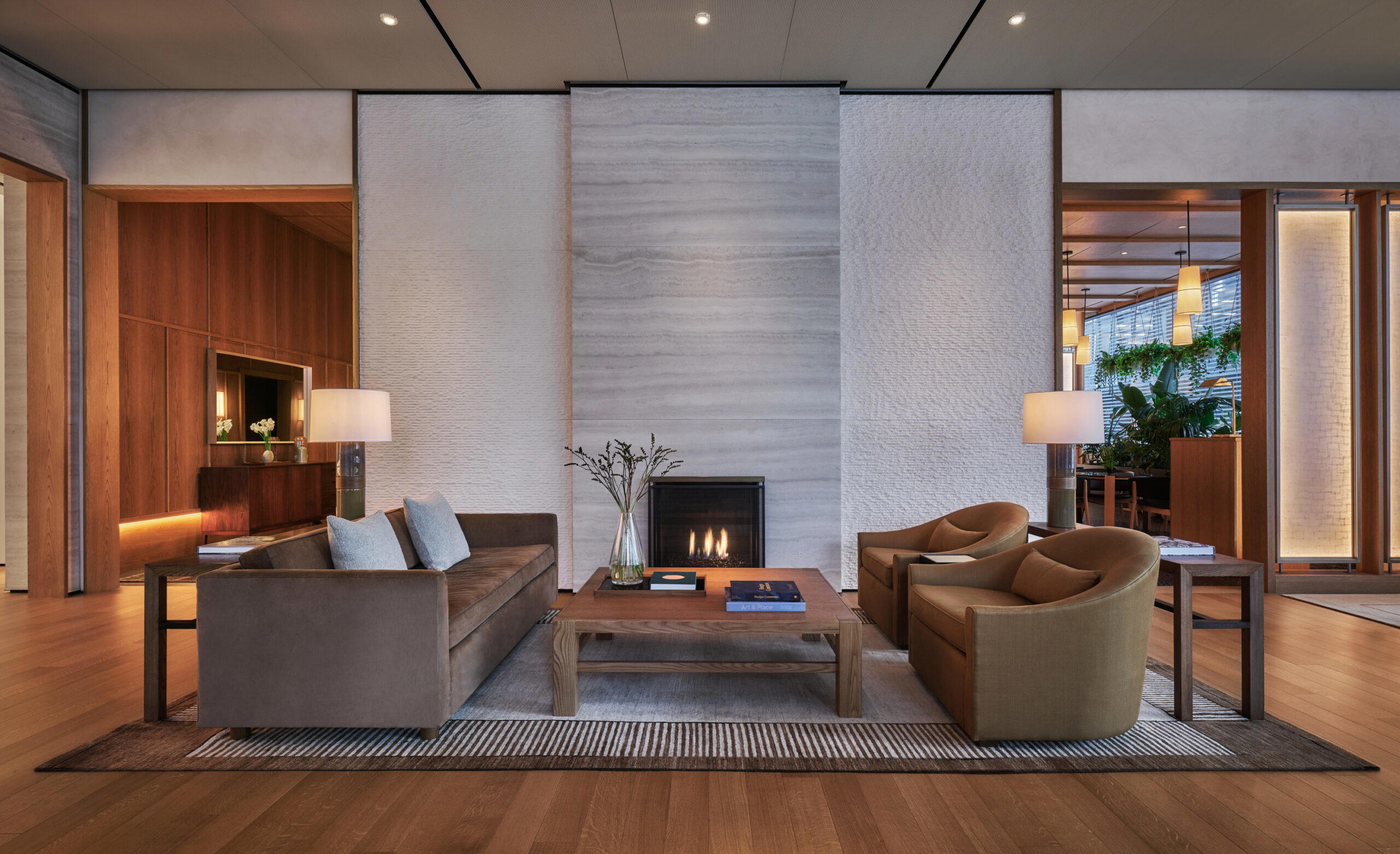
Rustic Italian interiors with open dining areas creating a warm and lively atmosphere.