
Mercato Ballaró sits in Chamberí, one of Madrid's most settled residential districts, where the market-format dining model has taken hold as an alternative to the city's tasting-menu tier. The address on Calle de Santa Engracia places it within walking distance of Alonso Martínez and the neighbourhood's quieter bar circuit, making it a practical option for both midday and evening tables.
Pearl is the En Primeur Club membership app — saves, bookings, and concierge access live there. Same editors, same standards.
- Address
- Calle de Sta Engracia, 24, Chamberí, 28010 Madrid, Spain
- Phone
- +34913084966
- Website
- mercatoballaro.com
- Directions
- Get directions
 Saves & bookings on Pearl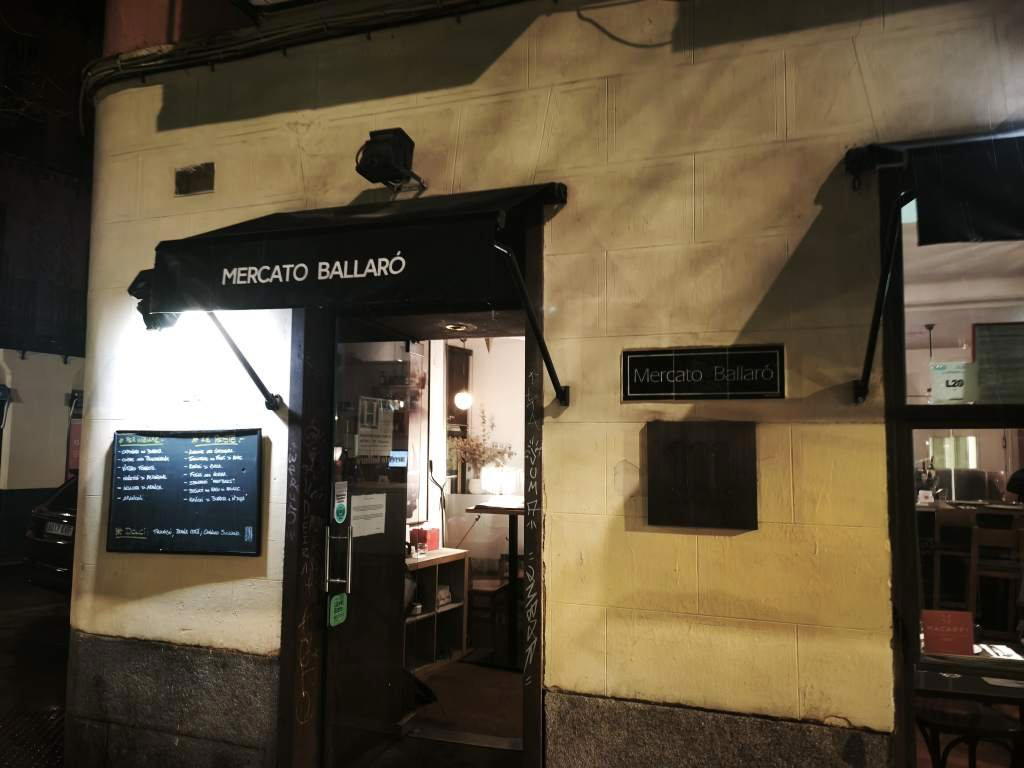
Chamberí and the Market Format: Where Madrid Eats Between Extremes
Madrid's dining offer has long operated across two distinct registers: the formal tasting-menu circuit, anchored by addresses like DiverXO and Coque at the high end, and the neighbourhood bar-and-tapas circuit that defines everyday eating across the city's twenty-one districts. Between those two tiers, a third format has quietly expanded: the mercado-style space, where multiple food propositions share a single room, footfall is shared across vendors, and the commitment required of the diner is minimal. Mercato Ballaró is a restaurant serving Sicilian Italian cuisine at Calle de Sta Engracia, 24, Chamberí, Madrid.
Chamberí is not a tourist district. Its streets are built around residents rather than visitors, and the dining that succeeds there tends to serve people who return weekly rather than once on a trip. That context matters when reading what Mercato Ballaró is doing: this is a venue calibrated for repeat use, neighbourhood rhythm, and the kind of flexibility that a multi-vendor market format provides.
Lunch vs. Dinner: How the Same Address Reads Differently by Hour
Market-format venues in Spanish cities tend to shift character more dramatically between lunch and dinner than traditional restaurants do, and Mercato Ballaró is no exception to that pattern. At midday in Madrid, the dominant dining logic is still the menú del día: a fixed, affordable set of courses that compresses a full meal into an hour. Market halls that operate across the lunch window compete with that format directly, which pushes them toward accessible pricing and speed. The atmosphere at lunch in a space like this is typically functional, bright, and social without being loud in the evening-crowd sense.
By evening, the same physical space operates under different social rules. Madrid's dinner hour begins late by Northern European standards, with most locals sitting down between nine and eleven at night. The market format in the evening leans into its flexibility: smaller plates, drinks alongside food, the ability to graze rather than commit to a structured progression. Spain's broader shift toward this kind of informal evening format mirrors what has happened in cities from Barcelona to Valencia, where the boundary between a bar order and a dinner has deliberately blurred. Addresses like DSTAgE and Paco Roncero sit at the structured, high-investment end of that spectrum; market halls occupy the opposite position, and both serve genuine demand.
The practical implication for anyone choosing between a lunch and dinner visit: lunch at a market-format address in Madrid typically offers better value per dish and a more compressed energy, while dinner extends the occasion and benefits from the city's later social tempo. Neither is a lesser version of the other; they are different use cases in the same room.
The Mercado Model in Spain: Context and Precedent
The market-as-dining-destination format has a long history in Spain, though its contemporary incarnation is distinct from the traditional municipal market. The Mercado de San Miguel in Madrid and the Boqueria in Barcelona established a template decades ago: a covered space with individual stalls, high footfall, and a mix of prepared food and fresh produce. The second generation of this model, which appeared in force from the 2010s onward, shifted further toward prepared food, drinks, and a longer dwell time. Spaces began to function as much as social venues as food-supply points.
Mercato Ballaró's name references the Ballaró market in Palermo, one of the oldest street markets in Sicily, which signals an intent to connect the format to Mediterranean market culture more broadly rather than positioning it purely within the Madrid mercado tradition. Whether that reference is purely nominal or informs the food offer is something the visit itself resolves. Italy's market culture and Spain's share structural similarities: an emphasis on fresh product, vendor specialisation, and the idea that eating well does not require a dining room with tablecloths.
Across Spain, the market-hall format has produced some addresses worth tracking seriously. At the upper end of the national dining scene, venues like El Celler de Can Roca in Girona, Mugaritz in Errenteria, and Martin Berasategui in Lasarte-Oria represent the tasting-menu end of a country with genuine depth across formats. The market hall sits at a different price point and a different level of ambition, but it occupies a legitimate and heavily used part of the dining system. Internationally, venues at the structured end of the scale, like Le Bernardin in New York City or Atomix in New York City, represent a different set of commitments entirely; the market format is a deliberate departure from that model, not a lesser attempt at it.
Chamberí as a Dining District
Calle de Santa Engracia runs through a part of Chamberí that sits between the Alonso Martínez node to the south and the quieter residential blocks to the north. The neighbourhood carries a bourgeois-residential character, with a high concentration of long-established bars alongside newer openings that serve a younger, more mobile population. It is not the district visitors tend to prioritise when mapping a Madrid food trip, which is precisely what gives venues here a different pressure profile: they are not sustained by tourism and must justify themselves to locals who have other options within walking distance.
For a visitor, Chamberí offers an instructive read on how Madrid actually eats when not performing for an external audience. The bars close later, the menus read more pragmatically, and the ratio of neighbourhood regulars to first-time visitors tilts differently than in the tourist corridors around Sol or the premium restaurant zones of Salamanca. This is the context in which the restaurant operates, and it is a context that rewards the kind of flexible, drop-in visit that the market format enables.
For those building a broader Spain dining itinerary, the Madrid tasting-menu circuit is worth understanding as one layer of a much larger national picture. Arzak in San Sebastián, Azurmendi in Larrabetzu, Aponiente in El Puerto de Santa María, Quique Dacosta in Dénia, Cocina Hermanos Torres in Barcelona, Ricard Camarena in València, Atrio in Cáceres, and Deessa in Madrid all represent high-commitment formats that require advance planning. The restaurant is a different proposition: low commitment, walk-in friendly by format convention, and suited to the gaps in an itinerary rather than its centrepiece.
Know Before You Go
- Address: Calle de Santa Engracia, 24, Chamberí, 28010 Madrid, Spain
- District: Chamberí, residential north-central Madrid
- Nearest Metro: Alonso Martínez (Lines 4, 5, 10) or Santa Bárbara (Line 10)
- Format: Market-hall, multi-vendor dining space
- Leading for: Informal lunch or late-evening grazing; low advance commitment required
- Booking: Walk-in access typical for market-format venues; reservations are recommended
- Price range: Around $35 per person.
A Minimal comparable set
Comparable venues nearby, for context on price, style, and recognition.
| Venue | Cuisine | Price | Notes |
|---|---|---|---|
| Mercato BallaróThis venue — the venue you are viewing | Almagro, Sicilian Italian | $$ | Not listed |
| Salutteria | Trafalgar, Italian Salumeria Trattoria | $$ | Not listed |
| Bosque de piamonte | Not listed | $$ | Chueca, Traditional Italian Pizzeria & Trattoria |
| Pizzart Canalejas | Sol, Italian Pizza | $$ | Not listed |
| NAP | Lavapies, Authentic Neapolitan Pizza | $$ | Not listed |
| Matteo Cucina Italiana | Recoletos, Authentic Italian Pasta | $$ | Not listed |
Recognition history
Dated appearances from independent guides and award organizations, with the underlying list record or original source where available.
Macarfi 7 Food Rating
Macarfi

At a Glance
- Rustic
- Cozy
- Lively
- Casual Hangout
- Date Night
- Terrace
- Open Kitchen
- Extensive Wine List
- Local Sourcing
Current opening hours
- Monday
- 12 PM–12 AM
- Tuesday
- 12 PM–12 AM
- Wednesday
- 12 PM–12 AM
- Thursday
- 12 PM–12 AM
- Friday
- 12 PM–12 AM
- Saturday
- 12 PM–12 AM
- Sunday
- 12–5 PM
Hours can change for holidays and private events. Last verified .
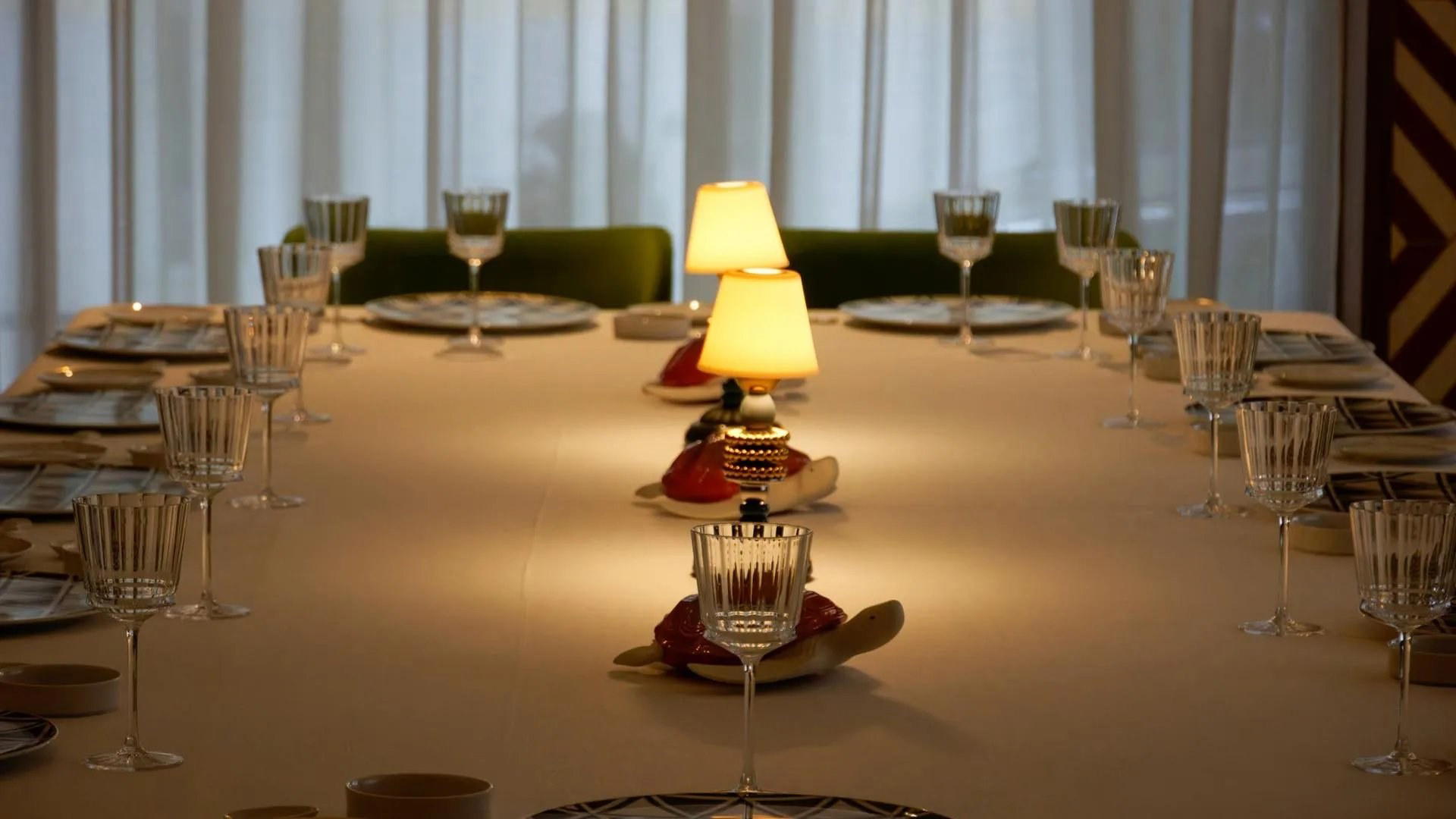
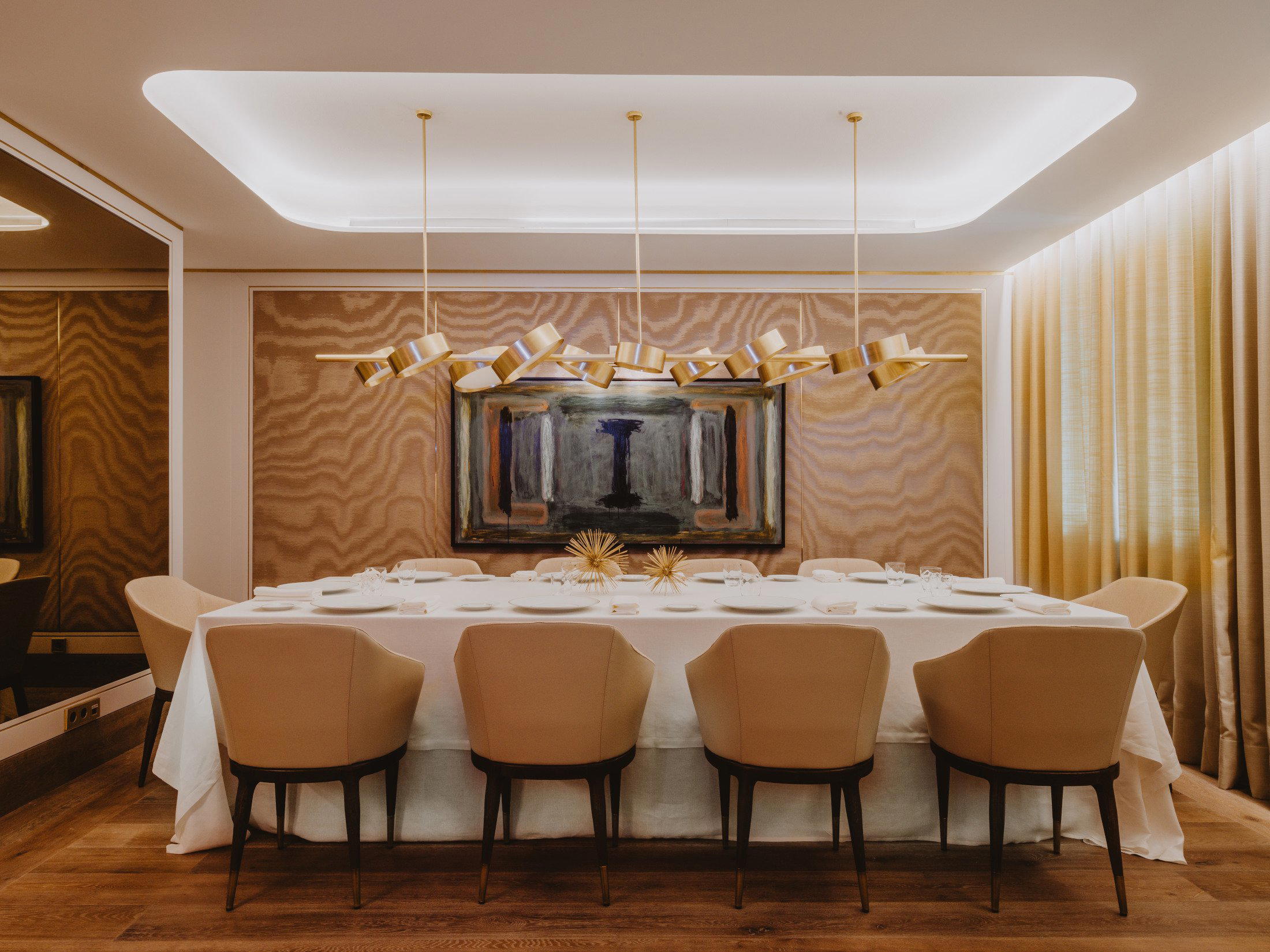
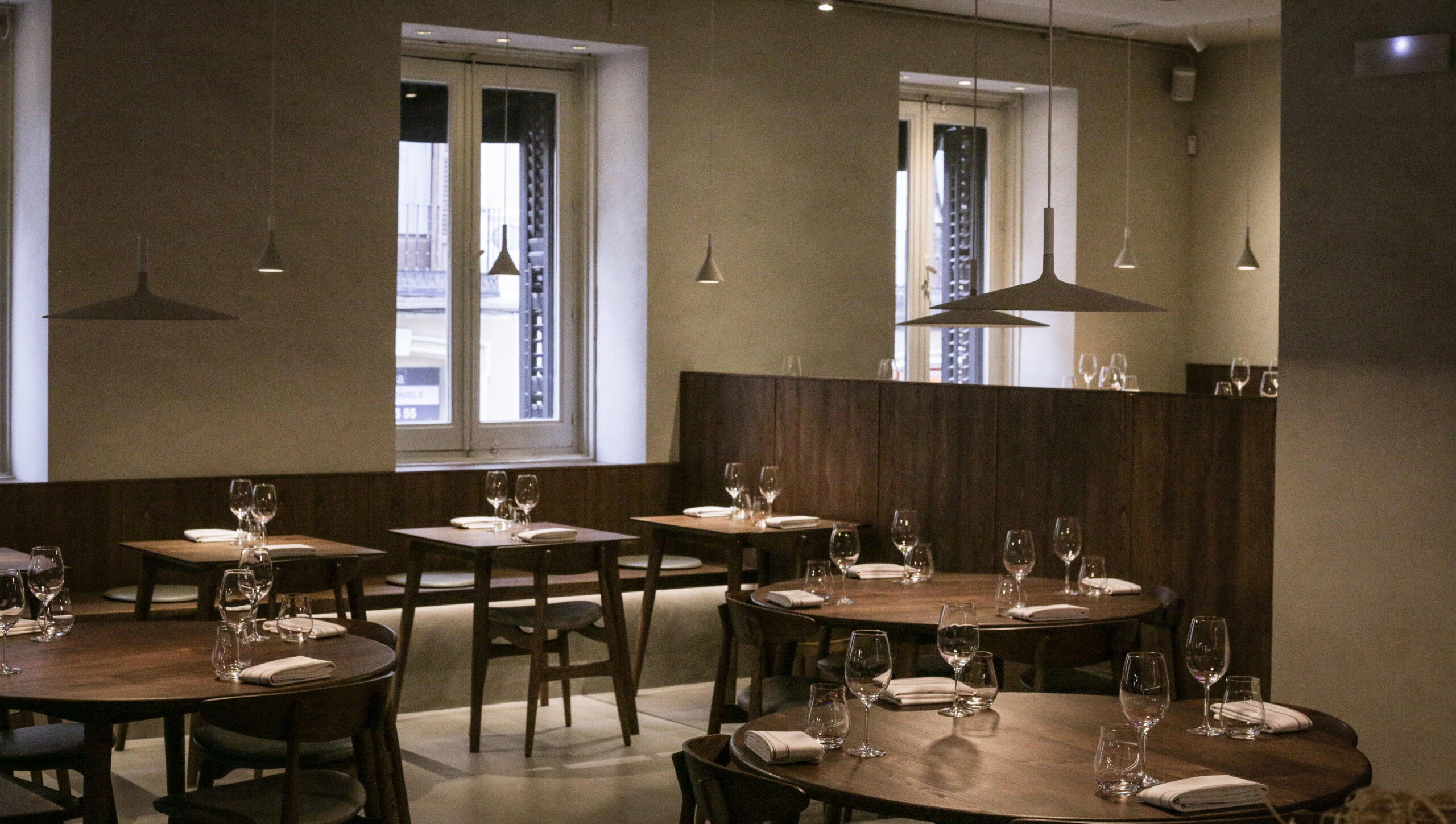
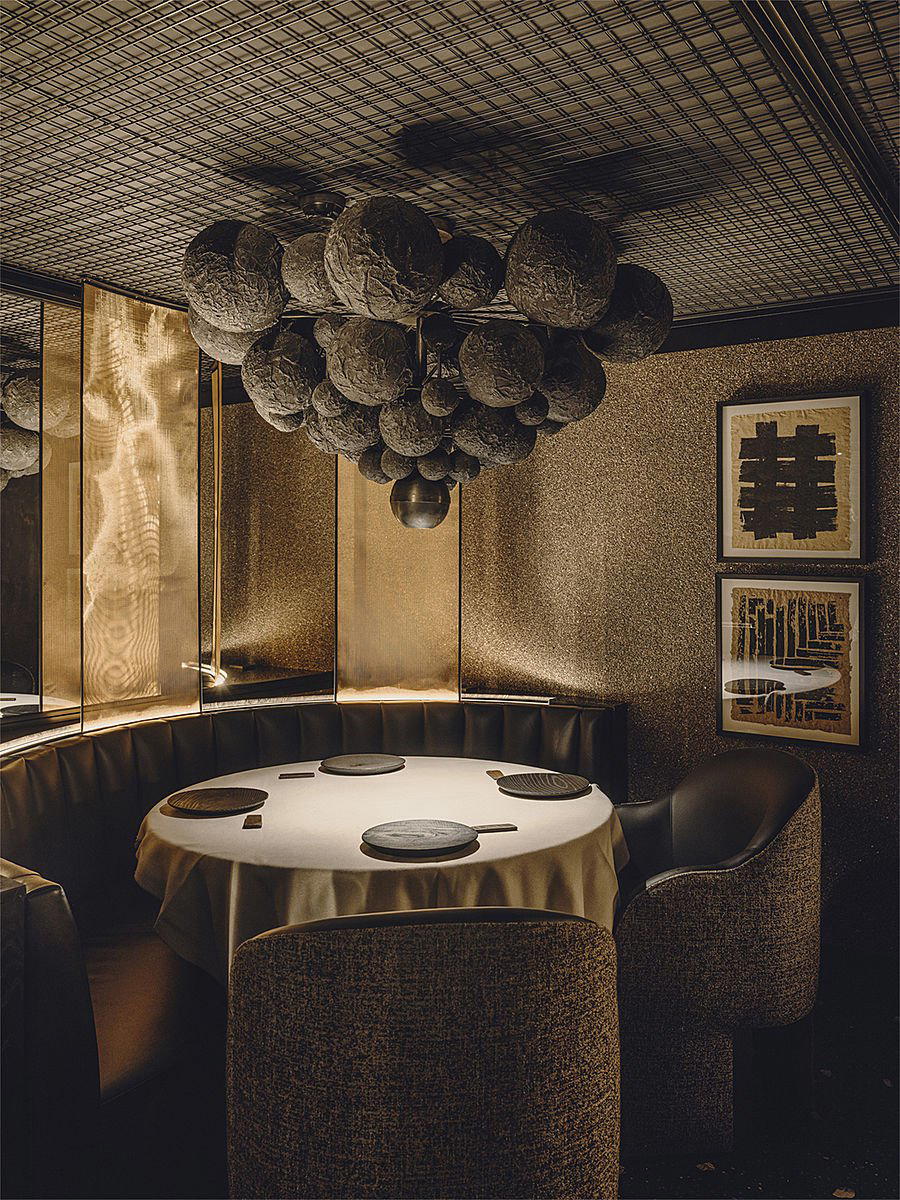
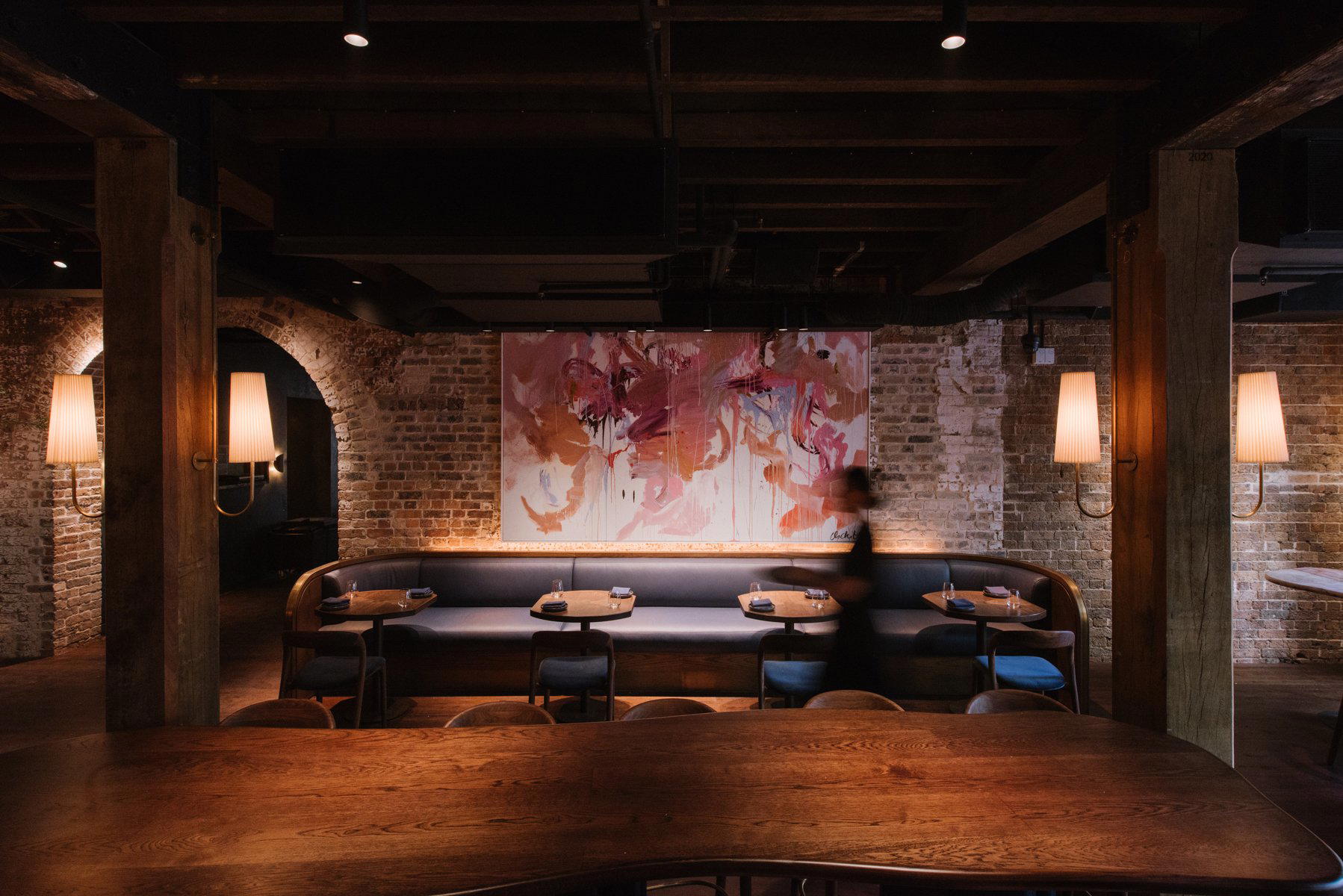
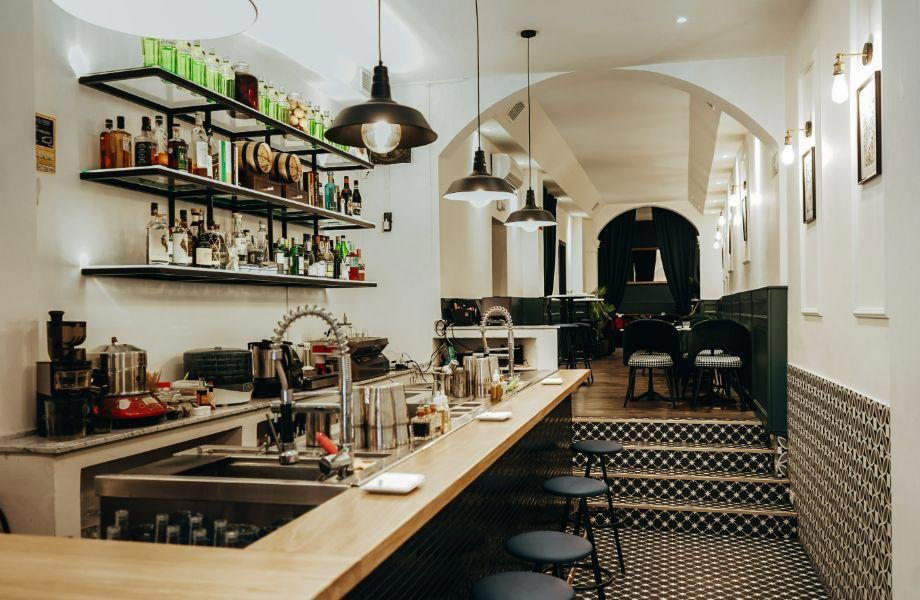
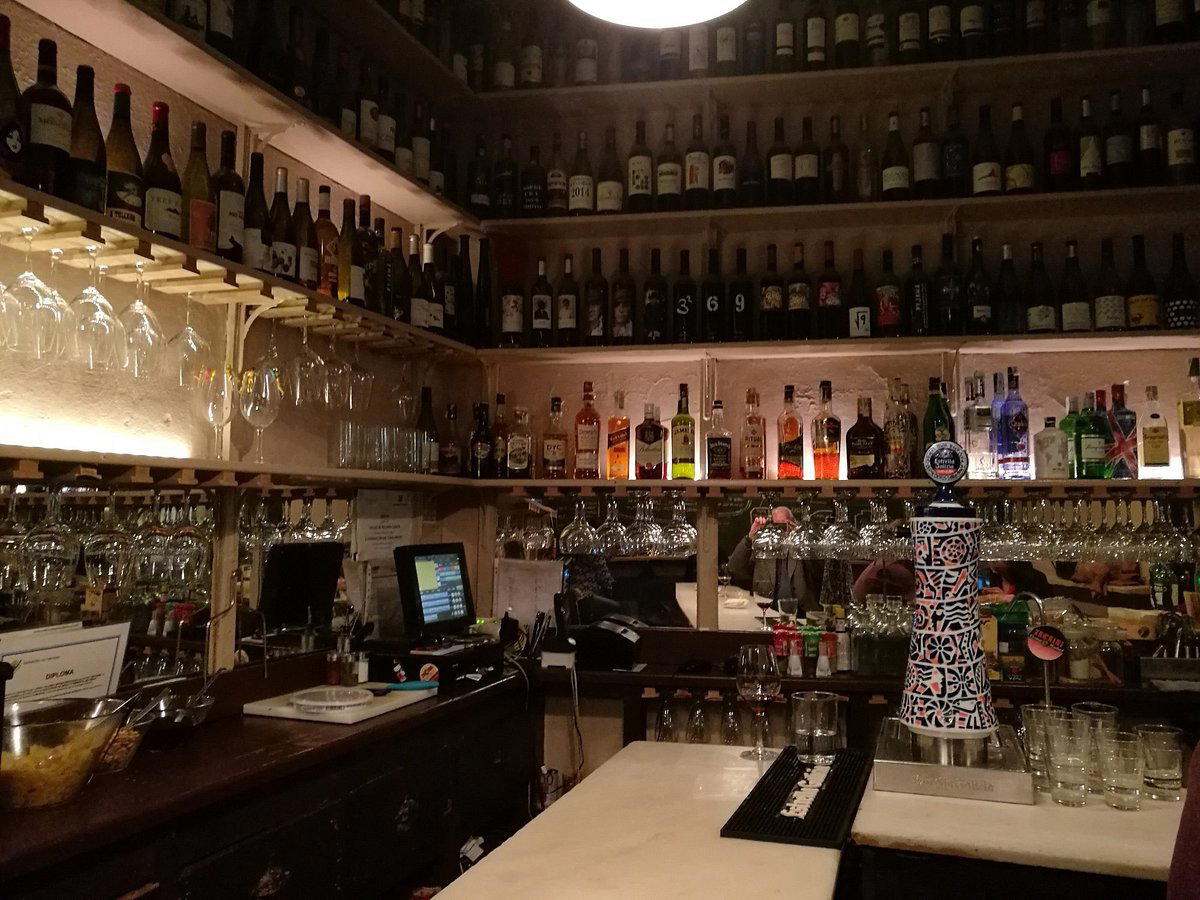
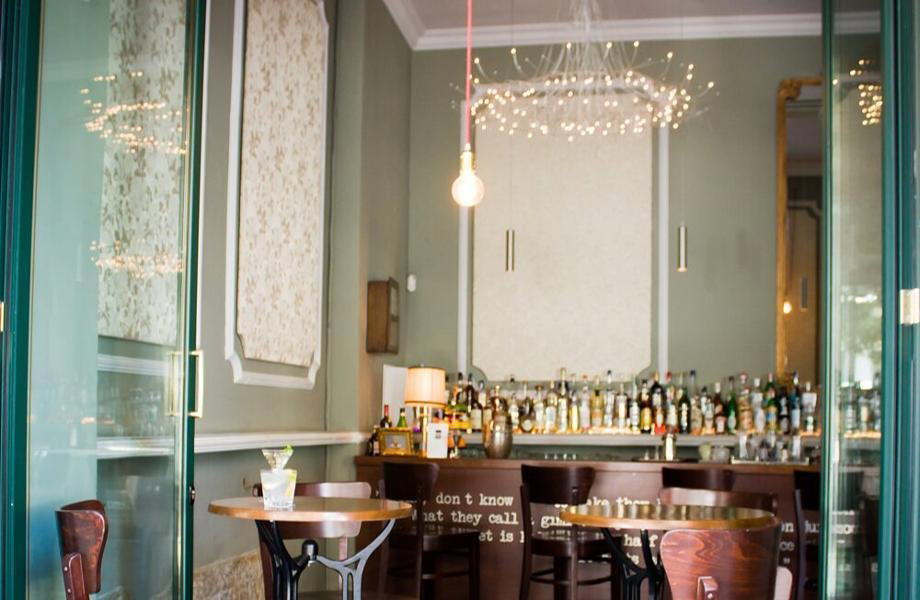
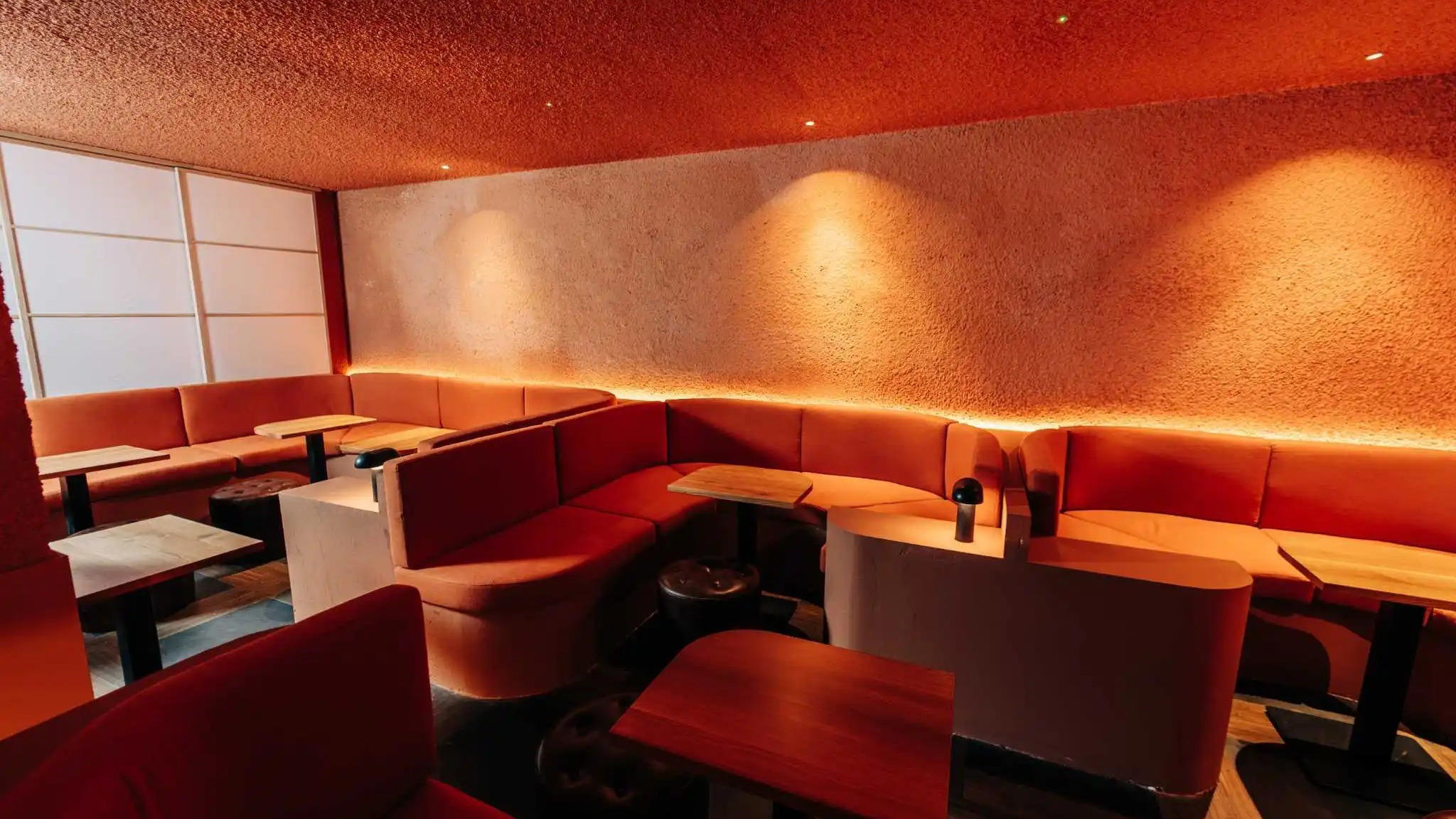
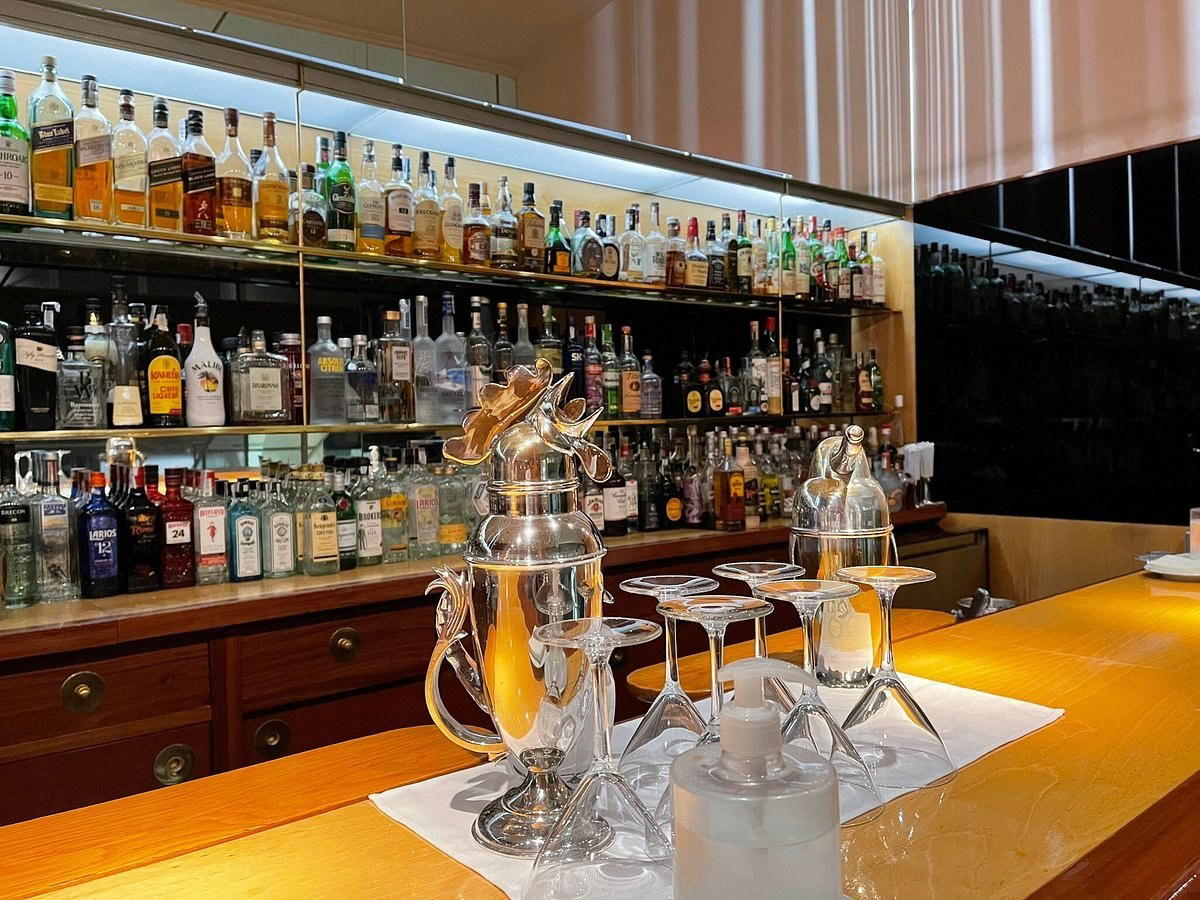
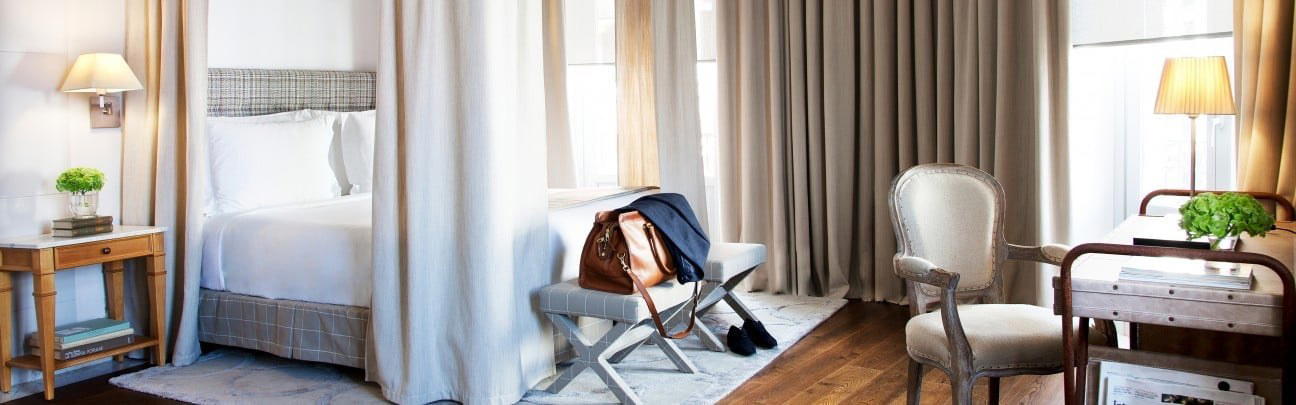
Cozy and inviting upstairs dining room with a relaxed, authentic Italian market atmosphere on the lower bar level.