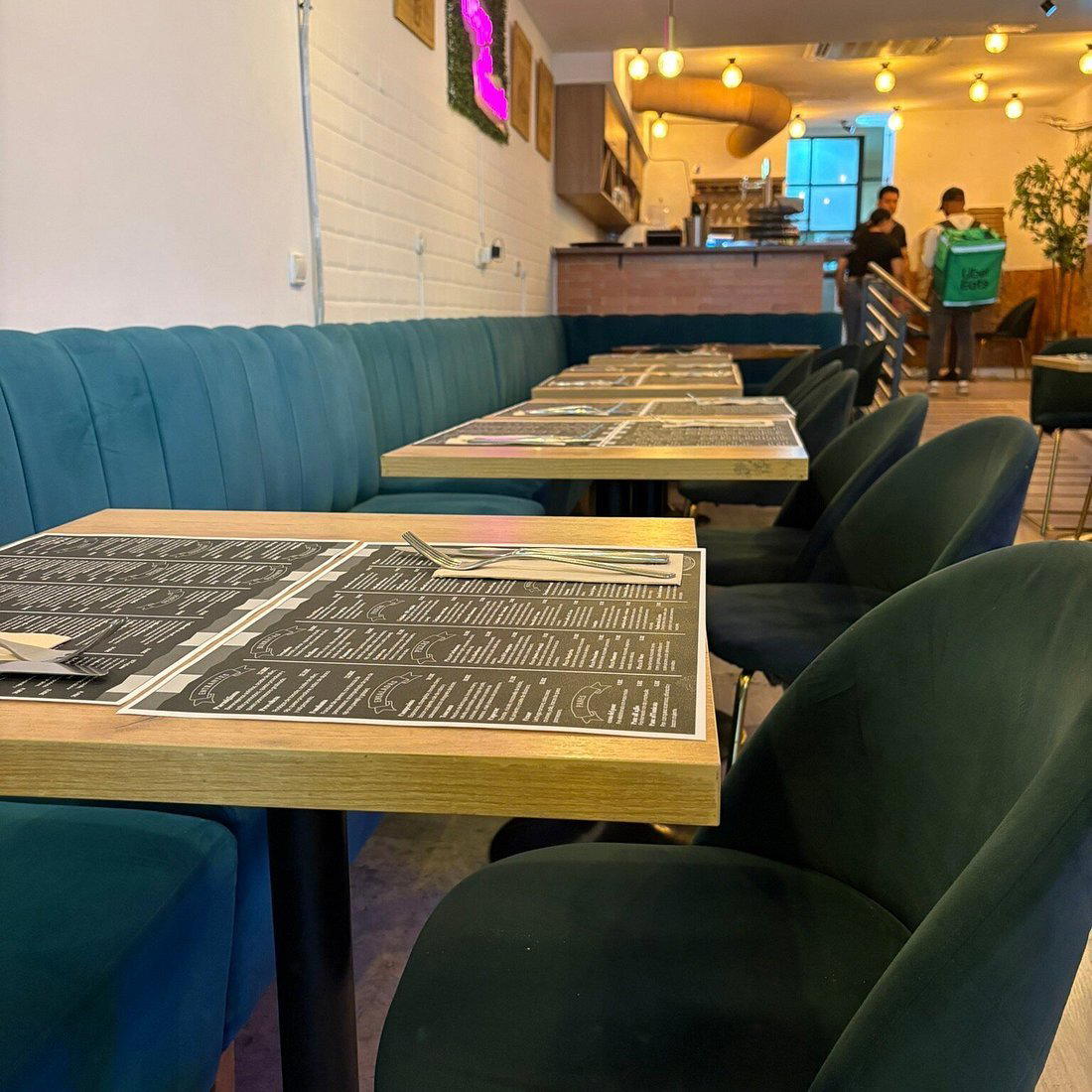
On Calle de Fuencarral in Madrid's Centro district, Bosque de piamonte occupies a stretch of the city where neighbourhood bars and destination restaurants share the same pavement. Positioned away from the Michelin-chasing pack that defines much of Madrid's fine dining conversation, it offers a quieter entry point into the capital's wine-forward dining scene, where the glass often carries as much weight as the plate.
- Address
- Calle de Fuencarral, 86, Centro, 28004 Madrid, Spain
- Phone
- +34650738852
- Website
- bosquepiamonte.es
- Directions
- Get directions
Fuencarral and the Question of Where Madrid Eats Now
Madrid's dining geography has shifted considerably over the past decade. The cluster of tasting-menu destinations that put the city on the international food map — DiverXO, Coque, Deessa, DSTAgE, and Paco Roncero — have largely concentrated in the northern and western quarters of the city, where developer money and hotel groups have made space for ambition at scale. Meanwhile, Centro and its surrounding barrios have quietly maintained a different kind of dining culture: smaller rooms, shorter menus, cellars that reward repeat visits rather than Instagram moments.
Calle de Fuencarral sits at the intersection of these two worlds. The street runs north from Gran Vía through Chueca, threading past vintage shops, mid-century apartment blocks, and the kind of neighbourhood cafés that have outlasted every trend by simply being useful. Bosque de piamonte, at number 86, belongs to this fabric rather than to the destination-dining circuit, which, depending on what you are looking for, is either its defining quality or a reason to look elsewhere.
The Wine Lens: How a Cellar Frames a Room
Across Spain's serious restaurant scene, the relationship between wine program and food concept has become a meaningful signal of a venue's ambitions and identity. At the tier occupied by El Celler de Can Roca in Girona, the cellar is a document of decades of acquisition, a historical archive as much as a working list. At Atrio in Cáceres, the wine collection is itself the attraction, drawing visitors who would otherwise have no reason to travel to Extremadura. These are extreme cases, but they illustrate a principle: at a certain level of seriousness, the bottle on the table is not an afterthought to the plate. It is an argument.
Bosque de piamonte's name gestures toward a specific geography, the forests and foothills of Piedmont in northwestern Italy, a wine region defined by Nebbiolo, Barbera, and Dolcetto, where the relationship between wine and table food is assumed rather than performed. Whether the cellar here engages directly with that Italian reference or uses it more loosely as a mood, the framing invites a wine-first conversation from the moment you read the signage. In the broader context of Madrid dining, where Rioja and Ribera del Duero dominate by default, a program with Piemontese leanings represents a deliberate departure from the path of least resistance.
For the diner who structures a meal around the bottle rather than the plate, this kind of curatorial positioning matters. Spain has developed its own generation of sommeliers who have moved beyond the national canon, to Burgundy, to the Rhône, to the Alto Adige and Piedmont, and brought those references back into Madrid rooms. The result is a segment of the city's wine-focused dining where a list built on Italian structure, acidity, and aging potential can sit alongside Spanish produce without contradiction.
Centro as a Dining District: Context and Character
The Centro district does not attract the kind of international food media attention that San Sebastián generates almost automatically, or that the Michelin-heavy northern suburbs of Madrid produce. What it offers instead is density and access. For visitors staying around Malasaña, Chueca, or Gran Vía, the area around Fuencarral is walkable in a way that most of Madrid's destination restaurants are not. You do not need a taxi after dinner. You can walk back through Chueca's lit-up streets, stop at a bar for a copa, and arrive at your hotel without having choreographed the evening around transport logistics.
This matters more than it might seem. Spain's broader restaurant culture, illustrated by the geography of its most celebrated rooms, from Quique Dacosta in Dénia to Mugaritz in Errenteria and Azurmendi in Larrabetzu, often requires commitment to location as part of the ritual. A meal at Martin Berasategui in Lasarte-Oria or Aponiente in El Puerto de Santa María is a pilgrimage with its own logistical grammar. Centro venues that offer genuine quality without the planning overhead occupy a different and underserved niche.
The neighbourhood around Fuencarral 86 also benefits from proximity to one of Madrid's more interesting bar cultures. Chueca has historically been the city's most socially open barrio, with a bar scene that runs later and louder than most, and a restaurant density that gives even mid-week evenings a weekend quality. Bosque de piamonte sits in that ambient energy without being absorbed by it.
Placing Bosque de Piamonte in the Madrid Wine Conversation
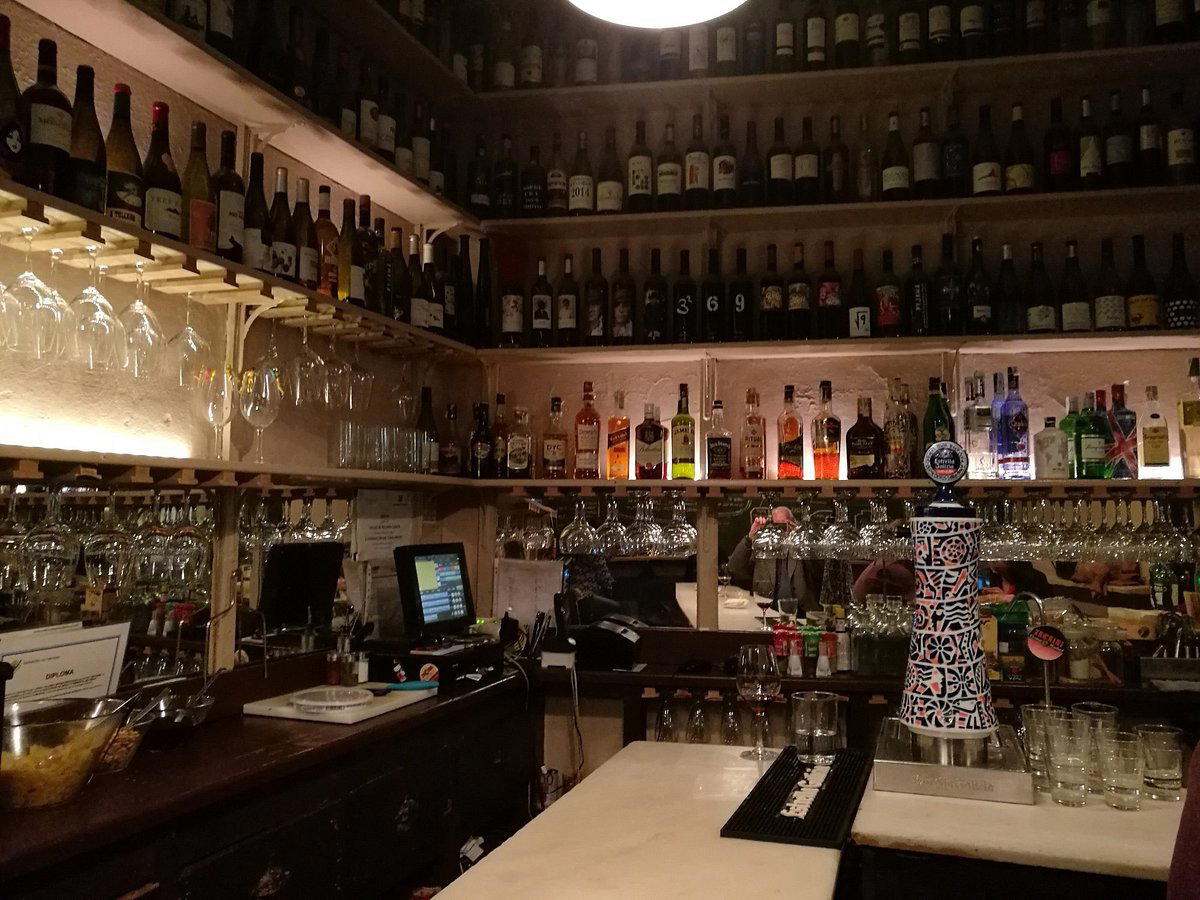
Madrid's wine-forward dining is not a single category. It ranges from temple-level cellars at the city's most awarded addresses to neighbourhood bars with unexpectedly well-chosen lists compiled by owners who happen to know a good importer. Bosque de piamonte, given its name, its address, and its positioning on Fuencarral, appears to occupy the middle of that range: serious enough about wine to signal it through its identity, approachable enough in format to function as a regular rather than a special-occasion destination.
For comparison, Cocina Hermanos Torres in Barcelona demonstrates how a wine program can be woven into a broader creative food narrative without either element dominating the other. In New York, Le Bernardin has long used its cellar to reinforce a sense of technical precision that runs through every department. At Lazy Bear in San Francisco, the wine program participates in the communal format rather than standing apart from it. The common thread across all three is intentionality: the list exists in dialogue with the kitchen, not as a separate revenue stream. That standard is the relevant one to hold any wine-focused address against, in Madrid as much as anywhere else. And in Ricard Camarena in València, the wine program reflects a regional rootedness, a reminder that Spanish rooms do not need to look to Italy or France to build depth. Bosque de piamonte's apparent Piedmont orientation is therefore a choice with consequences, aesthetic and commercial, that a serious visitor will want to verify on arrival.
For a fuller picture of how this venue fits into Madrid's restaurant scene, see our full Madrid restaurants guide.
Know Before You Go
Address: Calle de Fuencarral, 86, Centro, 28004 Madrid, Spain
Neighbourhood: Centro / Chueca border, walkable from Gran Vía and Malasaña
Booking: Details unavailable; walk-in viability will depend on day and time
Hours: Not published, confirm before visiting
Wine focus: Name references Piedmont; expect a list with Italian influence alongside the Spanish baseline
Compact Comparison
| Venue | Cuisine | Price |
|---|---|---|
| Bosque de piamonteThis venue — the venue you are viewing | Not listed | Not listed |
| DiverXO | Progressive - Asian, Creative | €€€€ |
| Coque | Spanish, Creative | €€€€ |
| Deessa | Modern Spanish, Creative | €€€€ |
| Paco Roncero | Creative | €€€€ |
| Smoked Room | Progressive Asador, Contemporary | €€€€ |
Continue exploring
More in Madrid
Restaurants in Madrid
Browse all →
Bars in Madrid
Browse all →
Hotels in Madrid
Browse all →

At a Glance
- Cozy
- Lively
- Classic
- Group Dining
- Family
- Casual Hangout
- After Work
- Open Kitchen
- Standalone
Warm and inviting Italian atmosphere with a casual, welcoming environment that appeals to both families and groups.
Know Before You Go
- Getting there
- Calle de Fuencarral, 86, Centro, 28004 Madrid, Spain