

A corner address on Wulumuqi Road that takes its cues from the market-hall tradition of coastal Spain, Mercado 505 builds its menu around imported live seafood, carabinero shrimp, scampi, baby eel, oysters, handled with a directness that aligns it with the Basque philosophy of letting product lead. Black Pearl 1 Diamond (2025) and Michelin Plate (2024) recognition place it among Jing'An's more seriously considered European tables.
Pearl is the En Primeur Club membership app — saves, bookings, and concierge access live there. Same editors, same standards.
- Address
- 505 Wulumuqi Rd (N), 505, Jing'An, China, 200031
- Phone
- +86 21 6248 8505
- Directions
- Get directions
 Saves & bookings on Pearl
Where the Basque Market Hall Meets the Wulumuqi Corner
In the Basque Country, the market is not a supply chain stop, it is the restaurant's first kitchen. The txoko tradition, the pincho bar loaded with anchovy and prawn, and the obsessive sourcing culture that underpins San Sebastián's restaurant scene all start at the fish stall. Mercado 505 on the north end of Wulumuqi Road frames itself through exactly that reference: the blue and white nautical signage, the name borrowed from the Spanish market-hall model, and a product list, live oysters, carabinero shrimp, scampi, baby eel, that reads like a Getaria harbour order rather than a Shanghai import sheet.
Jing'An has become the address of choice for European concepts serious about product rather than theatre. The neighbourhood's residential density and relative quiet compared to the Former French Concession's busier dining strip have attracted restaurants that rely on repeat local clientele rather than tourist walk-ins. Within that cluster, Spanish cooking occupies a specific niche: it skews toward seafood-led formats because the cuisine's Mediterranean and Atlantic identity doesn't translate convincingly without good fish, and because the Basque avant-garde tradition, the school that runs from the molecular experiments of the 1990s through to the current generation of technique-driven but produce-first kitchens, has made precision with raw material its defining quality signal.
The Seafood Logic at the Centre of the Menu
The Basque innovation model is often misread as a story about technique. It is more accurately a story about ingredient accountability: the chef cannot hide behind a sauce if the prawn is mediocre, because the whole system of the cuisine is built on the prawn being the point. Mercado 505 applies that logic to a Shanghai setting. Carabinero shrimp, the deep-red species from the Atlantic coast of Spain and Portugal, with a flavour intensity that other shrimp varieties don't match, appear alongside scampi, live oysters, and baby eel (angulas or their equivalents), a combination that signals a sourcing commitment rather than a vague Spanish theme.
The kitchen's preparation approach, described as handling these ingredients in multiple ways, aligns with the pintxo and tapas tradition where a single product might appear grilled, in a sauce, raw, or briefly cured across the same sitting. That multiplicity of treatment around a small number of high-quality ingredients is architecturally Basque: it concentrates skill on a narrow product range rather than spreading effort across a broad menu. For a Shanghai dining room operating at the ¥¥¥ price tier, comparable to The Commune Social and Xin Rong Ji (West Nanjing Road), that focus is a commercially sensible position: it allows the kitchen to justify imported-seafood pricing without competing on the sheer breadth that a larger European destination restaurant might offer.
The Signature Stew and the Pre-Order Discipline
Spanish seafood stew described as the signature dish, loaded with umami and requiring advance booking, operates within a well-established format in Basque and broader Iberian cooking. Marmitako, the Basque tuna stew, and the Galician caldeirada both require time, time to build the broth, time to layer flavours, time that a à la carte kitchen service can't absorb without pre-commitment from the diner. The pre-order requirement at Mercado 505 is therefore not a quirk; it is the appropriate operational response to a dish that cannot be properly made in the window between ordering and serving in a normal service flow.
That discipline is itself a signal about the kitchen's orientation. Restaurants that protect their most complex preparations with pre-order requirements are prioritising the dish's integrity over table-turn convenience. At the ¥¥¥ tier in Shanghai's Spanish niche, that position is relatively uncommon. For comparison, the Spanish segment of Shanghai's European restaurant scene broadly divides between tapas-format operations with short, quick-fire preparations and more ambitious formats, Mercado 505 sits closer to the latter.
Format, Space, and the Alfresco Option
The market-hall reference in the name carries a format implication as well as a mood. Spanish mercados typically offer both ambient energy and the possibility of retreat, you can eat at a counter in the flow of the room or pull back to a quieter corner. The restaurant accommodates that spectrum: alfresco dining on the Wulumuqi Road corner when conditions allow, and a private room option for groups who want separation from the main floor. On a Jing'An residential street with plane trees and relatively low traffic density, the outdoor option in spring and early summer is a viable choice rather than a token gesture. The nautical blue and white exterior makes the corner legible from a distance in a neighbourhood where many restaurants operate behind recessed facades.
Shanghai's Spanish dining scene does not have the volume of its Japanese or Cantonese sectors, the city has fewer than a handful of Spanish restaurants carrying recognised awards, which means each one operates with a distinct positioning requirement. The restaurant's market-hall and seafood identity separates it from formats that lead with wine, charcuterie, or a Catalan-influenced tasting menu. For readers tracking Spanish cooking across Asia, ZURRIOLA in Tokyo and Arco by Paco Pérez in Gdańsk represent two other coordinates for Basque-influenced cooking outside Spain.
Recognition and Peer Position
The Black Pearl 1 Diamond designation (2025) places the restaurant among Shanghai's recognized Spanish seafood restaurants. Within Jing'An's European restaurant set, this positions it alongside operations that are taken seriously by the city's food press and repeat-dining locals rather than primarily by occasion diners. For comparison, Taian Table and Fu He Hui occupy higher formal tiers in Shanghai's awards structure, while 102 House operates in the Cantonese segment at a comparable recognition level. Across the broader China dining network, other awarded tables worth cross-referencing include Ru Yuan in Hangzhou, Chef Tam's Seasons in Macau, and Imperial Treasure Fine Chinese Cuisine in Guangzhou.
Know Before You Go
- Address: 505 Wulumuqi Road (N), Jing'An, Shanghai 200031
- Cuisine: Spanish, seafood-led
- Price tier: ¥¥¥
- Awards: Black Pearl 1 Diamond (2025); Michelin Plate (2024)
- Signature dish: Spanish seafood stew, requires pre-order at time of reservation
- Seating options: Main floor; alfresco (weather permitting); private room for groups
- Booking note: Reserve the seafood stew in advance; walk-in availability for the main menu is not confirmed and advance reservation is advisable given the format
What Do Regulars Order at Mercado 505?
The carabinero shrimp and live oysters draw greater attention as anchor dishes, the carabinero in particular, because the species is difficult to source well in China and the kitchen's handling of it across multiple preparations gives regulars a reason to return and compare. The Spanish seafood stew, given its pre-order requirement, functions more as an occasion dish: the kind of thing a regular books specifically when bringing guests who want a set-piece moment rather than something ordered spontaneously. Baby eel, when in season and available, sits in the high-attention category because of both price and rarity, it is the sort of ingredient that, in Spain, anchors entire meals. For those building a table order from scratch, the seafood-led sections rather than any meat or vegetable components are where the kitchen's core competence and supply chain investment are concentrated, consistent with the Basque market-hall logic that defines the restaurant's identity. Award anchors, Black Pearl 1 Diamond (2025), Michelin Plate (2024), confirm that the seafood-first approach has been independently validated rather than self-assigned.
City Peers
Comparable venues nearby, for context on price, style, and recognition.
| Venue | Cuisine | Price | Notes |
|---|---|---|---|
| Mercado 505This venue — the venue you are viewing | Upmarket Spanish Seafood & Meats | $$$ | Not listed |
| The Commune Social | Modern Spanish Tapas | $$$ | Jing'an |
| The Yidao (East Beijing Road) | Modern Huaiyang Tea-Paired Chinese | $$$ | Hongkou |
| Anteroom | Spanish Tapas & Natural Wine Bar | $$ | Jing An Si |
| Hang Yuen Hin | Authentic Cantonese Dim Sum | $$$ | Xujiahui |
| Villa Le Bec - Bistro 321 | Classic French Bistro | $$$ | Xujiahui |
Recognition history
Dated appearances from independent guides and award organizations, with the underlying list record or original source where available.
Black Pearl 1 Diamond
Black Pearl
Michelin Plate
Michelin
Black Pearl 1 Diamond
Black Pearl
Michelin Plate
Michelin
Michelin Plate
Michelin



At a Glance
- Lively
- Trendy
- Modern
- Group Dining
- Casual Hangout
- Brunch
- Terrace
- Open Kitchen
- Private Dining
- Extensive Wine List
- Street Scene
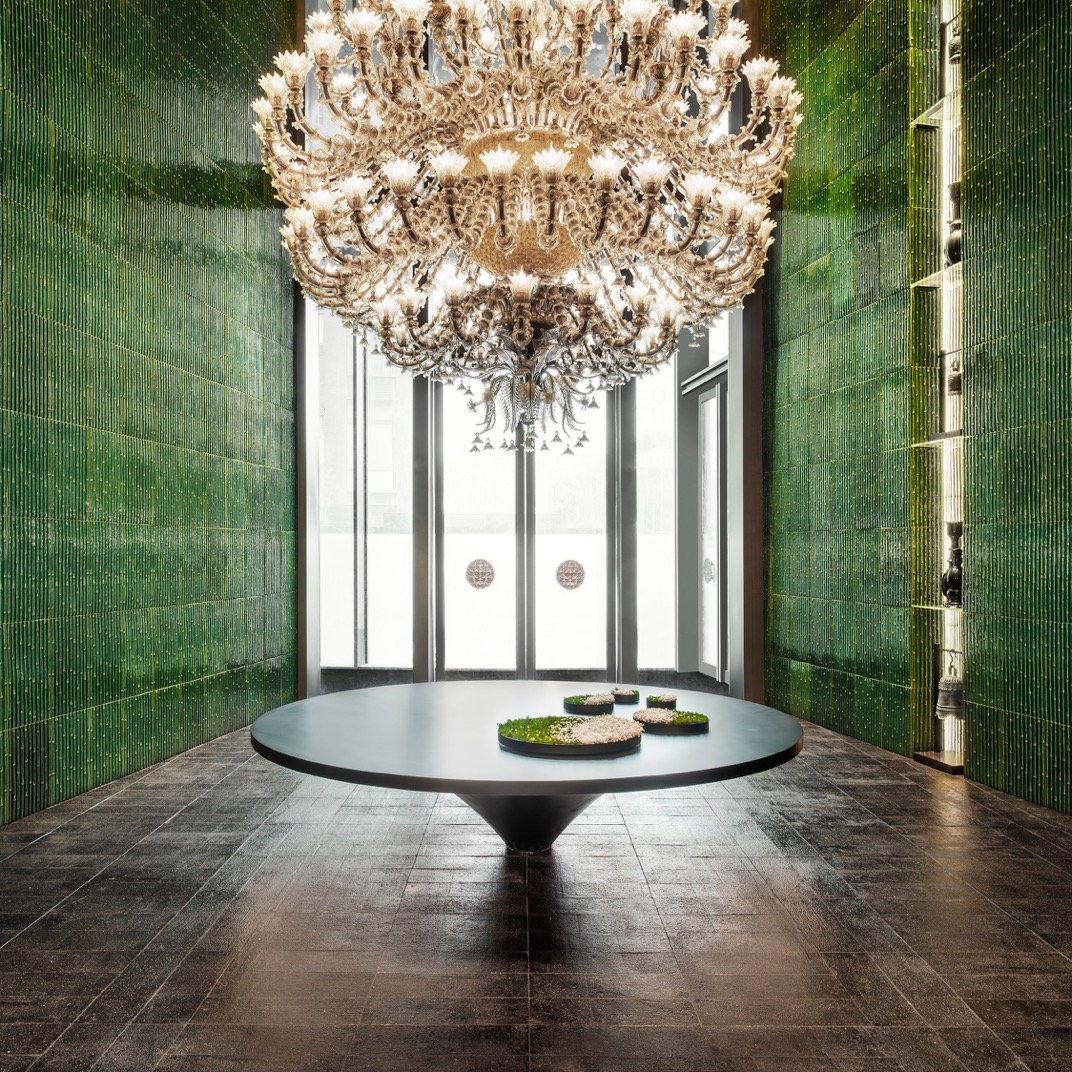
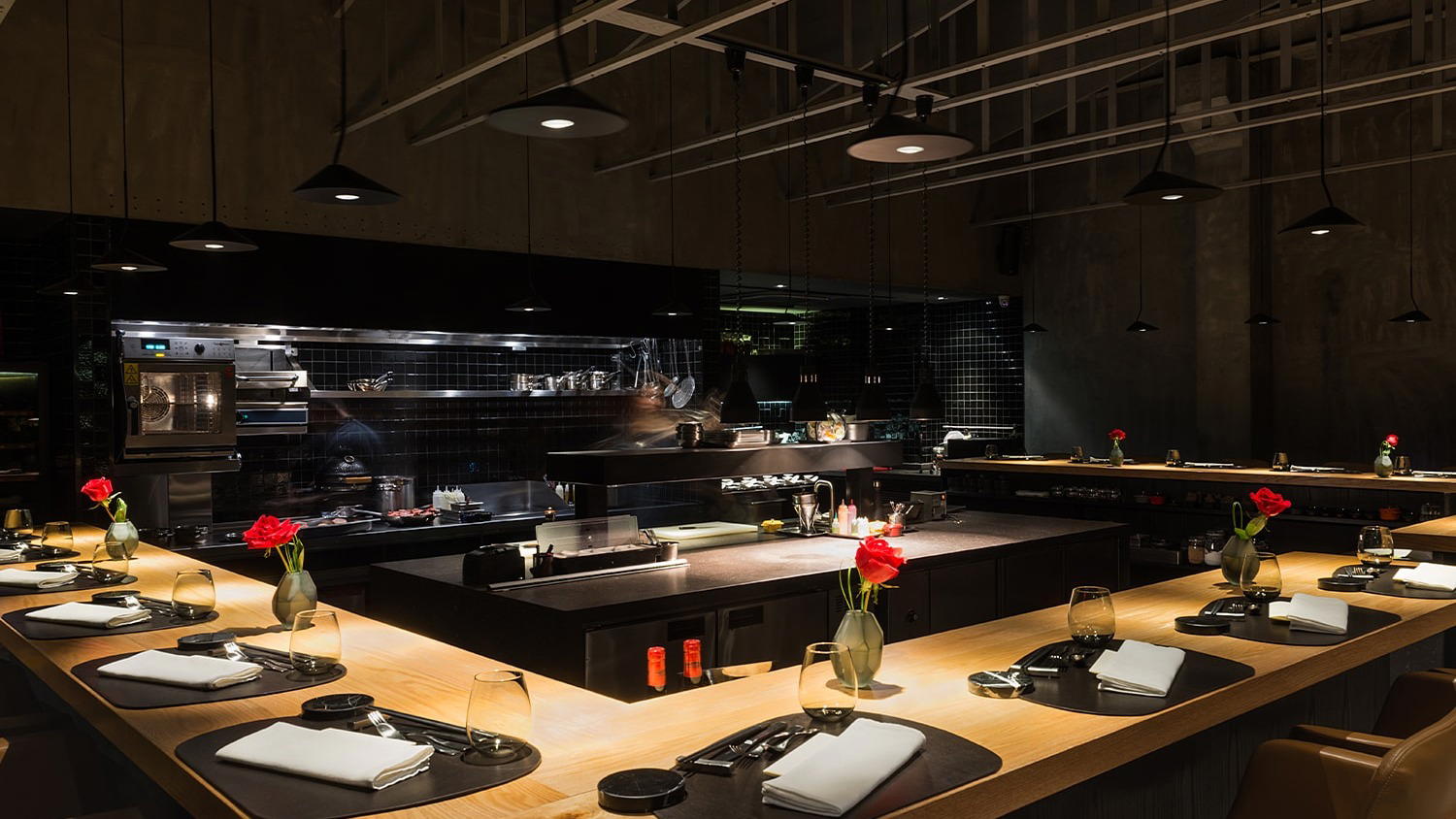
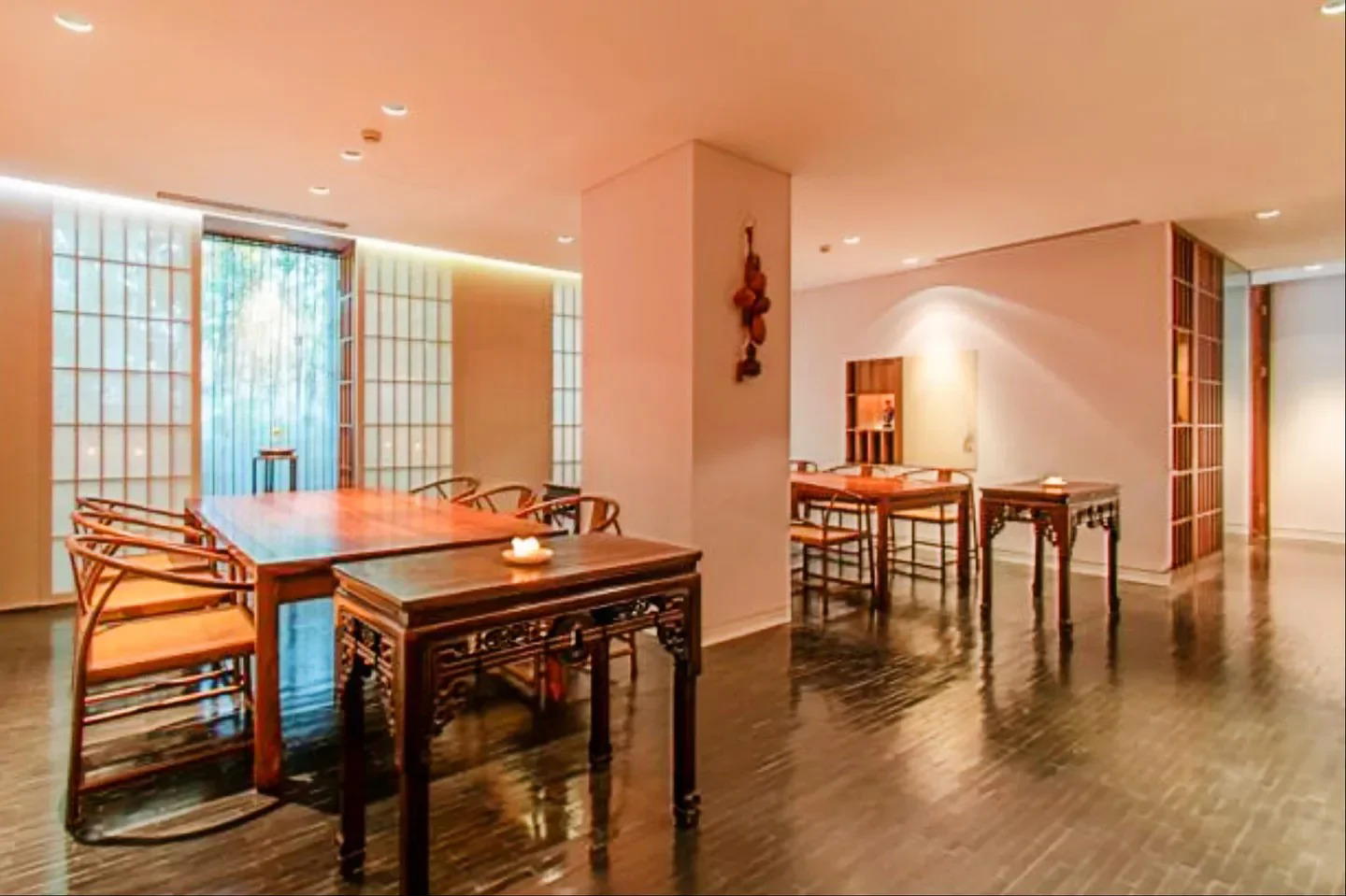
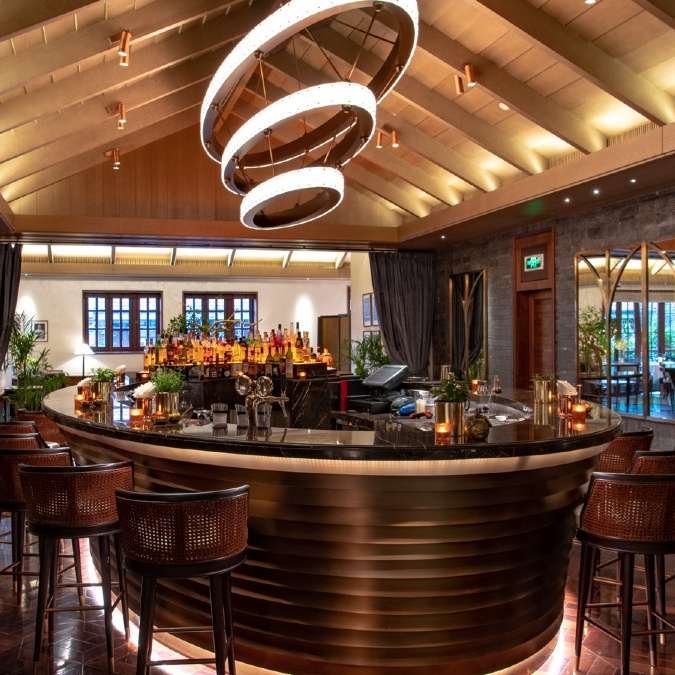
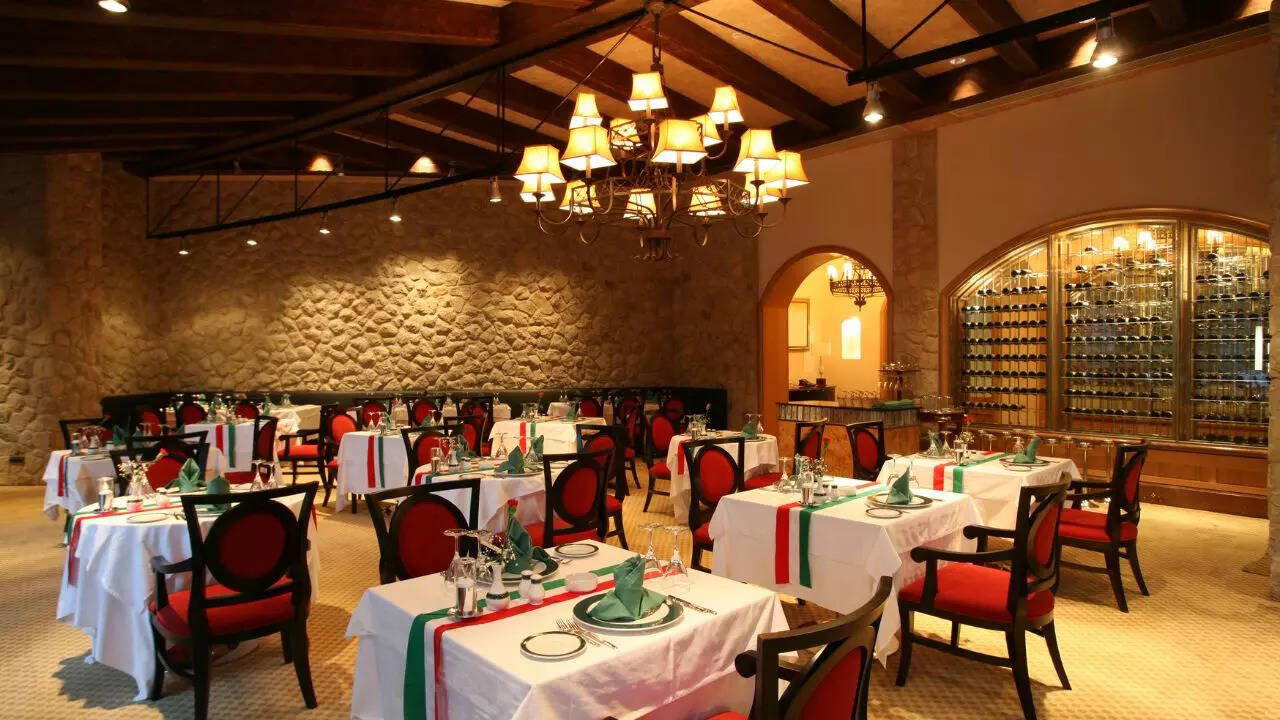
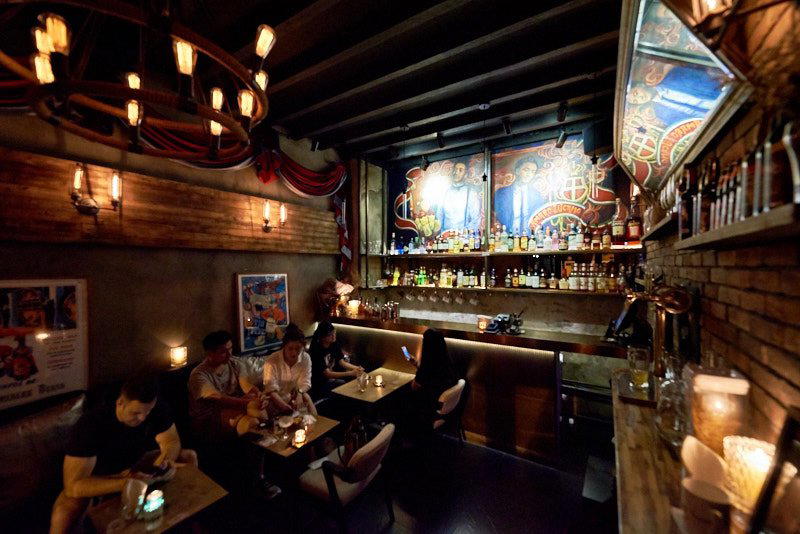
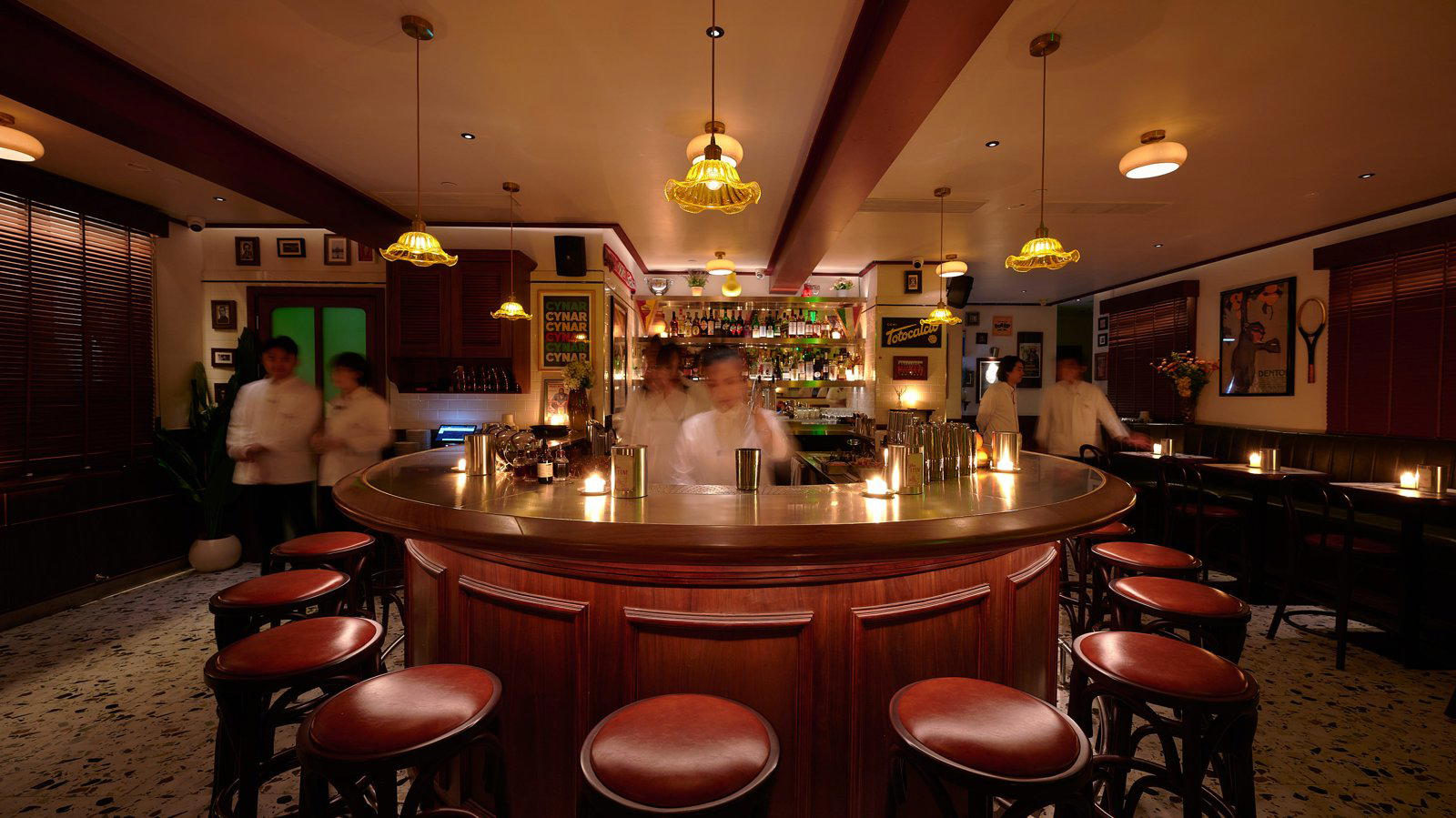
Busy market vibe with nautical blue-and-white theme, spacious terrace, soft lighting, and elegant yet casual atmosphere drawing Spanish expats and diners.