
On Changle Road in Jing'An, Anteroom operates as a small bar oriented around independent producers, organic and natural wine, and terroir-driven selection. It draws a crowd that treats wine as a conversation rather than a status signal, pairing pours with snacks in an unhurried format that sits outside Shanghai's high-decibel nightlife circuit. For anyone tracking the city's natural wine scene, it is a reference point worth knowing.
Pearl is the En Primeur Club membership app — saves, bookings, and concierge access live there. Same editors, same standards.
- Address
- China, Shang Hai Shi, Jing'An, Changle Rd, 104号, 1222 邮政编码: 200031
- Phone
- +86 21 5858 6689
- Directions
- Get directions
 Saves & bookings on Pearl
Where the Bottle Matters More Than the Label
Anteroom is a Spanish tapas and natural wine bar in Jing'An, Shanghai, with a price point around US$35 per person. The city now runs two parallel tracks: high-production cocktail venues competing on spectacle and multi-floor entertainment complexes drawing volume, and a quieter tier of specialist spaces where the conversation is about what's in the glass and where it came from. Anteroom, on Changle Road in Jing'An, belongs firmly to the second category. It is a small drinking room with a specific point of view: independent wineries, organic and natural wine, and a selection shaped by terroir rather than brand recognition.
That positioning is not accidental. The city’s natural wine scene has grown in step with that shift, and Anteroom sits within it as a focused, specialist room. Anteroom sits inside that shift as one of the places where the conversation happens in real time, between the people behind the bar and the guests across it.
The Ritual of Drinking Slowly
The format at Anteroom rewards a particular kind of patience. The structure of the experience, small space, food available alongside wine, a list built around producers with stories, invites the kind of pacing that defines how natural wine culture operates at its leading in cities like Paris, Copenhagen, and Tokyo. You drink something, you ask about it, you order something else on the basis of that conversation. The snacks are there to slow you down rather than fill you up, keeping the palate engaged across multiple pours.
That ritual dynamic is worth understanding before you arrive. Anteroom functions more like a dedicated wine bar in the European tradition than like a conventional Shanghai bar. The small footprint gives each visit a direct, close-up feel. In a city where bar square footage often correlates directly with ambition, operating small is itself an editorial statement.
Terroir as the Organising Principle
The natural wine category has developed a clear internal hierarchy. At one end are bars that stock a handful of orange wines as a trend signal with no particular depth of knowledge behind them. At the other are places where the list reflects genuine producer relationships, seasonal rotation, and the willingness to stock bottles that require explanation. Anteroom positions itself at the latter end, with a focus on independent wineries that rarely appear in mainstream restaurant wine programs.
The terroir emphasis matters here because it changes what you are actually drinking toward. Rather than navigating a list by grape or region in the conventional sense, the logic at a place like Anteroom runs through the producer: who made it, how the land was farmed, what intervention (or absence of it) shaped the result. For guests unfamiliar with natural wine's internal vocabulary, that framing requires a bit of adjustment. For those already comfortable with it, the list functions as a curated argument about where the category is going. Shanghai's wine scene more broadly has reached a level of sophistication where conversations like this can happen, which places Anteroom in good company alongside a wider ecosystem that includes venues across Jing'An and the former French Concession.
Changle Road and the Jing'An Context
Address on Changle Road puts Anteroom in a part of Jing'An that has developed a genuine character for this kind of venue. The street and its immediate surroundings have attracted small independent bars and specialty food operations over the past several years, making it a natural location for a wine bar that depends on a repeat, knowledgeable clientele rather than walk-in volume. Compared to the higher-traffic bar corridors around Yongkang Road or the Xintiandi adjacency, Changle Road rewards visitors who are looking rather than stumbling in.
For anyone building an itinerary around Shanghai's drinking scene, Anteroom fits into an evening that might start with dinner at a venue like Fu He Hui or Taian Table and transition into something slower and more focused. The wine bars that do this category well in Shanghai are not built for late nights that escalate; they are built for mid-evening conversations that deepen. Anteroom is that kind of place. For a full picture of where to eat and drink around it, our Shanghai restaurants guide maps the broader scene, and our Shanghai bars guide covers the category in more depth.
How It Sits in Shanghai's Drinking Tier
Shanghai’s bar scene is well documented, but its natural wine segment gets less attention than cocktail programs. The city's cocktail bar circuit, anchored by venues with formal recognition from programmes like Asia's 50 Best Bars, gets the majority of coverage. Natural wine bars like Anteroom operate in a less visible but equally serious register, drawing guests who are specifically seeking the format rather than arriving by general recommendation.
That distinction matters for visitors expecting the polish and production value of Shanghai’s leading cocktail venues. Anteroom's value proposition runs through knowledge and selection, not through design spectacle or service theatrics. Those are different things, and they appeal to different visitors. If your interest in drinking in Shanghai includes the broader range of what the city is producing and importing at the serious end of wine, our Shanghai wineries guide provides relevant context on the production side.
Other venues worth knowing in Shanghai for a comparable level of category seriousness include 102 House, Xin Rong Ji (West Nanjing Road), and 8 1/2 Otto e Mezzo Bombana, each operating in different categories but sharing the same orientation toward depth over volume. For travel beyond Shanghai, Ru Yuan in Hangzhou and Xin Rong Ji in Beijing represent the same commitment to serious, considered drinking and dining in adjacent cities.
Planning Your Visit
Anteroom is a small venue, and small venues in Shanghai fill quickly on weekends. Arriving mid-week or early in an evening session gives you a stronger chance of finding space and the unhurried bar dynamic that makes the format work. The snack component means you do not need to have eaten heavily beforehand; arriving with appetite intact is the better approach.
Style and Standing
Comparable venues nearby, for context on price, style, and recognition.
| Venue | Cuisine | Price | Notes |
|---|---|---|---|
| AnteroomThis venue — the venue you are viewing | Spanish Tapas & Natural Wine Bar | $$ | Not listed |
| Nanxiang | Traditional Shanghai Xiaolongbao | $$ | Ni Cheng Qiao |
| Old Jesse Restaurant | Authentic Shanghainese Home-Style | $$ | Xuhui |
| Di Shui Dong | Authentic Hunan Cuisine | $$ | Da Pu Qiao |
| Spicy Moment | Authentic Hunan Cuisine | $$ | Da Pu Qiao |
| Xi Kang Lu | Northeastern Chinese Dumplings | $$ | Jing'an |
Recognition history
Dated appearances from independent guides and award organizations, with the underlying list record or original source where available.
Star Wine List
Star Wine List
At a Glance
- Romantic
- Cozy
- Intimate
- Trendy
- Bohemian
- Date Night
- Solo
- Casual Hangout
- After Work
- Standalone
- Terrace
- Extensive Wine List
- Natural Wine
- Natural Wine
- Street Scene
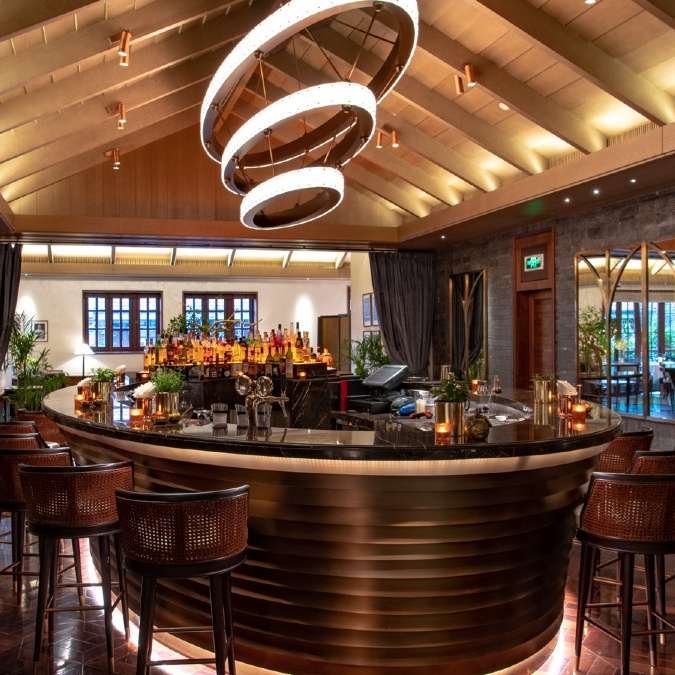
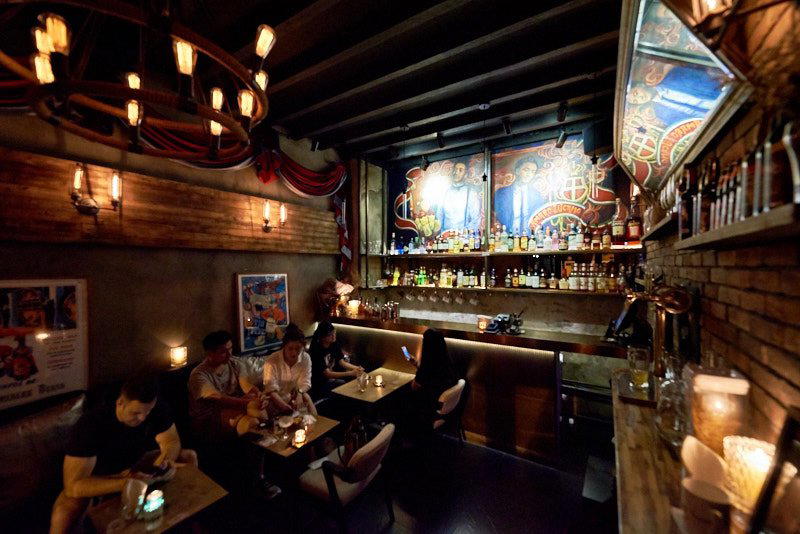
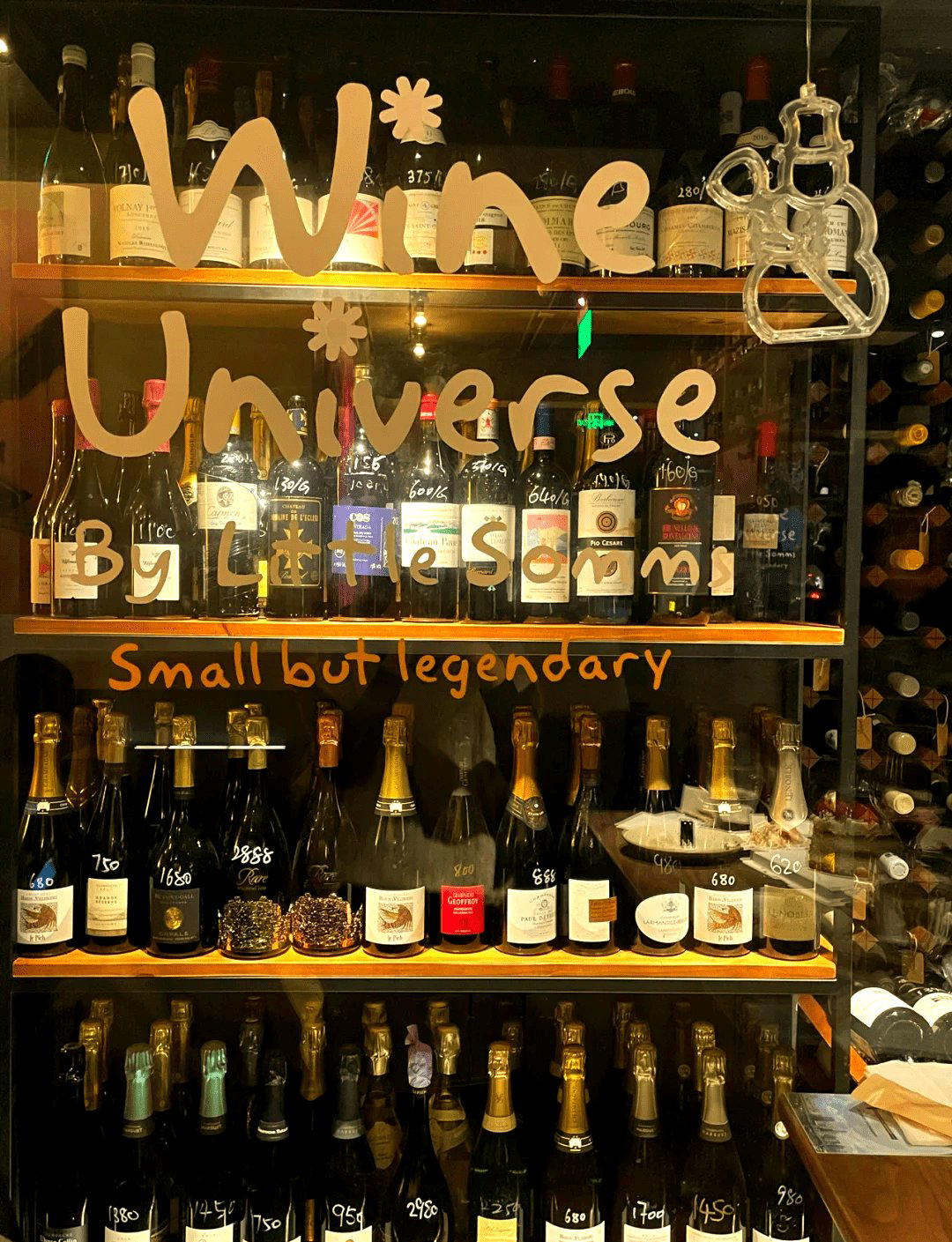
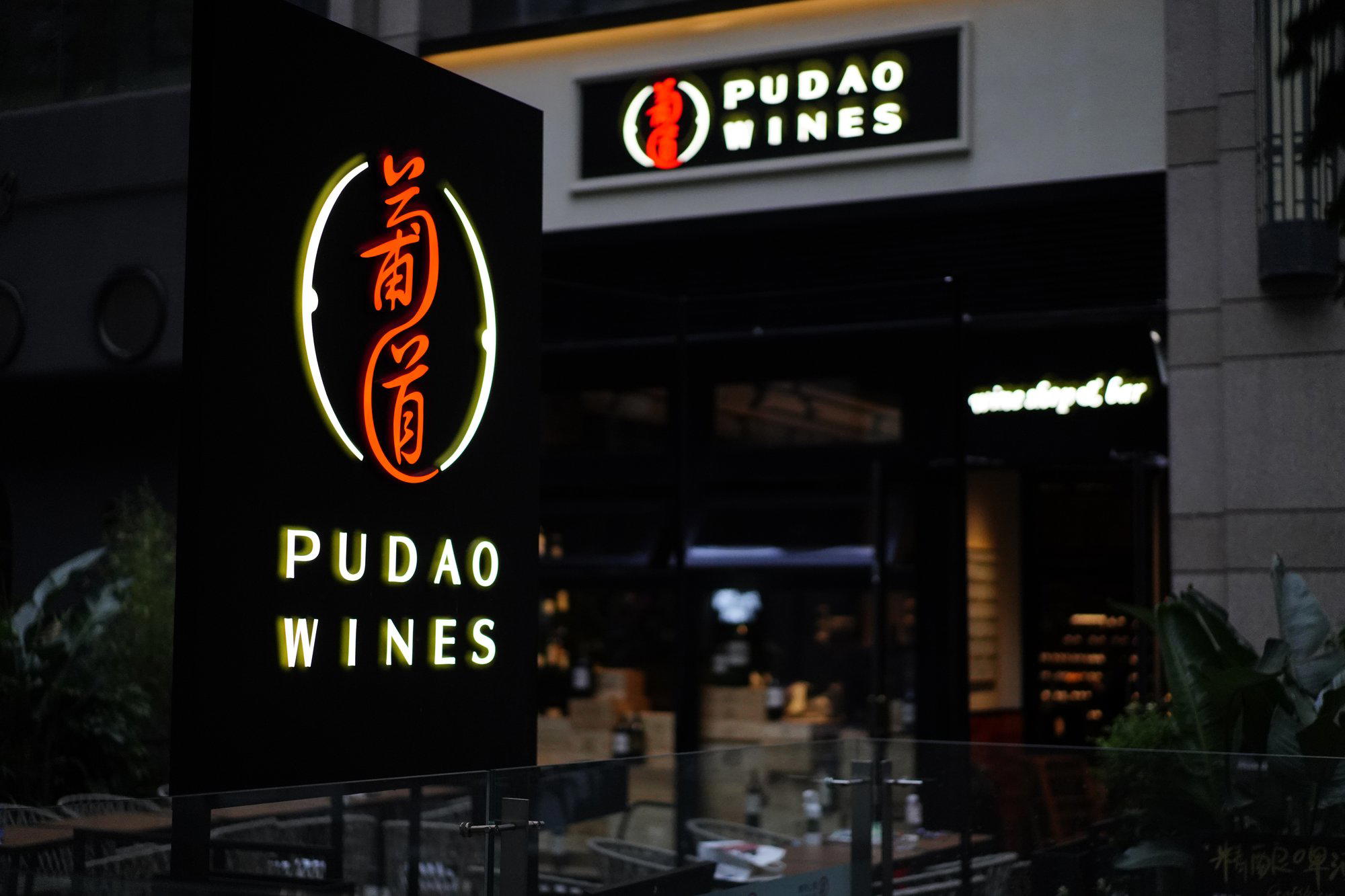
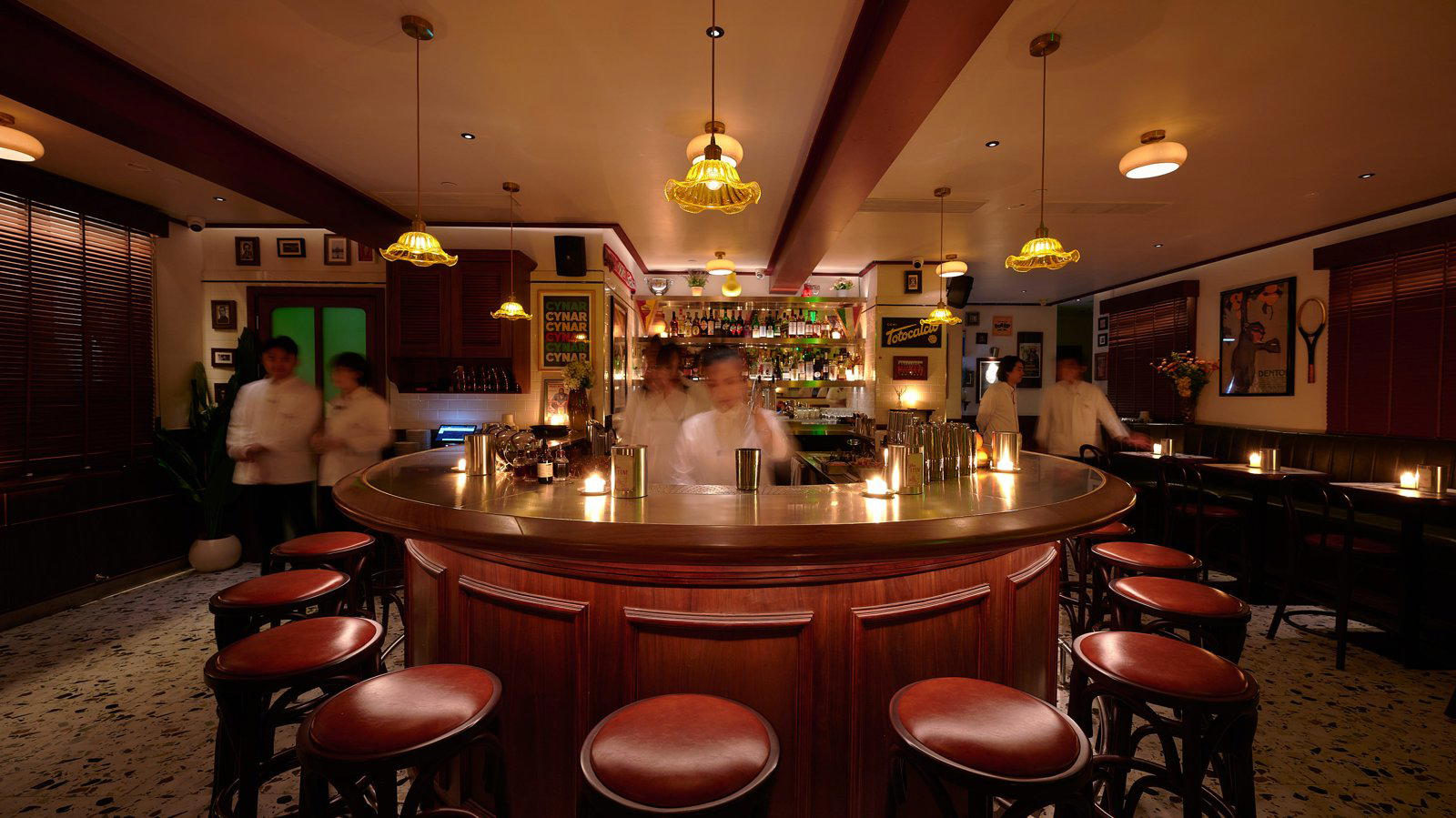
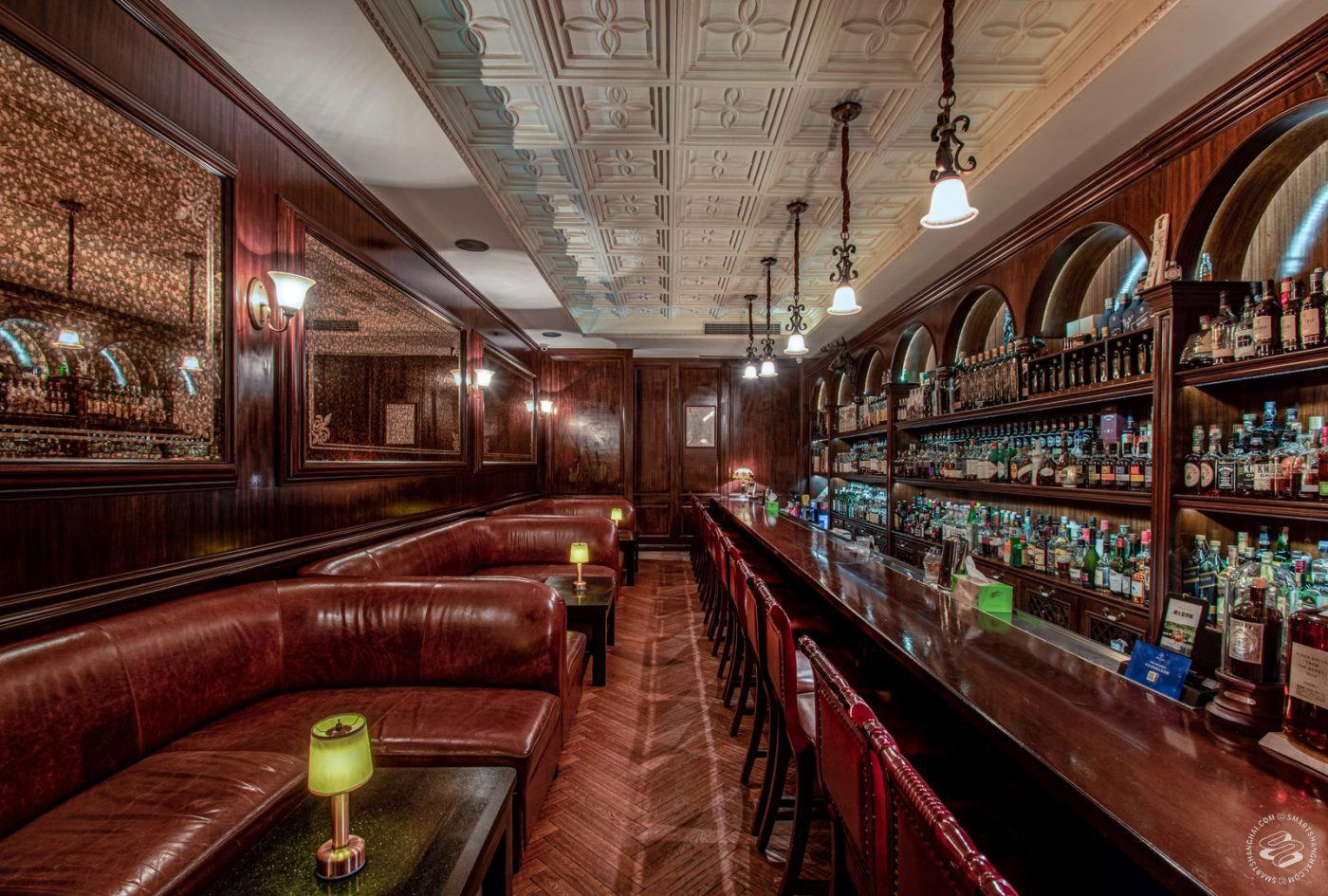
Intimate and airy with warm, ambient lighting from outdoor street seating; small interior with record player and wine-lined walls creates a bohemian, European bistro atmosphere.