
Tabelog 100 #44
Our verdict
Kyoto’s ramen culture is not confined to station corridors and late-night chains; its sharper counters often sit in ordinary residential districts. Menya Sanda in Ukyo Ward belongs to that smaller, serious bracket, with counter seating, Tabelog Ramen WEST “Tabelog 100” selections from 2019 through 2025, and a format built for focused solo eating rather than leisurely group dining.

Pearl is the En Primeur Club membership app, where members save venues, book tables and use the concierge.
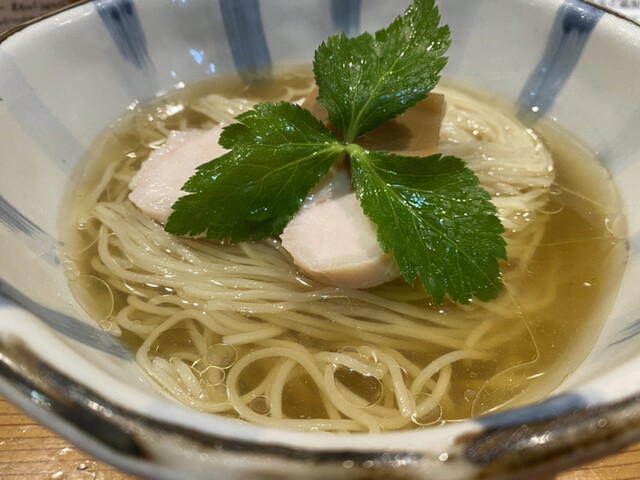
The menu
What to order
- Rich chicken paitan tsukemen
- Chicken paitan ramen
- Tantan maze soba
- Spice tantan maze soba Mao
- Curry tsukemen
- Curry ramen
The approach to Kyoto changes the expectation of Kyoto dining. This is not only the postcard city of temple-side kaiseki or riverside terraces; it is also a working city of local trains, apartment blocks, shopping streets, and quick meals fitted between errands. In that setting, ramen feels less like a detour from Kyoto tradition than a corrective to its formal image. Menya Sanda sits in this everyday Kyoto, where the meal is measured in concentration rather than ceremony.
Kyoto’s ramen scene has more than one face. One belongs to visitors moving through the most obvious routes, where accessibility matters as much as the bowl. The other belongs to shops that draw repeat diners because they treat ramen, tsukemen, abura-soba, and maze-soba as distinct formats rather than interchangeable noodle bowls. Menya Sanda is in the second camp. Its 2025 inclusion in Tabelog’s Hyakumeiten recognition gives it a public signal that matters in Japan’s ramen world: category attention measured against a regional field rather than a tourist-only audience.
Kyoto gives the counter its context
Kyoto is useful territory for understanding why this kind of ramen works. Not every restaurant in the city needs to perform Kyoto-ness for the camera. Some places reward speed, precision, and regularity. A focused ramen format suits that rhythm: diners arrive with a clear purpose, the meal has a direct pace, and the room’s narrow culinary focus keeps attention on noodles, broth, tare, oil, and texture. In a city where high-end meals often stretch into multi-hour rituals, this is the opposite form of discipline.
The category range matters. Ramen, tsukemen, abura-soba, and maze-soba each place a different demand on balance. Soup ramen depends on integration in the bowl; tsukemen separates noodle and dipping broth, exposing texture more plainly; abura-soba and maze-soba remove soup as the dominant frame and lean on seasoning, fat, and mixing. A shop listed across those formats is participating in a broader ramen language, where specialization does not always mean a single item but a controlled set of closely related styles.
That makes Menya Sanda a useful stop for travellers who already understand Kyoto’s polished dining image and want the city at street level. It is not a substitute for formal Kyoto cuisine, and it should not be judged by the same codes. The comparison is better made against small noodle shops across Japan, where the signs of seriousness are focus, repeat attention, and a price tier that keeps the meal democratic even when the reputation is strong.
A small-format ramen shop in a city of formal dining
Kyoto can make dining feel hierarchical: tea rooms, kappo counters, tempura bars, sushi counters, and kaiseki rooms each come with their own etiquette. Ramen breaks that hierarchy without becoming casual in the lazy sense. The discipline is simply different. In a focused ramen setting, there is little need for theatrical service or lingering. The format creates a social contract: order decisively, eat while the noodles are at their intended texture, and make space for the next diner.
That contract is especially relevant in a city where visitors often over-plan meals around awards and reservations. Menya Sanda’s recognition belongs to a different planning logic. Tabelog’s Hyakumeiten lists are not luxury rankings; they are category-specific signals that a place has earned sustained attention within a crowded Japanese dining field. For ramen, that distinction carries weight because the genre is dense, price-sensitive, and intensely comparative. A score of 3.70 on Tabelog, paired with 2025 Hyakumeiten recognition, places the shop in a serious conversation without turning it into a luxury occasion.
There is also a useful contrast with Kyoto’s broader dining spread. A visitor might treat other Kyoto dining rooms as part of the central-city restaurant map, while casual noodle shops and traditional sweets shops show other forms of everyday and inherited eating. Menya Sanda adds the ramen shop to that itinerary, a category that often teaches more about daily Kyoto than another polished dining room.
How to think about the meal
The smart way to approach this kind of shop is to choose by format, not by prestige. Soup ramen is the integrated test. Tsukemen shifts the emphasis to noodle texture and concentration in the dipping base. Abura-soba and maze-soba move toward sauce, oil, and mixing, rewarding diners who prefer a less broth-led bowl. Without relying on a named signature item, that framework gives the meal structure and prevents the common visitor mistake of treating all ramen menus as a single decision.
The practical reading is equally clear. The venue is built around ramen, tsukemen, abura-soba, and maze-soba rather than a long, roaming menu. Those details are not inconveniences so much as markers of the genre. A ramen meal in Kyoto is often designed for directness: arrive with a plan, wait if needed, eat with pace, and let the format do its work.
For a wider Kyoto plan, place this stop against the city rather than around it. Pair ramen with a day that does not require formal dining clothes or a long reservation window, then use other Kyoto dining for restaurants where service length and setting matter more. For broader planning, see Our full Kyoto restaurants guide, with parallel city guides for Kyoto hotels, Kyoto bars, Kyoto wineries, and Kyoto experiences. Readers building a wider Japan dining map can also compare casual formats beyond Kyoto through unnamed noodle counters, everyday grills, cafe stops, and specialist shops, each belonging to a different but related conversation about format, speed, and specificity.
Frequently asked questions
Does Menya Sanda work for a family meal?
It can, if the group is comfortable with a focused ramen format. Menya Sanda in Kyoto lists pricing at Dinner: JPY 1,000 - JPY 1,999; Lunch: JPY 1,000 - JPY 1,999, which suits a low-key family lunch or dinner more than a drawn-out table meal.
What's the overall feel of Menya Sanda?
The feel is direct and practical, centred on ramen, tsukemen, abura-soba, and maze-soba. Menya Sanda in Kyoto is backed by Tabelog Hyakumeiten recognition for 2025 and a Tabelog score of 3.70.
What should I budget for a meal at Menya Sanda?
Pricing at Menya Sanda is listed as JPY 1,000 - JPY 1,999 JPY 1,000 - JPY 1,999.
What are the operating hours at Menya Sanda?
Specific operating hours are not provided here; confirm current hours directly with Menya Sanda before visiting.
Just the Basics
Comparable venues for orientation by cuisine and category.
| Venue | Cuisine | Price | Awards | Notes |
|---|---|---|---|---|
| Menya SandaThis venue (the venue you are viewing) | Kyoto chicken paitan ramen & tsukemen | $10–20 | Tabelog 100 #44 | Not listed |
| Kashi Shokunin | Japanese Cake Shop / Patisserie | Not listed | Tabelog 100 #75 | JPY 1,000 - JPY 1,999 - JPY 999 View spending breakdown |
| Ramen Tsurumusha | Kyoto-style Ramen Shop | $10–20 | Tabelog 100 #91 | JPY 999 - JPY 999 |
| caffellatte | Italian Gelato Cafe | Not listed | Tabelog 100 #31 | JPY 999 |
| Nishino | Yakitori | Not listed | Tabelog 100 #22 | JPY 15,000 - JPY 19,999 |
| Men Dokoro Toritani | Kyoto chicken ramen | $10–20 | Tabelog 100 #31 | JPY 999 - JPY 999 |
Recognition history
Dated appearances from independent guides and award organizations, with the underlying list record or original source where available.
Tabelog 100 #44 · No. 44
Tabelog · Tabelog 100 - Ramen - WEST - 2025
Continue exploring
More in Kyoto
Restaurants in Kyoto
All restaurants in Kyoto →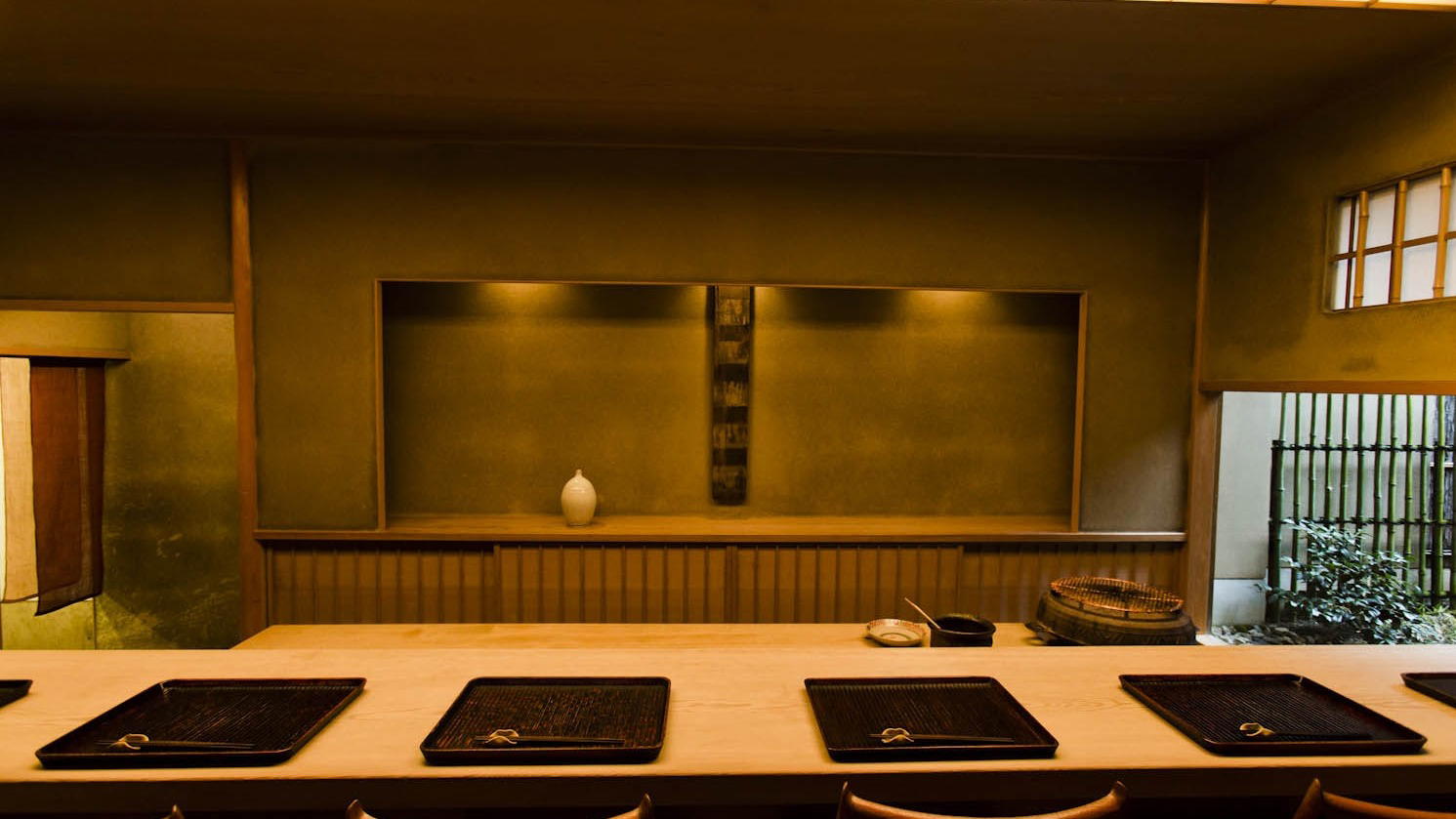
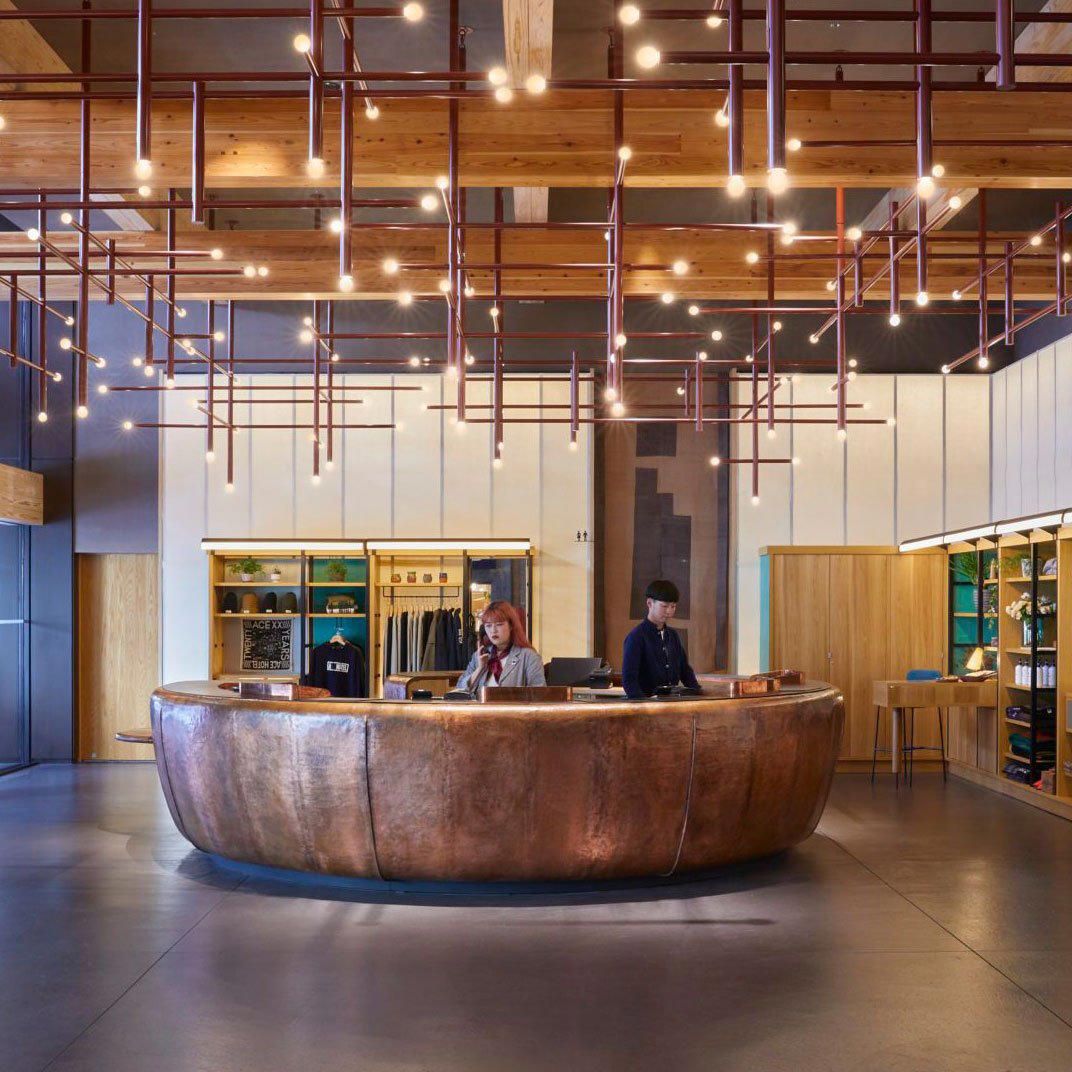
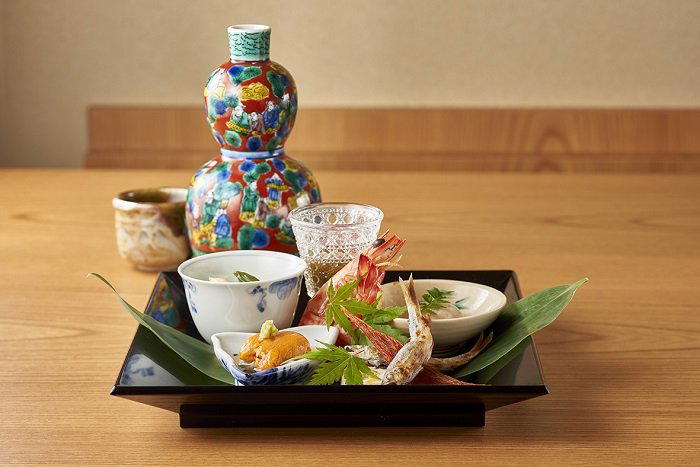
Bars in Kyoto
All bars in Kyoto →
Hotels in Kyoto
All hotels in Kyoto →
Wineries in Kyoto
Browse all →
Details
- Lively
- Cozy
- Trendy
- Solo
- Casual Hangout
- After Work
- Standalone
- Local Sourcing
- A La Carte
- Counter Dining
Current opening hours
- Monday
- 11 AM–3 PM, 6–9:30 PM
- Tuesday
- 11 AM–3 PM, 6–9:30 PM
- Wednesday
- 11 AM–3 PM, 6–9:30 PM
- Thursday
- 11 AM–3 PM, 6–9:30 PM
- Friday
- 11 AM–3 PM, 6–9:30 PM
- Saturday
- 11 AM–3 PM, 6–9:30 PM
- Sunday
- 11 AM–3 PM, 6–9:30 PM
Hours can change for holidays and private events. Hours as of .
Small, counter‑style neighborhood ramen shop with an informal, bustling feel and focus on the steaming bowls and open preparation rather than decor.