
Menya Kuromatsu brings Anjo’s ramen conversation into the Aichi prefectural tier, with a 2025 Tabelog 100 Ramen AICHI selection and a compact counter format that keeps the meal focused. The appeal is less about ceremony than discipline: a suburban ramen room where sourcing, broth work, and speed matter more than spectacle.
Pearl is the En Primeur Club membership app — saves, bookings, and concierge access live there. Same editors, same standards.
- Address
- Shimokegachi-39-7 Yokoyamacho, Anjo, Aichi 446-0045, Japan
- Phone
- +81 566-95-7955
- Website
- instagram.com
- Directions
- Get directions
 Saves & bookings on Pearl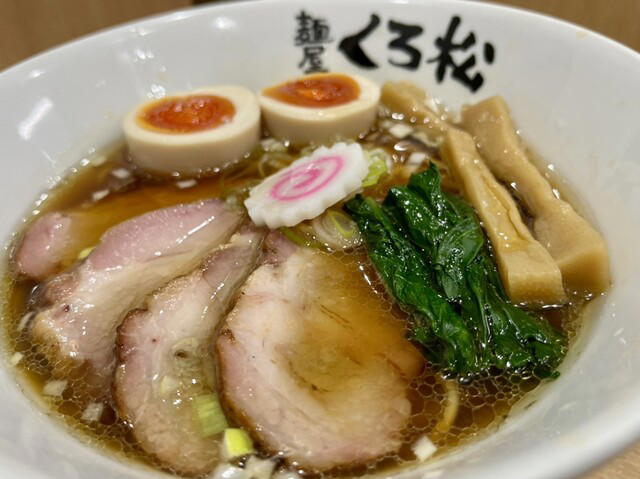
Approaching a small ramen counter in suburban Aichi is a different proposition from entering a destination dining room in Nagoya or Tokyo. The room announces its priorities before the first bowl arrives: limited seats, quick turnover, and the particular quiet that settles around diners when the kitchen is doing the talking. Menya Kuromatsu belongs to that Japanese ramen category where the setting is modest, but the standard is set by repetition, ingredient control, and the judgment required to make a short meal feel complete.
Anjo is not usually framed as a dining capital in the way larger Japanese cities are, which makes its stronger food addresses more revealing. In smaller Aichi cities, serious ramen often has to win loyalty without the cushion of tourist traffic. That changes the pressure on the bowl. Broth clarity, noodle texture, seasoning balance, and the source quality of core components carry the argument. A 2025 Tabelog 100 Ramen AICHI selection places Menya Kuromatsu inside that prefectural conversation rather than merely inside a local lunch circuit.
Aichi ramen, judged by sourcing rather than spectacle
Ramen’s modern Japanese grammar is built on sourcing decisions that the diner may never see directly. Wheat selection shapes the pull of the noodle; bones, seafood, vegetables, or soy-derived seasoning determine whether the broth reads as heavy, clean, saline, sweet, or restrained; toppings can either support the bowl or drag it into excess. At this level, the craft is not a long tasting sequence. It is compression. A ramen shop has one bowl, or a narrow set of bowls, to prove that its supply chain and technique are aligned.
That is why the Tabelog Hyakumeiten format matters. The list does not turn a ramen shop into fine dining, and it should not be read that way. It signals that a small-format specialist has entered a competitive Aichi field where diners compare shops across towns and rail corridors, not only within one neighbourhood. Menya Kuromatsu’s Tabelog score of 3.61 and 2025 selection give it a measurable footing in a category that is crowded, price-sensitive, and unforgiving.
The regional comparison is useful. Out-of-metro ramen addresses such as Jikaseimen Ramen Kariya and Tsukemen Sha Ikki operate in a lower stated budget band, which points to a different value equation: quick, inexpensive bowls competing on accessibility and repeat use. The restaurant sits slightly higher, still casual, but with recognition that pushes it beyond the default ramen-stop category. Against Anjo’s more expensive meat-led dining, including Yakiniku Anman Honten, the contrast is sharper: ramen offers a shorter, more ingredient-concentrated meal, while yakiniku shifts the spending toward beef quality, table time, and group dining.
The counter format keeps the focus on the bowl
Nine counter seats create a particular kind of discipline. There is little room for theatrical hospitality, and that is the point. In serious ramen culture, the counter is not a casual design choice; it is an operating system. It shortens the distance between kitchen rhythm and diner, keeps pacing tight, and makes the bowl the central object rather than one element in a larger restaurant performance.
This format also changes how to read comfort. A compact counter can be efficient without feeling austere, and the family-friendly note matters in Anjo, where dining often serves residents as much as visitors. Children being welcome does not turn the experience into a slow family restaurant model; it simply means the format is not hostile to families who understand the pace of a ramen counter. For travellers, that distinction is useful. This is not the place to linger through multiple courses, but it is a credible way to eat well without committing an evening.
Payment and access details reinforce the local rhythm. Cash-only ramen counters remain common in Japan, especially outside major international hotel zones, and they reward diners who arrive prepared rather than assuming urban convenience. Parking availability also fits the suburban Aichi context, where restaurant choice is often car-led rather than built around a dense station district. Those details do not add glamour, but they do explain how the place functions within its city.
How to place it in an Anjo itinerary
For a food-focused stop in Anjo, the restaurant works as a precise lunch or early-evening anchor rather than a long destination meal. The smarter read is to treat it as evidence of Aichi’s depth outside Nagoya: a ramen specialist with prefectural recognition, a narrow format, and a price point that keeps the meal grounded. Travellers building a wider dining plan can pair that with the broader city view in Our full Anjo restaurants guide, then decide whether the day calls for noodles, yakiniku, or a more leisurely reservation.
The surrounding planning layer matters because Anjo rewards practical sequencing. For overnight context, see Our full Anjo hotels guide; for drinking after dinner, Our full Anjo bars guide; for regional bottles and producer-led stops, Our full Anjo wineries guide; and for cultural or food-adjacent scheduling, Our full Anjo experiences guide. Those guides help frame the ramen counter as one part of a compact city itinerary rather than a detached address.
Japan’s dining map is increasingly granular, and useful comparisons often come from outside the immediate category. A beef specialist in Nara such as #肉といえば松田 奈良本店 in Kashihara, a sukiyaki address like -Grilled beef Sukiyaki- KAMAKURA TANUKIAN 鎌倉 たぬき庵 in Kamakura, or a casual counter such as .cafe in Osaka each shows a different price-to-format relationship. The same applies to city-specific specialists:. 鮪と炭火焼き うお炭 秋葉原店 in Tokyo.know in Kumamoto, (Shoku) Vietnam in Kawasaki, [Curry Senmon Ten] Maruyama Kyoju. in Sapporo, [ki:] in Kyoto, 1/3 HAMBURGER FACTORY in Kanazawa, and 1000 in Yokohama. Across the Pacific, Jōdo Saké Bar in Los Angeles and Onigiri Time in Pasadena show how Japanese formats travel, but Anjo’s appeal is more local: a compact ramen counter measured by Aichi standards, not by export nostalgia.
A Quick Peer Check
Comparable venues by cuisine and price in the same metro.
| Venue | Cuisine | Price | Notes |
|---|---|---|---|
| Menya Kuromatsu | Traditional Japanese ramen (shoyu-focused) | $ | Not listed |
| Yakiniku Anman Honten | Modern Yakiniku & Roast Beef | $$$ | Mikawa Anjo |
| ひろめで安兵衛 | High Kochi Yatai Gyoza | $ | 帯屋町 |
| Koja Sobaya | Authentic Miyako Soba | $ | Hirara |
| Urashima Ramen | Wakayama Ramen | $ | Uchita |
| Kakuozan Kichi Imo Honten | Japanese sweet potato confectionery shop | $ | Chikusa |
Recognition history
Dated appearances from independent guides and award organizations, with the underlying list record or original source where available.
Tabelog 100 #52 · No. 52
Tabelog · Tabelog 100 - Ramen - AICHI - 2025


At a Glance
- Cozy
- Modern
- Intimate
- Solo
- Casual Hangout
- After Work
- Family
- Chefs Counter
- Standalone
Current opening hours
- Monday
- Closed
- Tuesday
- Closed
- Wednesday
- 11 AM–2 PM, 6–9 PM
- Thursday
- 11 AM–2 PM, 6–9 PM
- Friday
- 11 AM–2 PM, 6–9 PM
- Saturday
- 11 AM–2 PM, 6–9 PM
- Sunday
- 11 AM–2 PM, 6–9 PM
Hours can change for holidays and private events. Last verified .
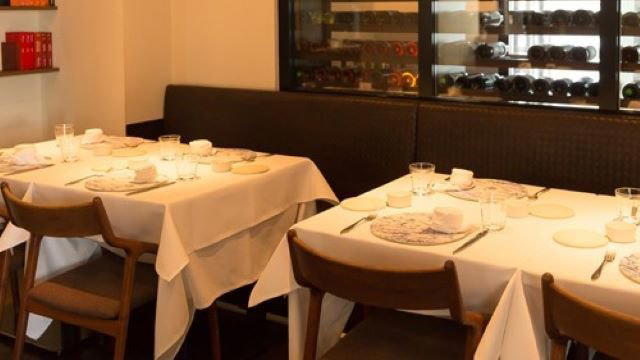
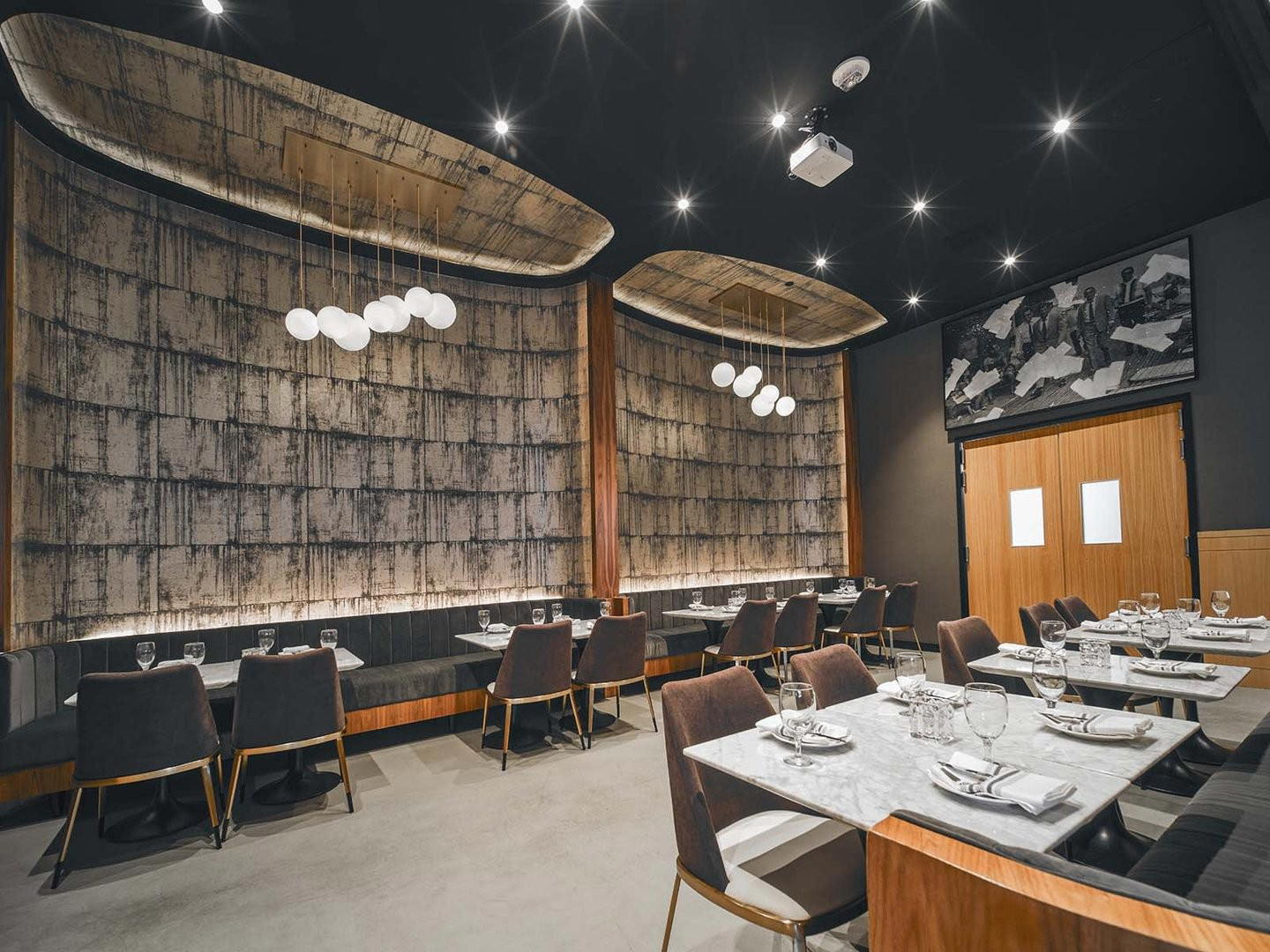
The interior is clean and minimalist with a counter-only layout, bright but comfortable lighting, and an intimate, focused atmosphere centered on enjoying ramen rather than lingering; guest comments emphasize how tidy and orderly it feels despite a steady flow of customers.