
Yakiniku Anman Honten gives Anjo a serious small-room yakiniku address rather than a casual grill stop. Its Tabelog 100 Yakiniku EAST 2025 selection, 20-seat format, counter-and-table layout, and focus on yakiniku and tripe place it in a tighter, more ingredient-conscious category than the city’s quick noodle and everyday dining options.
Pearl is the En Primeur Club membership app — saves, bookings, and concierge access live there. Same editors, same standards.
- Address
- 1 Chome-4-5 Mikawaanjocho, Anjo, Aichi 446-0056, Japan
- Phone
- +81 566-91-1882
- Website
- yakiniku-anman.com
- Directions
- Get directions
 Saves & bookings on Pearl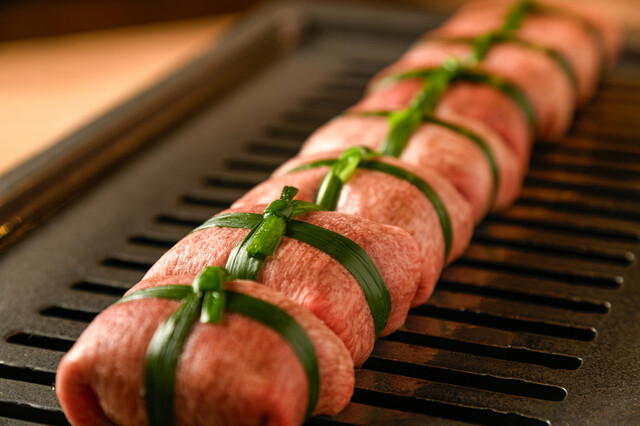
Approaching a house-style yakiniku room in Mikawa-Anjo, the first cue is scale: not a sprawling suburban grill hall built for volume, but a compact local dining room where counter seats and tables keep cooking close, and the meal depends on cuts, timing, smoke control, and small-kitchen discipline. In Aichi, that matters: yakiniku may be a casual family format, a celebratory beef counter, or a sourcing-led restaurant where offal and secondary cuts matter as much as marbled beef.
Yakiniku Anman Honten belongs to that last conversation. Its Tabelog 100 Yakiniku EAST 2025 selection gives it a public marker in eastern Japan’s yakiniku field, but the stronger reading is structural: a 20-seat room, listed categories of yakiniku and tripe, sake, shochu, and wine, and a format small enough to reward diners who care more about cut selection than menu breadth. For travelers using our full Anjo restaurants guide, this is the city’s serious grilled-beef address, not just a convenient dinner near the station area.
Small-room yakiniku, with tripe in the foreground
Japanese yakiniku is often misunderstood abroad as one genre: sliced beef, tabletop heat, dipping sauce. In practice, it splits by sourcing and butchery. Casual chains prize consistency and speed; ambitious rooms turn the meal into inventory study: tongue, leaner red-meat cuts, fat-rich beef, and horumon each need different handling. The listed tripe category is a signal, because offal-led yakiniku depends less on luxury shorthand than on cleaning, texture, freshness, and grill timing.
That makes the Anjo context interesting. The city is not Nagoya, Kyoto, or Tokyo, where high-price counters can turn scarcity into theatre. Anjo’s dining map is practical and local, with noodle shops, family restaurants, and regional specialists doing much of the work. Menya Kuromatsu, for example, sits in a leaner ramen price band, showing how much of the local scene is built around everyday repeatability. Yakiniku Anman Honten works differently: still accessible by Japanese premium-yakiniku standards, but shaped around diners paying attention to beef and offal rather than simply filling a table.
The sourcing angle is not only named cattle; it is what a restaurant foregrounds. Listing tripe alongside Japanese barbecue says value sits beyond sirloin and rib cuts. In serious yakiniku culture, pleasure comes from moving between fat, chew, char, and clean bitterness; offal adds range to a meal that might otherwise lean too heavily on marbling. That breadth is where small rooms compete with larger venues, because buying and preparing limited quantities well can matter more than a long catalogue.
Where Anjo's dining scene shifts from quick meals to destination grilling
Anjo rewards practical eating. It is a commuter and industrial city whose dining scene leans functional before performative, so a recognized yakiniku room is more useful for visitors than another generic recommendation: it shows where local dining becomes occasion dining. Nearby categories clarify the point. Ramen specialists such as Jikaseimen Ramen Kariya and Men Tamayura Kariya ten occupy the sub-JPY 2,000 noodle lane outside the immediate metro frame, while Shichirin Yakiniku Tanoshiira sits in a lower dinner band for grilled meat. Konasu occupies a similar dinner bracket but a different category. Against that spread, Yakiniku Anman Honten reads as a compact specialist, not a broad casual option.
Tabelog’s Hyakumeiten recognition is not a Michelin star and should not be treated as one. Its value is category-specific and Japanese, especially for genres Michelin often handles unevenly outside major cities. For yakiniku, local diners judge by repeat visits, cut quality, ventilation, pacing, and whether the bill aligns with the beef and offal served. A 3.65 Tabelog score also means something different in Japan than on a casual international scale; in competitive food categories, it can indicate a serious following rather than middling reception.
The restaurant opened in 2018, placing it in a newer generation of regional specialists rather than the long-established postwar yakiniku lineage. That timing reflects a broader shift in Japan’s regional dining: cities outside major tourist corridors now have venues with national list recognition, online reservation infrastructure, multilingual listing exposure, and payment flexibility. Diners building a wider Aichi itinerary can pair this local specialist with our full Anjo hotels guide, our full Anjo bars guide, our full Anjo wineries guide, and our full Anjo experiences guide.
How to read the meal: beef, offal, and pacing over spectacle
Approach this table not by chasing a named signature dish. None needs to be invented for the restaurant to make editorial sense. The draw is the format: yakiniku and tripe in a small room, with drinks covering sake, shochu, or wine depending on the meal’s direction. That suits diners who like tactile control of grilling but want a kitchen that has already done the serious work of sourcing, trimming, and portioning.
For families, the format is practical. Yakiniku is interactive without requiring a long tasting-menu attention span, and the venue’s family-friendly details make it easier to place within an Anjo trip than many counter-led Japanese restaurants. For couples or solo diners, counter seats change the register: less group celebration, more watching heat, smoke, and timing work. Two-person reservations may be seated at the counter, not a downgrade in a room where the grill is the point.
In a broader Japan itinerary, this is not the same proposition as chasing famous addresses in Tokyo, Osaka, or Kyoto. It is regional specificity: a small Anjo beef restaurant with category recognition, useful for travelers who want Japanese dining beyond capital-city trophy hunting. That same logic runs through EP Club’s wider Japan coverage, from -Grilled beef Sukiyaki- KAMAKURA TANUKIAN 鎌倉 たぬき庵 in Kamakura to . 鮪と炭火焼き うお炭 秋葉原店 in Tokyo, .cafe in Osaka.know in Kumamoto, (Shoku) Vietnam in Kawasaki, [Curry Senmon Ten] Maruyama Kyoju. in Sapporo, [ki:] in Kyoto, #肉といえば松田 奈良本店 in Kashihara, 1/3 HAMBURGER FACTORY in Kanazawa, and 1000 in Yokohama. For readers extending the same ingredient-led lens outside Japan, Jōdo Saké Bar in Los Angeles and Onigiri Time in Pasadena show how Japanese formats translate when sourcing, portioning, and service expectations change.
The editorial case is clear: choose this restaurant when dinner’s point is focused beef, not a long evening of chef biography or room design. The award signal validates the detour, but the stronger reason is category fit. In Anjo, a compact yakiniku room with tripe in the frame gives travelers a more precise taste of regional Japanese dining than a generic premium meal could.
- Nama Tan (raw beef tongue set)
- Roast Beef (Yakiniku Anman style)
- Temari Tan (bite-sized tongue bites)
- Hanazaki Tan (thick-cut flower-cut tongue)
- Kuroge Wagyu ichibo yakiniku
- Meat platter for celebrations
Fast Comparison
Comparable venues by cuisine and price in the same metro.
| Venue | Cuisine | Price | Notes |
|---|---|---|---|
| Yakiniku Anman Honten | Modern Yakiniku & Roast Beef | $$$ | Mikawa Anjo |
| Menya Kuromatsu | Traditional Japanese ramen (shoyu-focused) | $ | Not listed |
| Yakiniku Asahi | Private-room Wagyu Yakiniku | $$$ | Higashi |
| Sen Kame | Traditional Yakitori & Izakaya | $$$ | Naka |
| Meiji no Yakata | Yoshoku (Japanese-Western Fusion) | $$$ | Nikko Fudoson Park |
| Yakiniku Hakushu Kassai | Japanese Yakiniku | $$$ | Chikusa |
Recognition history
Dated appearances from independent guides and award organizations, with the underlying list record or original source where available.
Tabelog 100 #81 · No. 81
Tabelog · Tabelog 100 - Yakiniku - EAST - 2025
At a Glance
- Cozy
- Lively
- Elegant
- Date Night
- Group Dining
- Family
- Celebration
- Special Occasion
- Casual Hangout
- Standalone
- Private Dining
- Sake Program
- Beer Program
- Local Sourcing
Current opening hours
- Monday
- 11 AM–2 PM, 5–10:30 PM
- Tuesday
- Closed
- Wednesday
- 11 AM–2 PM, 5–10:30 PM
- Thursday
- 11 AM–2 PM, 5–10:30 PM
- Friday
- 11 AM–2 PM, 5–10:30 PM
- Saturday
- 11 AM–2 PM, 4–10 PM
- Sunday
- 11 AM–2 PM, 4–10 PM
Hours can change for holidays and private events. Last verified .
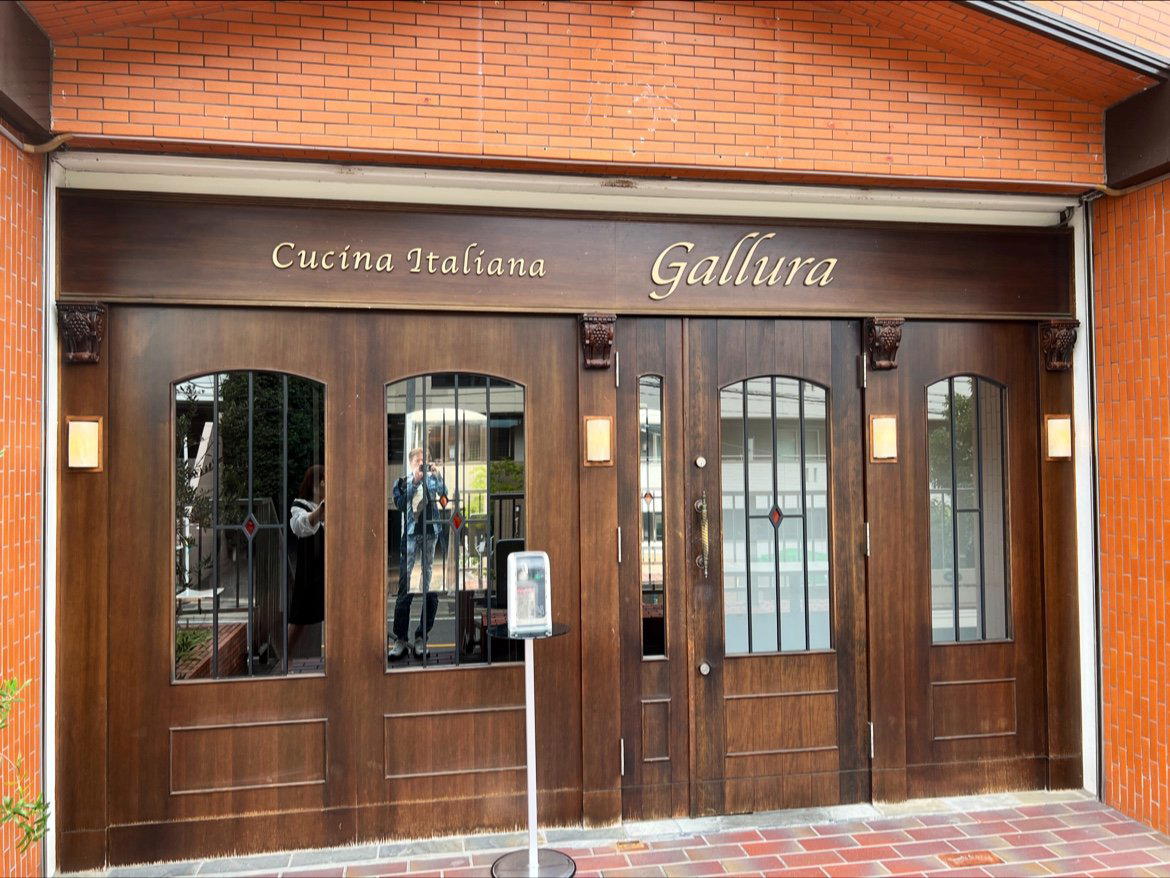
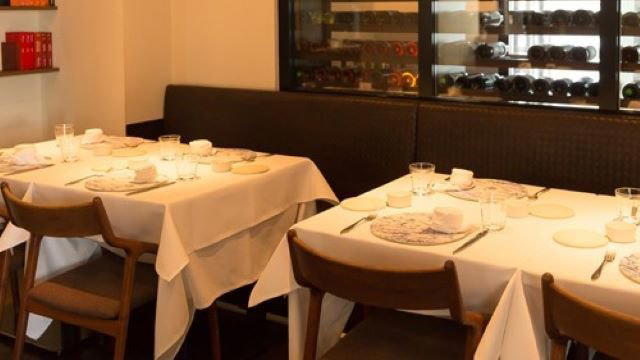
A warm, intimate yakiniku dining room near Mikawa Anjo Station with an elegant yet relaxed atmosphere, where meat is carefully grilled at the table and special dishes like roast beef are presented with a sense of ceremony.