
Tabelog 100 #27
Our verdict
A six-seat counter in Sugamo places ramen in Tokyo’s small-format, high-demand category rather than the city’s casual noodle-shop mainstream. Mensouan Sunada has appeared in Tabelog Ramen TOKYO 100 selections from 2021 through 2025, with a 2025 Tabelog score of 3.79, making it a compact but serious stop for travellers reading Tokyo through ramen rather than sushi alone.

Pearl is the En Primeur Club membership app, where members save venues, book tables and use the concierge.
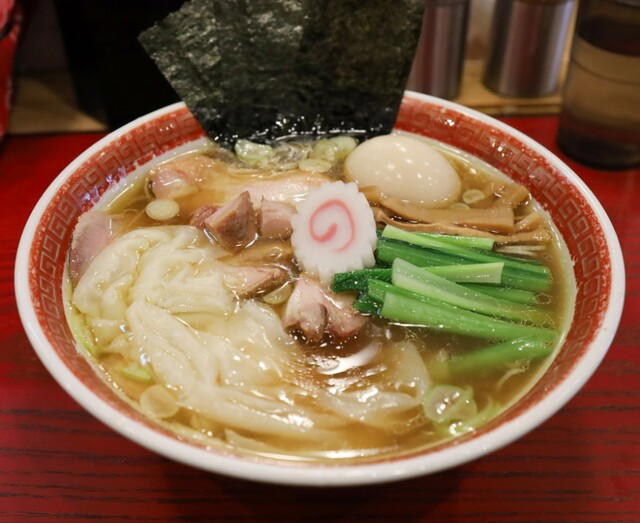
The menu
What to order
- Hand-kneaded chuka soba
- Wonton shoyu ramen
- Charcoal-roasted chashu ramen
- Breakfast ramen (asa chuka soba)
Approaching a ramen meal in Tokyo is a different rhythm from formal omakase or hotel dining rooms: fewer signals, less ceremony, and a sharper dependence on timing. The experience often feels direct, focused, and governed by the practical pace of a popular specialist venue. That scale matters. In Tokyo ramen, demand often comes not from luxury language but from everyday appeal, close comparison among diners, and the refusal to turn a simple format into a reservation-driven performance.
Mensouan Sunada belongs to that category. Its recognition in the 2025 Tabelog Hyakumeiten ramen selection places it inside a crowded but highly scrutinised field, where selection is meaningful because the category is so competitive. The 2025 Tabelog score of 3.79 is not just a number for ranking obsessives; in Tokyo ramen, it signals strong approval in a market where diners compare bowls, balance, texture, and overall experience with forensic seriousness.
Tokyo ramen rewards planning more than ceremony
Tokyo’s everyday food identity is broad, practical, and often calmer than the dining circuits that dominate travel itineraries. Around the city, comparison points such as Sugamo Tokiwa Shokudo Honten, Teuchi Soba Kikutani Sugamo honten, and Ganso Shio Daifuku Mizuno show a culture built around practical eating: set meals, soba, sweets, and local regulars rather than theatrical dining. Ramen here is less about spectacle and more about a focused meal folded into the city’s daily pace.
That context is useful because it changes expectations. A specialist ramen venue does not behave like a destination dining room with slack in the system. It behaves like a focused stop where diners benefit from arriving with a plan, eating with attention, and understanding that popularity can be a central constraint. Tokyo travellers often over-plan sushi and under-plan ramen, which is a mistake at this tier. A shop selected for Tabelog’s ramen recognition can draw interest well beyond casual local traffic, while the format leaves little room for delay or indecision.
The competitive set is also narrower than the word “ramen” suggests. Tokyo has many ramen venues, with diners weighing each shop’s style, consistency, and service rhythm against other specialists. Recognition on a ramen-focused list places a shop against peers rather than general restaurants. That distinction matters for readers building an itinerary: this is not merely a backup lunch between museum stops; it is a precise ramen appointment in a city where the reward comes from matching appetite to operating rhythm.
The value proposition sits in format, not luxury signals
Tokyo’s premium dining conversation often defaults to omakase prices, chef lineage, and international awards. Ramen works differently. The serious shops compress craft into a lower spend category, then ration access through demand, timing, and service flow. Mensouan Sunada’s appeal sits in that compression: ramen-focused recognition, a tightly defined format, and a 2025 price band of JPY 1,000 - JPY 1,999 that keeps it in the everyday-food universe rather than the special-occasion economy.
For travellers, that makes the decision sharper. The meal does not need a long narrative arc to justify itself. The signal is the concentration of interest around a focused format, reinforced by inclusion in a Tokyo-specific ramen selection. In practical terms, ramen of this kind pairs poorly with loose schedules and large groups. It works better for diners who can treat lunch or a simple meal stop as the anchor of a Tokyo excursion rather than a casual add-on.
There is also a broader Tokyo lesson here. The city’s dining hierarchy is not always aligned with price. A modest ramen venue can be more logistically demanding than a hotel restaurant, and a short meal can require more precise planning than a tasting menu. That inversion is part of why ramen remains so compelling in Tokyo: technical seriousness appears inside a fast, democratic format, but the access rules are set by demand and timing rather than concierge language.
Where it fits in a Tokyo food itinerary
A Tokyo ramen stop makes sense for travellers who have already covered the central dining circuits and want a sharper read on the city’s everyday food culture. It also offers a useful counterweight to more polished bookings. Pairing a focused ramen meal with broader city planning through Our full Tokyo restaurants guide gives the day structure; adding Our full Tokyo hotels guide or Our full Tokyo bars guide helps separate serious eating from the evening’s lodging and drinking decisions. For readers mapping a longer cultural itinerary, Our full Tokyo experiences guide and Our full Tokyo wineries guide keep the ramen stop from carrying too much of the day’s narrative weight.
Within Tokyo, contrast is the point. Other casual dining rooms may bring different late-day energy, while yakitori counters, cafés, curry shops, soba specialists, sweets shops, and set-meal restaurants all show how the city’s casual dining strength is spread across formats rather than concentrated in one district. None of these are substitutes for a focused ramen venue; they show why a tightly defined bowl can carry as much itinerary weight as a longer, more formal meal.
For Japan-wide comparison, the same pattern repeats in different forms: regional cooking, café culture, casual counters, and small specialist shops all turn narrow formats into serious destinations. Even outside Japan, the appetite for precise Japanese formats appears wherever diners seek craft in compact, repeatable forms. Mensouan Sunada is valuable because it keeps the focus tight: ramen, Tokyo pace, and the kind of planning that turns a short meal into a serious Tokyo read.
Standing Among Peers
Comparable venues to anchor price and recognition.
| Venue | Cuisine | Price | Awards | Notes |
|---|---|---|---|---|
| Mensouan SunadaThis venue (the venue you are viewing) | Hand-kneaded chuka soba ramen | $10–20 | Tabelog 100 #27 | Not listed |
| China Soba Osada | Ramen & Tantanmen | $10–20 | Tabelog 100 #66 | Itabashi |
| Tokyo Rakkyo Brothers | Hokkaido-style soup curry & Japanese curry | $10–20 | Tabelog 100 #36 | Shinjuku |
| Tonpei | Traditional Tonkatsu Counter | $10–20 | Tabelog 100 #69 | Taitō |
| Men Mitsui | Refined Tokyo Ramen | $10–20 | Tabelog 100 #2 | Taitō |
| Usagiya Chuo dori ten | Traditional Japanese Wagashi & Dorayaki Shop | $10–20 | Tabelog 100 #47 | Chūō |
Recognition history
Dated appearances from independent guides and award organizations, with the underlying list record or original source where available.
Tabelog 100 #27 · No. 27
Tabelog · Tabelog 100 - Ramen - TOKYO - 2025
Continue exploring
More in Tokyo
Restaurants in Tokyo
All restaurants in Tokyo →


Bars in Tokyo
All bars in Tokyo →




Details
- Cozy
- Classic
- Intimate
- Solo
- Casual Hangout
- After Work
- Chefs Counter
- Standalone
- A La Carte
- Counter Dining
Current opening hours
- Monday
- Closed
- Tuesday
- 8 AM–2:30 PM
- Wednesday
- 8 AM–2:30 PM
- Thursday
- Closed
- Friday
- 8 AM–2:30 PM
- Saturday
- 8 AM–2:30 PM
- Sunday
- 8 AM–2:30 PM
Hours can change for holidays and private events. Hours as of .
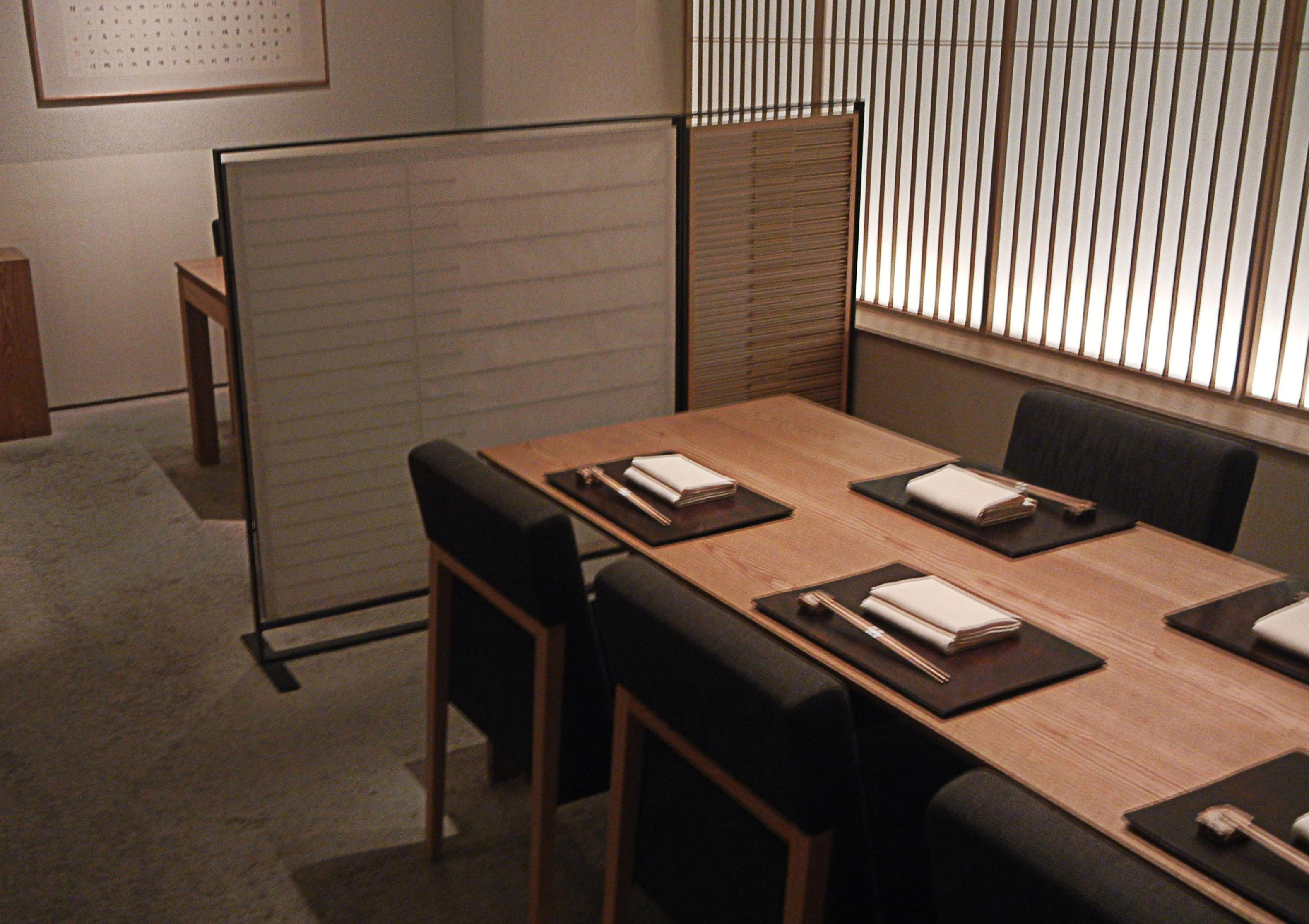
A small, counter-only ramen shop with a classic no-frills feel; guests sit close together at the counter watching bowls being prepared in a bright but compact space, creating an intimate, lively neighborhood atmosphere rather than a lingering, quiet meal setting.