Tabelog 100 #80
Our verdict
MENSHO brings Tokyo’s ingredient-minded ramen culture to an 11-seat counter in Otowa, near Gokokuji Station. The draw is not luxury pricing but format discipline: ramen, tsukemen, and brothless tantan-men in the JPY 1,000–1,999 bracket, with repeated Tabelog Ramen TOKYO “Tabelog 100” selections through 2025.

Pearl is the En Primeur Club membership app, where members save venues, book tables and use the concierge.
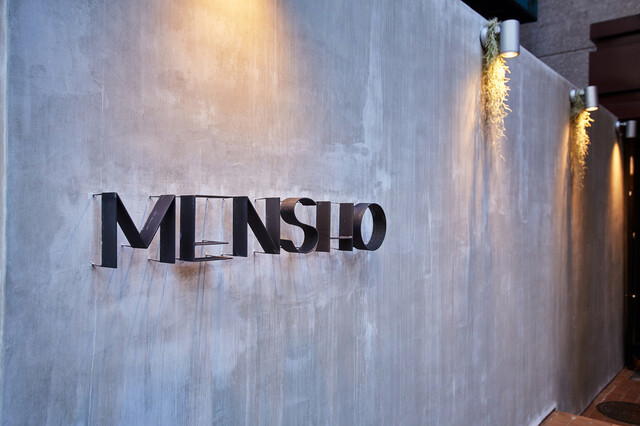
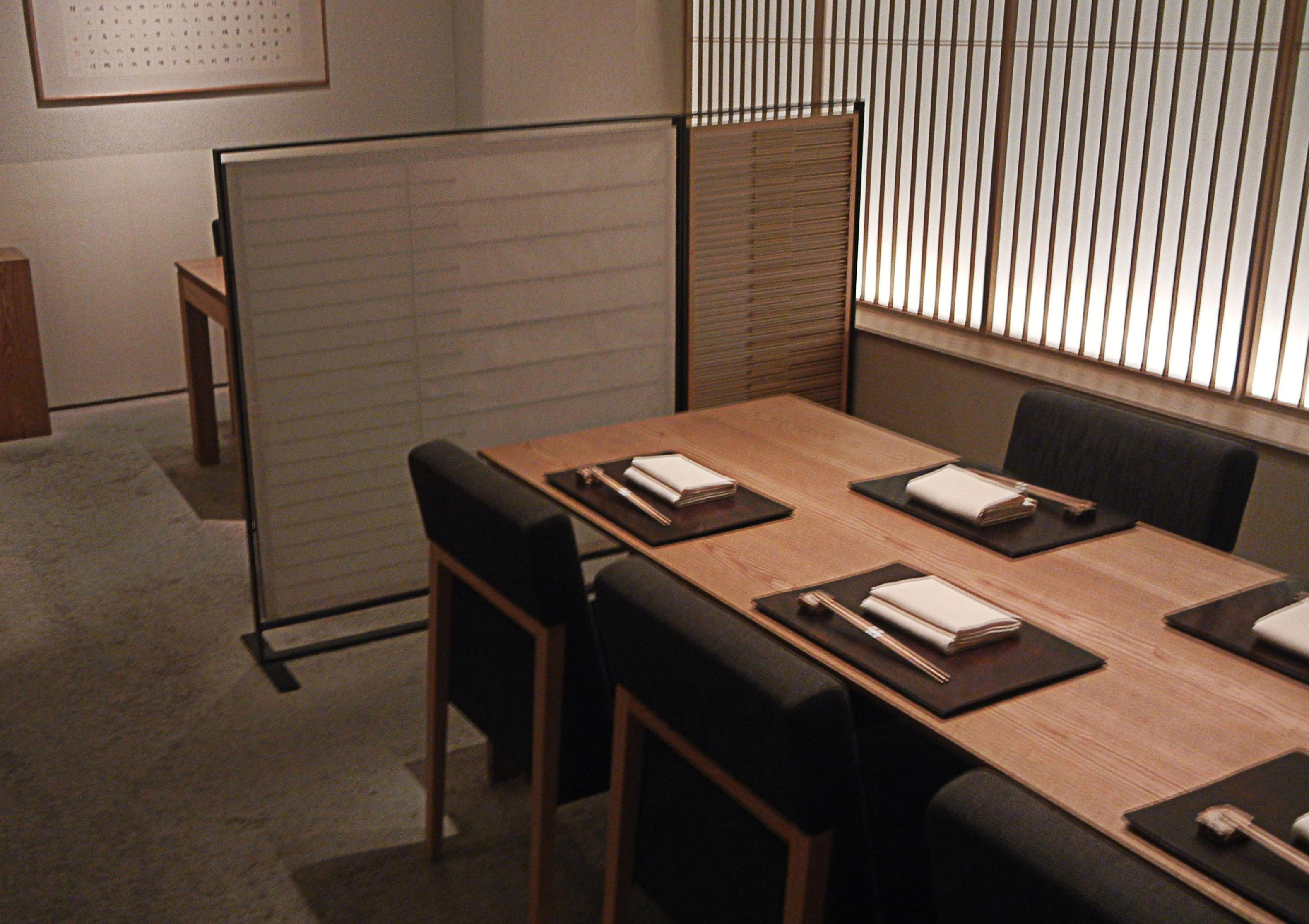
Tokyo is not short on ramen, but MENSHO asks to be read with more focus than a quick stop between appointments. The approach is compact and direct: a bowl-led meal where the distance between noodles, broth or sauce, chopsticks, and the kitchen does most of the editorial work. In that setting, ramen reads less like quick fuel and more like a study in extraction, seasoning, and texture.
Tokyo ramen has split into several serious tiers. One is nostalgia-led, built around familiar references that reward restraint. Another is ingredient-forward, using noodle craft, broth clarity, produce, and broader pantry cues to push the format without moving it into tasting-menu theatre. MENSHO belongs to the latter camp. Its public categories cover ramen, tsukemen, and tantan-men without broth, which matters because each format tests a different part of the kitchen: broth balance, dipping concentration, and sauce-to-noodle precision.
Ingredient-led ramen in a city that takes bowls seriously
Tokyo is dense with ramen specialists, but recognition in the category is not casual. Selection for Tabelog Hyakumeiten in 2025 places the shop inside a citywide ramen conversation where consistency matters as much as novelty. Its listed Tabelog score of 3.82 adds a useful public benchmark, though the better reading is still the bowl itself rather than the number alone.
The useful way to read the experience is through craft rather than ceremony. In Tokyo ramen, any ingredient-led claim carries practical weight only when the bowl shows discipline: noodles must hold structure, broth or sauce must have definition, and toppings cannot feel decorative. The menu’s spread across ramen, tsukemen, and brothless tantan-men suggests a kitchen interested in the base mechanics of the genre rather than one fixed house style. Tsukemen, in particular, exposes noodle quality because the noodles are not submerged from start to finish; brothless tantan-men shifts the test toward seasoning control and oil, spice, and texture.
Price is part of the editorial story. In a city where casual dining can run from simple bowls to high-ticket meals, the JPY 1,000–1,999 range keeps the focus on ramen’s democratic muscle. This is not a luxury restaurant wearing casual clothes. It is a specialist shop operating in a category where a small price band can still contain serious craft.
A compact meal makes the bowl do the work
The visit is best understood through the logic of ramen dining, a form that depends on pace more than ceremony. Directness shortens the loop between preparation and eating, which is central to noodles: timing, temperature, and texture degrade quickly once a bowl is ready. The proposition is clear. This is not a long social meal. It is a compact, focused stop with little ceremony to hide behind.
That restraint separates it from hotel dining rooms and formal Japanese restaurants elsewhere in Tokyo, where atmosphere and service choreography carry more of the experience. Comparison venues such as Il Teatro, UNAKIKU, Ryotei Kinsui, Miyuki, and そかろ belong to different dining decisions. MENSHO is for the moment when the city’s craft is measured in broth, noodles, and momentum rather than tablecloths or extended courses.
The practical profile reinforces the point. MENSHO sits in the accessible price band listed for both lunch and dinner, which makes it easy to fold into a day of eating in Tokyo without committing to a large-format meal. Its public category listing is also unusually clear: ramen, tsukemen, and tantan-men without broth. That clarity is useful intelligence in a city where the difference between one noodle specialist and another can be sharper than the category name suggests.
Know Before You Go
- Address: Tokyo.
- Nearest station: Plan the visit as a Tokyo ramen stop and check current route details before going.
- Format: Compact ramen dining.
- Food focus: Ramen, tsukemen, and tantan-men without broth.
- Typical spend: JPY 1,000–1,999 for lunch and dinner.
- Hours: Check the venue’s current channels before visiting, as service details can change.
- Payments: Check current payment options before visiting.
For a broader eating map, start with Our full Tokyo restaurants guide, then compare the city’s other categories through Our full Tokyo hotels guide, Our full Tokyo bars guide, Our full Tokyo wineries guide, and Our full Tokyo experiences guide. Nearby and broader dining references are best handled generically here: compare MENSHO with other Tokyo dining rooms, noodle-focused meals, casual specialists, and more formal restaurants depending on whether the day calls for speed, precision, ceremony, or a longer meal.
Frequently asked questions
When is MENSHO open?
Current opening hours are not specified here. Check MENSHO’s official channels before visiting, as ramen shop schedules can change.
What should I budget for a meal at MENSHO?
Pricing at MENSHO is listed as JPY 1,000 - JPY 1,999 for both lunch and dinner.
What's the address for MENSHO?
Tokyo.
What is MENSHO known for?
MENSHO is known for ramen, tsukemen, and tantan-men without the broth in Tokyo. It was selected for Tabelog Hyakumeiten in 2025, which is the clearest marker of its standing provided here.
Do they accommodate allergies at MENSHO?
Those details are not published. Guests with allergies should factor in the listed categories, which include ramen, tsukemen, and brothless tantan-men, before planning a visit. Check the venue's official channels for the latest details.
Awards and Standing
Comparable venues at the same tier for side-by-side context.
| Venue | Cuisine | Price | Awards | Notes |
|---|---|---|---|---|
| MENSHOThis venue (the venue you are viewing) | Modern Japanese ramen | Not listed | Tabelog 100 #80 | Not listed |
| Gyoza no Fukuho (餃子の福包) | Traditional Japanese Gyoza | $1–10 | Not listed | Shinjuku |
| Uchitate ya | Handmade Udon Noodle Shop | $1–10 | Tabelog 100 #61 | Toshima |
| Ichijoryu Ganko Sohonke Bunke Yotsuya Arakicho | Classic Japanese ramen counter | $10–20 | Tabelog 100 #11 | Shinjuku |
| King Seimen | Modern Tokyo ramen & dumpling shop | $10–20 | Tabelog 100 #67 | Kita |
| Takemura | Traditional Japanese sweets café (kanmi-dokoro) | $1–10 | Tabelog 100 #6 | Chiyoda |
Recognition history
Dated appearances from independent guides and award organizations, with the underlying list record or original source where available.
Tabelog 100 #80 · No. 80
Tabelog · Tabelog 100 - Ramen - TOKYO - 2025