Tabelog 100 #6
Our verdict
Tokyo’s sweet-shop culture rewards restraint: shaved ice, wagashi, tea, and old neighbourhood rooms that do not behave like dessert counters in luxury hotels. Takemura belongs to that older Kanda-Awajicho register, with Tabelog 100 recognition for Tokyo Japanese sweets cafés in 2023 and a format built around seated tea-room pacing rather than spectacle.

Pearl is the En Primeur Club membership app, where members save venues, book tables and use the concierge.
The menu
What to order
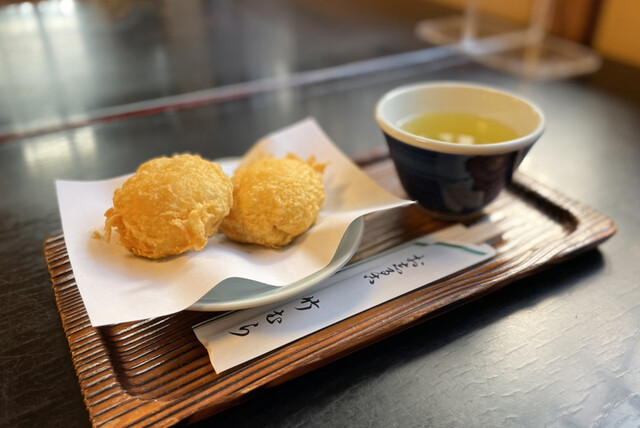
- Shiruko (sweet red bean soup)
- Awa zenzai
- Anmitsu
- Age manju (fried manju)
- Kori shiruko (shaved ice with sweet red bean)
Approaching Takemura in Tokyo, the city changes register. The louder dining signals, neon, basement signs, elevator restaurants, thin out into practical shops, meal counters, and sweet cafés run on habit rather than performance. Here, Takemura reads as surviving Tokyo grammar: a house-style Japanese sweets room paced by tea, shaved ice, traditional sweets, and the soft discipline of a short visit.
That matters because Tokyo dessert culture is often misunderstood from outside Japan. It is not only patisserie precision or seasonal fruit parfaits. The older pleasure is quieter: sweetness calibrated to tea, texture treated as seriously as flavour, and a room where lingering has limits. The categories here, Japanese traditional sweets, kakigori, and a sweets café format, place the shop in the city’s traditional sweets tradition, not the Western dessert bar category. For travellers building a Tokyo eating day around contrast, this differs from a full meal, a quick savoury stop, or casual dining elsewhere in the city. It is a pause, not dinner’s replacement.
Tokyo's older sweet-shop rhythm, not a hotel dessert performance
Tokyo has dense high-end dining, but its sweets cafés follow another status code. Recognition comes from consistency, local memory, and specialist focus rather than tasting-menu theatre. Takemura’s selection for the Tabelog 100 Japanese traditional sweets and Japanese sweets café list for Tokyo in 2023 places it inside a competitive citywide field of traditional sweets and sweets café specialists, not a general café ranking. Its Tabelog score of 3.76 further signals standing on a platform where small increments matter.
Tokyo strengthens that reading. The city has long favoured practical, genre-specific rooms, often folded into ordinary daily routes. Among comparable Tokyo names, AROMAS of INDIA, CHOPIN, Kanda Yabu Soba, Kanda Yunrin, Topca Kanda honten, and Takemura each point to the city’s habit of specialist addresses rather than one-size-fits-all dining. Takemura’s role is narrow and useful: a traditional sweets interlude in a city many visitors know more for lunch culture and specialist rooms than late-night dining.
The sensory cue is restraint. A Japanese sweets café does not need a modern brunch room’s volume or themed-interior aggression. The experience is reading the room’s rules: how quietly orders move, how carefully sweetness is paced, and how the visit stays focused on the bowl or plate in front of you. Rather than turning the room into a performance, the format keeps attention on the sweets themselves.
What the format teaches about Tokyo sweets
Traditional Japanese sweets and kakigori occupy different moods, yet both depend on balance. Traditional Japanese sweets work through measured sweetness, texture, and seasonal reference; shaved ice rewards temperature, restraint, and speed of service. A room handling both belongs to a Tokyo lineage where dessert is neither an afterthought nor inflated into a grand occasion. It has its own etiquette and timing.
That explains how an everyday price band and awards recognition coexist. In Tokyo, serious eating is not always priced as luxury. Enduring food forms and sweets can hold deep local credibility at accessible tariffs. Compared with more design-forward or novelty-driven cafés, expect different value: less spectacle, more continuity. The appeal is not modernisation, but keeping the grammar legible.
Tokyo also rewards sequencing. This sweets café works after a savoury lunch, between errands, or before an evening plan elsewhere. It fits a Tokyo day considering the city’s wider specialist dining culture, then broader planning through Our full Tokyo restaurants guide. For travel beyond restaurants, the same editorial logic applies across Our full Tokyo hotels guide, Our full Tokyo bars guide, Our full Tokyo wineries guide, and Our full Tokyo experiences guide: Tokyo is clearer when each stop is chosen for what it reveals about a category, not just name recognition.
How to use Takemura in a serious Tokyo itinerary
Takemura is strongest as a low-ceremony cultural stop for travellers who care about food traditions outside the tasting-menu economy. The format feels focused rather than expansive, which helps preserve a controlled room without turning the visit into an endurance test. The decision is about choosing a sensible moment, checking current details directly, and respecting the room’s pace.
The category is also more accessible than formats built around longer, more formal pacing. Still, etiquette matters: a compact sweets format rewards a quieter visit than a novelty café circuit. Travellers should treat it as a specialist stop, not a place to impose a long meal’s expectations on a short-form Japanese sweets room.
For a wider Japan plan, the contrast is instructive. A sweets stop in Tokyo has little in common with many other dining formats in the city or with Japanese food styles interpreted abroad. Those comparisons show how widely Japanese eating styles can travel, while Tokyo’s sweets rooms show how much meaning remains in the original urban setting.
The editorial case is clear: this is for travellers seeking Tokyo’s quieter food intelligence, found in genre rooms with no need to explain themselves loudly. Takemura’s value lies in restraint: traditional sweets, shaved ice, a Tokyo room, and enough outside recognition to justify the detour without making it a trophy hunt.
Frequently asked questions
What are the operating hours at Takemura?
Check Takemura directly for current operating hours before visiting.
Is Takemura more mid-range or high-end?
Pricing at Takemura is listed as - JPY 999 - JPY 999.
How do I find Takemura?
Takemura is located in Tokyo.
What makes Takemura worth seeking out?
Takemura earned a place in Tabelog’s 2023 Tokyo "Tabelog 100" for Japanese traditional sweets and cafés, which gives it a clear local signal of standing. Its listed categories, Japanese traditional sweets, kakigori, and a sweets café format, make it a useful stop for traditional sweets and shaved ice rather than a formal dining detour.
What if I have allergies at Takemura?
Takemura is a Japanese sweets café in Tokyo, so offerings can vary across traditional sweets and kakigori preparations. The listed phone number is +81-3-3251-2328; the practical move is to check directly before ordering if you have specific allergy concerns. Check the venue's official channels for the latest details.
Is Takemura child-friendly?
Takemura’s sweets café format may be more approachable than a formal meal, but current policies should be checked directly before visiting with children. Check the venue's official channels for the latest details.
Budget Reality Check
Comparable venues by price and recognition.
| Venue | Cuisine | Price | Awards | Notes |
|---|---|---|---|---|
| TakemuraThis venue (the venue you are viewing) | Traditional Japanese sweets café (kanmi-dokoro) | $1–10 | Tabelog 100 #6 | Not listed |
| Fukuo Shoten | Traditional Japanese sweets and agar jelly shop | $1–10 | Tabelog 100 #61 | Chiyoda, Traditional Japanese sweets and agar jelly shop |
| Spice Palette | Japanese curry house | Not listed | Tabelog 100 #70 | Taitō, Japanese curry house |
| Kamezawa Do | Japanese Confectionery (Wagashi) | Not listed | Tabelog 100 #20 | Chiyoda, Japanese Confectionery (Wagashi) |
| Asakusa Naniwaya | Traditional Japanese taiyaki & kakigori café | $10–20 | Tabelog 100 #54 | Taitō, Traditional Japanese taiyaki & kakigori café |
| Taiyaki Wakaba | Traditional Japanese taiyaki & wagashi shop | $1–10 | Tabelog 100 #1 | Shinjuku, Traditional Japanese taiyaki & wagashi shop |
Recognition history
Dated appearances from independent guides and award organizations, with the underlying list record or original source where available.
Tabelog 100 #6 · No. 6
Tabelog · Tabelog 100 - Japanese traditional sweets / Japanese sweets cafe - TOKYO - 2023