
A compact Hiragishi ramen counter with Tabelog Ramen HOKKAIDO 100 selections in 2024 and 2025, Mendokoro Maruha BEYOND sits in Sapporo’s serious everyday-noodle tier rather than its ceremony-driven dining bracket. The draw is value: ramen and tsukemen formats, a small 19-seat room, and recognition that places it above routine station-area bowls.
Pearl is the En Primeur Club membership app — saves, bookings, and concierge access live there. Same editors, same standards.
- Address
- Japan, 〒062-0933 Hokkaido, Sapporo, Toyohira Ward, Hiragishi 3 Jo, 13 Chome−7−7 第3アメニティ藤川 101
- Phone
- +81 11-812-0688
- Website
- studio-s.photo
 Saves & bookings on Pearl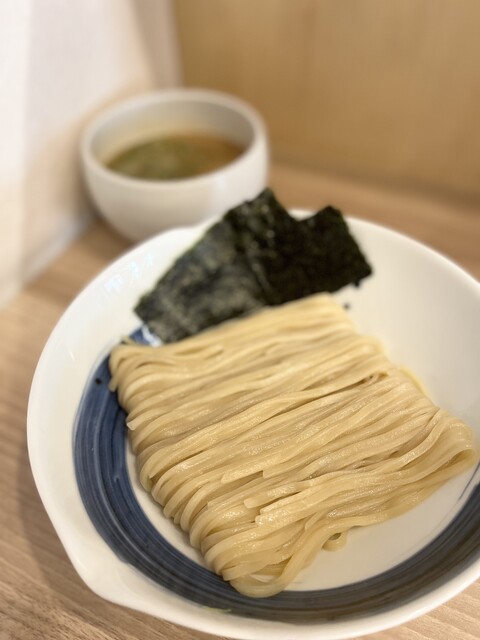
Approach Hiragishi by subway and the ramen economy of Sapporo becomes plain: modest shopfronts, quick turnover, and a dining culture where judgment arrives by the bowl, not by the dining room. In that setting, Mendokoro Maruha BEYOND belongs to the city’s practical high-achievement tier, where a narrow room, counter seats, table seating, and raised seating can carry more weight than polished ceremony. This is not luxury dining dressed down. It is Sapporo ramen doing what it does well: compressing regional appetite, price discipline, and repeat-customer scrutiny into a short meal.
Sapporo’s noodle identity is often reduced to miso, but the stronger reading is broader. The city supports miso ramen, niboshi-led bowls, tonkotsu-based styles, and tsukemen without making any single format feel like a museum piece. That flexibility matters for travelers because the meal can stay casual while the selection criteria remain demanding. Tabelog selected Mendokoro Maruha BEYOND for its Ramen HOKKAIDO 100 list in both 2024 and 2025, a useful signal in a category where local repeat visits tend to separate durable shops from short-lived attention.
Hiragishi ramen, judged by value rather than ceremony
The value proposition is direct: a recognized ramen and tsukemen shop operating in the everyday spending band, with the room scaled for quick meals rather than long-form dining. In Sapporo, that puts it in a different decision set from reservation-led sushi, kaiseki, or hotel dining. The comparison is not whether a bowl can mimic a tasting menu. It is whether the shop delivers enough identity, consistency, and local credibility to justify leaving the central tourist circuit.
Against Sapporo peers, that distinction is useful. SOUP CURRY KING Honten and LOOK-Ka PyPy sit in a similar casual-spend bracket but belong to the city’s curry culture, where spice, vegetables, and broth customization shape the meal. MEN-EIJI Hiragishi Base, Sapporo Junren Sapporo ten, and Yamaarashi Honten occupy the cheaper ramen end of the spectrum in the comparison set, which sharpens the question here: pay a little more, if the day’s order lands in that higher casual band, for a shop with repeated Tabelog Hokkaido recognition and a broader ramen-tsukemen remit.
The menu categories point to why the shop fits Sapporo rather than merely operating in it. Ramen and tsukemen cover two different speeds of eating: soup noodles for immediacy, dipping noodles for a more deliberate rhythm. The venue’s own public description references light Chinese-style noodles, Sapporo-style miso with back fat, niboshi character, tonkotsu, and tonkotsu soy sauce for dipping noodles. Those are category markers rather than a reason to invent a house mythology. They show a kitchen working across familiar Japanese ramen grammar while keeping the meal inside an accessible urban format.
A small room changes the way the meal works
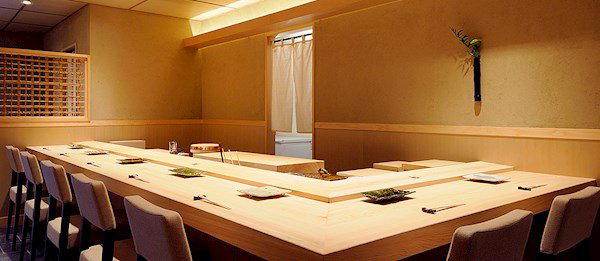
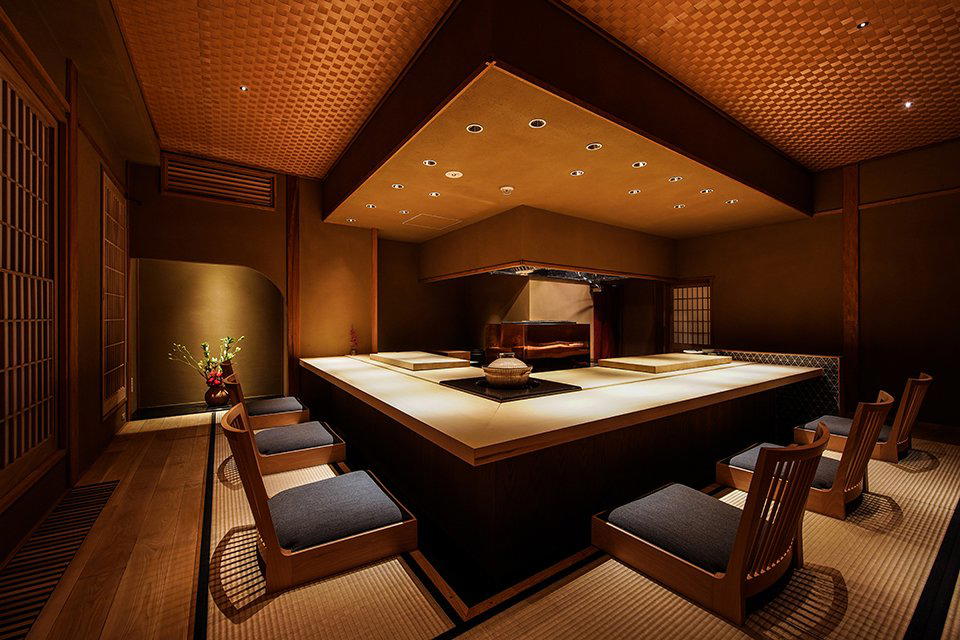
The room’s 19 seats matter. Five counter seats, table seats, and a raised seating area create a hybrid that suits solo diners without excluding families. That mix is common in everyday Japan but still editorially important: it means the experience is less rigid than a counter-only specialist and more food-focused than a broad family restaurant. For a traveler, the practical reading is simple. This is a short-format meal that can work between larger Sapporo plans, not a night built around service choreography.
Non-smoking dining, wheelchair accessibility, and child-friendly details broaden the audience without changing the category. Ramen shops can be intimidating when the room is all queue pressure and coded regulars; this format reads more forgiving. The absence of private rooms and private use also tells the truth about the place. It is a public, compact noodle shop, not a venue to convert into a controlled event.
Recognition also needs calibration. A Tabelog 100 selection in Hokkaido is not the same signal as a Michelin star, and it should not be treated as one. It is more useful than that for this category because it speaks to local ramen competition, where the field is wide and the price ceiling stays low. The 2025 listing, following selection in 2024, gives the shop a continuity signal. For visitors trying to choose one casual meal outside central Sapporo’s obvious routes, that continuity is more persuasive than vague praise.
How to place it in a Sapporo itinerary
The stronger move is to treat the meal as part of a broader Sapporo food day rather than as a standalone pilgrimage. Pairing a ramen stop in Hiragishi with the city’s curry, bakery, and bar circuits gives a clearer picture of how Sapporo eats: practical, cold-weather fluent, and less obsessed with formality than Tokyo’s prestige counters. For more city context, see the Sapporo restaurants guide, then branch into the Sapporo hotels guide, Sapporo bars guide, Sapporo wineries guide, and Sapporo experiences guide for the rest of the trip.
Within Sapporo’s casual dining map, the useful contrasts sit close to the ground. 175°DENO Tantanmen Sapporo kitaguchi ten frames heat and sesame through tantanmen, while [Curry Senmon Ten] Maruyama Kyoju., Ajanta Indo Curry Ten, and Ajanta Sohonke pull the itinerary toward Sapporo’s curry vocabulary. Aigues Vives adds a bakery counterpoint, useful when the day needs craft without another bowl.
Travelers building a wider Japan list can use the same value lens elsewhere: -Grilled beef Sukiyaki- KAMAKURA TANUKIAN 鎌倉 たぬき庵 in Kamakura for a meat-led format. 鮪と炭火焼き うお炭 秋葉原店 in Tokyo for tuna and charcoal grilling.cafe in Osaka for café pacing.know in Kumamoto, (Shoku) Vietnam in Kawasaki, [ki:] in Kyoto, plus Los Angeles and Pasadena comparisons at Jōdo Saké Bar in Los Angeles and Onigiri Time in Pasadena. The point is not to rank unlike venues; it is to notice where casual formats carry serious editorial weight.
Accolades, Compared
Comparable venues in the metro at similar price points.
| Venue | Cuisine | Price | Notes |
|---|---|---|---|
| Mendokoro Maruha BEYONDThis venue — the venue you are viewing | Japanese Ramen | $ | Not listed |
| Coffee House | Japanese curry restaurant | $ | Chūō |
| Spice Pot Kikusui honten | Sapporo soup curry & stone-oven roasted chicken | $ | Shiroishi |
| Menya Keserasera | Japanese Ramen | $ | Kita |
| Sumire Nakanoshima honten | Sapporo miso ramen shop | $ | Toyohira |
| Ramen Shingetsu | Traditional Sapporo Ramen Shop | $ | Chūō |
Recognition history
Dated appearances from independent guides and award organizations, with the underlying list record or original source where available.
Tabelog 100 #20 · No. 20
Tabelog · Tabelog 100 - Ramen - HOKKAIDO - 2025
At a Glance
- Cozy
- Modern
- Solo
- Casual Hangout
- Group Dining
- Standalone
Current opening hours
- Monday
- 11 AM–2:30 PM, 6–10:30 PM
- Tuesday
- 11 AM–2:30 PM, 6–10:30 PM
- Wednesday
- 11 AM–2:30 PM, 6–10:30 PM
- Thursday
- 11 AM–2:30 PM, 6–10:30 PM
- Friday
- 11 AM–2:30 PM, 6–10:30 PM
- Saturday
- 11 AM–2:30 PM, 6–10:30 PM
- Sunday
- 11 AM–2:30 PM, 6–8:30 PM
Hours can change for holidays and private events. Last verified .
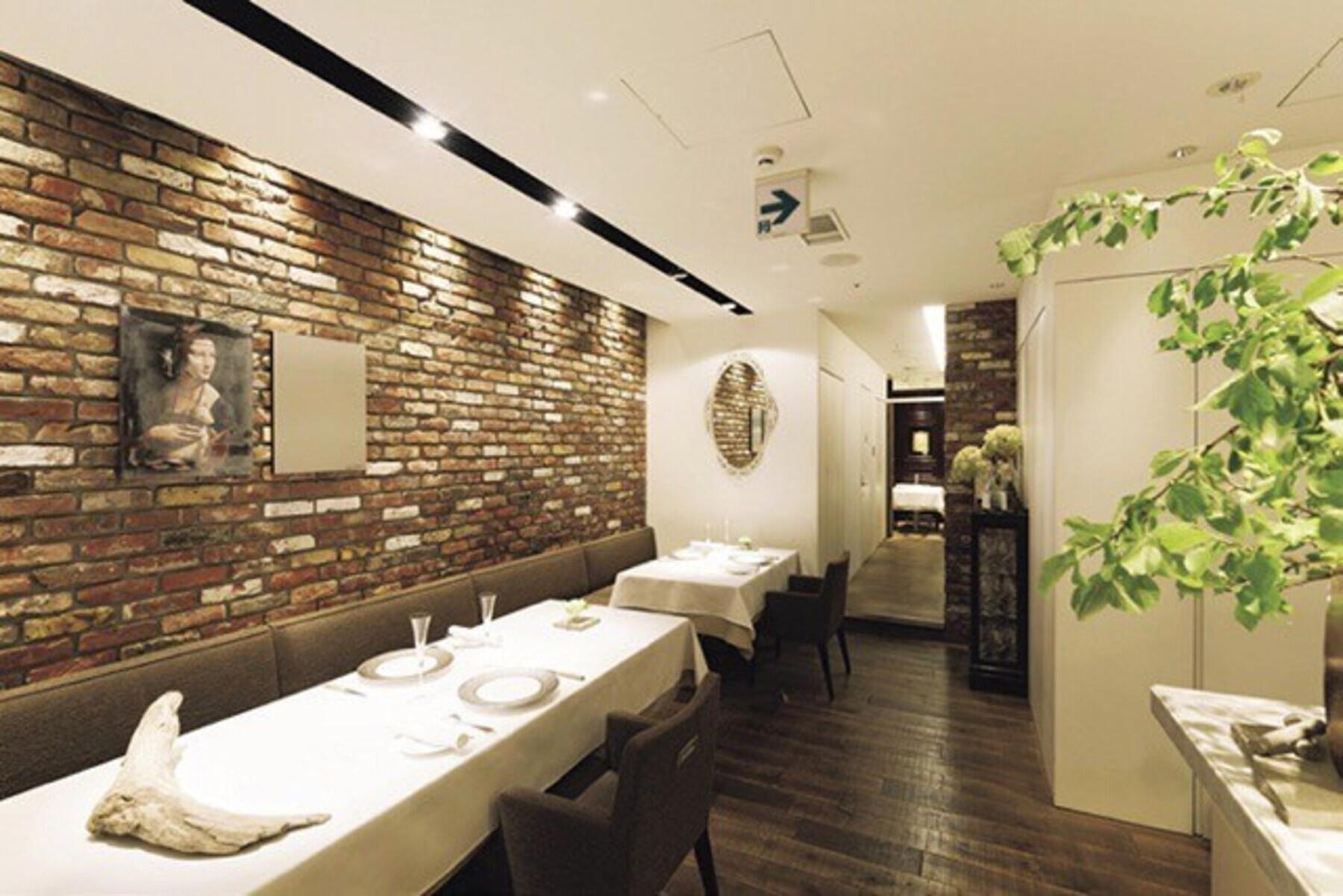
Clean, simple ramen-shop atmosphere with table seating and a raised seating area; the overall feel is modest and focused on the food.