
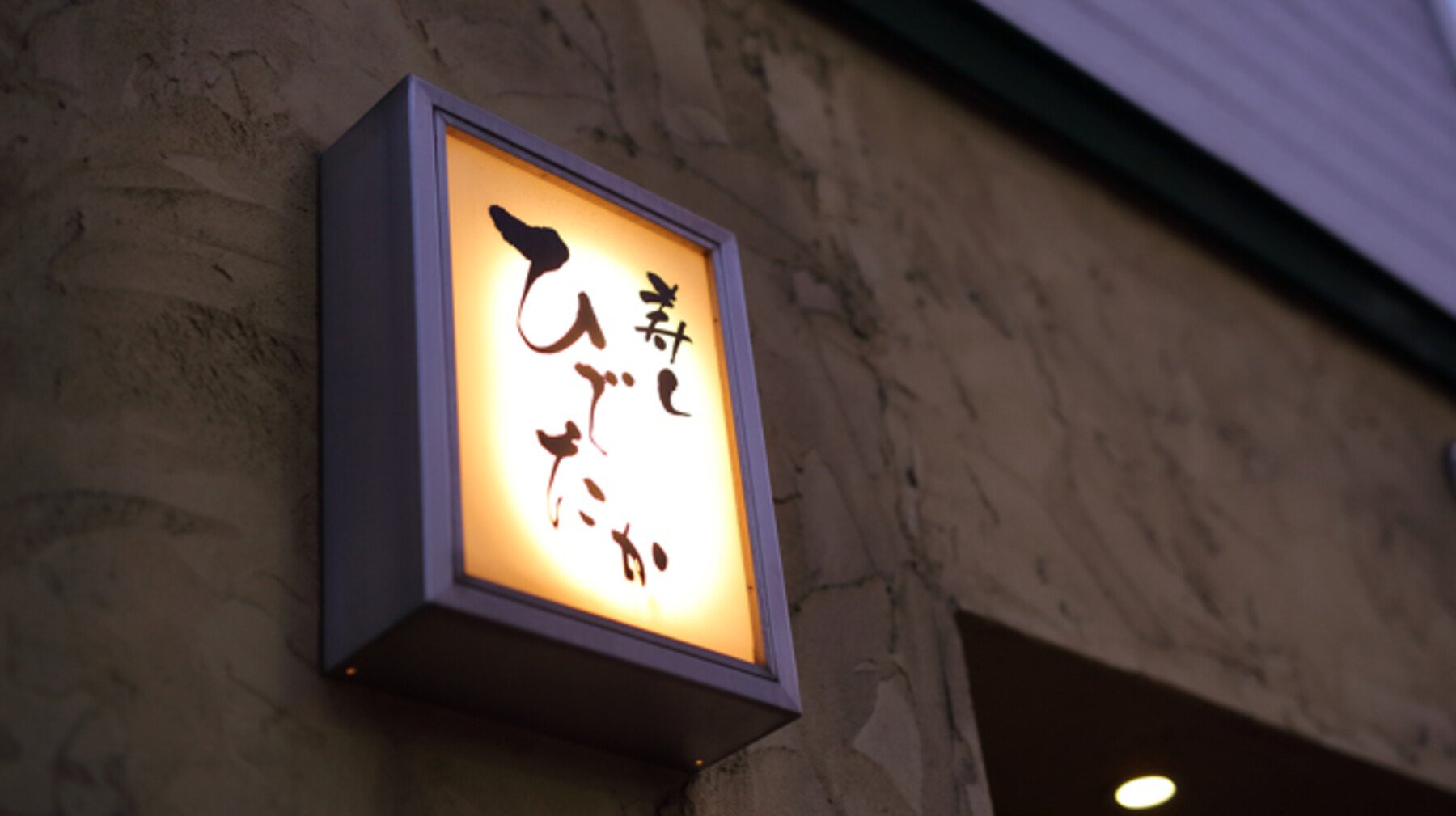
Sumire Nakanoshima honten belongs to Sapporo’s serious ramen circuit: a long-running Nakanoshima counter with Tabelog 100 Ramen Hokkaido selections in 2024 and 2025. For occasion dining, it offers the opposite of hotel formality: a shared, local ritual where the milestone is measured by the bowl, the queue, and the city’s miso-ramen memory.
Pearl is the En Primeur Club membership app — saves, bookings, and concierge access live there. Same editors, same standards.
- Address
- 4 Chome-7-28 Nakanoshima 2 Jo, Toyohira Ward, Sapporo, Hokkaido 062-0922, Japan
- Phone
- +81 50-5493-7160
- Website
- sumireya.com
 Saves & bookings on Pearl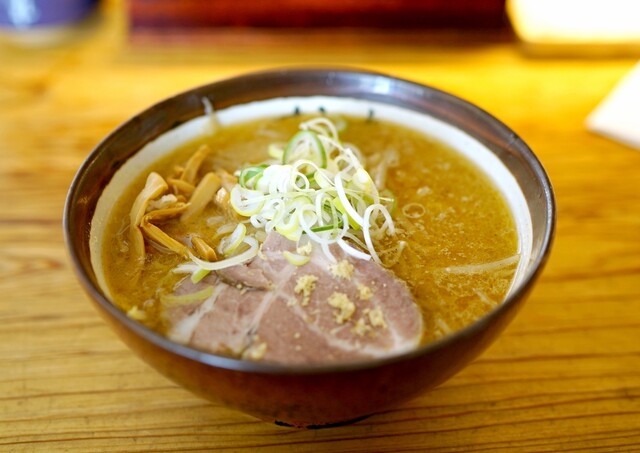
Approaching a Sapporo ramen shop in winter is not the same act as approaching one in Tokyo or Osaka. The cold changes the appetite: broth becomes weather equipment, counter seats become social infrastructure, and a bowl can carry the emotional weight of a small celebration. In Nakanoshima, the room at Sumire Nakanoshima honten fits that local grammar, with counter seating and a no-frills format that keeps attention on the ramen rather than ceremony.
Sapporo’s ramen culture is often reduced to miso, butter, corn, and tourist shorthand, but the better local addresses sit in a more specific category: shops where consistency, speed, and neighborhood loyalty matter as much as regional fame. Tabelog’s 2025 Ramen Hokkaido 100 selection places Sumire Nakanoshima honten inside that competitive Hokkaido bracket, and its 2024 selection shows that the recognition is not a single-year spike. In a city where ramen can be both a lunch stop and a post-ski reward, that kind of repeated listing matters.
Sapporo ramen as occasion dining, without the white tablecloth
Milestone meals in Japan do not always mean tasting menus, private rooms, or sommelier choreography. They can be democratic, fast-moving, and deeply place-specific. Ramen is especially good at this: birthdays with children, reunions after a flight, a first meal back in Hokkaido, or a final bowl before leaving the city. Sumire Nakanoshima honten sits in that lane, not because it performs luxury, but because it gives structure to a local ritual that many travelers underestimate.
The comparison set in Sapporo is broad. Yamaarashi Honten and MEN-EIJI Hiragishi Base occupy a lower listed spend band, while LOOK-Ka PyPy and E-itou curry Hiragishi honten sit in a similar everyday range; Curry Kong moves higher. That pricing spread is useful because it shows how Hokkaido comfort food operates across ramen and curry rather than in isolated categories. For travelers planning a food-led day, the city’s casual serious tier can connect bowls, curry counters, bakeries, and bars more naturally than a formal dinner itinerary.
Within that casual-serious category, recognition is the filter. Tabelog 100 is not a luxury signal in the Michelin sense; it is a local-selection signal, useful for sorting shops in a region with dense ramen competition. The score of 3.62 also matters in context: Japanese review culture tends to compress restaurant scores, so anything in the mid-threes for ramen can indicate sustained approval rather than casual enthusiasm. The stronger reading is not that one shop defines Sapporo, but that it belongs in the city’s upper conversation for ramen.
What the format says about the room
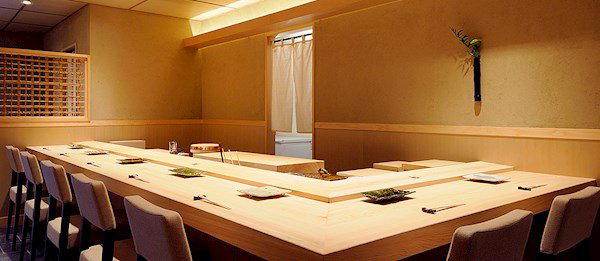
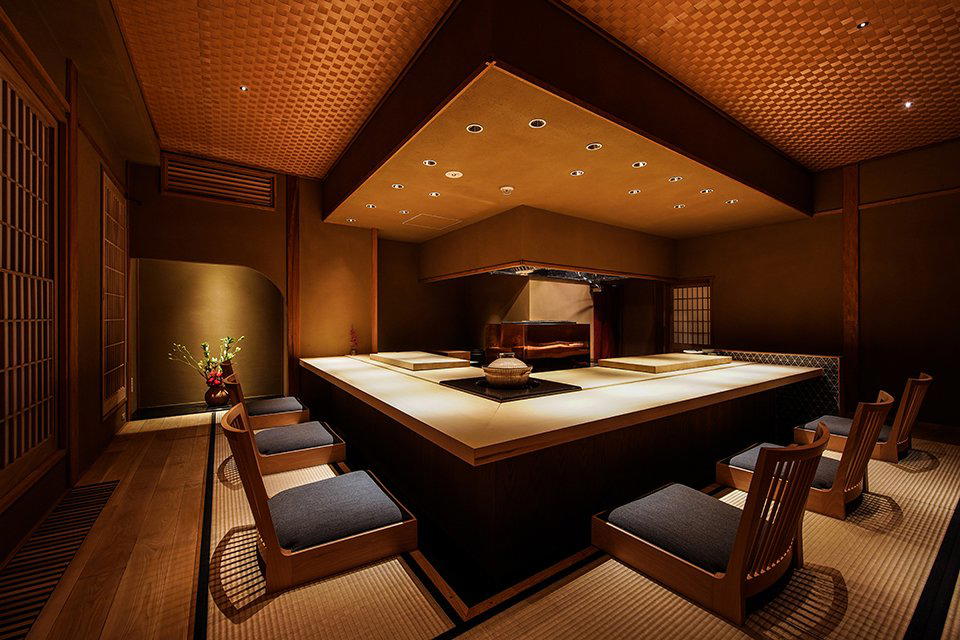
The practical shape of the experience is part of the editorial story. A 49-seat ramen room is not an intimate chef’s counter, and it is not trying to be one. The capacity supports turnover, family meals, and the kind of mixed crowd that makes ramen feel civic rather than rarefied. Counter seating keeps solo diners from feeling like an afterthought; children are welcome, which changes the occasion profile from date-night exclusivity to group utility.
That matters for Sapporo because many visitors overbuild their dining schedule around seafood markets and formal crab dinners. Ramen offers a cleaner reading of the city’s daily appetite. It is a better fit after Odori Park, before a bar crawl in Susukino, or on a low-temperature day when the meal needs to work quickly. The absence of private rooms and private use also keeps expectations grounded: this is a public dining room, not a controlled celebration space.
For broader planning, see Our full Sapporo restaurants guide, then widen the trip through Our full Sapporo hotels guide, Our full Sapporo bars guide, Our full Sapporo wineries guide, and Our full Sapporo experiences guide. Nearby and adjacent Sapporo food planning can also include 175°DENO Tantanmen Sapporo kitaguchi ten, [Curry Senmon Ten] Maruyama Kyoju., Aigues Vives, Ajanta Indo Curry Ten, and Ajanta Sohonke.
How to read this stop in a Japan itinerary
The restaurant is not the place to ask for a long chef narrative or a rarefied tasting arc. Its value is more concrete: repeated regional recognition, ramen specialization, counter functionality, take-out availability, and a room that can absorb families and solo diners alike. For a traveler using Sapporo as a winter base, that makes it more useful than many polished dining rooms that require advance strategy and a slower evening.
The more interesting comparison is national rather than merely local. Japan’s casual dining excellence often hides in formats that do not look ceremonial from the outside: ramen shops, curry specialists, onigiri counters, izakaya-style rooms, and compact cafés. To see how that range travels across the country, compare it with -Grilled beef Sukiyaki- KAMAKURA TANUKIAN 鎌倉 たぬき庵 in Kamakura. 鮪と炭火焼き うお炭 秋葉原店 in Tokyo.cafe in Osaka.know in Kumamoto, (Shoku) Vietnam in Kawasaki, and [ki:] in Kyoto. Outside Japan, the same appetite for tightly defined formats appears at Jōdo Saké Bar in Los Angeles and Onigiri Time in Pasadena.
The editorial call is simple: use this as a Sapporo meal with local weight, not as a luxury performance. It suits travelers who understand that a serious bowl can mark an occasion without ceremony, and that Hokkaido’s food identity is built as much from everyday specialists as from destination dining rooms.
The Short List
Comparable venues in the metro at similar price points.
| Venue | Cuisine | Price |
|---|---|---|
| Sumire Nakanoshima hontenThis venue — the venue you are viewing | Toyohira, Sapporo miso ramen shop | $ |
| Yamaarashi Honten | Toyohira, Japanese Ramen | $ |
| Go Maru Do | Chūō, Japanese Soup Curry | $ |
| Ramen Yoshi | Toyohira, Sapporo ramen shop | $ |
| Sumire Sapporo susukino ten | Chūō, Japanese Ramen | $ |
| Sapporo Menya Mitsuba | Nishi, Sapporo-style ramen shop | $ |
Recognition history
Dated appearances from independent guides and award organizations, with the underlying list record or original source where available.
Tabelog 100 #27 · No. 27
Tabelog · Tabelog 100 - Ramen - HOKKAIDO - 2025
At a Glance
- Lively
- Classic
- Cozy
- Well Known
- Solo
- Family
- Group Dining
- Casual Hangout
- Late Night
- Standalone
Current opening hours
- Monday
- 10 AM–8 PM
- Tuesday
- 10 AM–8 PM
- Wednesday
- Closed
- Thursday
- 10 AM–8 PM
- Friday
- 10 AM–8 PM
- Saturday
- 10 AM–8 PM
- Sunday
- 10 AM–8 PM
Hours can change for holidays and private events. Last verified .
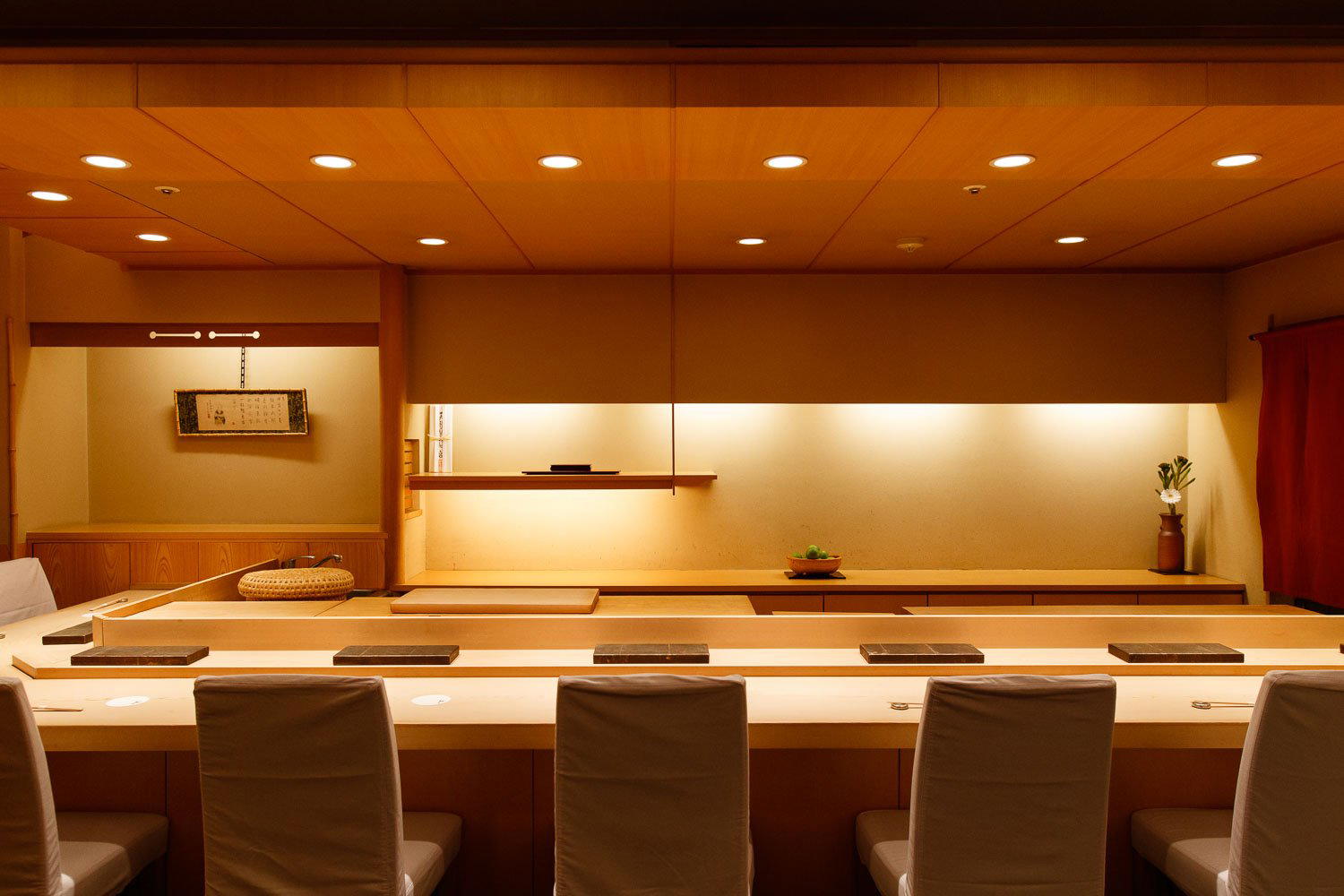
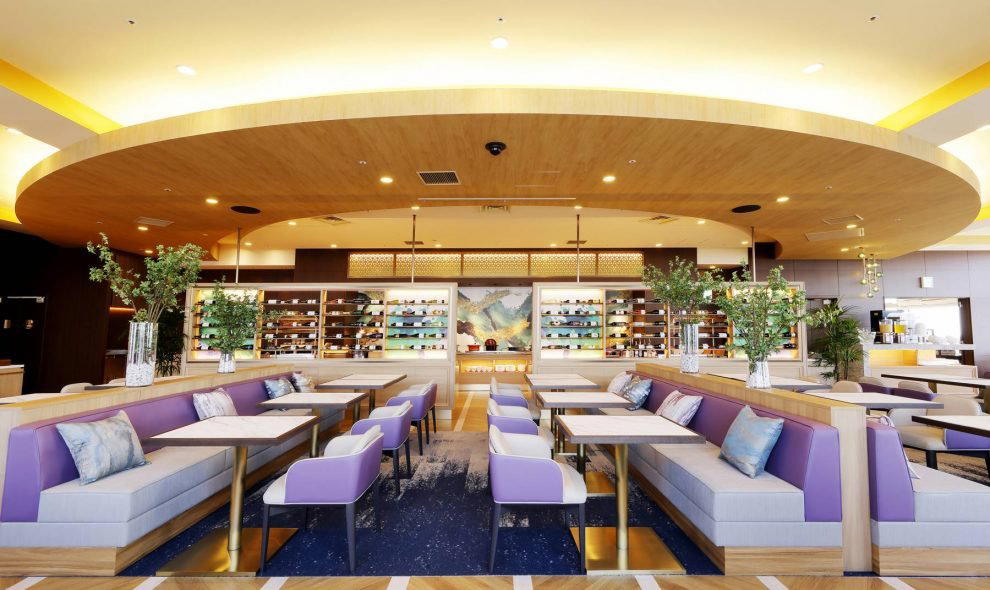
A bustling, no-frills ramen shop atmosphere with counter and table seating, bright functional lighting, and a cozy, classic feel focused on quick, satisfying bowls rather than lingering dining.