
Ganso Sapporo Ramen Mogura belongs to Susukino’s late-night ramen culture: counter seating, low spend, no reservations, and recognition on Tabelog’s Ramen HOKKAIDO 100 list in 2024 and 2025. The draw is not ceremony; it is the old-school Sapporo ramen rhythm that keeps regulars returning after work, after drinks, and between trains.
Pearl is the En Primeur Club membership app — saves, bookings, and concierge access live there. Same editors, same standards.
- Address
- 3 Chome Minami 4 Jonishi, Chuo Ward, Sapporo, Hokkaido 064-0804, Japan
- Phone
- +81 11-512-2570
- Website
- twitter.com
 Saves & bookings on Pearl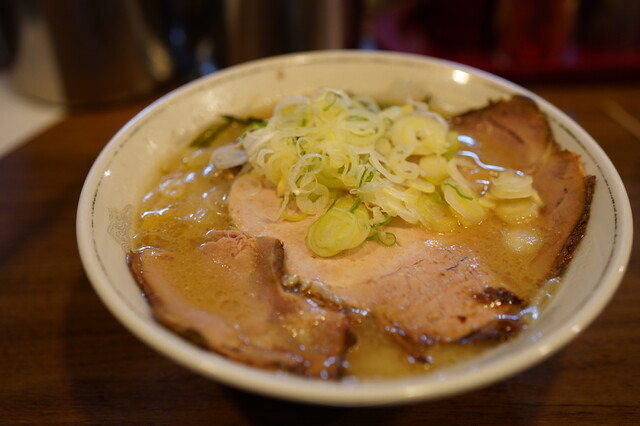
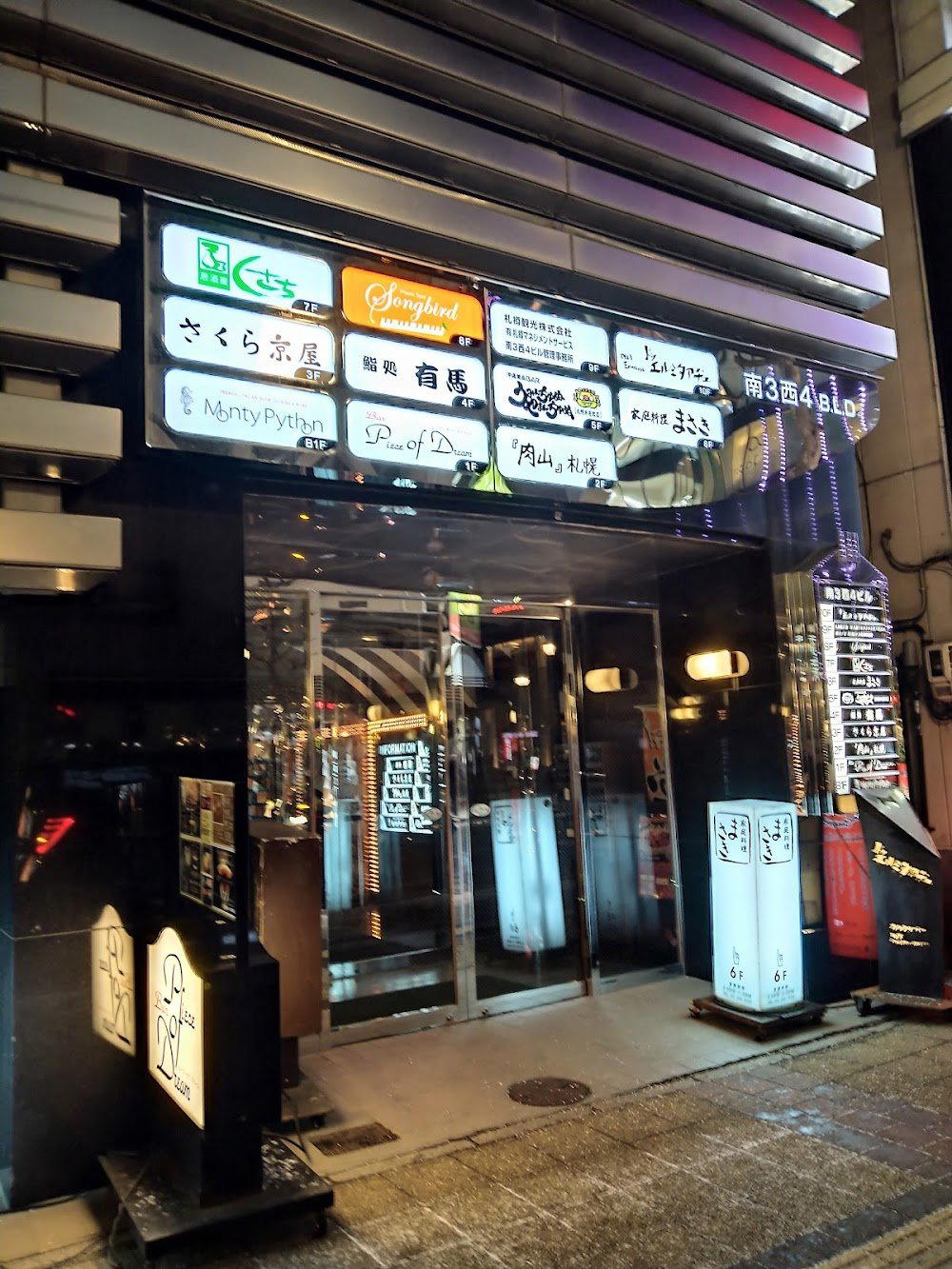
New Ramen Yokocho compresses Sapporo’s ramen habit into a narrow, bright corridor of counters, steam, ticket-machine decisions, and quick turnover. In Susukino, ramen is not only a lunch category; it is a late-night social utility, a solo-dining default, and a local answer to Hokkaido weather. Ganso Sapporo Ramen Mogura fits that grammar: counter-only, compact, inexpensive, and direct. Its selection for Tabelog Ramen HOKKAIDO 100 in both 2024 and 2025 puts it inside a regional ramen conversation that is crowded, opinionated, and unusually unforgiving.
The regulars’ view matters here because Sapporo ramen is a repetition food. Loyalty is built through consistency, not theatrical plating. A shop in this tier does not need a long tasting-menu narrative; it needs a bowl that makes sense before a shift, after a shift, or after Susukino’s bars have done their work. That is why the city’s ramen counters can feel more democratic than many restaurant categories in Japan: solo diners, friends, and families can all read the format immediately, and the bill stays within daily-life range rather than special-occasion territory.
Susukino ramen culture rewards speed, heat, and memory
Sapporo’s ramen identity is tied to Hokkaido’s climate and to the postwar development of miso ramen as a local calling card, but the city’s better ramen scene is broader than a single style. Susukino adds its own pressure. The neighborhood’s evening economy favors food that can absorb alcohol, cold, and irregular schedules. Counter ramen survives there because it handles all three without asking diners to perform. Seats turn, bowls land, decisions are fast, and the room communicates its rules without explanation.
That is the context in which Ganso Sapporo Ramen Mogura should be read. The point is not luxury; it is endurance inside a category where small differences in broth weight, noodle handling, and pacing become the reason people repeat a shop for years. Tabelog’s Hokkaido ramen selection is useful as a signal because it separates a venue from the long tail of tourist-facing noodle stops around the station and entertainment districts. A 3.59 Tabelog score also places it in the kind of Japanese rating band that often means serious local approval rather than casual foot traffic.
Compared with Fujiya NOODLE or Ramen Shingetsu, the relevant distinction is not a simple hierarchy. Sapporo ramen choices split by mood: newer-feeling noodle shops often pull diners toward sharper specialization, while old-yokocho counters trade on continuity and frictionless use. Ganso Sapporo Ramen Mogura belongs to the latter camp. It is the kind of address that makes sense when the city’s ramen tradition is the attraction, not when the diner wants a long evening built around service choreography.
The counter format tells diners how to behave
Counter-only ramen rooms are one of Japan’s great pieces of restaurant design because they reduce uncertainty. The diner enters, orders, sits, eats, and leaves; the pleasure sits in the bowl and in the rhythm around it. At 18 seats, this is not a sprawling dining room trying to capture every occasion. The format favors solo diners, pairs, and small groups who understand that ramen counters run on pace. Children of school age are welcome, which matters in Sapporo, where ramen is as much a family habit as a late-night habit.
The absence of private rooms and the no-smoking policy sharpen the same point: this is a ramen counter, not a lounge. Credit cards are not accepted, while transit IC cards and several QR-code payments are accepted. That small payment detail is worth reading culturally. It places the shop in modern urban Japan without changing the old counter logic: quick payment, quick exit, another diner taking the seat.
For travelers, the better reading is practical rather than romantic. Reservations are unavailable, and that suits the category. Ramen here is a queue-and-turnover proposition. The regulars’ advantage is not a secret order; it is knowing when to fold a bowl into the day. Lunch requires a different tolerance for lines than late evening, while Susukino’s post-drinking hours create their own pulse. The venue’s listed schedule includes long service windows on several days and closures early in the week, so the smarter move is to treat it as a planned ramen stop rather than an incidental fallback.
How to place it in a Sapporo food itinerary
High-end dining in Sapporo can pull attention toward sushi counters such as 鮨こいせ and Sushi Saikou, or toward bars like Bar ESTARICO, but ramen explains the city in a different register. It shows how Hokkaido eats casually without eating carelessly. The same itinerary can hold seafood, curry, izakaya cooking, and a low-cost ramen counter because Sapporo’s strength is not a single prestige lane. It is the ease with which humble formats sit beside expensive ones without feeling secondary.
That is why a focused Sapporo food plan should not treat ramen as filler between reservations. It belongs alongside specialist curry and noodle stops, from 175°DENO Tantanmen Sapporo kitaguchi ten to [Curry Senmon Ten] Maruyama Kyoju., Ajanta Indo Curry Ten, and Ajanta Sohonke. Bread and Western-influenced craft have their place too, as at Aigues Vives. For the wider city map, use Our full Sapporo restaurants guide, then pair meals with Our full Sapporo hotels guide, Our full Sapporo bars guide, Our full Sapporo wineries guide, and Our full Sapporo experiences guide.
For readers building a broader Japan file, the contrast is useful. A compact Sapporo ramen counter speaks a different language from -Grilled beef Sukiyaki- KAMAKURA TANUKIAN 鎌倉 たぬき庵 in Kamakura. 鮪と炭火焼き うお炭 秋葉原店 in Tokyo.cafe in Osaka.know in Kumamoto, (Shoku) Vietnam in Kawasaki, or [ki:] in Kyoto. It also differs from Japanese drinking and casual-food culture abroad, whether at Jōdo Saké Bar in Los Angeles or Onigiri Time in Pasadena. The Sapporo lesson is narrower and sharper: regulars return when the format is legible, the spend is low, and the bowl does its job without ceremony.
Recognition, Side-by-Side
Comparable venues by cuisine and price in the same metro.
| Venue | Cuisine | Price | Notes |
|---|---|---|---|
| Ganso Sapporo Ramen MoguraThis venue — the venue you are viewing | Sapporo ramen shop | $ | Not listed |
| Sapporo Bon no Kaze | Classic Sapporo Ramen Shop | $ | Chūō |
| Yamaarashi Honten | Japanese Ramen | $ | Toyohira |
| IN CURRY | Sapporo soup curry | $ | Nishi |
| Teuchi Soba no Taguto | Japanese Soba Noodle Shop | $ | Nishi |
| MEDICINEMAN | Sapporo soup curry house | $ | Chūō |
Recognition history
Dated appearances from independent guides and award organizations, with the underlying list record or original source where available.
Tabelog 100 #30 · No. 30
Tabelog · Tabelog 100 - Ramen - HOKKAIDO - 2025
At a Glance
- Lively
- Cozy
- Solo
- Late Night
- Casual Hangout
- Family
- Standalone
- Local Sourcing
Current opening hours
- Monday
- 10:30 AM–2:30 PM, 5:30 PM–1 AM
- Tuesday
- Closed
- Wednesday
- 10:30 AM–2:30 PM, 5:30 PM–1 AM
- Thursday
- 10:30 AM–2:30 PM, 5:30 PM–1 AM
- Friday
- 10:30 AM–2:30 PM, 5:30 PM–2 AM
- Saturday
- 10:30 AM–2 AM
- Sunday
- 10:30 AM–11:30 PM
Hours can change for holidays and private events. Last verified .
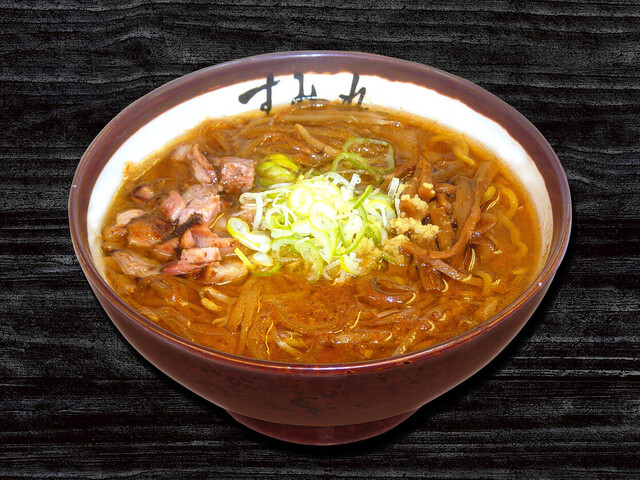
A bustling, no-frills ramen counter in the narrow New Ramen Alley, with bright shop lighting, close-together counter seats, and a casual, energetic late-night atmosphere typical of Susukino.