Mei Ume
Mei Ume occupies a distinctive position in London's premium Asian dining scene, combining Chinese and Japanese culinary traditions under one roof at the Four Seasons Hotel London at Ten Trinity Square. Set within one of the City's most architecturally significant addresses, the restaurant draws a clientele split between finance-district regulars and destination diners seeking something more considered than the standard hotel restaurant formula.
Pearl is the En Primeur Club membership app — saves, bookings, and concierge access live there. Same editors, same standards.
- Address
- 10 Trinity Square, London EC3N 4AJ, United Kingdom
- Phone
- +44 20 3297 3799
- Website
- fourseasons.com
- Directions
- Get directions
 Saves & bookings on Pearl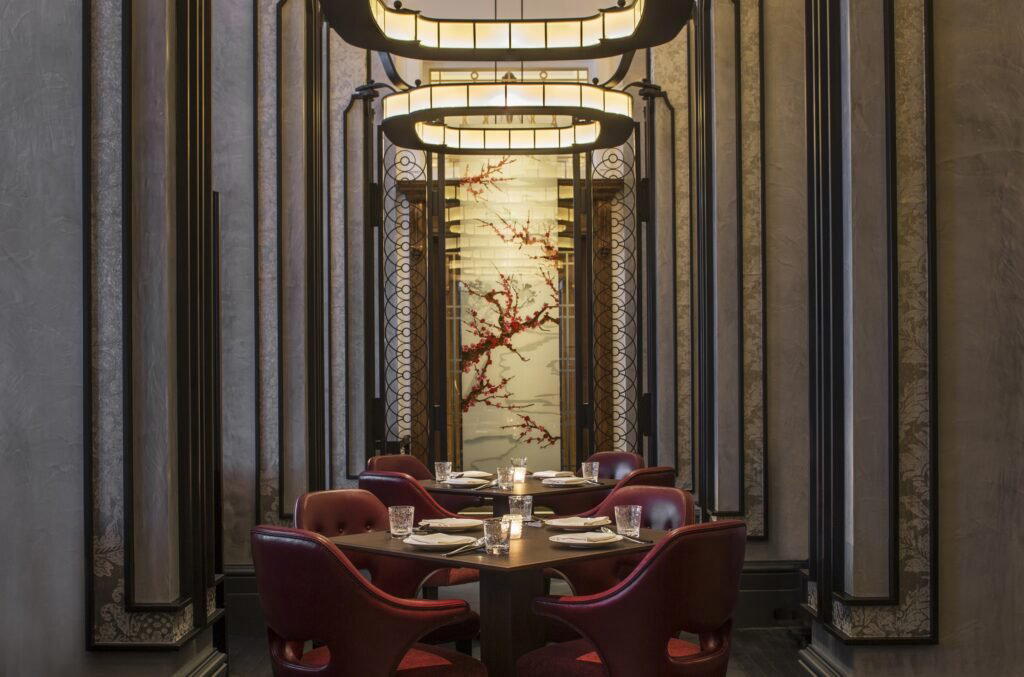
Where Chinese and Japanese Traditions Meet in the City of London
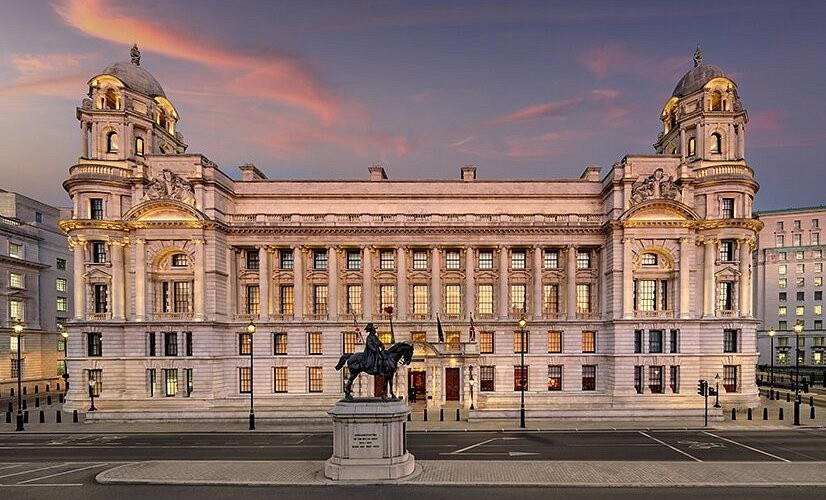
London's premium Asian dining scene has spent the past decade sorting itself into tiers. At one end sit the high-volume pan-Asian operations that trade on atmosphere and accessibility; at the other, a smaller cohort of restaurants that treat the distinction between regional Chinese and Japanese cuisine as a discipline rather than a marketing detail. Mei Ume, located at 10 Trinity Square within the Four Seasons Hotel London at Ten Trinity Square, operates firmly in the latter tier. The address alone signals the positioning: a Grade II-listed Edwardian building in the heart of the City, a short walk from Tower Bridge, that previously served as the headquarters of the Port of London Authority.
The restaurant's dual-cuisine format is less common than it might appear. Combining Chinese and Japanese cooking under a single kitchen and service team requires a degree of structural separation that most operators avoid — different flavour philosophies, different plating conventions, and a sommelier programme that has to bridge sake, Chinese spirits, and a wine list suited to both. Getting that coordination right is where front-of-house and kitchen integration becomes the defining factor.
The Collaborative Architecture of the Room
London's most technically accomplished restaurants have moved away from the single-auteur model, where one chef's vision dominates every element. The more durable format, visible at addresses like CORE by Clare Smyth and The Ledbury, involves a tighter loop between kitchen output, floor knowledge, and beverage selection. Mei Ume's dual-cuisine structure makes that loop more complex and, when it works, more legible to the guest: the service team has to know which side of the menu a table is leaning toward and adjust pacing, glassware, and pairing recommendations accordingly.
That coordination challenge is what separates this format from the pan-Asian catch-all. A sommelier working a table that has ordered Japanese-inflected dishes needs a different toolkit than one guiding a Chinese banquet selection. The City location adds another layer: weekday lunch service at this address skews heavily toward corporate dining, where speed and legibility matter; evening and weekend service shifts toward a more exploratory guest profile. Teams that handle both successfully tend to have deep briefing culture and clearly defined floor roles, not just polished smiles.
In the context of London hotel dining more broadly, this kind of internal team discipline is what separates the better hotel restaurants from those that coast on room-rate clientele. Properties like Dinner by Heston Blumenthal at the Mandarin Oriental have demonstrated that hotel restaurants can hold their own against standalone addresses when the operational investment matches the culinary ambition. Mei Ume occupies a similar proposition at its address, though its dual-cuisine format makes the execution target harder to hit consistently.
The Cuisine Traditions at Work
Both Chinese and Japanese fine dining have undergone significant repositioning in London over the past fifteen years. Chinese cuisine in particular has moved from being assessed almost entirely through the lens of Cantonese dim sum to a broader recognition of regional diversity: Sichuan, Shanghainese, and Hunanese cooking now each have serious representation across the city, and premium Chinese restaurants have shed the assumption that price points should sit below European counterparts.
Japanese fine dining in London has followed a parallel trajectory, with omakase-format counters and kaiseki-influenced tasting menus establishing the upper tier. Globally, restaurants like Atomix in New York City have shown how Korean-inflected precision can compete at the highest level, while Le Bernardin in New York City demonstrates the ceiling achievable when a single cuisine tradition is applied with total focus. Mei Ume's dual-format approach sits in deliberate contrast to that single-focus model, betting that a well-curated combination creates more value than depth in one direction alone.
The broader UK dining scene provides useful reference points for understanding what premium positioning looks like outside London. Restaurants like L'Enclume in Cartmel, Moor Hall in Aughton, and Gidleigh Park in Chagford have built reputations on single-cuisine focus and place-rooted identity. The contrast with Mei Ume's city-hotel, dual-cuisine model is instructive: both approaches can sustain serious dining, but they require entirely different operational and creative structures.
Setting and Context in the City
The EC3 postcode is not where London's most-discussed restaurant openings tend to land. Mayfair, Marylebone, and Notting Hill attract the headline chefs; the City attracts the expense account. That geography shapes the restaurant's context: it is one of few premium Asian restaurants operating at this level east of Aldgate, and its hotel-restaurant status gives it a stability and resource base that standalone City restaurants struggle to match. For European-focused fine dining at the summit tier, addresses like Restaurant Gordon Ramsay and Sketch, The Lecture Room and Library sit in a different neighbourhood entirely, pointing to how segmented London's premium dining geography remains.
For those planning a broader London itinerary, the full picture of what the city offers across restaurants, bars, hotels, and experiences is mapped across our full London restaurants guide, our full London bars guide, our full London hotels guide, our full London experiences guide, and our full London wineries guide. Day trips to addresses like The Fat Duck in Bray, Hand and Flowers in Marlow, or Le Manoir aux Quat' Saisons in Great Milton are viable complements for visitors who want to range beyond the M25 during a London trip.
Know Before You Go
- Address: 10 Trinity Square, London EC3N 4AJ
- Setting: Within the Four Seasons Hotel London at Ten Trinity Square, a Grade II-listed Edwardian building
- Cuisine: Chinese and Japanese, served under a dual-menu format
- Location note: The nearest stations are Tower Hill (Circle and District lines) and Monument; the restaurant is within a short walk of both
- Booking: Contact the Four Seasons Hotel directly via their reservations team; advance booking is advisable, particularly for weekend dinner service
- Dress code: Smart casual is the working norm for City hotel restaurants at this tier; business attire is common at lunch
How Mei Ume London compares with similar nearby venues.
| Venue | Cuisine |
|---|---|
| La Dame de Pic London | French British |
Continue exploring
More in London
Restaurants in London
Browse all →
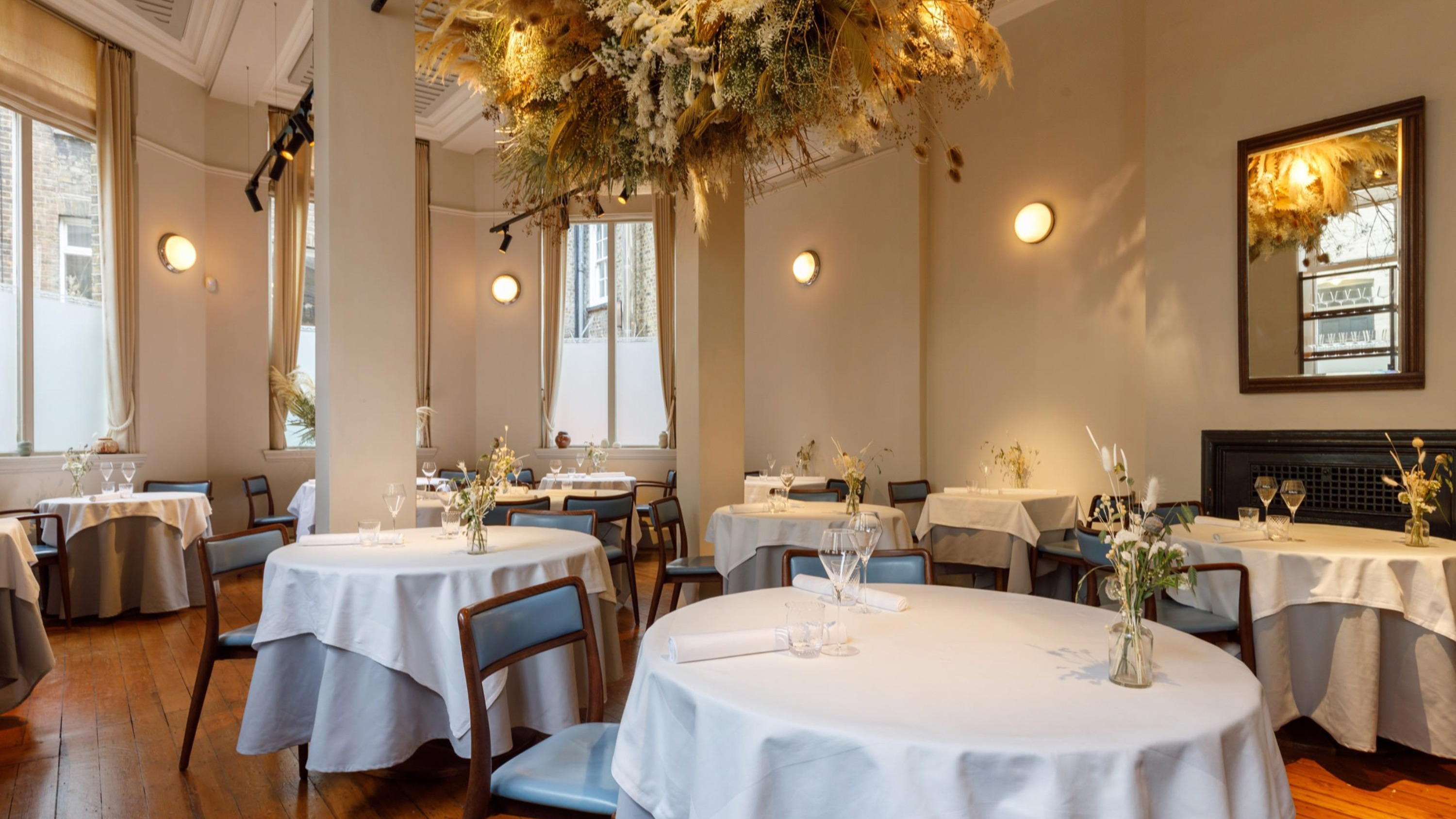
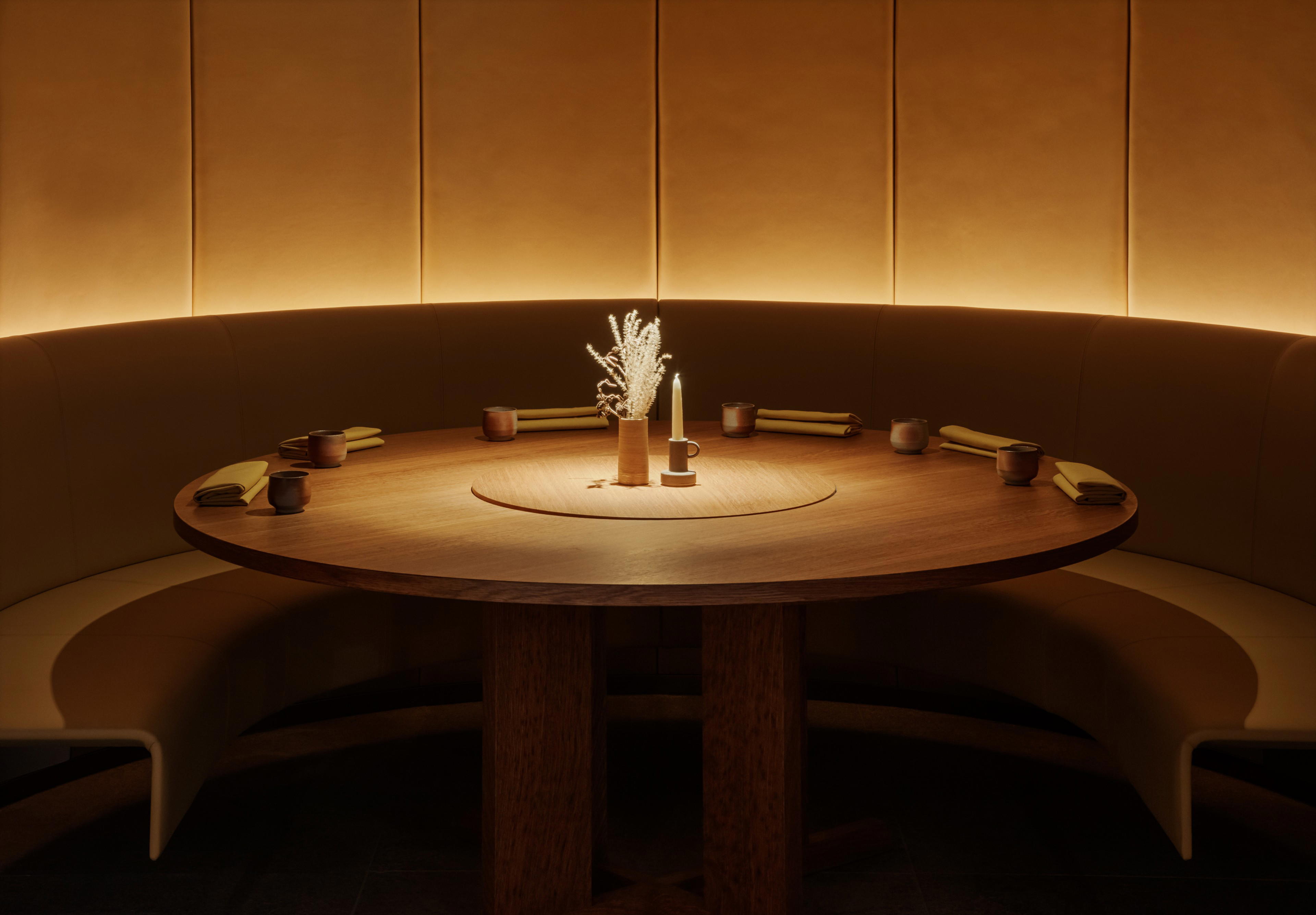
Bars in London
Browse all →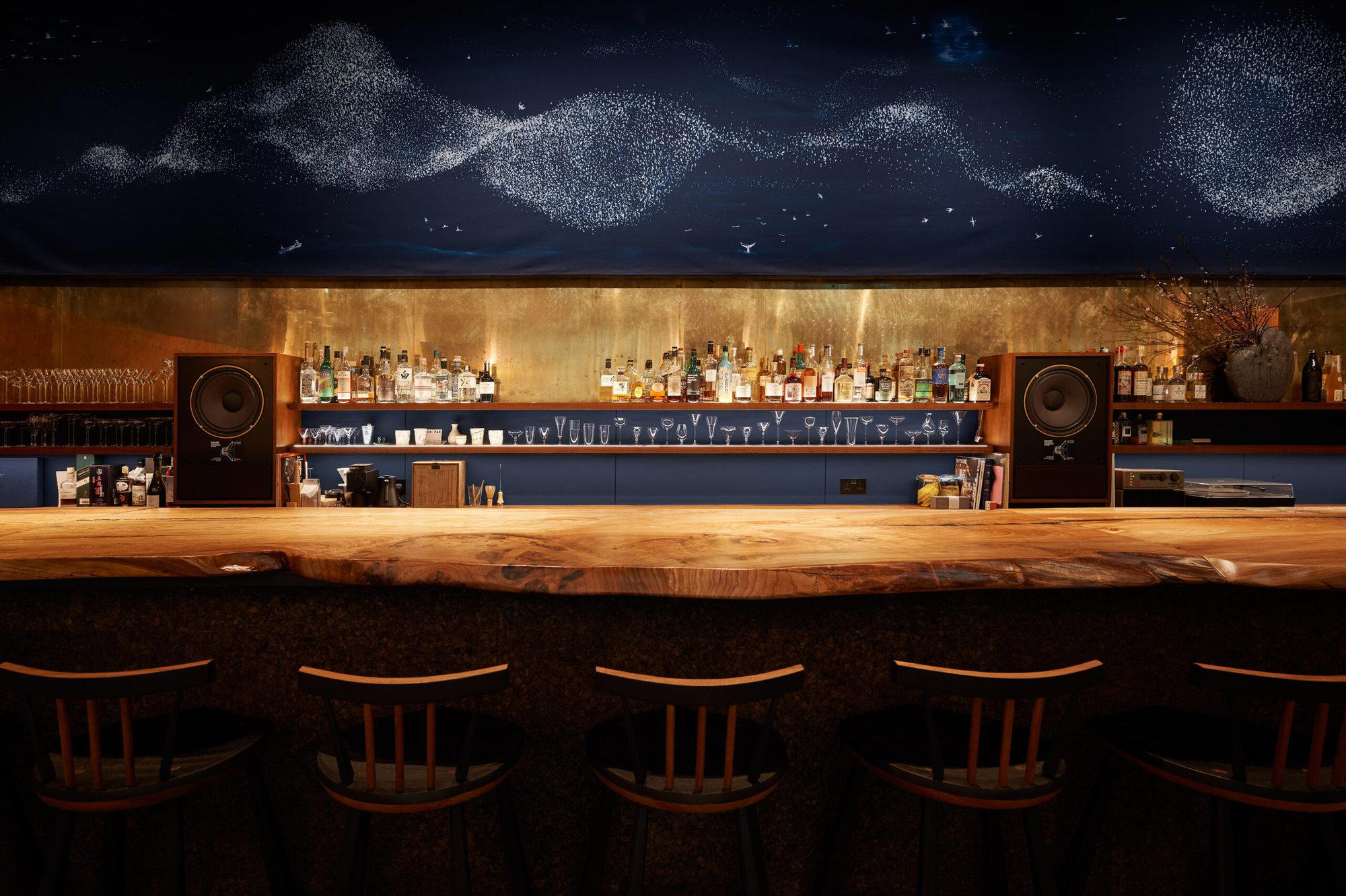
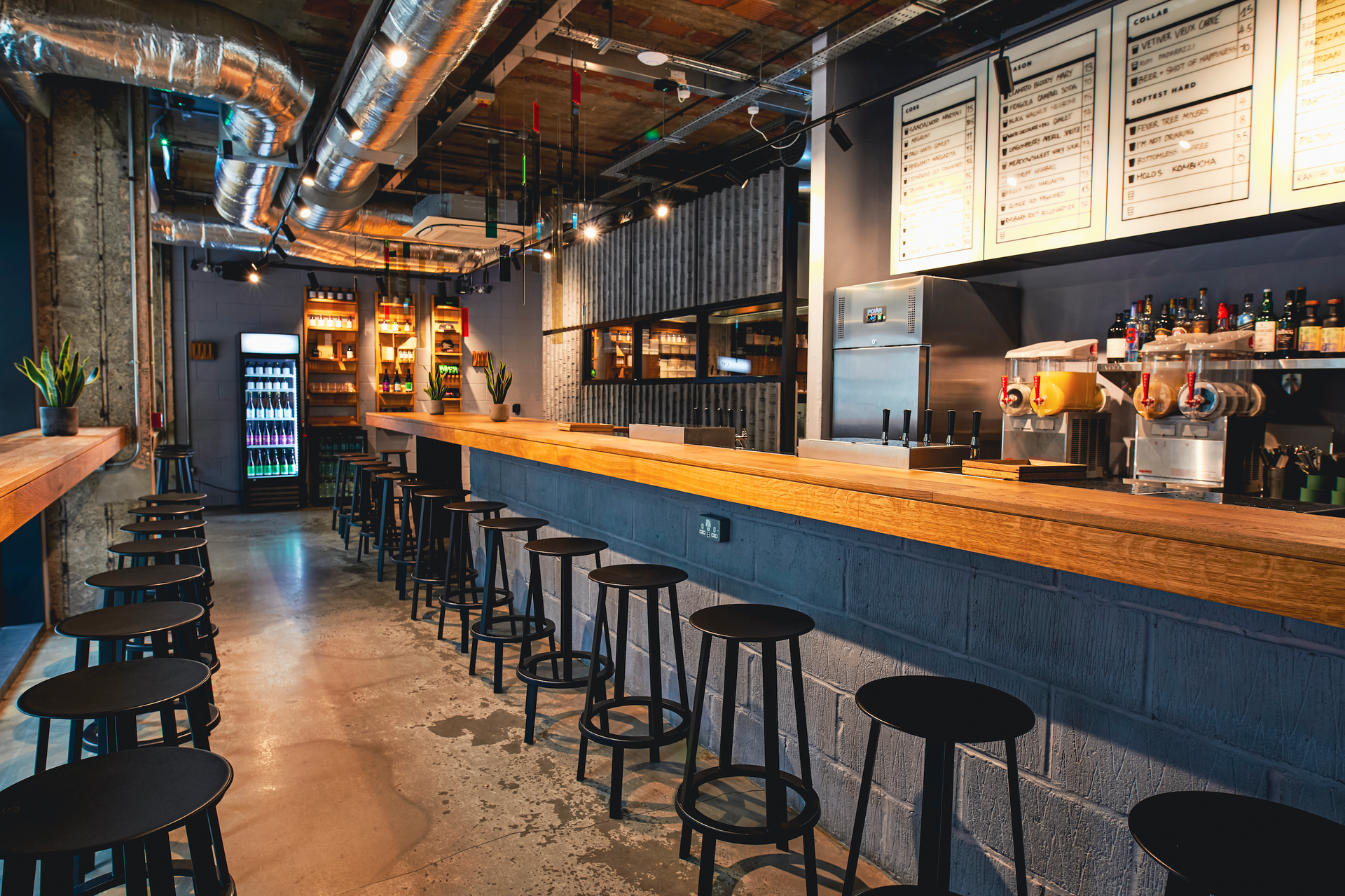
Hotels in London
Browse all →

At a Glance
- Elegant
- Sophisticated
- Intimate
- Modern
- Date Night
- Special Occasion
- Business Dinner
- Hotel Restaurant
- Sake Program
- Craft Cocktails
- Sommelier Led
Current opening hours
- Monday
- 12–2 PM, 6–9:30 PM
- Tuesday
- 12–2 PM, 6–9:30 PM
- Wednesday
- 12–2 PM, 6–9:30 PM
- Thursday
- 12–2 PM, 6–9:30 PM
- Friday
- 12–2 PM, 6–9:30 PM
- Saturday
- 6–9:30 PM
- Sunday
- Closed
Hours can change for holidays and private events. Last verified .
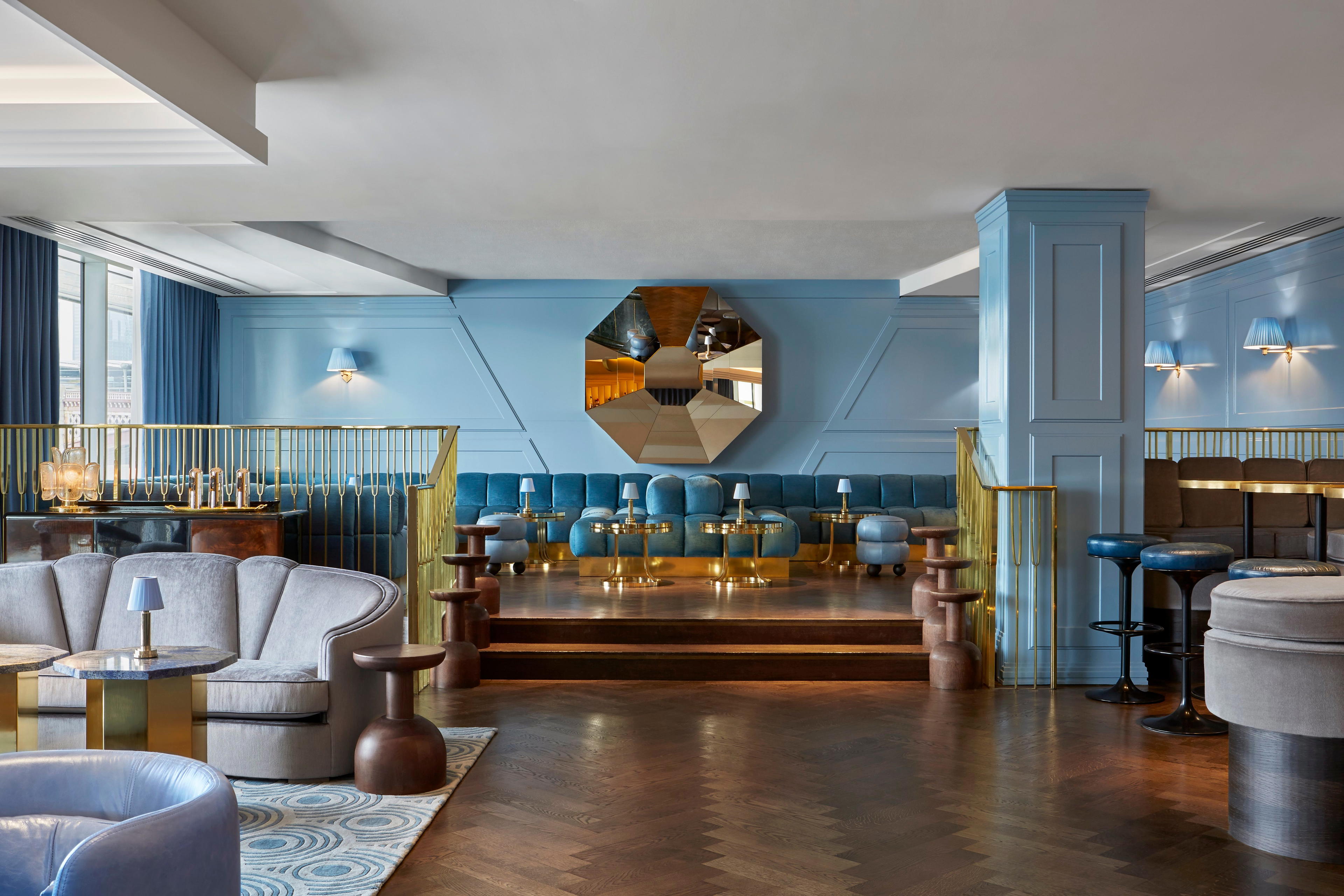
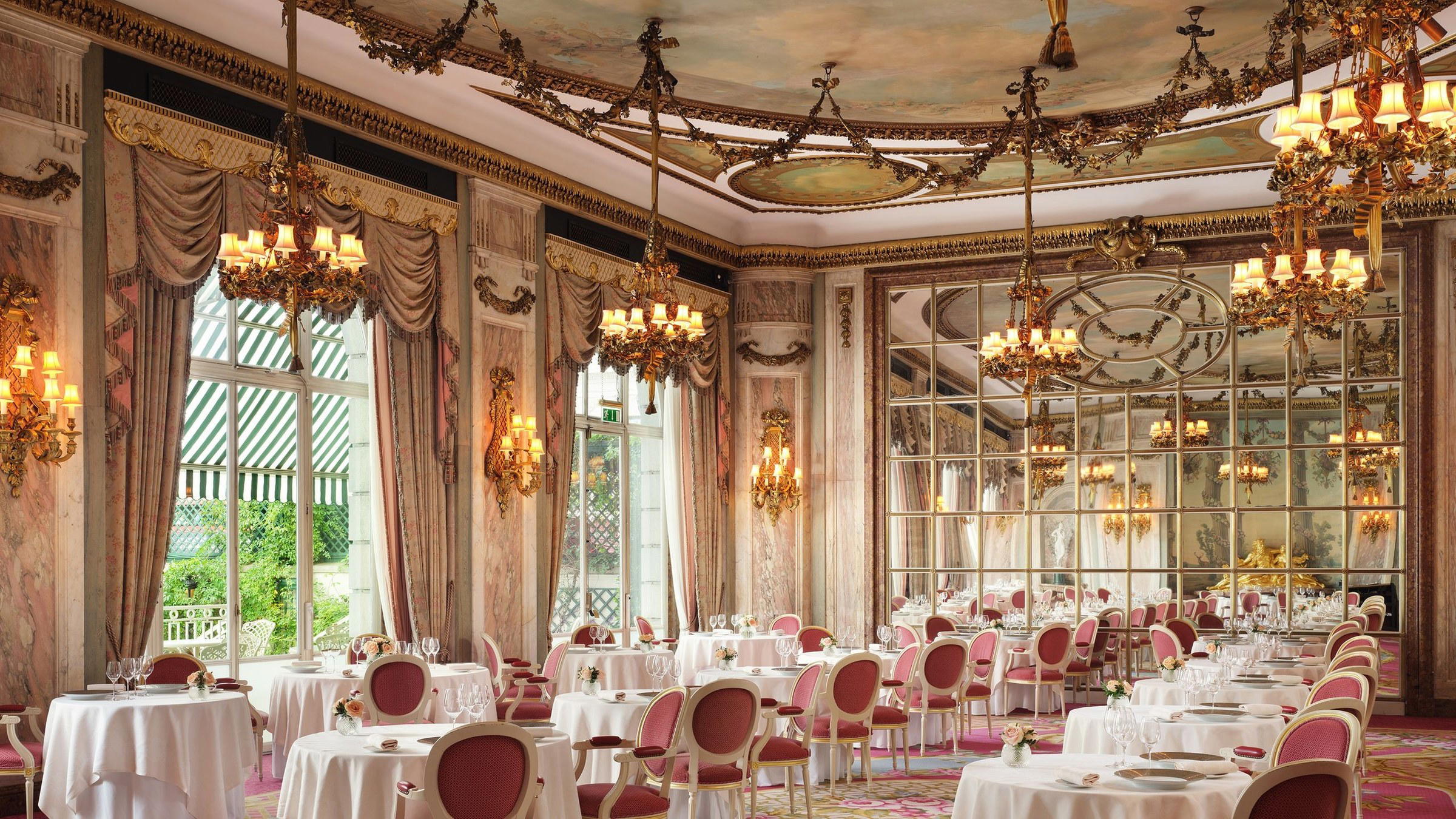
Elegant and stylish interior with flattering, intimate lighting, grand yet cozy and welcoming atmosphere.