Ikoyi



National Restaurant Awards Top 100 #24 · Falstaff Restaurant - 95 Falstaff Points
Our verdict
Ikoyi belongs to London’s high-concept dining tier, where ingredient sourcing, spice work and technical control carry more weight than old-fashioned luxury signals. Its inclusion in the National Restaurant Awards Top 100 in 2025 places it inside the city’s serious restaurant conversation, particularly for travellers tracking modern London cooking beyond French or Italian templates.

Pearl is the En Primeur Club membership app, where members save venues, book tables and use the concierge.

The menu
What to order
- Smoked jollof rice
- Aged turbot with egusi miso
- Suya with creamed peas
London can make serious restaurants feel over-signposted: polished rooms, heavy wine lists, service rituals rehearsed to the millimetre. Ikoyi sits in that same ambitious orbit but reads differently. The interest is not in spectacle for its own sake, but in how a kitchen can use a clear point of view to shift what fine dining in London sounds like, feels like and prioritises.
That distinction matters in a city where high-end dining has often been sorted by inherited categories: familiar technique, comfort scaled upward and carefully staged service. Ikoyi’s relevance comes from a different question: what happens when a restaurant is treated not as a set of luxury signals, but as the structure of the meal? Produce, pacing and detail become the argument, rather than garnish around a familiar formula.
Ingredient-led London cooking with a sharper spice register
The London restaurant scene has spent the past decade widening its definition of serious cooking. A highly considered meal no longer has to mean white tablecloth classicism, and a composed format no longer has to borrow its authority from a narrow set of reference points. Ikoyi is part of that shift: a restaurant whose reputation rests on ambition, control and a dining language that does not fit neatly into the usual fine-dining shorthand.
Its recognition is useful because it locates the restaurant among operators judged against a wider dining field, not just against local popularity. Awards and industry attention are imperfect, but they reveal consensus at the upper end: a place enters that conversation when voters and diners see consistency, ambition and a point of view that travels beyond a single room.
The sourcing angle is central to how many London restaurants now explain themselves. The city has access to strong produce and a demanding audience for restaurants that treat ingredients as more than a seasonal slogan. At many restaurants this becomes a soft-focus story. Here, the more compelling point is contrast: ingredients can take on different meaning when they are structured through a distinctive kitchen logic rather than through a default grammar of familiar richness.
That makes Ikoyi a useful lens on contemporary London. The city’s dining culture is not only broad in the casual sense; it is increasingly technical about how different influences enter ambitious rooms. The better version of that trend avoids costume and quotation. It treats flavour as architecture, not decoration, and asks whether a dish can carry intensity, balance and restraint without collapsing into noise.
Why the recognition matters in London dining
London draws a particular kind of diner: international, schedule-driven and often moving between hotels, galleries, theatre and private clubs. In that citywide market, restaurants can survive on polish alone. The more interesting ones do something harder: they make a central meal feel less predictable. Ikoyi’s position is not simply that it is recognised; it is that it gives London a modern restaurant whose identity is built around a clear internal logic rather than easy heritage cues.
Comparison helps. London has room for many registers, from direct neighbourhood dining to compact room-driven restaurants, polished all-day rooms, small-room ambition and hotel-dining settings. It also has peers such as Aquavit, FOWL, Sael, San Carlo - London and Toba, each useful for understanding how different parts of the city express hospitality. Ikoyi belongs to a narrower band: destination dining where the meal is judged on authorship, control and whether the kitchen has something to say that could not be swapped into another address.
Within that band, the ingredient conversation is not a minor detail. London diners are fluent in luxury now; they know the signals. What cuts through is specificity. A restaurant can buy impressive products and still say little. The more demanding move is to build a coherent vocabulary from choices, seasoning decisions and pacing, then hold that line through the meal.
That is where Ikoyi’s appeal is clearest for travellers. It is not the place to understand London through pub culture, bistro comfort or hotel ceremony. It is the place to understand how the city’s ambitious kitchens are moving away from inherited fine-dining categories and toward a more personal, globally literate form of London restaurant cooking.
How to place it in a London itinerary
Ikoyi makes most sense as an anchor meal rather than a casual add-on. London is built for pre- and post-dinner movement, but the restaurant itself belongs to the part of a trip where the meal is the plan. Travellers comparing London across categories can use our full London restaurants guide for dining context, then balance the trip with our full London hotels guide, our full London bars guide, our full London wineries guide and our full London experiences guide.
For a wider UK frame, it is worth setting London’s high-concept dining against destination rooms elsewhere. The contrast shows how different cities now express ambition through scale, locality and format rather than through a single national template. Ikoyi fits into that conversation because it is recognisably of London while resisting the easiest definitions of what a London fine-dining room should be.
Internationally, the same question appears in other forms: how far can a simple category be pushed before it becomes a different kind of dining experience? The point is not that every serious restaurant should look like Ikoyi. It is that serious eating is often found where a kitchen commits to a tight idea and executes it with discipline.
Frequently asked questions
Is Ikoyi child-friendly?
Ikoyi is aimed more at adult diners than families, with a London setting and recognition that points to a serious dinner service rather than a family-oriented room.
Is Ikoyi formal or casual?
Formal. Ikoyi sits in London, and its recognition places it in the polished end of the city’s dining scene.
Is Ikoyi award-winning?
Ikoyi has received recognition.
How do I find Ikoyi?
London.
Can I walk in to Ikoyi?
A walk-in is more realistic at lower-pressure restaurants than at a London dining room with Ikoyi’s level of recognition. Planning ahead is the safer approach for Ikoyi.
What's the defining dish or idea at Ikoyi?
Ikoyi is defined by a serious, distinctive approach to London dining rather than by a single classic restaurant category. Its London setting and recognition frame that position clearly.
Is Ikoyi allergy-friendly?
For allergies, advance notice matters at any serious London dining room, including Ikoyi. The practical move is to check the venue's official channels before booking so the kitchen can assess what can be accommodated.
How It Stacks Up
Comparable venues by cuisine and price in the same metro.
| Venue | Cuisine | Price | Awards | Notes |
|---|---|---|---|---|
| IkoyiThis venue (the venue you are viewing) | Spice‑Driven Modern Tasting Menu with African Influences | $300–500 | National Restaurant Awards Top 100 #24 · Falstaff Restaurant - 95 Falstaff Points | Not listed |
| Toba | Authentic Indonesian | $50–100 | Not listed | Not listed |
| FOWL | Modern British Chicken-Focused | $20–30 | Michelin Plate | Not listed |
| Sael | Modern British Brasserie | $50–100 | Michelin Plate · AA Rosettes 3 Rosettes | Modern British |
| San Carlo - London | Authentic Regional Italian with Seafood and Steak | Not listed | Not listed | Not listed |
Recognition history
Dated appearances from independent guides and award organizations, with the underlying list record or original source where available.
Falstaff Restaurant - 95 Falstaff Points
Falstaff
National Restaurant Awards Top 100 #24 · No. 24
National Restaurant Awards · 2026 National Restaurant Awards Top 100
Opinionated About Dining Top Restaurants in Europe Ranked #55
Opinionated About Dining
Full recognition history (4 entries)
National Restaurant Awards Top 100 #16
National Restaurant Awards
Continue exploring
More in London
Restaurants in London
All restaurants in London →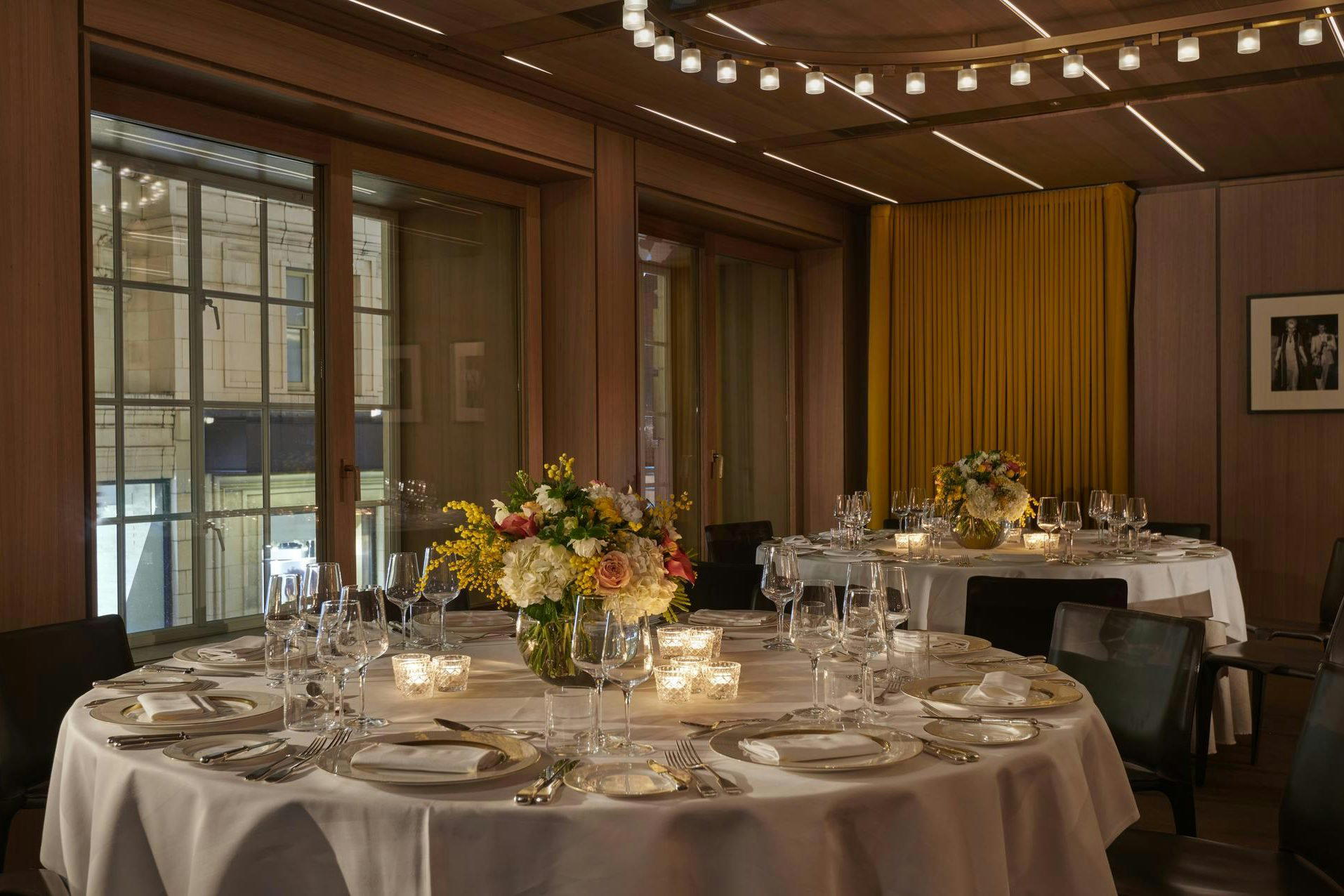
Bars in London
All bars in London →



Ikoyi
The wine
- Wine program
- Deep wine list
- Extensive wine list
- Sommelier-led
- Craft cocktails
Details
- Elegant
- Sophisticated
- Modern
- Intimate
- Minimalist
- Date Night
- Business Dinner
- Special Occasion
- Celebration
- Private Event
- Private Dining
- Design Destination
- Standalone
- Extensive Wine List
- Sommelier Led
- Craft Cocktails
- Farm To Table
- Local Sourcing
- Sustainable Seafood
- Tasting Menu
- Wine
- Cocktails
- Allergy Accommodating
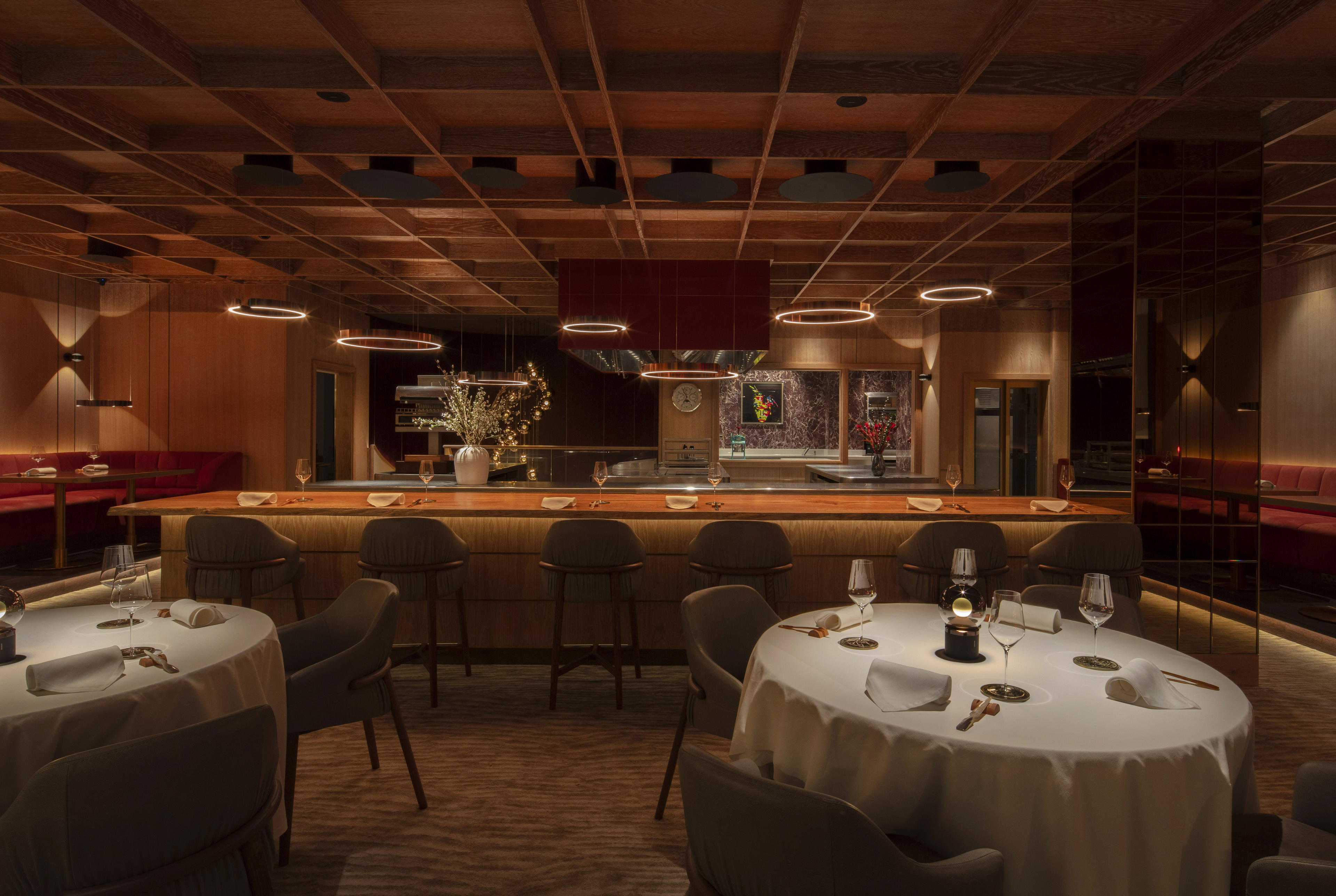
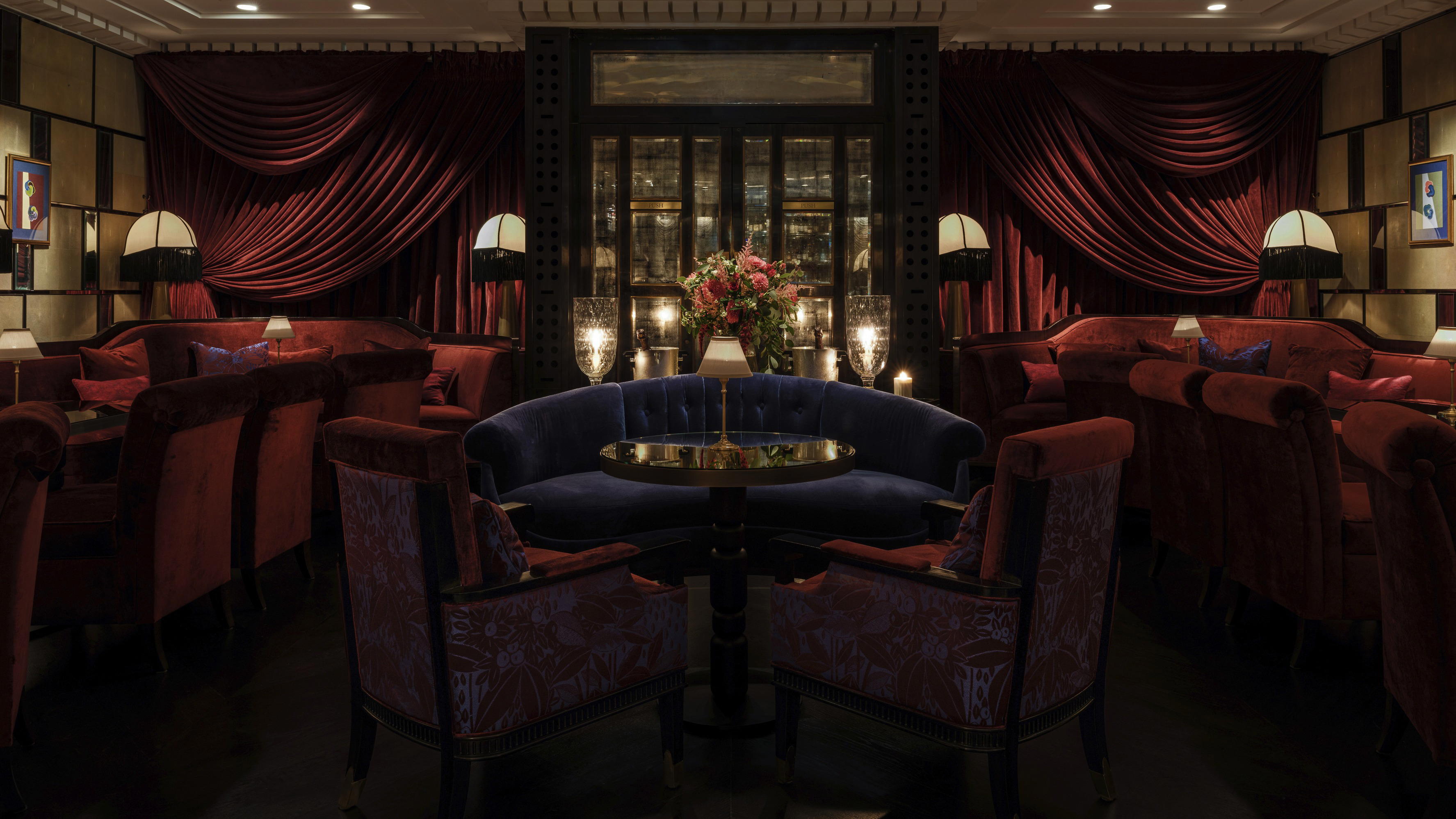
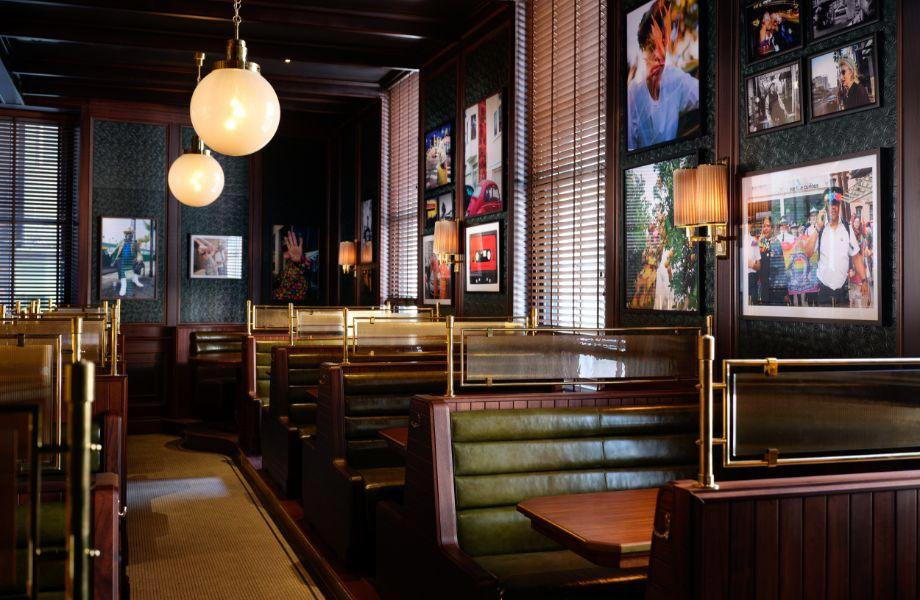
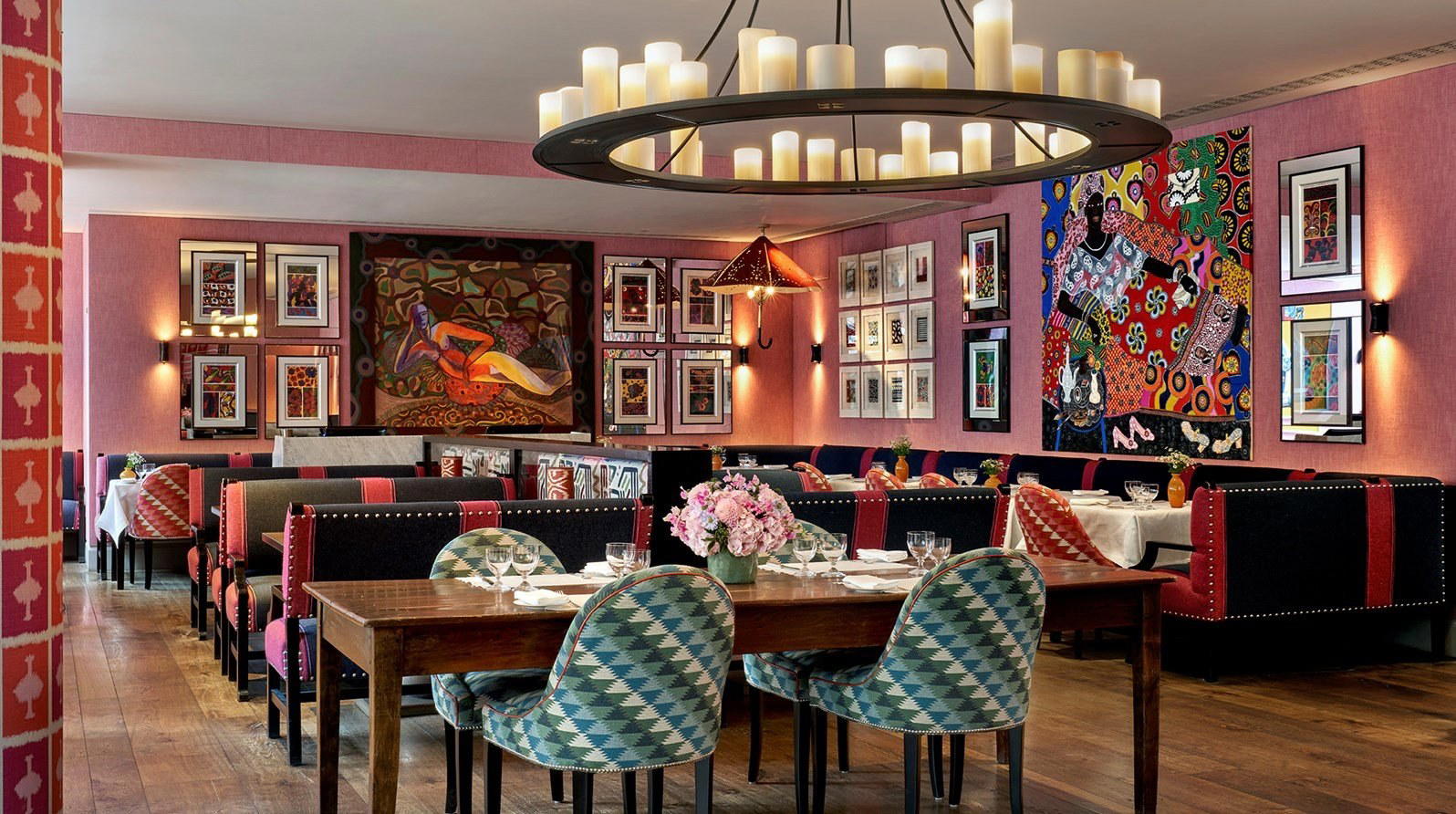
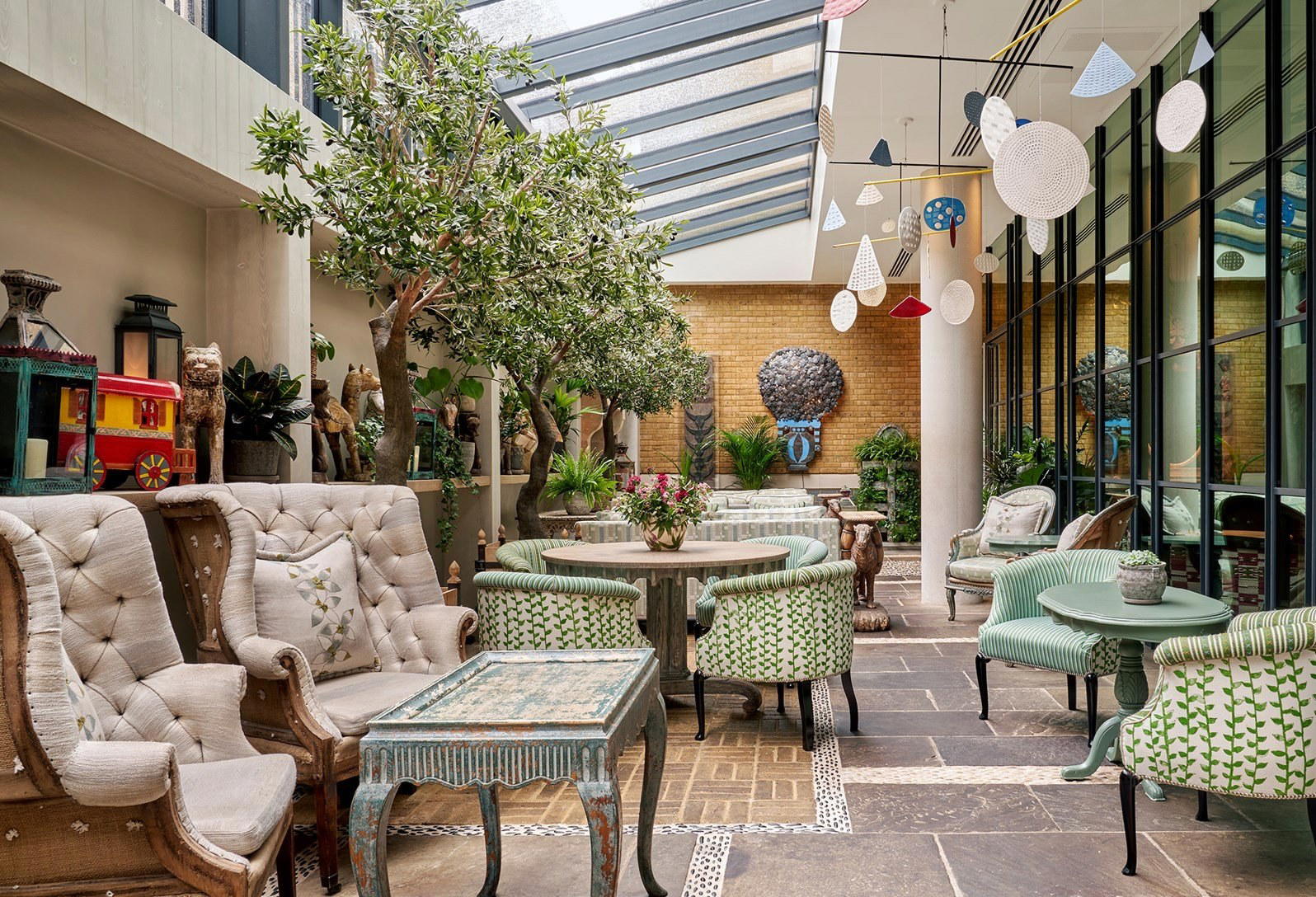
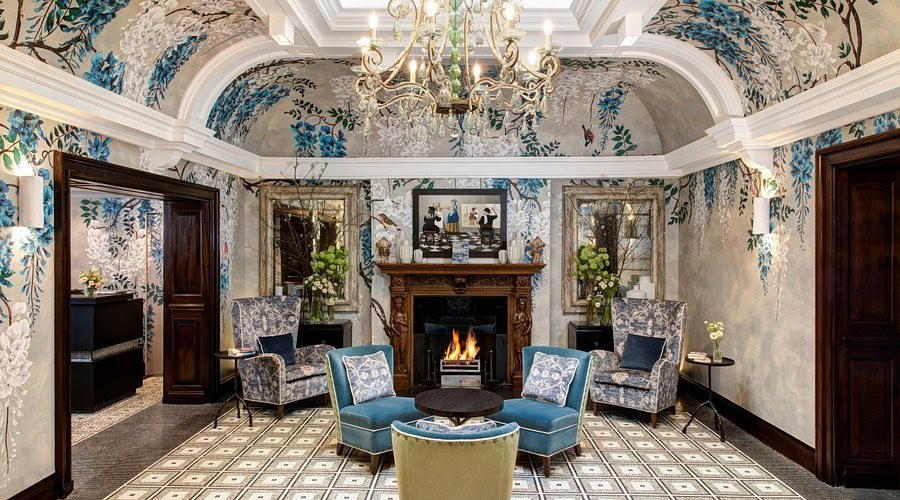
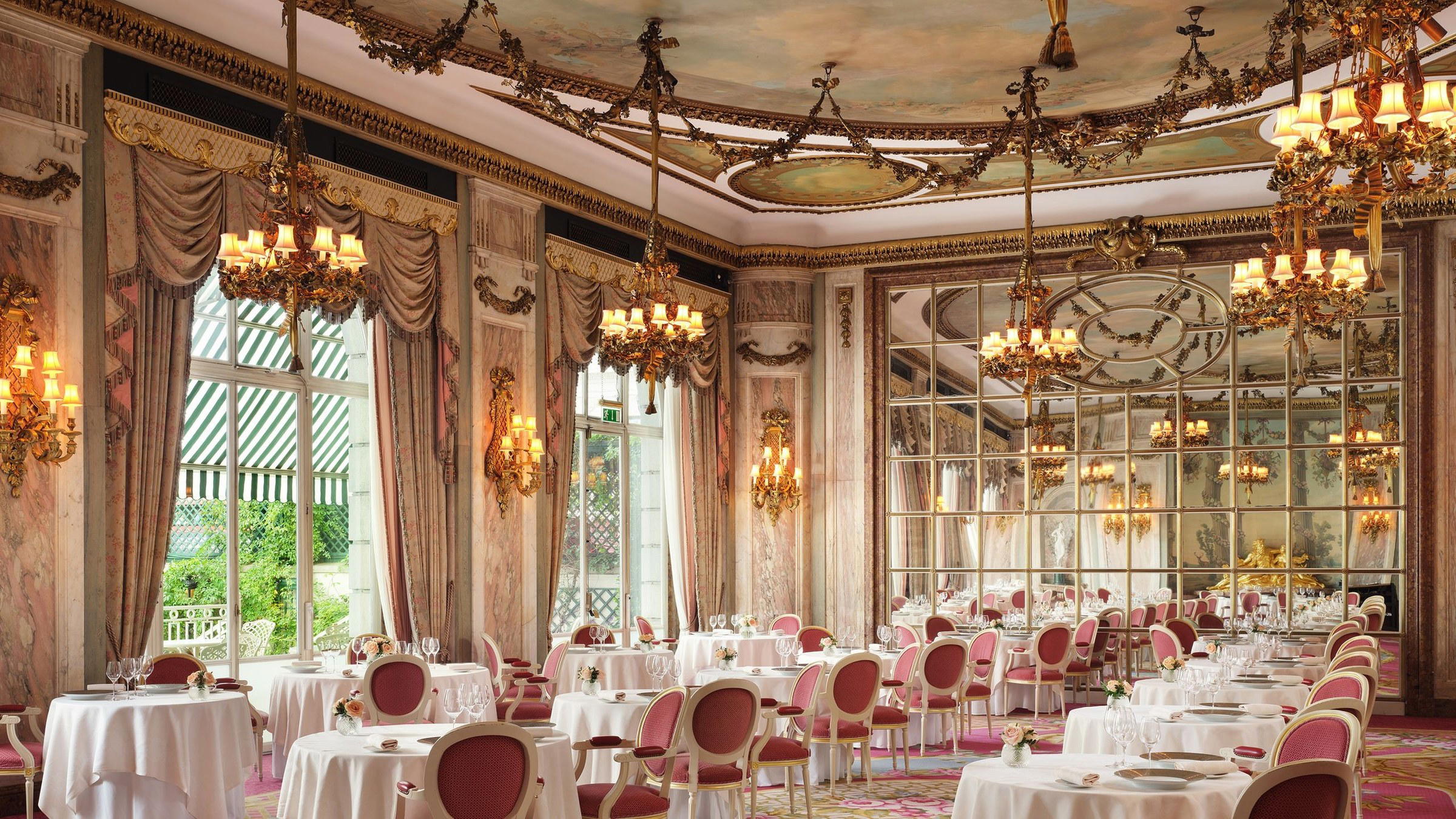
An intimate, contemporary dining room with minimalist, design-forward interiors, warm but subdued lighting, and a calm, hushed atmosphere focused on the theatre of the tasting menu.