Ting
Perched on Level 35 of The Shard at 31 St Thomas Street, Ting offers one of London's most spatially distinctive dining experiences, with panoramic views across the city skyline framing a menu that draws on Asian and British influences. The restaurant sits at a tier where the view is part of the architecture of the meal, positioning it within London's broader conversation about destination dining above the roofline.
Pearl is the En Primeur Club membership app — saves, bookings, and concierge access live there. Same editors, same standards.
- Address
- Level 35, 31 St Thomas St, London SE1 9QU, United Kingdom
- Phone
- +44 20 7234 8108
- Website
- ting-shangri-la.com
- Directions
- Get directions
 Saves & bookings on Pearl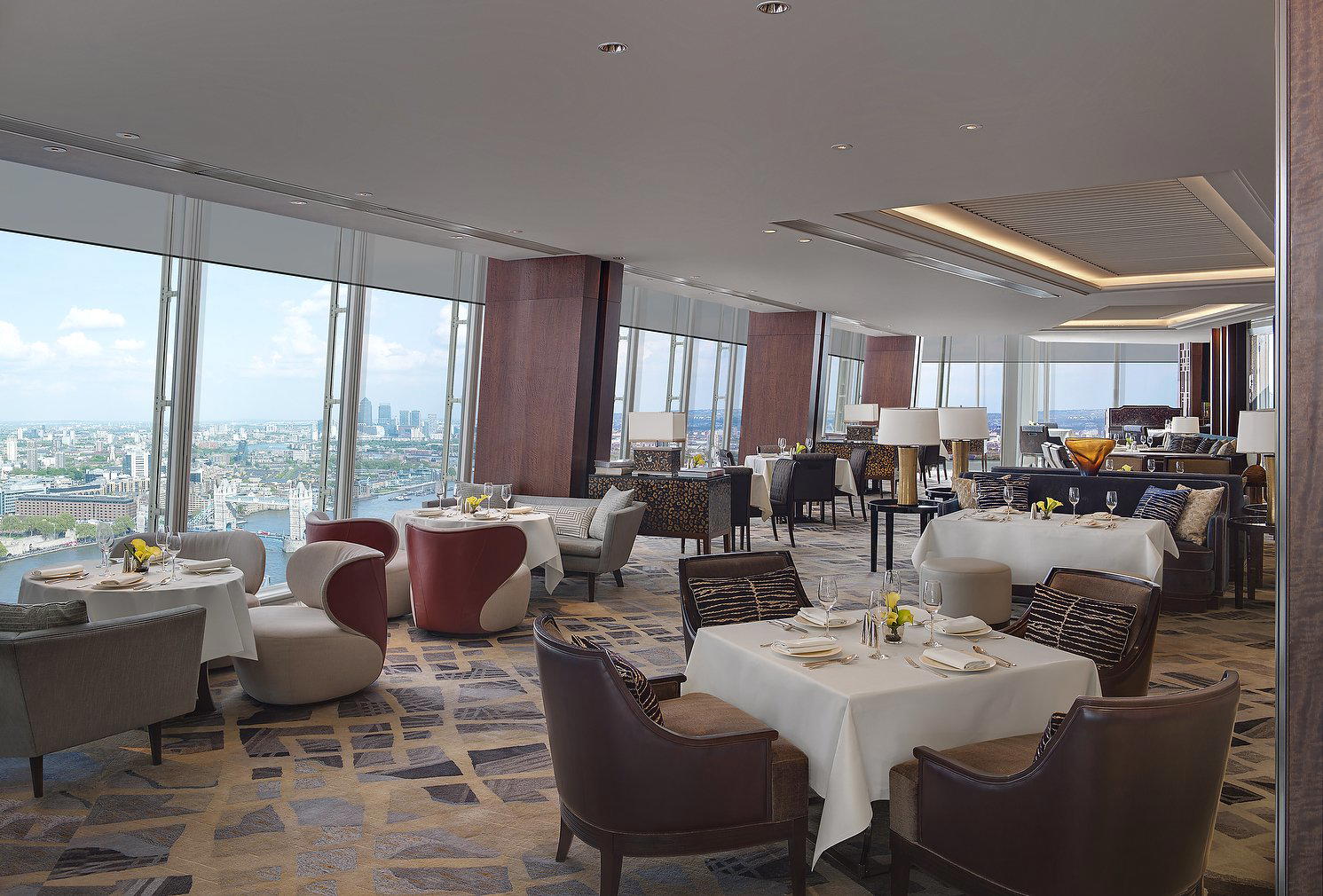
If you eat at one height in London, make it this one
London's skyline dining scene has matured past the novelty phase. The early wave of rooftop and high-rise restaurants where altitude substituted for culinary ambition has largely been displaced by a smaller group of venues that treat elevation as a spatial frame rather than a headline act. Ting, occupying Level 35 of The Shard at 31 St Thomas Street, SE1, belongs to this more considered tier. The view is real, St Paul's, the Thames, Canary Wharf, the City, but the menu is designed to hold its own independently of what's outside the glass.
That distinction matters in a city where London's ££££-tier restaurants now cluster around a defined set of expectations: creative tasting menus, sourcing credentials, and kitchen lineage that connects back to a named tradition. Ting occupies a specific position within this landscape by anchoring itself in Pan-Asian cooking while operating at a price point and address that places it alongside destination restaurants rather than hotel dining rooms that happen to have views. For comparison, the kind of Modern British or Contemporary European ambition found at CORE by Clare Smyth, The Ledbury, or Restaurant Gordon Ramsay is rooted in European technique and produce. Ting draws from a different geographic register entirely, which gives it a distinct position within London's premium dining map.
How the menu is structured, and what that tells you
The menu at Ting draws on a range of Asian culinary traditions, with British seasonal produce threaded through the architecture. This is not fusion in the older, reductive sense of the word. Pan-Asian menus at this price tier in London now operate through a logic of selection and restraint: specific regional techniques applied to specific ingredients, rather than a broad sweep of Asian cuisines assembled for variety. The result is a menu where the structure itself signals intent.
At venues like Ting, the sequencing of dishes, from lighter, more acidic preparations through to richer, more textured mains, follows a format familiar from tasting menus globally, but the flavour register is markedly different from the European-trained kitchens that dominate London's top tier. Where Sketch's Lecture Room and Library or Dinner by Heston Blumenthal build around French and British reference points, Ting's kitchen operates from a different culinary vocabulary. That vocabulary, ferments, umami-forward broths, precisely applied heat, requires a different kind of literacy from the diner, and rewards it.
The menu architecture also reflects the physical context. Dining at altitude, with the visual weight of the city below, tends to shift pacing. Meals here unfold more slowly than a basement dining room in Mayfair; the light changes across the meal, particularly at lunch, when the sun moves across the South Bank. Kitchens at this kind of address learn to account for that rhythm, and menus that work in that environment tend to be calibrated accordingly, not rushed, not overloaded, built to sustain attention over two hours or more.
Where Ting sits in London's premium dining conversation
London's premium restaurant tier has consolidated around a relatively small number of formats. At one end, the tasting-menu counter, intimate, chef-driven, sparse in décor, has become the dominant model for serious culinary ambition, represented by venues across the city from Notting Hill to the City fringe. At the other, destination restaurants in premium hotel buildings occupy a different brief: they need to work for hotel guests, business diners, celebratory tables, and solo travellers simultaneously. The menu architecture at these addresses tends to be broader, more accommodating of different appetites and budgets within a single service.
Ting sits within this second category but operates it with more specificity than most. The Asian-influenced menu gives it a clearer identity than a generic international hotel restaurant, and the address, The Shard, London Bridge, positions it within Southwark's evolving premium dining cluster rather than the historic West End or Mayfair concentration.
The Shard itself opened in 2012, making Ting part of a relatively recent chapter in London's architectural and hospitality history. Ting is a restaurant in London on Level 35 of The Shard, serving modern British with Asian influences, at about $100 per person. The building's mixed-use format, offices, hotel, observation deck, restaurants, places Ting in a peer group that includes destination restaurants within landmark buildings internationally, where the building's draw amplifies the restaurant's reach without replacing its identity. Internationally, the comparison set includes venues like Le Bernardin in New York or Atomix in New York City, which operate at the intersection of serious culinary programs and distinctly recognisable addresses.
Within the UK, the conversation about destination dining tends to migrate outside London for its highest-ambition formats. Venues like L'Enclume in Cartmel, Moor Hall in Aughton, The Fat Duck in Bray, Gidleigh Park in Chagford, Hand and Flowers in Marlow, and Le Manoir aux Quat' Saisons in Great Milton represent a rurally anchored tradition of serious cooking tied to estate produce and overnight stays. Ting's proposition is different: it is a city restaurant that rewards the city's geography, using the elevation and the view as a legitimate part of what the meal delivers.
Planning your visit
The restaurant is located at Level 35 of The Shard, accessed via the building's dedicated lifts from the ground floor entrance on St Thomas Street, SE1 9QU. The London Bridge station (National Rail and London Underground) is the closest transport connection, making the address accessible from most parts of central London within 20 to 30 minutes.
Booking is advisable, particularly for dinner and weekend lunch, when the combination of the view and the South Bank's tourist footfall fills tables from both directions. Tables by the window are the obvious request; the floor plan at Level 35 means most seats have some city view, but the difference between a perimeter seat and a central table is significant enough to be worth specifying at time of booking.
Quick reference: Level 35, The Shard, 31 St Thomas St, London SE1 9QU.
A Pricing-First Comparison
Comparable venues nearby, for context on price, style, and recognition.
| Venue | Cuisine | Price | Notes |
|---|---|---|---|
| TingThis venue — the venue you are viewing | Not listed | $$$$ | Not listed |
| Mei Ume | Fenchurch, Chinese-Japanese Fusion | $$$$ | Not listed |
| Chotto Matte | Not listed | $$$$ | Soho, Nikkei (Japanese-Peruvian Fusion) |
| Tayēr + Elementary | Not listed | $$$$ | St Luke's, Portuguese-Chinese Fusion Bar Snacks |
| PIRANA London | Not listed | $$$$ | St. James's, Japanese-Peruvian Nikkei Fusion |
| Arcade Food Hall | Not listed | $$ | Holborn, Global Street Food & International Cuisines |
Continue exploring
More in London
Restaurants in London
Browse all →
Bars in London
Browse all →
Hotels in London
Browse all →

At a Glance
- Elegant
- Sophisticated
- Modern
- Special Occasion
- Date Night
- Celebration
- Hotel Restaurant
- Panoramic View
- Extensive Wine List
- Local Sourcing
- Skyline
Current opening hours
- Monday
- 12:30–3 PM
- Tuesday
- 12:30–3 PM
- Wednesday
- 12:30–3 PM
- Thursday
- 12:30–3 PM
- Friday
- 12:30–4 PM
- Saturday
- 12:30–4 PM
- Sunday
- 12:30–4 PM
Hours can change for holidays and private events. Last verified .
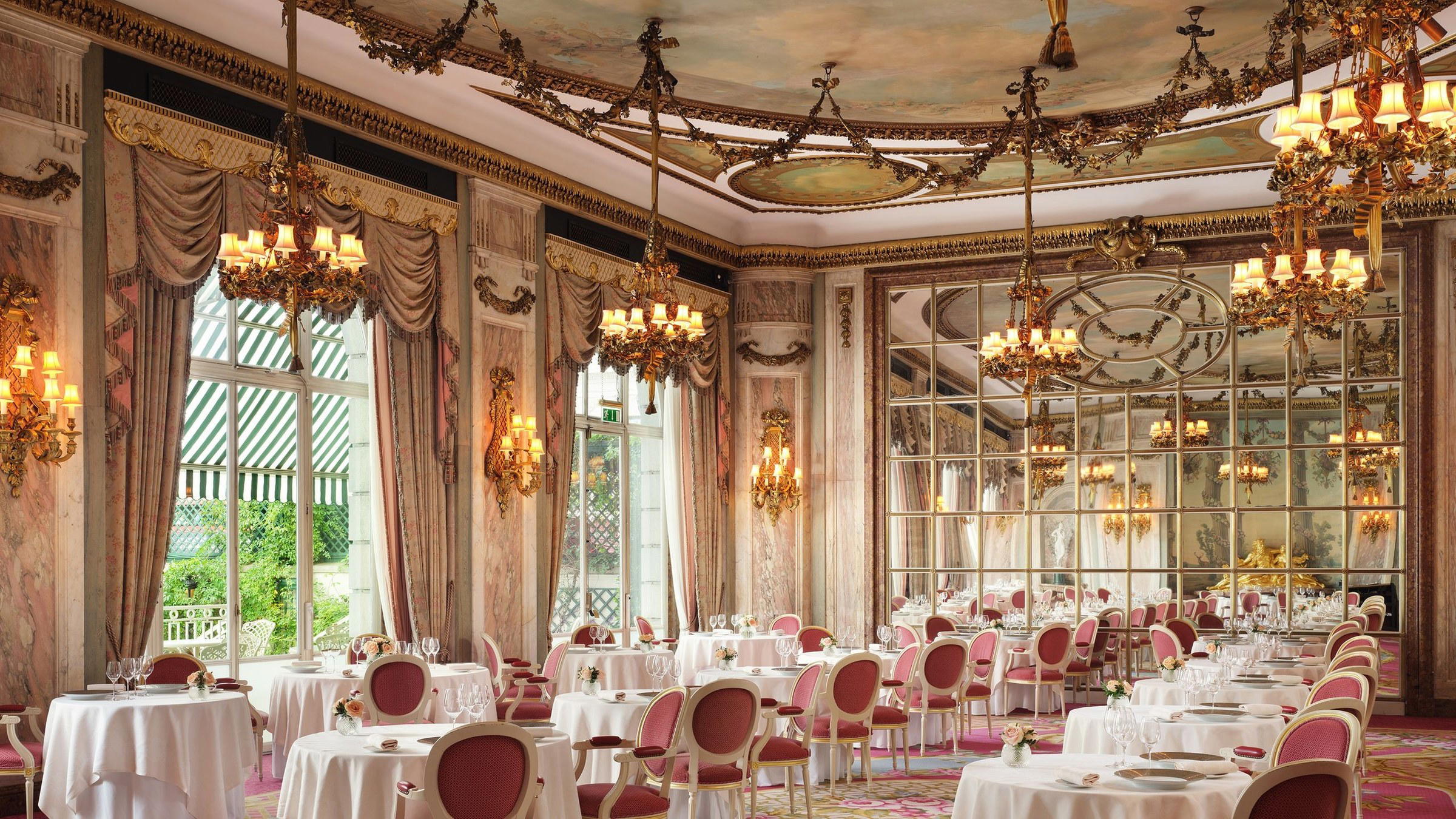
Elegant and stylish with Chinoiserie design, floor-to-ceiling windows offering dramatic city vistas, and a luxurious atmosphere.