Medusa The Greek
Our verdict
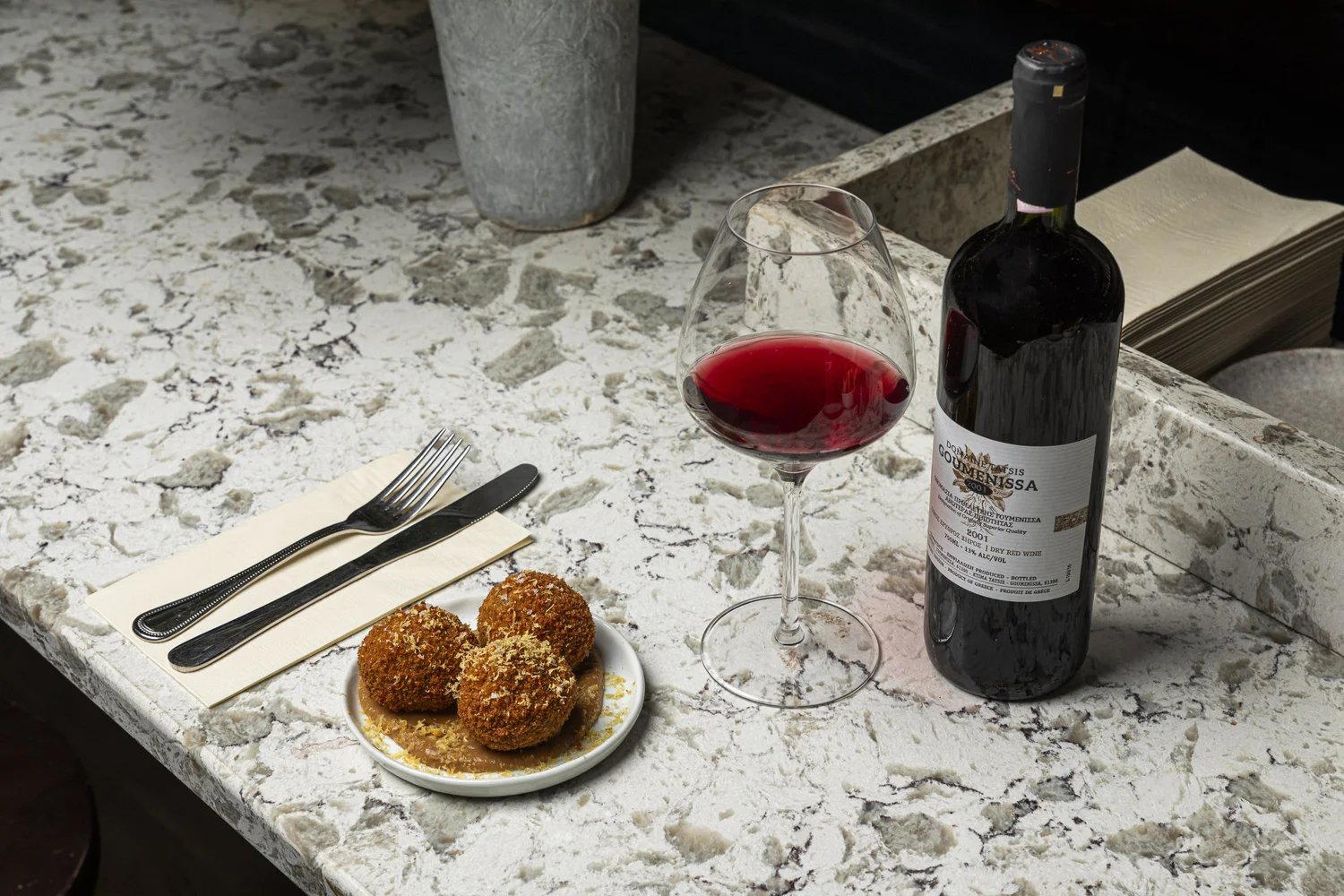
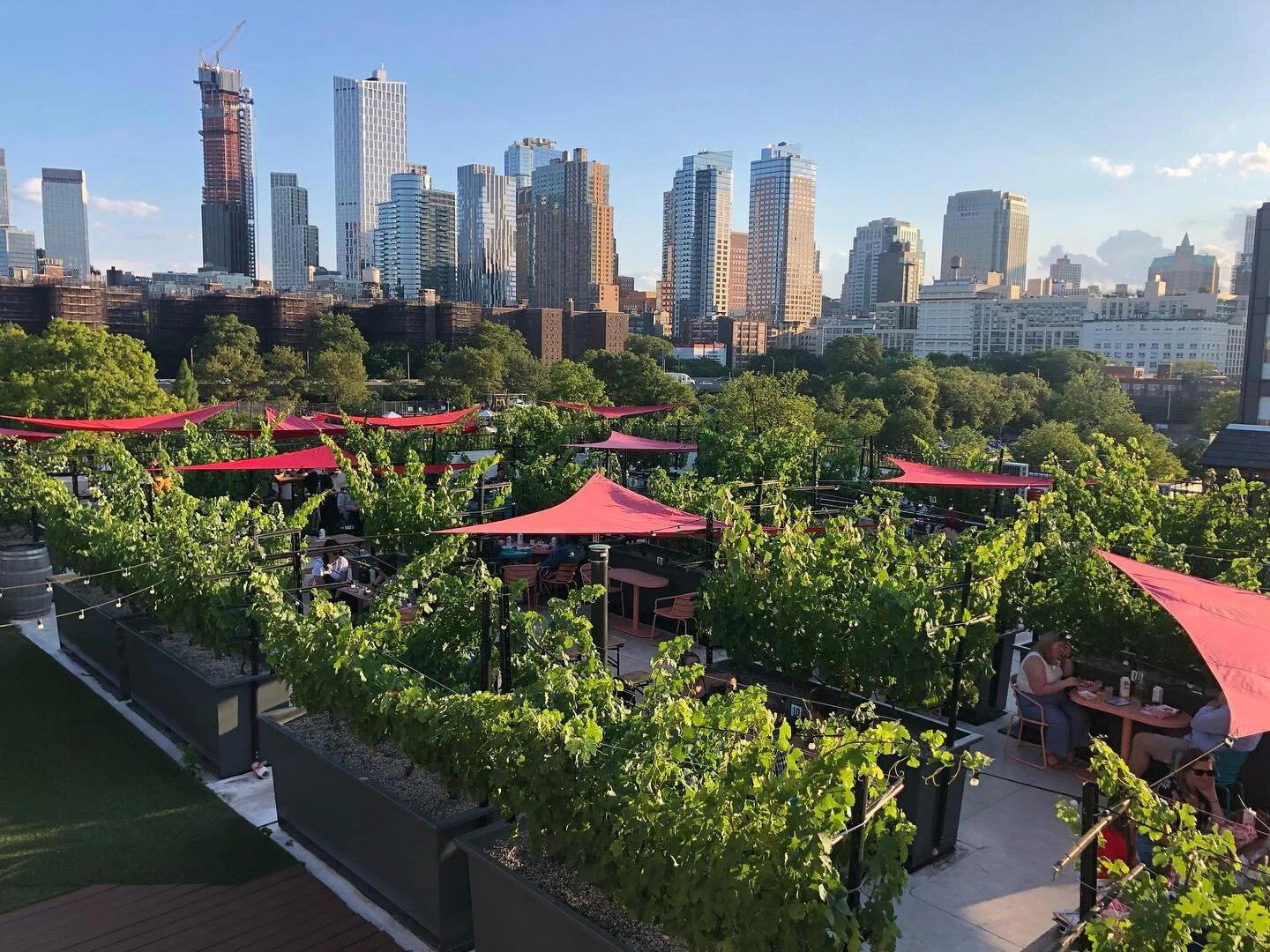
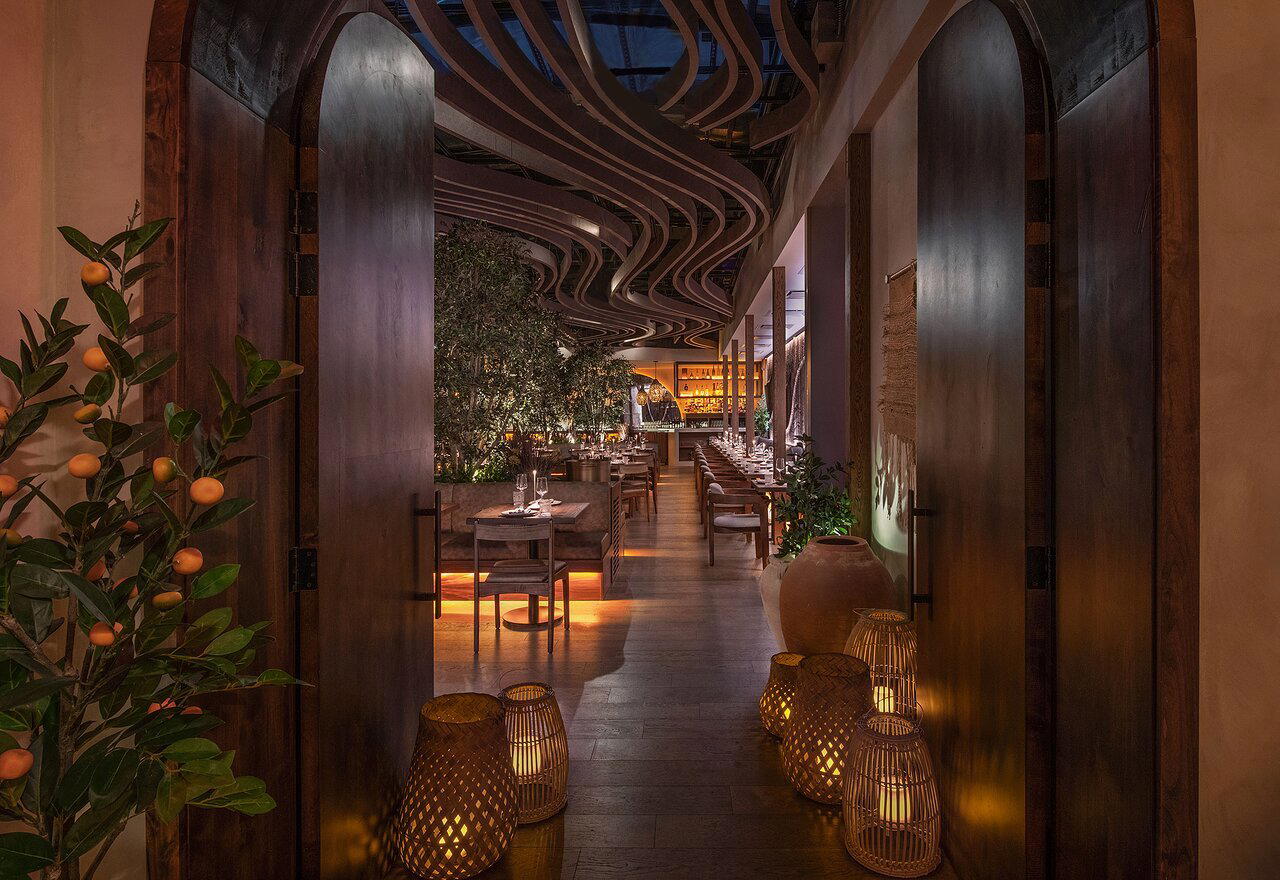
Medusa The Greek serves modern Greek taverna dishes with craft cocktails, local sourcing, and a casual dress code for dinner, late night, or brunch.

Pearl is the En Primeur Club membership app, where members save venues, book tables and use the concierge.
The menu
What to order
- Pastitsio
- Spanakopita
- Gyros
- Grilled Octopus
- Lobster Pasta
Brooklyn's Greek Table in Context
Park Slope has spent the better part of two decades consolidating a reputation as one of Brooklyn's more food-serious neighbourhoods. The stretch of 5th Avenue running through it carries a cross-section of the borough's dining character: neighbourhood staples with genuine culinary ambition sitting alongside newer arrivals angling for a wider audience. Medusa The Greek, at 133 5th Ave, occupies that street as part of a broader pattern in New York's contemporary Greek dining scene, where the cuisine has moved well beyond the diner-and-gyro shorthand that once defined it for much of the city.
Greek cooking in New York has undergone a quiet but meaningful repositioning over the past decade. A handful of restaurants across Manhattan and Brooklyn have worked to reframe the cuisine around its regional specificity: the distinction between Aegean island cooking and Macedonian traditions, the centrality of olive oil sourcing, the discipline required to handle whole fish correctly. Medusa The Greek enters that conversation on the Brooklyn side of the East River, serving a neighbourhood that has appetite for this kind of considered, produce-driven approach.
What the Address Signals
The 5th Avenue address places Medusa The Greek in a competitive corridor where foot traffic is reliable but repeat custom is the real measure. Park Slope diners tend to be regular rather than destination-driven, which means the kitchen's consistency matters more than opening-night momentum. Greek restaurants that sustain themselves in New York's mid-Brooklyn neighbourhoods generally do so through a combination of generous portions, wine lists that reach into the Aegean and northern Greek appellations, and a cooking style that reads as accessible without being reductive. The cuisine allows for this range: mezze formats work at multiple price points, grilled proteins translate well to casual and more considered settings alike, and the dairy and vegetable traditions of Greek cooking give kitchens real flexibility.
For context on how New York's upper dining tier is structured, the Michelin-starred end of the city's restaurant scene is concentrated heavily in Manhattan. Properties like Le Bernardin, Per Se, and Atomix operate at price points and booking difficulties that place them in a different competitive set entirely. Medusa The Greek's positioning on 5th Avenue in Park Slope signals something different: a neighbourhood-anchored restaurant with Greek specificity, where the transaction is more immediate and the experience less ceremonial. That is not a lesser category. It is simply a different one, and in New York's outer-borough dining culture, it is often the more durable model.
Planning Your Visit: The Booking Experience
Greek restaurants in Park Slope at this address profile tend to operate on a hybrid model: walk-in seating available at the bar or for smaller parties earlier in the week, with reservations recommended or required for weekend tables and groups. The 5th Avenue corridor sees steady evening traffic from Thursday through Sunday, and any restaurant that has established a following in this stretch will fill its prime sittings reliably.
If you are planning around a specific date, contacting the venue in advance is the appropriate move regardless of the formal reservation policy. For restaurants of this type, the Thursday evening slot is often the most sensible entry point: service is typically more relaxed than the weekend, the kitchen is operating at full pace, and the dining room has not yet reached the volume that can compromise pacing. Weekend tables on 5th Avenue in Park Slope fill from 7pm onward, and walk-in availability after that point is unpredictable.
Those planning around dietary needs should raise requirements at the point of booking rather than on arrival. Greek cooking has structural advantages here: legume-based dishes, vegetable preparations, and grilled proteins give kitchens real latitude to accommodate common restrictions without improvising under pressure. Confirming ahead of time simply gives the kitchen the ability to prepare properly.
Greek Cooking and What Distinguishes It in New York
The cuisine Medusa The Greek draws on is one of the Mediterranean's most internally varied. The distinction between island-style cooking, with its emphasis on seafood, capers, and wild greens, and the meat-forward traditions of the northern mainland is significant enough that two Greek restaurants can feel like they are working from entirely different source materials. In New York, where Greek restaurants have historically compressed these regional differences into a single menu, the more interesting operators are now signalling their regional affiliations more clearly.
Whole fish cookery is one of the clearest markers. A kitchen that handles sea bream or sea bass correctly, roasting over high heat with olive oil and herbs rather than masking with heavy sauce, is making a statement about its relationship to the source tradition. Similarly, the mezze selection tells you a great deal about a kitchen's priorities: a taramosalata made in-house, a proper tirokafteri with some actual heat, and spanakopita with filo that shatters cleanly are the kind of signals that separate technically serious Greek kitchens from those running on formula.
Wine is the other dimension. Greek appellations, particularly from Santorini's Assyrtiko and the Xinomavro-based reds of Naoussa and Amyndeon, have gained meaningful traction in New York's more engaged wine programmes over the past several years. A Greek restaurant that builds its list around these appellations rather than defaulting to generic international selections is signalling genuine investment in the pairing logic of the cuisine.
How Medusa The Greek Fits the Broader New York Picture
New York's outer-borough dining has produced some of the city's more durable restaurants precisely because the model is built around neighbourhood utility rather than destination spectacle. The city's most discussed restaurant addresses, those driving the kind of coverage that places like Masa and Jungsik New York receive, operate on a different logic entirely. Medusa The Greek is part of a category that includes some of New York's most consistent cooking: restaurants without the awards apparatus of the Manhattan fine-dining tier but with the kind of regular custom that sustains genuine kitchen discipline.
For a fuller picture of where New York's restaurant scene is moving, our full New York City restaurants guide maps the city's dining by neighbourhood, price tier, and cuisine tradition. Readers comparing Greek cooking in New York to Greek-influenced programming at destination restaurants in other American cities will find useful reference points in properties like Blue Hill at Stone Barns in nearby Tarrytown or, further afield, The French Laundry in Napa and Alinea in Chicago for how cuisine-specific ambition operates across different American markets.
Other points of comparison for readers thinking about regional cooking handled with seriousness: Providence in Los Angeles, Single Thread Farm in Healdsburg, Addison in San Diego, Lazy Bear in San Francisco, Emeril's in New Orleans, Bacchanalia in Atlanta, and The Inn at Little Washington all represent the American side of that conversation. For international reference, 8½ Otto e Mezzo Bombana in Hong Kong and Alain Ducasse at Louis XV in Monte Carlo show how cuisine-rooted identity translates at the highest international tier.
Frequently asked questions
Where is Medusa The Greek in New York City?
Medusa The Greek is located at 133 5th Ave, Brooklyn, NY 11217, New York City.
How does Medusa The Greek fit into Brooklyn's Greek dining scene compared to the Manhattan options?
Manhattan concentrates most of New York City's established Greek dining names in Midtown and the Flatiron area, leaving Brooklyn's Greek table comparatively sparse at the neighbourhood level. Medusa The Greek's position on 5th Avenue in Park Slope means it serves a residential catchment that Greek restaurants in Manhattan do not, with a repeat-customer dynamic that tends to shape menus differently than tourist-heavy corridors. That outer-borough context, Brooklyn, rather than Astoria's Greek-American stronghold in Queens, makes it an address worth tracking for those who follow the city's regional cuisine shifts.
Is Medusa The Greek reservation-only?
For a 5th Avenue Park Slope address with reliable foot traffic, many comparable neighbourhood restaurants operate a mixed walk-in and reservation model. Contacting the venue directly ahead of a weekend visit is the safest approach.
What's the standout thing about Medusa The Greek?
The address on 5th Avenue in Park Slope places Medusa The Greek in one of Brooklyn's more food-serious corridors, where repeat custom rather than tourist volume drives a restaurant's durability. Greek cuisine in New York City is a crowded category downtown but considerably less contested at the neighbourhood level in Brooklyn, which gives a well-executed Greek table on this stretch a natural differentiation. Beyond location, verified distinguishing detail requires a direct visit.
Cuisine Context
Comparable venues nearby, for context on price, style, and recognition.
| Venue | Cuisine | Price | Notes |
|---|---|---|---|
| Medusa The GreekThis venue (the venue you are viewing) | Modern Greek Taverna | $30–50 | Not listed |
| Elia | Authentic Greek | $50–100 | Bay Ridge |
| GRECA | Modern Greek | $30–50 | Tribeca-Civic Center |
| Ammos Estiatorio | Upscale Greek Seafood | $50–100 | Midtown-Times Square |
| Skinos | Modern Greek | Not listed | Financial District-Battery Park City |
| Kyma Hudson Yards | Upscale Greek Mediterranean Seafood | $50–100 | Chelsea-Hudson Yards |