Ammos Estiatorio
Ammos Estiatorio, at 52 Vanderbilt Ave in Midtown Manhattan, brings Greek seafood traditions to one of New York City's most transit-connected dining corridors. The kitchen anchors its menu in the sourcing logic of the Greek coast, where the quality of the catch determines the day's direction. For Midtown, that orientation toward ingredient-led simplicity is a meaningful counterpoint to the area's heavier tasting-menu culture.
Pearl is the En Primeur Club membership app — saves, bookings, and concierge access live there. Same editors, same standards.
- Address
- 52 Vanderbilt Ave, New York, NY 10017
- Phone
- +12129229999
- Website
- ammosny.com
- Directions
- Get directions
 Saves & bookings on Pearl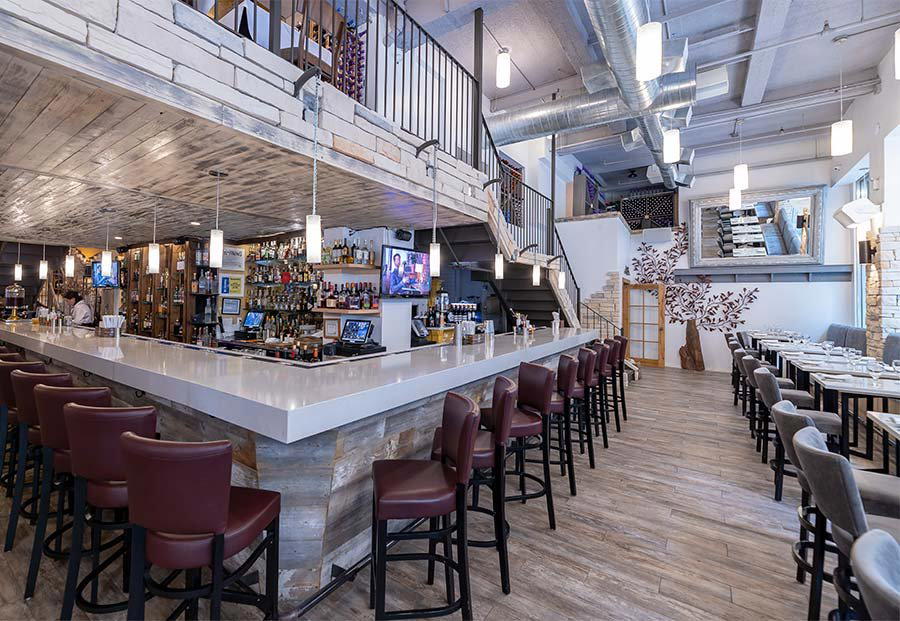
Greek Seafood in Midtown: Where the Ingredient Is the Argument
Greek coastal cooking has a longer and more rigorous relationship with ingredient sourcing than most of the Western world tends to credit. Long before farm-to-table became a marketing framework in American fine dining, Greek estiatorios were built around a single organizing principle: the fish you serve today is the fish that arrived today. Ammos Estiatorio, at 52 Vanderbilt Ave in Midtown Manhattan, operates inside that tradition, one where the sourcing logic of the Aegean informs what appears on the plate and when.
That approach places Ammos in a distinct position within New York City's seafood dining tier. The city's most-discussed seafood destination, Le Bernardin, operates through the lens of French technique applied to premium fish. Masa and the Japanese omakase tradition treat sourcing as ceremony. Greek estiatorio cooking offers something structurally different: fewer interventions, a greater reliance on the integrity of the primary ingredient, and a preference for preparations that subordinate technique to quality. That philosophy is not simple, it is demanding in a different register.
The Sourcing Tradition Behind the Menu
The estiatorio format, as it developed along the Greek coast and in the better Athenian dining rooms, is not a casual one. It sits above the taverna in both formality and price expectation, and its prestige has historically tracked closely to the provenance of its seafood. In Greece, the great estiatorios built their reputations on direct relationships with fishermen, daily market buying, and the discipline to edit a menu rather than extend it. Whole fish, sold by weight, grilled over wood or charcoal, finished with olive oil and lemon, the format resists embellishment because embellishment is beside the point when the fish is good.
In New York, that model faces real adaptation challenges. The Aegean is not the Atlantic, and the logistical chain between a Greek fishing village and a Midtown kitchen is not short. Restaurants operating in this tradition in American cities, and there are only a handful that do so at any serious level, navigate a sourcing question that their Athenian counterparts do not. The answer, when it works, involves a combination of imported Greek products for pantry staples (olive oils, certain cheeses, preserved items) and relationships with domestic suppliers whose catch quality can carry the format's demands.
This is where the comparison to other ingredient-led American restaurants becomes useful. Properties like Blue Hill at Stone Barns in Tarrytown and Single Thread Farm in Healdsburg have made sourcing the explicit editorial center of their dining experience. Providence in Los Angeles applies a similar discipline specifically to seafood, with an emphasis on sustainable sourcing credentials. Ammos operates in the same ethical and practical territory, though through a Mediterranean cultural frame rather than a California-inflected one.
Midtown's Dining Geography and Where Ammos Sits
The Vanderbilt Avenue address places Ammos in Midtown Manhattan, directly adjacent to Grand Central Terminal. That geography shapes the clientele and the dining rhythm. Midtown's lunch trade skews toward expense-account professionals and business travelers; dinner sees more deliberate, destination-driven tables. For a restaurant rooted in a tradition where the meal is expected to take time, where a whole fish arrives at the table and is served in two courses, where the wine list reads as a document of Greek regional viticulture, dinner often fits best.
Within Midtown's competitive set, Ammos occupies a different register than the French-coded tasting menus at Per Se or the prix-fixe formality of Eleven Madison Park. It is also a different proposition from Atomix, where the tasting menu format and Korean culinary architecture demand a specific kind of focused attention. The estiatorio model allows for a more lateral dining experience, a table orders across the menu, dishes arrive in sequence but without the rigidity of a set progression, and the meal expands or contracts according to appetite and mood.
Greek Wine and the Beverage Dimension
Any serious Greek estiatorio in the United States carries an obligation to the wine program, and the past decade has substantially changed the terms of that obligation. Greek viticulture has moved from a novelty category to a recognized fine-wine region, with Assyrtiko from Santorini now appearing on lists at Michelin-recognized restaurants across Europe and North America. Xinomavro from Naoussa draws legitimate comparisons to Nebbiolo in structure and aging potential. A wine program built around Greek appellations is no longer a curiosity; it is a legitimate curatorial choice that requires knowledge and supplier access to execute well.
That context matters at a restaurant where the food is built around the same geography. The mineral salinity of a good Assyrtiko is not an abstract pairing note when the dish across from it is grilled fish with lemon and olive oil, it is a functional relationship that reflects centuries of table culture in the same region. Restaurants elsewhere in the United States working with serious regional beverage programs, Frasca Food and Wine in Boulder with its Friuli focus, Smyth in Chicago with its producer-driven list, illustrate how regional coherence in a wine program elevates the editorial identity of a room. A Greek estiatorio that takes its cellar as seriously as its kitchen operates in the same spirit.
Planning Your Visit
| Detail | Ammos Estiatorio | Le Bernardin | Per Se | Eleven Madison Park |
|---|---|---|---|---|
| Address | 52 Vanderbilt Ave, NY 10017 | 155 W 51st St | 10 Columbus Circle | 11 Madison Ave |
| Cuisine Style | Greek estiatorio, seafood-focused | French, seafood | French, contemporary | French, vegan |
- Grilled Octopus
- Whole Grilled Fish
- Fagri (Mediterranean Snapper)
- Barbounia (Red Mullets)
- Saganaki
- Spanakopita
Booking and Cost Snapshot
Comparable venues nearby, for context on price, style, and recognition.
| Venue | Price | Notes |
|---|---|---|
| Ammos EstiatorioThis venue — the venue you are viewing | $$$ | Not listed |
| Lola Taverna | $$$ | SoHo-Little Italy-Hudson Square, Modern Greek with American Influences |
| Yefsi Estiatorio | $$$ | Upper East Side-Yorkville, Authentic Greek Mediterranean |
| Kellari Taverna | $$$ | Midtown-Times Square, Authentic Greek Seafood Taverna |
| Skinos | $$$ | Financial District-Battery Park City, Modern Greek |
| Dionysos Restaurant | $$ | Astoria (North)-Ditmars-Steinway, Traditional Greek and Cypriot |
Continue exploring
More in New York City
Restaurants in New York City
Browse all →
Bars in New York City
Browse all →
Hotels in New York City
Browse all →




At a Glance
- Elegant
- Sophisticated
- Modern
- Lively
- Business Dinner
- Date Night
- Group Dining
- Special Occasion
- After Work
- Private Dining
- Open Kitchen
- Extensive Wine List
- Craft Cocktails
- Beer Program
- Local Sourcing
- Sustainable Seafood
Current opening hours
- Monday
- 8–10 AM, 11:45 AM–10:45 PM
- Tuesday
- 8–10 AM, 11:45 AM–10:45 PM
- Wednesday
- 8–10 AM, 11:45 AM–10:45 PM
- Thursday
- 8–10 AM, 11:45 AM–10:45 PM
- Friday
- 8–10 AM, 11:45 AM–10:45 PM
- Saturday
- Closed
- Sunday
- Closed
Hours can change for holidays and private events. Last verified .
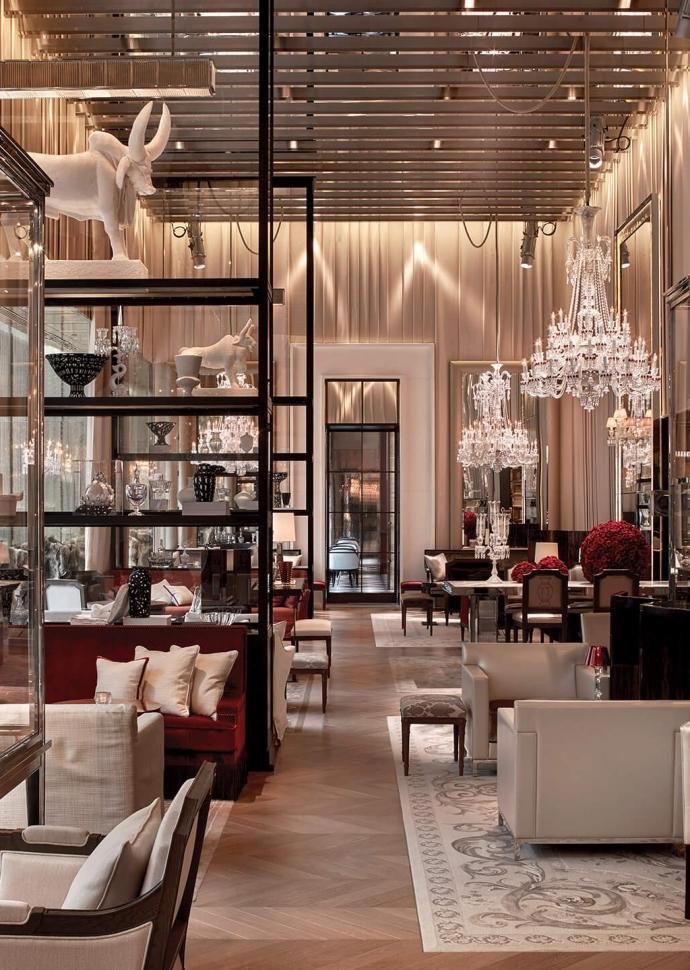
Sun-drenched Mediterranean atmosphere with open design, light woods, and weathered stones evoking the Greek islands; bright two-story space with hip and stylish interior.