
Our verdict
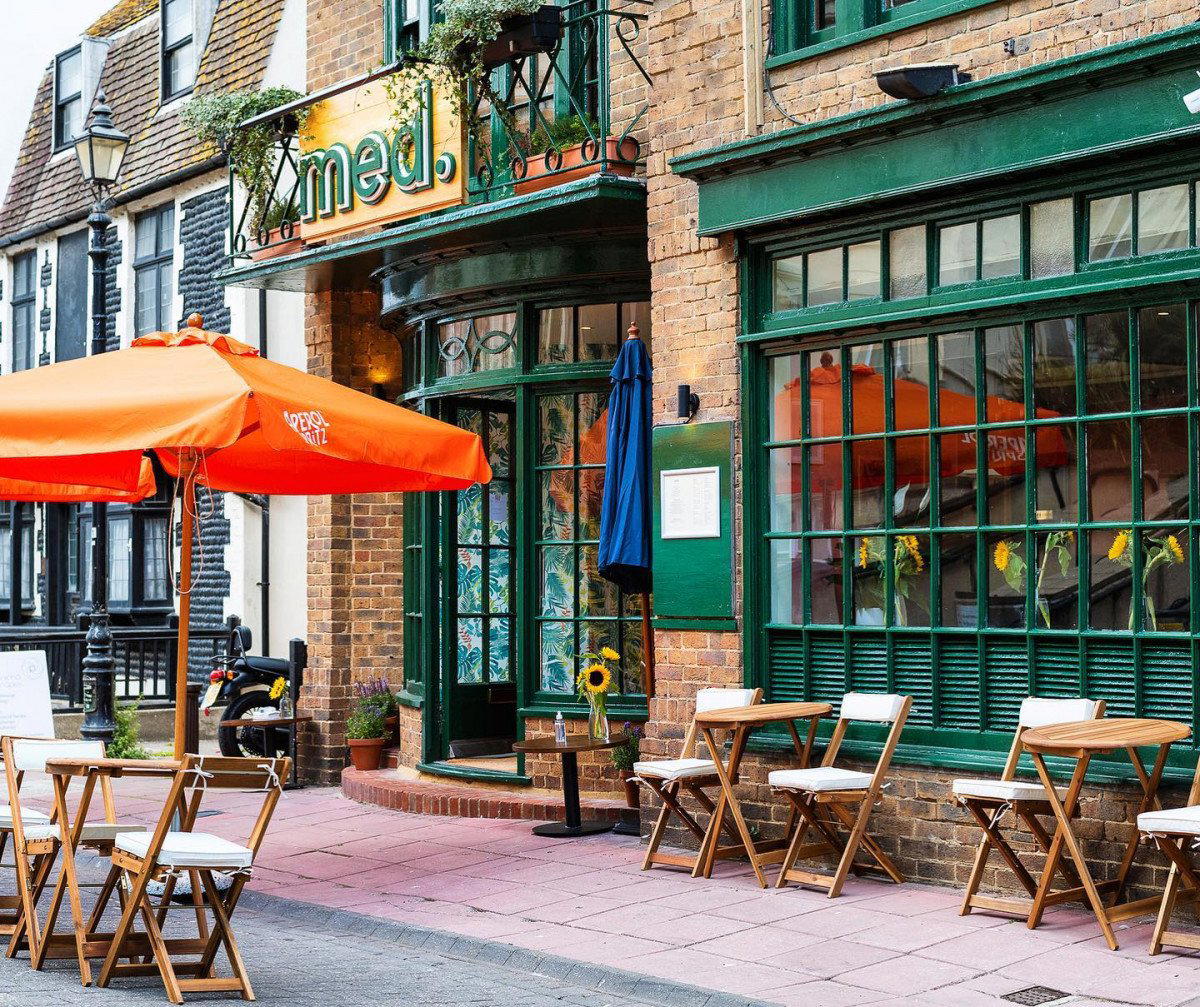
Brighton's small-plates formula has plenty of practitioners, but Med operates at a different register. Jack Southan and Will Dennard, both veterans of the city's street-food scene, combine genuinely surprising ingredient pairings with near-obsessive kitchen detail, served on a collection of vintage crockery in a low-lit, contemporary dining room on Little East Street.
The menu
What to order
- Taramasalata moules croquette
- Lychee ceviche
- Clams with chorizo
- Pork and clams
Little East Street and the Small-Plates Question
Brighton has absorbed the small-plates format so thoroughly that the format itself has become the baseline rather than the point of difference. Walk through the North Laine or down towards the seafront on any given evening and you will pass a dozen rooms offering shared dishes, rotating seasonal menus, and the familiar choreography of plates arriving in waves. The model works because Brighton diners broadly accept it, but it also means that execution and editorial instinct in the kitchen have become the only meaningful separators. Med, at 2-3 Little East Street, occupies a position where those two things are taken seriously enough to make the format feel purposeful again.
Little East Street sits at the quieter, residential edge of the city centre, a short walk from the Brighton Lanes but removed from the loudest tourist corridors. That geography matters. The room itself reads as deliberately intimate: low lighting, blue-grey banquettes, cool urban music at a volume that allows conversation, and a botanical wall feature that provides visual texture without tipping into the self-conscious decoration common to venues chasing Instagram approval. The space is run by a small team, and the atmosphere that results is closer to a neighbourhood room with genuine confidence than to a casual dining concept with a fit-out budget.
What Southan and Dennard Are Actually Doing
Jack Southan and Will Dennard arrived at Med through Brighton's street-food scene, a circuit that rewards responsiveness and precision over the steadier rhythms of a fixed kitchen. That background shows in how the menu is constructed. The pairings are specific enough to be surprising and calibrated enough to work: taramasalata alongside a moules marinière croquette finished with caviar is the kind of combination that reads as a risk on paper and resolves cleanly on the plate. Lychee ceviche with tomato and jalapeño applies the same logic from a different angle, pulling a technique associated with citrus-sharp acidity into a fruitier register without losing the structural tension that makes ceviche interesting.
The detail that distinguishes Med from comparable rooms in the city is consistently found in what surrounds the headline ingredient rather than the headline ingredient itself. Crispy potatoes, a staple of this price point and format across Brighton and beyond, arrive with a spicy sambal aïoli rather than a generic house mayo. Beef carpaccio is reworked with smoked salsa macha and feta, a combination that adds smokiness and salt without overwhelming the delicacy of the raw meat. Salmon dumplings are paired with coconut tom yum and cabbage. Each of these dishes reflects a kitchen thinking about the full plate rather than a central component with accompaniments.
Dishes are served on a collection of vintage crockery, which functions as more than an aesthetic choice. The variation in surface and scale forces a kind of attentiveness to plating that standardised tableware does not, and it reinforces the sense that the kitchen is interested in how food is encountered rather than just how it tastes in isolation. Desserts are acknowledged in the kitchen as secondary to the savoury programme; the coffee ganache with salt caramel is the most compelling option for those who want to extend the meal.
The Drinks Programme
Brighton's bar and wine culture has matured significantly over the past decade. Venues that once treated the wine list as a commercial afterthought now stock with genuine intention, and natural wine has moved from niche positioning to table stakes at the more considered end of the casual dining market. Med's list acknowledges this shift by separating natural wines from conventionally produced bottles, a structural choice that signals awareness of the audience without forcing a particular position on drinkers who prefer either direction. The list is short, which at this format works in the room's favour: fewer decisions, more confidence in what is poured. For those who prefer not to commit to a bottle, the cocktail list includes a spicy mango Margarita that reflects the same instinct for calibrated contrast visible in the food menu. Local beers are listed alongside, connecting the room to a broader Brighton hospitality identity that has long emphasised regional producers.
For context on how Brighton's drinking culture maps to its dining scene, our full Brighton bars guide covers the city's most considered venues across formats and price points.
Med in the Context of Brighton's Casual Dining Scene
Brighton's casual dining offer spans a wide range of formats and ambitions. At one end, long-established venues like Food for Friends have built their reputations over decades on consistent vegetarian cooking. At another register, Bincho Yakitori holds a distinct position through format specificity and Japanese grilling technique. Foodilic and No No Please represent the city's appetite for global flavour references in approachable settings, while Planet India occupies its own long-standing niche in the city's subcontinental offer.
Med sits within the small-plates segment of this spread but operates with a kitchen ambition that places it closer to the more considered end. It is not chasing the destination-restaurant credentials associated with venues like The Ledbury in London, Moor Hall in Aughton, or L'Enclume in Cartmel. The comparison is not the relevant one. Med is doing something more specifically calibrated to its city and its format: taking a template that Brighton has replicated many times over and executing it at a level of detail that most practitioners in that format do not reach.
For a broader picture of what Brighton's restaurant scene covers at every tier and style, our full Brighton restaurants guide maps the city's dining offer across neighbourhoods and price points. If you are planning around accommodation, our full Brighton hotels guide covers the relevant options. For wine-focused experiences beyond the city, our full Brighton wineries guide and our full Brighton experiences guide are the relevant starting points.
Planning Your Visit
Med is a small room run by a small team, and the intimate scale that defines the atmosphere also means that walk-ins carry real risk, particularly on weekends. The dining room's size and the reputation the venue has built through word of mouth among Brighton diners make advance booking the sensible approach. The address is 2-3 Little East Street, Brighton BN1 1HT, direct to reach on foot from Brighton station or the Lanes.
Frequently asked questions
What awards or recognition does Med have?
Med has received recognition including: An eclectic menu of small plates might not sound like the most original idea for a modern casual restaurant (especially one in Brighton, where the formula has spread like wildfire), but no one does it quite like Jack Southan and Will Dennar….
What's the address for Med?
Med is located at 2-3 Little East Street Brighton East Sussex BN1 1HT GB, Brighton.
What's the must-try dish at Med?
The taramasalata served with a moules marinière croquette and caviar is the clearest signal of what the kitchen is doing: a familiar dip repositioned by precise, unexpected companions. The beef carpaccio reimagined with smoked salsa macha and feta and the salmon dumplings with coconut tom yum are also worth your attention. The crispy potatoes with spicy sambal aïoli show the same logic applied to a simpler format.
Should I book Med in advance?
Yes. Med is a small room run by a small team, and the intimate scale that defines the atmosphere also means capacity is limited. Walk-ins carry real risk, particularly on weekends or when the venue's profile draws guests from outside Brighton. Book ahead to avoid a wasted trip to Little East Street.
What's the signature at Med?
The cross-cultural small plate is the consistent thread: lychee ceviche with tomato and jalapeño, salmon dumplings with coconut tom yum, beef carpaccio with smoked salsa macha and feta. Jack Southan and Will Dennard, both veterans of Brighton's street-food scene, build dishes around a central ingredient and then surround it with combinations that resolve more precisely than the format typically allows.
How does Med handle allergies?
Contact Med directly before visiting if you have specific allergies or dietary requirements. The menu's cross-cultural range and varied ingredient combinations mean that allergen exposure points are less predictable than on a more conventional menu. Reaching out ahead of time gives the kitchen the best chance to accommodate you.
How does Med's wine list differ from other Brighton restaurants?
Med separates natural wines from conventionally produced bottles as a structural choice on the list, rather than treating them as a single undifferentiated section. That makes it easier for natural wine drinkers to navigate without having to interrogate staff on each bottle. A short selection of local beers and cocktails, including a spicy mango Margarita, rounds out the drinks offer.
Just the Basics
A quick peer reference to anchor this venue in its category.
| Venue | Cuisine | Price | Awards |
|---|---|---|---|
| MedThis venue (the venue you are viewing) | Modern Mediterranean Small Plates | Not listed | Not listed |
| Salt Shed | Modern British Fired Meats & Gastropub | $20–30 | World Best Burgers World's 101 Best Burgers #20 · World's Best Steaks 25 Best Burgers #20 |
| Bincho Yakitori | Japanese Yakitori Izakaya | $20–30 | The Good Food Guide GFG Good |
| Food for Friends | Global Vegetarian with Vegan Focus | $30–50 | We're Smart World 4 Radishes |
| Foodilic | Healthy Salads & Vegan Comfort Food | $10–20 | We're Smart World 3 Radishes |
| No No Please | Southeast Asian Fusion Small Plates | $30–50 | The Good Food Guide GFG Good |
Recognition history
Dated appearances from independent guides and award organizations, with the underlying list record or original source where available.
The Good Food Guide Good Food Guide Best Local Restaurant
The Good Food Guide
Full recognition history (2 entries)
The Good Food Guide GFG Good
The Good Food Guide

Continue exploring
More in Brighton
Restaurants in Brighton
All restaurants in Brighton →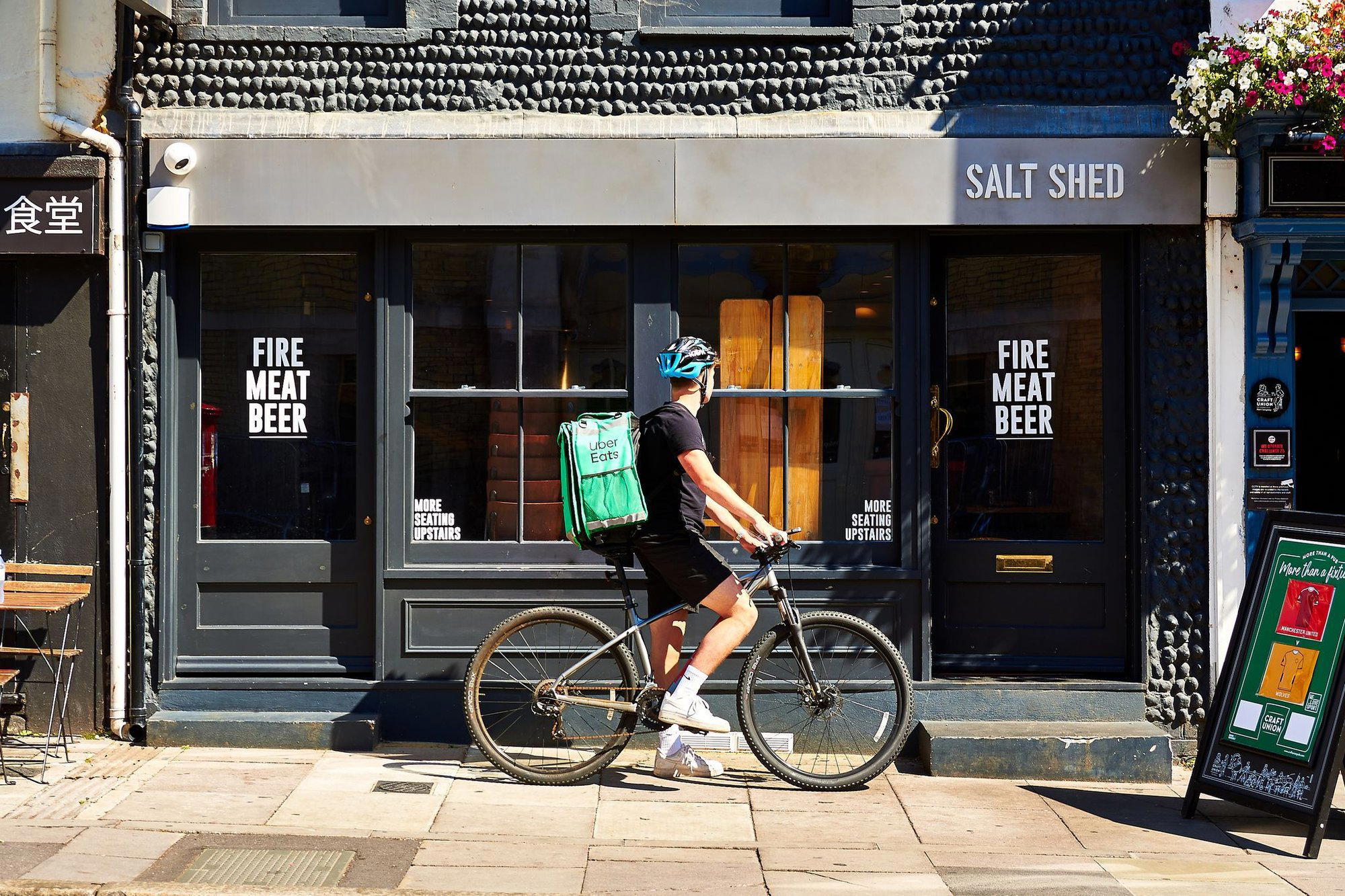
Bars in Brighton
All bars in Brighton →


Details
- Modern
- Intimate
- Trendy
- Date Night
- Casual Hangout
- Extensive Wine List
- Small Plates
- A La Carte
Intimate contemporary dining room with low lights, cool urban music, blue/grey banquettes, and eye-catching botanical wall feature.