

Michelin Plate · The Good Food Guide GFG Very Good
Our verdict
Dilsk, inside Drakes Hotel on Kemptown's Marine Parade, holds two consecutive Michelin Plates and. Chef Tom Stephens, trained under Tom Kerridge and Simon Rogan, builds menus around local sourcing and the coastal larder — dulse seaweed among them. Three menu formats run from a three-course lunch to a ten-course tasting menu.

Pearl is the En Primeur Club membership app — saves, bookings, and concierge access live there. Same editors, same standards.
- Address
- 44 Marine Parade, Kemptown, Brighton and Hove, Brighton BN2 1PE, United Kingdom
- Phone
- +44 1273 696934
- Hours
- Mon–Wed 6–9 PMThu–Sat 12:30–2:30 PM, 6–9 PMSun Closed
- Website
- dilsk.co.uk
- Directions
- Get directions
- Booking
- Book on ResDiary
The menu
What to order
- Laminated_brioche
- Isle_of_Gigha_halibut
- Trenchmore_Wagyu
The Basement Room That Takes Brighton Seriously
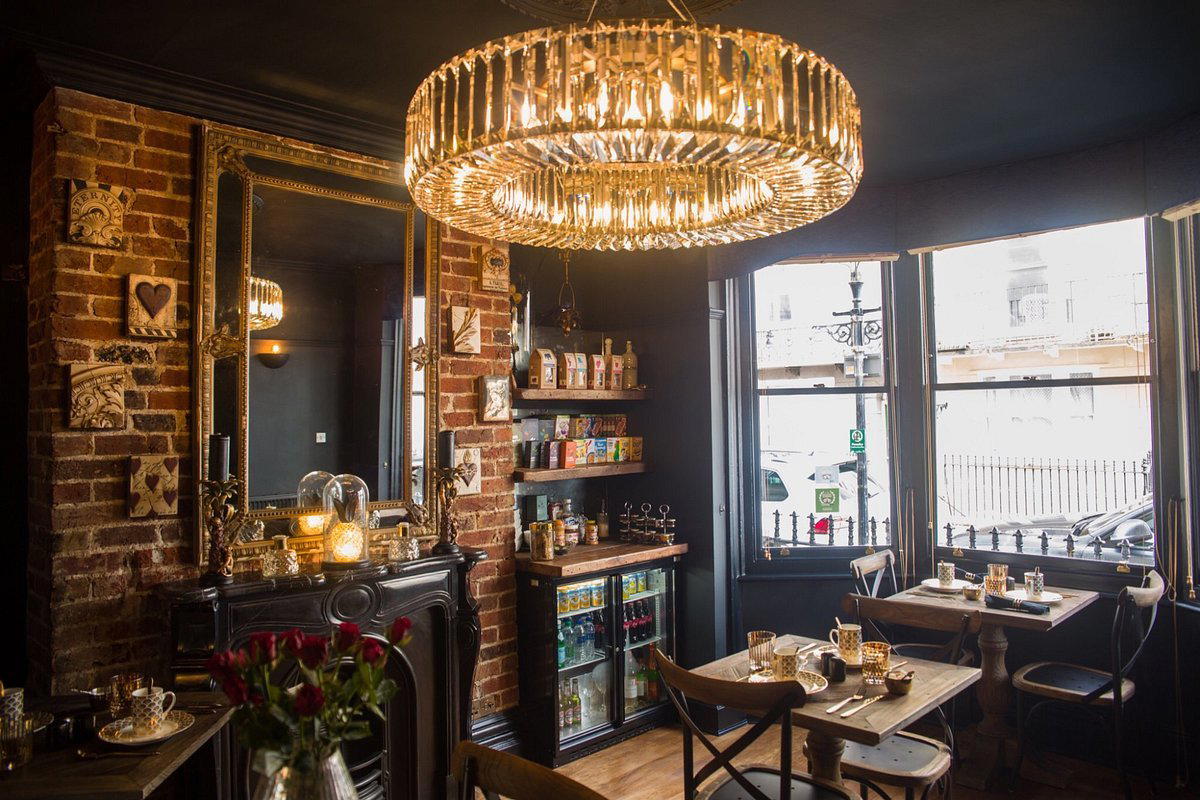
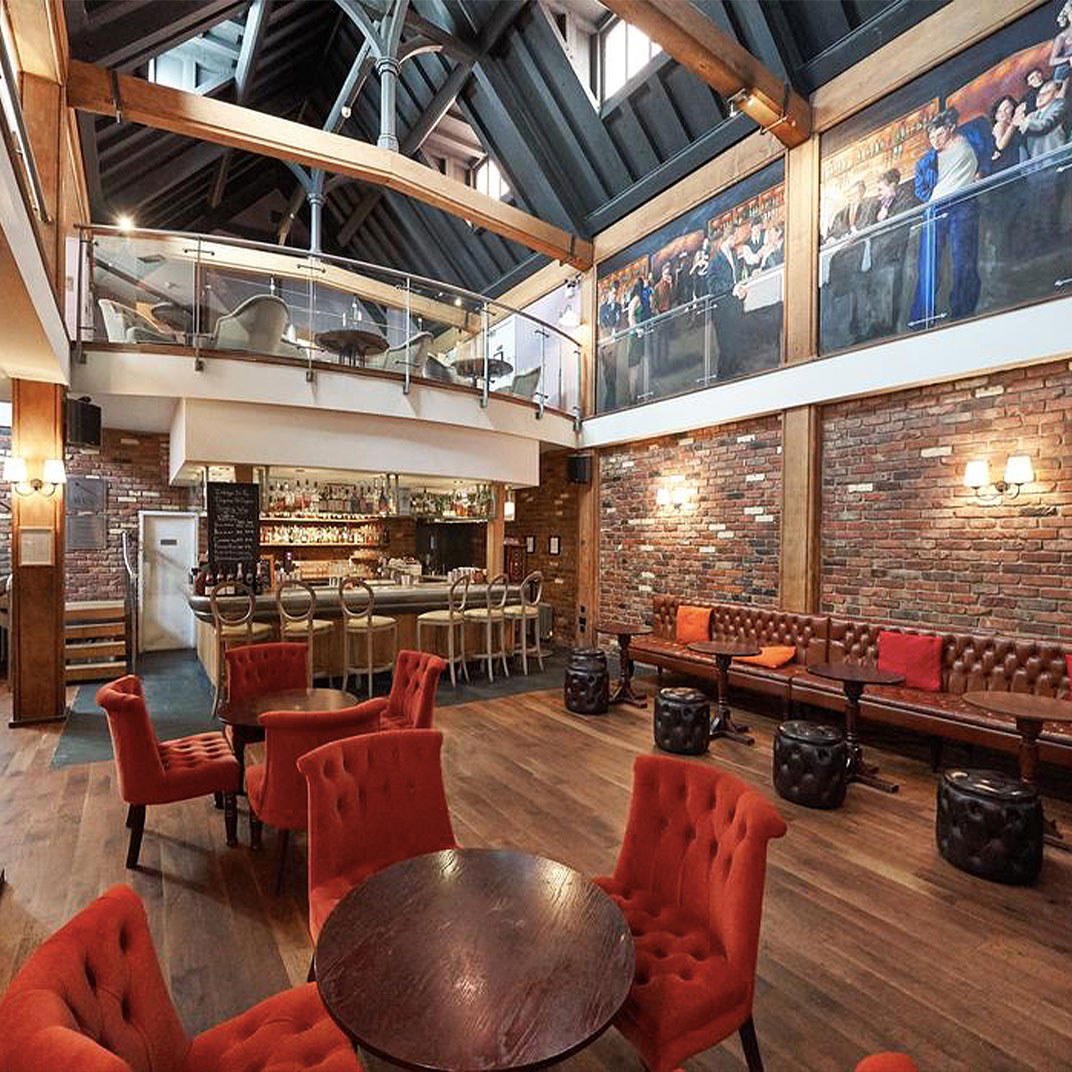
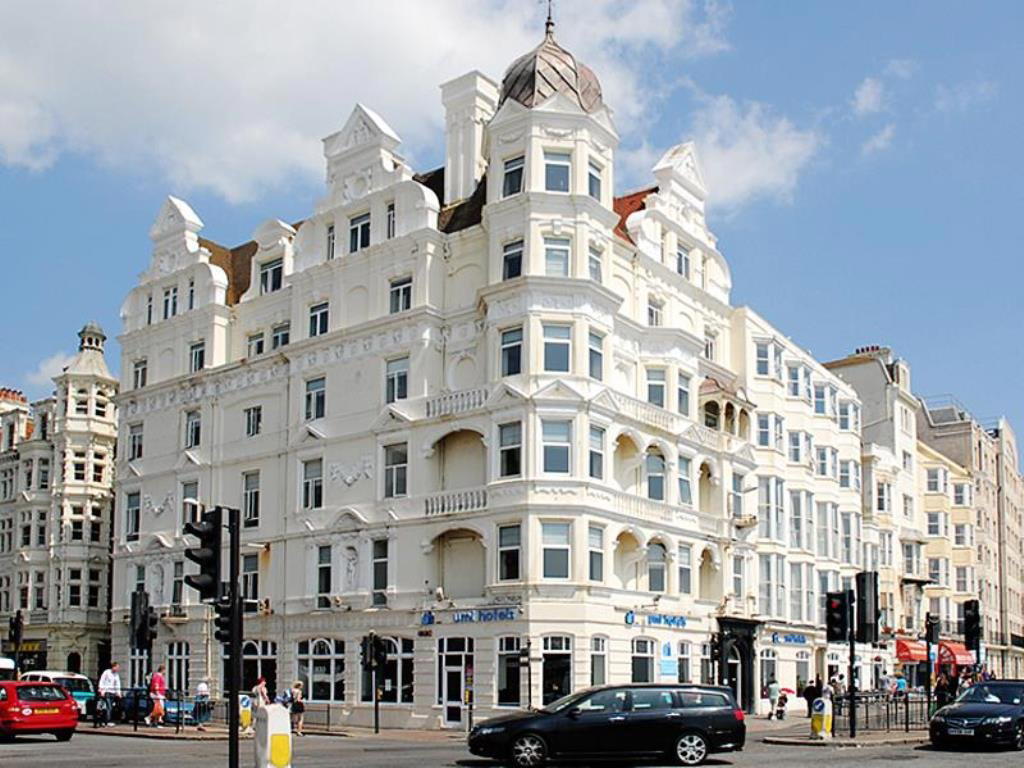
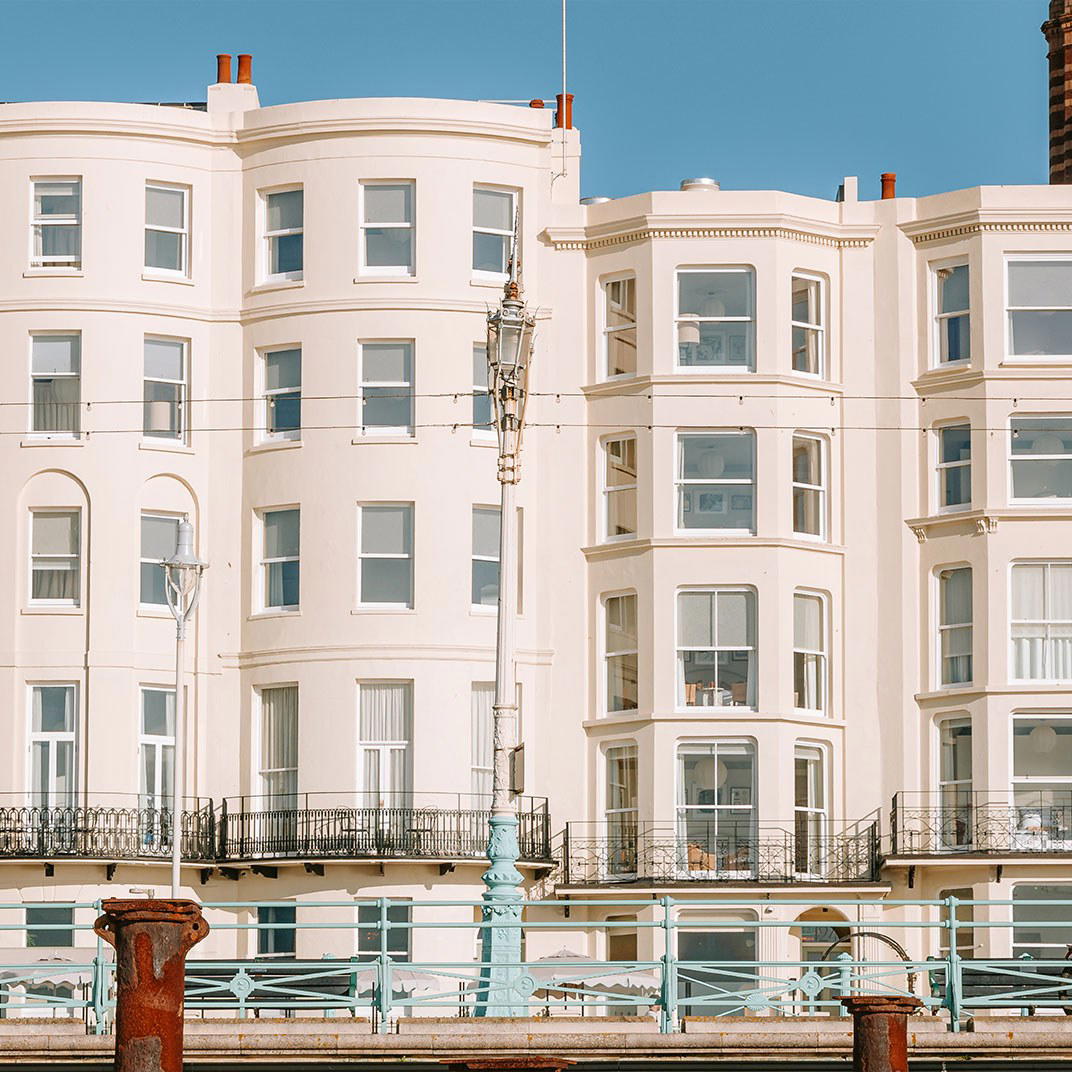
Marine Parade runs along the Brighton seafront with the kind of democratic chaos the city does well: amusement arcades and boutique hotels occupying the same terrace, fish and chips a short walk from natural wine bars. Drakes Hotel sits in Kemptown, and its basement dining room operates at a different register from the street above. The space is neutrally furnished, the lighting low, and the atmosphere somewhere between concentrated and slightly theatrical — not quite the stripped-back informality that defines Brighton's more casual dining circuit, but not formal in the traditional country-house sense either. The music, reportedly clubbier than some guests expect, is the one divisive note in an otherwise composed room.
Brighton's tasting-menu tier has consolidated over the past decade around a handful of addresses. etch. by Steven Edwards The two venues represent Brighton's argument that destination-level modern British cooking doesn't require a trip to London.
Where the Bread Course Earns Its Own Section
Modern British tasting menus at this level tend to treat bread as an afterthought — a warm roll between snacks and the first proper course. Dilsk does not. The bread course here is a laminated brioche-croissant hybrid, the two techniques merged into something with the flake of a viennoiserie and the richness of an enriched dough, served with a butter that incorporates garlic and crispy black cabbage. As a piece of baking craft, it signals the kitchen's priorities: labour-intensive technique applied to something most dining rooms consider peripheral.
This attention to pastry and baking method places Dilsk within a broader pattern visible at the tier of British restaurant that trained under chefs like Simon Rogan at L'Enclume in Cartmel or Tom Kerridge at the Hand and Flowers in Marlow, kitchens where the full menu, including its starch and dough moments, is treated as a sequence of equal technical investments. Chef Tom Stephens carries both of those influences on his CV, and the bread course is one of the clearest places that lineage shows.
The Menu Structure and What It Signals
Three menu formats are available: a three-course lunch, a six-course tasting menu, and a ten-course version. The lunch is a practical entry point, a way to assess the kitchen's register without the full commitment of an evening tasting. The ten-course format opens with snacks, the noted version being a smoked mackerel pâté with perry jelly and a squid-ink tuile: fermented fruit, cured fish, and the structural contrast of a thin, crisp wafer in a single bite. It is the kind of opening that tells you the kitchen is working with umami and acidity as structural tools rather than as seasoning.
The signature dish, a lightly poached oyster with trout roe, pickled radish and a custard made from dilsk, the red-brown seaweed that names the restaurant, sits at the intersection of the local coastal larder and technical restraint. Dulse is genuinely local to these waters and has a long history in British and Irish coastal cooking; its appearance as a custard base is the kind of move that contextualises a contemporary technique within a regional tradition, which is exactly what modern British cooking, at its considered end, is supposed to do.
Further into the menu, sauces carry significant weight. A turnip dashi paired with smoked eel and Brighton salami brings together Japanese extraction technique and local curing; squash, caviar and bone marrow accompany monkfish; and caramelised cream with ceps and truffle serves as the backdrop to pink partridge breast. Desserts run to three courses on the full menu, with a combination of 71% Nicaraguan chocolate with rapeseed oil smoked over Earl Grey tea and barley miso drawing attention for its layered, bitter-sweet complexity.
This approach to composition, dashi extraction applied to British root vegetables, smoking applied to oil rather than protein, mirrors the methodology visible at addresses like CORE by Clare Smyth in London, where Japanese technique is absorbed into a fundamentally British ingredient framework. It is a strand of modern British cooking that has matured significantly since the early 2010s and Dilsk represents it at the Brighton end of the spectrum.
The Drinks Approach
The wine list is arranged by style rather than region, which is a structural choice that tends to favour food-pairing navigation over geographical exploration. Organic options appear, though the selection under £35 a bottle is limited, the list broadly prices for the tasting-menu context it accompanies. Less-common varieties feature, which aligns with a broader movement in Brighton's natural and low-intervention wine culture visible at addresses like Wild Flor. For a fuller picture of the city's drinking scene, our full Brighton and Hove bars guide covers the range from casual to considered.
Where Dilsk Sits in Brighton's Dining Picture
Brighton's restaurant scene occupies a wider band than its size would suggest. At one end, Ginger Pig and Burnt Orange operate at the accessible end of the spectrum, the kind of places that sustain weekly visits. Amari represents the city's Spanish-leaning casual end. Dilsk and etch. sit above all of these in terms of format investment and price commitment, the two venues between them making the case that the south coast can support serious long-format dining. The national modern British conversation is dominated by London addresses like The Ledbury and The Ritz Restaurant, and by destination restaurants like The Fat Duck in Bray and Moor Hall in Aughton. Dilsk doesn't operate at that scale, but it is pitched squarely at the same cooking tradition, and in a city where that ambition is relatively rare, that counts. For context on the broader Brighton and Hove restaurant scene, or to plan a stay around the meal, our Brighton and Hove hotels guide covers options at Drakes and across the city. You can also explore Brighton and Hove wineries and Brighton and Hove experiences for broader trip planning.
Service is described as informed and unobtrusive, the mode that lets a tasting menu's pacing work without the formality that can make long meals feel like a performance. Reservations at Drakes Hotel are the booking route; given the format and the venue's recognition, availability at short notice is not guaranteed, and planning ahead is the practical default for weekend evenings. The three-course lunch offers a shorter window and is the more accessible entry point if the full tasting menu is a larger commitment than the occasion requires. Drakes Hotel is on Marine Parade, Kemptown rather than central Brighton, which means a short journey from the train station but easy access on foot from the seafront if you're already in the area. For a Gidleigh Park in Chagford-style destination hotel experience with food as the primary draw, Drakes and Dilsk together make a comparable proposition at the south coast scale.
Frequently asked questions
What kind of recognition has Dilsk received?
Dilsk has received recognition including: Visit this intimate and slightly moody spot inside the Drakes Hotel and you will likely be treated to some of the delicious, red-brown seaweed – more commonly known as dulse – after which the restaurant is named. Both the Short and Full tas….
What do people recommend at Dilsk?
The bread course draws consistent attention: a laminated brioche-croissant hybrid served with garlic butter and crispy black cabbage that functions as a course in its own right. The signature oyster dish — lightly poached, finished with trout roe, pickled radish, and a dulse custard — is the most discussed plate on the ten-course menu. On dessert, the 71% Nicaraguan chocolate preparation smoked over Earl Grey tea and barley miso has been called 'divine' by readers, and the smoked mackerel pâté with perry jelly and squid-ink tuile is a strong opening snack.
How much does it cost to eat at Dilsk?
Pricing at Dilsk is listed as £££.
Where is Dilsk located?
Dilsk is located at 44 Marine Parade, Kemptown, Brighton and Hove, Brighton BN2 1PE, United Kingdom, Brighton and Hove.
How hard is it to get a table at Dilsk?
Dilsk operates inside Drakes Hotel on Marine Parade in Kemptown, which keeps covers limited by design. Back-to-back Michelin Plate recognition in 2024 and 2025 has sharpened demand, and reader reports consistently place it among Brighton's foremost dining rooms at this tier. Booking ahead, particularly for the ten-course menu on weekends, is advisable — the three-course lunch tends to offer the most accessible entry point for shorter notice.
Compact Comparison
| Venue | Cuisine | Price | Awards | Notes |
|---|---|---|---|---|
| DilskThis venue — the venue you are viewing | Modern British Fine Dining | $50–100 | Michelin Plate · The Good Food Guide GFG Very Good | Not listed |
| Burnt Orange | Modern Wood-Fired Mediterranean Small Plates | $50–100 | Michelin Bib Gourmand · The Good Food Guide GFG Very Good | Mediterranean Cuisine |
| Palmito | Ecuadorian-Indian Fusion Small Plates | $50–100 | Michelin Bib Gourmand · The Good Food Guide GFG Very Good | Asian |
| Ginger Pig | Traditional British Gastropub | $20–30 | Michelin Plate | Modern British |
| Lucky Khao | Northern Thai Barbecue | $20–30 | Michelin Plate | Thai |
| Tutto | Modern Italian Brasserie | $50–100 | Michelin Plate | Italian |
Recognition history
Dated appearances from independent guides and award organizations, with the underlying list record or original source where available.
Michelin Plate
Michelin
The Good Food Guide GFG Very Good
The Good Food Guide
Full recognition history (4 entries)
Michelin Plate
Michelin
Michelin Plate
Michelin
Continue exploring
More in Brighton and Hove
Restaurants in Brighton and Hove
Browse all →
Bars in Brighton and Hove
Browse all →
Hotels in Brighton and Hove
Browse all →

Details
- Elegant
- Intimate
- Sophisticated
- Cozy
- Trendy
- Date Night
- Special Occasion
- Private Dining
- Hotel Restaurant
- Extensive Wine List
- Craft Cocktails
- Local Sourcing
- Sustainable Seafood
- Zero Waste
- Tasting Menu
- Set Menu
- Wine
- Cocktails
- Vegetarian Friendly
- Pescatarian Friendly
Current opening hours
- Monday
- 6–9 PM
- Tuesday
- 6–9 PM
- Wednesday
- 6–9 PM
- Thursday
- 12:30–2:30 PM, 6–9 PM
- Friday
- 12:30–2:30 PM, 6–9 PM
- Saturday
- 12:30–2:30 PM, 6–9 PM
- Sunday
- Closed
Hours can change for holidays and private events. Last verified .
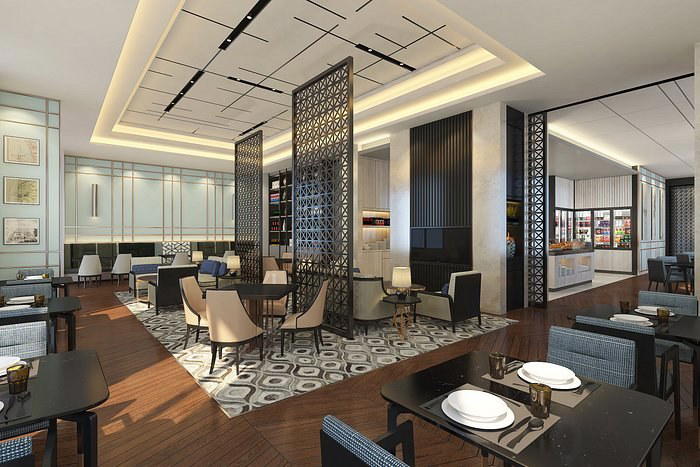
Neutrally attired, contemporary minimalist dining room with modern lighting, cosy and relaxed atmosphere.