Embers



Michelin Plate · The Good Food Guide GFG Good · Wine Spectator Award of Excellence
Our verdict
A wood-fire bistro in Brighton's Lanes with a Michelin Plate and a menu built around sharing. Small plates and centrepiece dishes carry the smoky signature of birch and ash throughout, from charred broccoli to venison rump. Prices sit in the mid-range for Brighton, making this one of the more convincing value propositions in the city's modern dining scene.

Pearl is the En Primeur Club membership app — saves, bookings, and concierge access live there. Same editors, same standards.
- Address
- 42 Meeting House Ln, Brighton and Hove, Brighton BN1 1HB, United Kingdom
- Phone
- +44 1273 869222
- Hours
- Mon–Tue ClosedWed–Fri 5–11 PMSat 9 AM–11 PMSun 9 AM–9 PM
- Website
- embersbrighton.co.uk
- Directions
- Get directions
- Booking
- Book on the venue's website
The menu
What to order
- Charred broccoli
- Venison rump
- Whole sea bass
Fire, Smoke, and a Counter Seat Worth Competing For
Walk through Meeting House Lane and the signal comes before you open the door: the faint sweetness of smouldering birch and ash drifting out from a kitchen built around a central fire cage. Brighton's Lanes have hosted restaurants across every format and price point for decades, but the cooking-over-fire category has been thinner here than in London or Bristol. Embers, on the mid-range end of the price spectrum at ££, occupies that gap with some conviction.
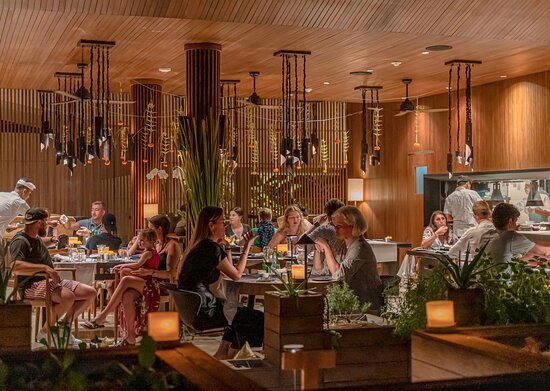
The room reinforces what the smell promises. Charcoal walls absorb light rather than reflect it, chunky wood tables carry the grain of something functional rather than decorative, and the counter seats overlooking the open kitchen give the leading sightlines to the fire cage at the centre of the operation. This is not the kind of space that softens itself for hesitant diners. It commits fully to the aesthetic it has chosen.
What the ££ Price Point Actually Delivers
The value question matters in Brighton, where the dining scene has broadened considerably in the past decade without always delivering at the mid-tier. A Michelin Plate — awarded to Embers in the 2025 guide — signals cooking that the guide considers worth seeking out, without the price escalation that accompanies star recognition. At ££, the menu structures itself around sharing: a handful of nibbles, a selection of small plates, and centrepiece dishes sized for two or more.
That structure does real work for the price-to-quantity relationship. Sourdough arrives warm, briefly toasted against the fire, and paired with whipped dripping butter with enough depth that it functions as a course in its own right. Small plates range across charred broccoli and skillet-roasted potatoes with pickled jalapeños, mole, and chimichurri mayonnaise through to wood-fired leeks with marrowfat pea purée and garlic crumb. The centrepiece format, venison rump with beetroot ketchup and pickled blackberries, or whole sea bass, is where the kitchen's wood-fire logic pays its most obvious dividend: cuts and whole fish that benefit structurally from high, direct heat arrive with the kind of crust and interior contrast that a conventional oven cannot replicate.
Desserts follow the same logic of generous proportion and direct flavour. A supersized riff on a chocolate caramel confection delivers bittersweet dark chocolate, smooth caramel filling, milk ice cream, and a milk chocolate crumb in a single construction that reads as in scale but controlled in its sweetness calibration.
The Fire-Cooking Tradition Behind the Menu
Open-fire cooking has a longer culinary history than the trend cycle around it suggests. Wood and charcoal grilling defines cuisines across South America, the Basque Country, and the Eastern Mediterranean, traditions where fire is a technique rather than a statement. The UK iteration, which gathered momentum in the 2010s with restaurants in London and beyond reintroducing live-fire methods, has tended to cluster at the higher price tiers. What Embers does is bring that method into a more accessible bracket without diluting the technique. Plenty of smoky flavour runs through the dishes not as an affectation but as a structural element: the smoke is in the bread, the vegetables, the proteins, the sauces. At a ££ price point, that level of technique-to-cost alignment is less common than the Brighton dining scene's general reputation might suggest.
The kitchen's lineage connects two restaurants that shaped Brighton's modern dining identity. Dave Marrow's background at Terre à Terre, the long-running vegetarian restaurant on East Street that remains a reference point for vegetable-forward cooking in the city, and Isaac Bartlett Copeland's work at Isaac At sit behind the Embers project. These credentials function as signals about cooking discipline rather than as the story itself: what they indicate is that the kitchen approaches a straightforwardly populist format with the technical foundations of restaurants operating at a different tier.
Drinks and the English Wine Angle
The wine list is worth noting for readers who track English viticulture. The selection includes a notable showing from English vineyards, a reasonable decision given Sussex's position as one of the country's most productive wine counties and the proximity of several producers to Brighton. The list is calibrated to the food's register: the emphasis is on freshness and accessibility rather than cellar depth. Cocktails are taken seriously, which matters in a room that functions as a dinner destination rather than a restaurant with a bar annexed to it. For those following the English wine scene more broadly, Brighton sits within useful range of several Sussex producers, our Brighton and Hove wineries guide covers the options.
Where Embers Sits in the Brighton Dining Picture
Brighton's ££ dining tier has become more competitive. Mediterranean-leaning rooms like Amari and Italian-focused options operate at similar price points and similar portion logic. Modern British at Gingerman and the sharper-edged contemporary work at Furna, which also holds Michelin recognition, give the mid-tier genuine depth. Embers differentiates through the fire-cooking method as a throughline rather than a garnish, and through the sharing format, which affects how the value reads: this is a room designed for tables that order across the menu, not for solo diners working through a set sequence.
For higher-spend evenings in Brighton, The Set and Flint House operate at a different register. Nationally, the fire-cooking tradition that informs Embers' approach appears in more elaborate form at venues like L'Enclume in Cartmel and Moor Hall in Aughton, where live-fire techniques integrate into tasting menus at three-star level. The distance in price and format between those kitchens and Embers is significant; the shared technical logic is not.
Planning Your Visit
Embers is at 42 Meeting House Lane in the Lanes district, easily reached on foot from Brighton station in under fifteen minutes. The counter seats overlooking the kitchen are worth requesting, the sightlines to the fire cage make the cooking legible in a way that a conventional table does not. The menu's sharing structure means that tables of two to four get the most out of the format; ordering across small plates and a centrepiece dish is how the kitchen's logic resolves itself fully on a single visit. For a broader picture of what Brighton offers across dining, stays, and drinks, see our full Brighton and Hove restaurants guide, hotels guide, and bars guide.
What Should I Eat at Embers?
The menu is structured to reward a table that orders across multiple stages rather than treating any single dish as the centrepiece. Start with the sourdough and dripping butter, it reads as a nibble but functions as a framing course that establishes the smokiness running through everything that follows. Among small plates, the wood-fired leeks with marrowfat pea purée and the skillet-roasted potatoes with mole and chimichurri mayonnaise demonstrate the kitchen's range between delicate vegetable cookery and bolder, sauce-forward combinations. For a centrepiece, the venison rump with beetroot ketchup and pickled blackberries pairs high-heat fire cooking with an acidic, fruit-led dressing that works against the gaminess of the meat. On the dessert side, the chocolate and caramel construction, a scaled-up riff on a familiar confection, with dark chocolate, smooth caramel, milk ice cream, and milk chocolate crumb, is the natural close. The Michelin-recognised Furna nearby offers a point of comparison for fire-influenced cooking in Brighton at a similar tier. For reference on what Michelin recognition looks like at a higher scale, The Fat Duck in Bray, The Ledbury in London, Gidleigh Park in Chagford, and Hand and Flowers in Marlow illustrate how fire and smoke techniques scale upward. Internationally, the live-fire lineage that Embers sits within appears in refined form at Frantzén in Stockholm and FZN by Björn Frantzén in Dubai.
Frequently asked questions
What part of town is Embers in?
Embers is located at 42 Meeting House Ln, Brighton and Hove, Brighton BN1 1HB, United Kingdom, Brighton and Hove.
What awards or recognition does Embers have?
Embers has received recognition including: Tucked away in the heart of Brighton’s famous Lanes, you’ll find this contemporary bistro with a big, wood-fired heart. Their ethos is all about sharing food with friends around a fire, with a menu that combines small plates like charred br….
What should I eat at Embers?
Order across multiple stages rather than anchoring to a single dish. The sourdough, briefly toasted over fire and served with whipped dripping butter, functions almost as a course in its own right. From the small plates, the charcoal-roasted chicken leg with BBQ honey and roasted garlic aïoli and the wood-fired leeks with marrowfat pea purée are among the most discussed items. For centrepiece sharing, venison rump with beetroot ketchup and pickled blackberries represents the format at its most committed, while the oversized dark chocolate and caramel dessert is worth leaving room for.
Recognition Snapshot
| Venue | Cuisine | Price | Awards |
|---|---|---|---|
| EmbersThis venue — the venue you are viewing | Modern Wood-Fired Cuisine | $30–50 | Michelin Plate · The Good Food Guide GFG Good |
| Burnt Orange | Modern Wood-Fired Mediterranean Small Plates | $50–100 | Michelin Bib Gourmand · The Good Food Guide GFG Very Good |
| Palmito | Ecuadorian-Indian Fusion Small Plates | $50–100 | Michelin Bib Gourmand · The Good Food Guide GFG Very Good |
| Ginger Pig | Traditional British Gastropub | $20–30 | Michelin Plate |
| Lucky Khao | Northern Thai Barbecue | $20–30 | Michelin Plate |
| Tutto | Modern Italian Brasserie | $50–100 | Michelin Plate |
Recognition history
Dated appearances from independent guides and award organizations, with the underlying list record or original source where available.
Michelin Plate
Michelin
The Good Food Guide GFG Good
The Good Food Guide
Wine Spectator Award of Excellence
Wine Spectator
Full recognition history (4 entries)
Michelin Plate
Michelin
Continue exploring
More in Brighton and Hove
Restaurants in Brighton and Hove
Browse all →
Bars in Brighton and Hove
Browse all →
Hotels in Brighton and Hove
Browse all →

Details
- Cozy
- Intimate
- Lively
- Modern
- Industrial
- Date Night
- Group Dining
- Celebration
- Casual Hangout
- Open Kitchen
- Craft Cocktails
- Local Sourcing
- Small Plates
- Cocktails
- Vegetarian Friendly
- Vegan Options
Current opening hours
- Monday
- Closed
- Tuesday
- Closed
- Wednesday
- 5–11 PM
- Thursday
- 5–11 PM
- Friday
- 5–11 PM
- Saturday
- 9 AM–11 PM
- Sunday
- 9 AM–9 PM
Hours can change for holidays and private events. Last verified .
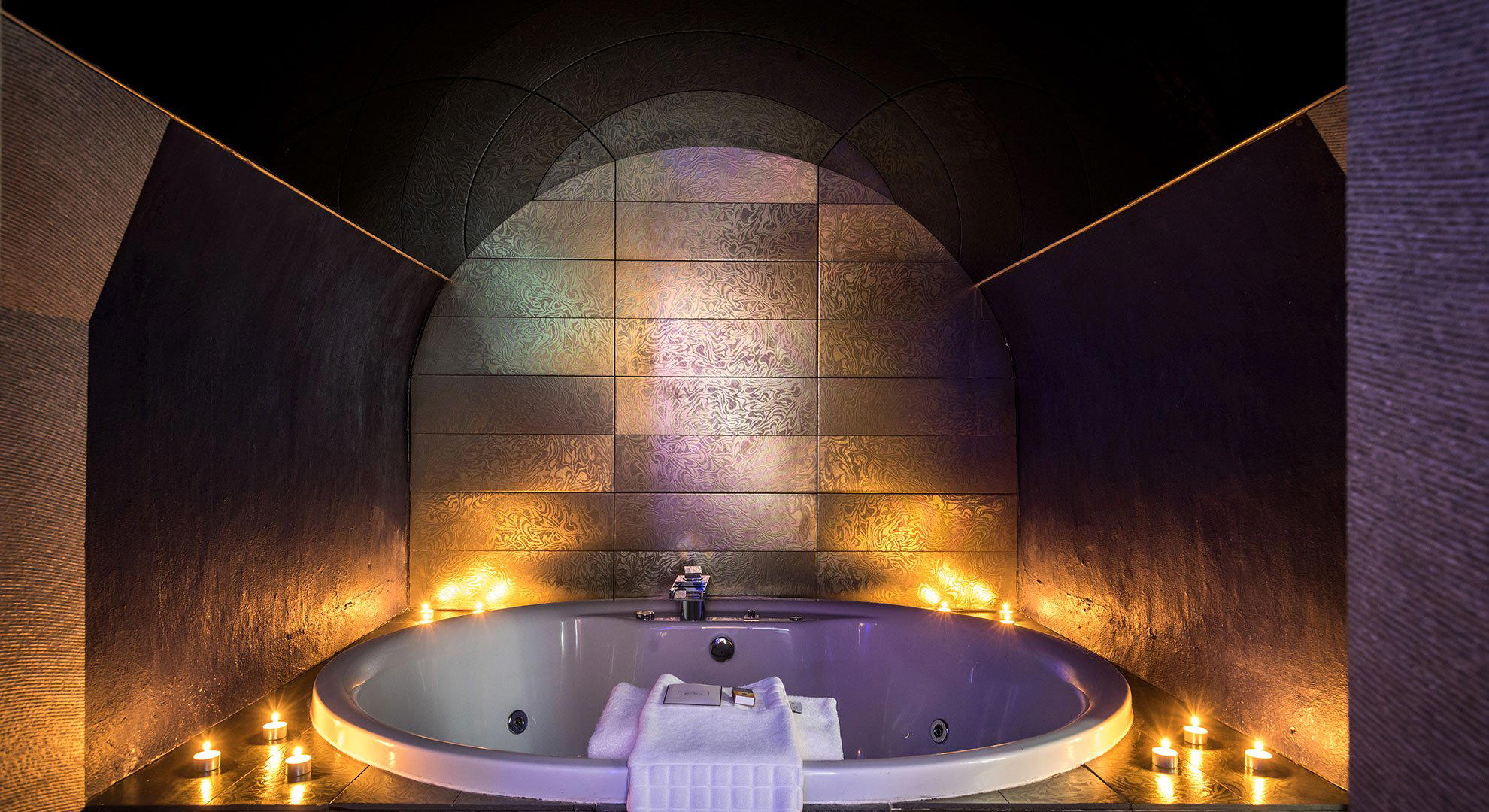
Warm, glowing atmosphere with smoldering birch and ash scents, charcoal walls, chunky wood tables, and industrial chic design centered around the fiery open kitchen.