Food for Friends

We're Smart World 4 Radishes
Our verdict
Open since 1981, Food for Friends is Brighton's oldest vegetarian restaurant, holding a distinctive place in the city's plant-based dining tradition. The menu rotates through globally influenced dishes built on local and organic ingredients, from Moroccan tagines with slow-roasted chickpeas to beetroot risotto with feta and rocket. It sits in the Lanes, making it a practical anchor for anyone tracing Brighton's independent food scene.

Pearl is the En Primeur Club membership app, where members save venues, book tables and use the concierge.
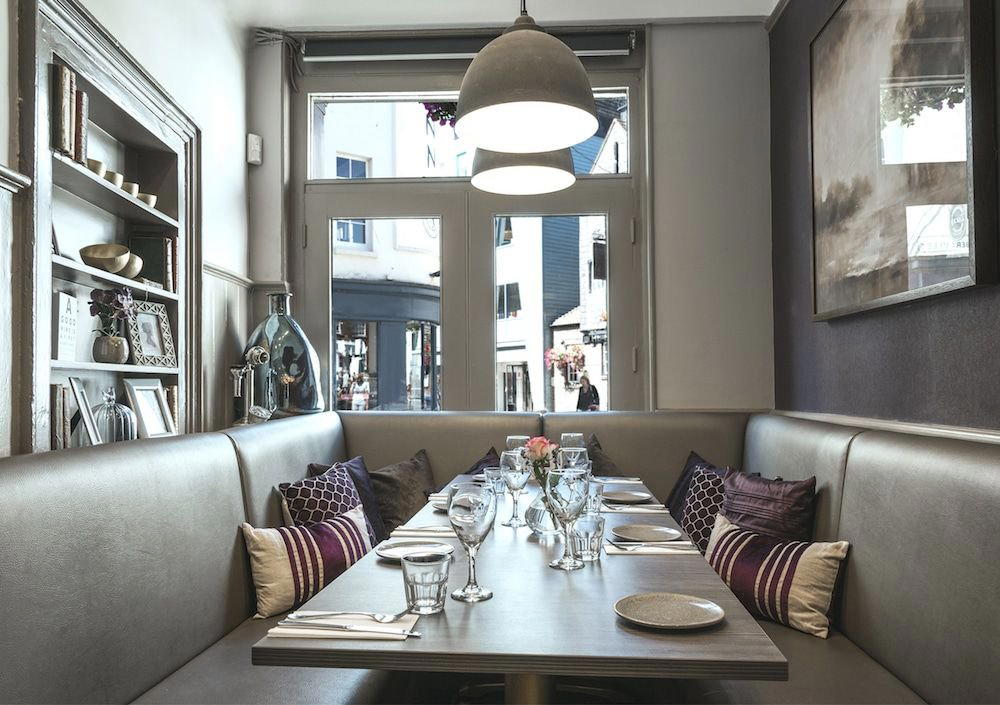
The menu
What to order
- Celeriac Wellington
- Stuffed Portobello Mushroom
- Crispy tofu
Prince Albert Street and the Lanes: Where Brighton's Plant-Based Tradition Took Root
The Lanes in Brighton operate on a logic of compression: narrow Georgian passageways feeding into small squares, independent traders occupying buildings that have cycled through dozens of incarnations over two centuries. It is a neighbourhood that rewards the restaurants that have managed to stay, because staying here, through rising rents and shifting dining fashions, requires something durable. Food for Friends has been at 17-18 Prince Albert Street since 1981, which places it firmly in the category of institutions that predate the trends now credited with making vegetarian dining mainstream. Brighton's current reputation as one of the UK's most plant-forward cities was not inevitable, it was built, incrementally, by places like this one.
The broader context matters here. In 1981, vegetarian restaurants in Britain occupied an awkward cultural position: earnest in their ethics but often limited in technique, heavy on nut roasts and brown rice, and understood by most diners as an act of dietary restriction rather than genuine culinary ambition. The restaurants that survived that era and continued to evolve did so by expanding their frame of reference, moving from ideology toward craft. Food for Friends belongs to that cohort, one of a handful of UK vegetarian addresses with enough history to have watched the entire arc of the category's development from inside it.
A Menu Built on Global Influence, Local Supply
Menu at Food for Friends changes, which is itself a signal worth noting. A fixed vegetarian menu is a relatively easy thing to execute; a rotating one that draws on organic and locally sourced ingredients while ranging across multiple culinary traditions requires considerably more from both kitchen and supplier relationships. The dishes on the menu at any given time reflect a wide geographic reach: Moroccan spicing appears alongside Mediterranean preparations, South Asian influence sits alongside European technique. A Moroccan tagine built with slow-roasted chickpeas and pumpkin, seasoned with ras el hanout and balanced by pickled lime, apricots, and plums, served with buckwheat tabouleh, signals a kitchen that reads North African cooking with some fluency, this is not a generic world-cuisine gesture but a dish that engages seriously with the layered sweet-sour-savoury architecture of the tradition. A risotto of beets and feta with rocket and candied beetroot reads as a more European preparation, showing the same kitchen operating in a different register.
Use of local and organic ingredients is not incidental branding. In a restaurant that has been operating since 1981, the relationship with regional producers is likely to be one of the most embedded aspects of the operation, more infrastructure than marketing point. Brighton's position in East Sussex, within reach of productive farmland and a lively independent food culture, makes this kind of sourcing achievable in a way it might not be in a larger city. Peer restaurants in Brighton's independent food scene, including Foodilic and Med, demonstrate a similar commitment to regional sourcing, but Food for Friends has been working this approach for longer than most.
Brighton's Vegetarian Scene in National Context
To understand Food for Friends' position, it helps to place it against the broader evolution of UK restaurant culture. The celebrated fine-dining addresses that have defined British gastronomy at its upper tier, The Ledbury in London, Waterside Inn in Bray, Moor Hall in Aughton, L'Enclume in Cartmel, Gidleigh Park in Chagford, and Hand and Flowers in Marlow, have operated almost entirely within an animal-protein framework. Internationally, addresses like Le Bernardin in New York City and Emeril's in New Orleans similarly built their reputations on meat and seafood. The restaurant that commits to a fully vegetarian offering over four decades, and sustains it through multiple cycles of food culture, is doing something categorically different from these peers, not lesser, but genuinely distinct in its constraints and in what it requires of its kitchen.
Brighton as a city has been receptive to that project in ways that much of the UK has not. The city's demographics, its student population, its LGBTQ+ community and associated culture of tolerance and difference, and its longstanding tradition of independent retail and hospitality have all contributed to an environment in which plant-forward restaurants find an audience. Food for Friends is not simply a product of this environment; it helped shape it. Restaurants open on the same street do something different to a neighbourhood than restaurants that follow an established scene. The comparison with Brighton's other independent kitchens is instructive: Bincho Yakitori operates in the Japanese robata tradition, No No Please takes a different angle on the city's eclectic appetite, and Planet India addresses the South Asian side of Brighton's culinary range. The diversity of the scene exists, in part, because places like Food for Friends established early that Brighton would support restaurants with a clear point of view.
Planning Your Visit
Food for Friends is at 17-18 Prince Albert Street in the Lanes, one of the more walkable parts of central Brighton and easily reachable from Brighton railway station on foot. The restaurant has been operating for over four decades, which means the practical infrastructure, reservations, service format, accessibility, is well established, though specific booking details are best confirmed directly with the venue. The Lanes area is dense with other independents, making Food for Friends a natural anchor for a longer afternoon or evening in the neighbourhood. For those building a broader Brighton itinerary, our full Brighton restaurants guide covers the city's range in detail, alongside our Brighton hotels guide, Brighton bars guide, Brighton wineries guide, and Brighton experiences guide.
Frequently asked questions
Is Food for Friends award-winning?
Food for Friends has received recognition including: Food for Friends is the oldest vegetarian restaurant in Brighton. Since 1981 it offers a changing choice of colourful vegetarian and vegan dishes, with rich flavours and creative combinations. The ingredients are local and organic, influenc….
What's the address for Food for Friends?
Food for Friends is located at 17-18 Prince Albert St, Brighton and Hove, Brighton BN1 1HF, United Kingdom, Brighton.
What's the best thing to order at Food for Friends?
The menu rotates seasonally, so no single dish is a permanent fixture. The kitchen's consistent strength is in globally influenced preparations with layered spicing, dishes like a Moroccan tagine with slow-roasted chickpeas, ras el hanout, and pickled lime, or a beetroot and feta risotto reflect the kitchen's approach to building depth without meat. Arriving without a fixed agenda works in your favour here.
Do I need a reservation for Food for Friends?
Food for Friends has been operating since 1981 and holds a well-established profile as Brighton's oldest vegetarian restaurant, which means tables in the Lanes location can fill quickly, particularly on weekends. Booking ahead is advisable rather than optional. Contact details are available directly through the restaurant at 17-18 Prince Albert Street.
What has Food for Friends built its reputation on?
Four decades of vegetarian cooking is the foundation. Since opening in 1981, the restaurant has maintained a rotating menu of vegetarian and vegan dishes built on locally sourced, organic ingredients with global influences ranging from North African to Mediterranean. That consistency across changing menus, rather than a single signature dish, is what has kept its reputation intact in a city with a competitive independent dining scene.
Do they accommodate allergies at Food for Friends?
A kitchen that has been cooking exclusively vegetarian and vegan food since 1981 operates without meat by default, which removes one common allergen category from the equation. The use of locally sourced, organic ingredients with clearly defined global influences also tends to support greater menu transparency. For specific allergen queries, contacting the restaurant directly at 17-18 Prince Albert Street in the Lanes is advisable before visiting.
Price and Recognition
Comparable venues nearby, for context on price, style, and recognition.
| Venue | Cuisine | Price | Awards | Notes |
|---|---|---|---|---|
| Food for FriendsThis venue (the venue you are viewing) | Global Vegetarian with Vegan Focus | $30–50 | We're Smart World 4 Radishes | Not listed |
| Bincho Yakitori | Japanese Yakitori Izakaya | $20–30 | The Good Food Guide GFG Good | Preston Street, Japanese Yakitori Izakaya |
| Med | Modern Mediterranean Small Plates | Not listed | Not listed | The Lanes, Modern Mediterranean Small Plates |
| Salt Shed | Modern British Fired Meats & Gastropub | $20–30 | World Best Burgers World's 101 Best Burgers #20 · World's Best Steaks 25 Best Burgers #20 | West Pier, Modern British Fired Meats & Gastropub |
| No No Please | Southeast Asian Fusion Small Plates | $30–50 | The Good Food Guide GFG Good | West Lanes, Southeast Asian Fusion Small Plates |
| Bocana | Seafood Grill | $20–30 | Not listed | Lewes Road, Seafood Grill |
Recognition history
Dated appearances from independent guides and award organizations, with the underlying list record or original source where available.
We're Smart World 4 Radishes
We're Smart World
Continue exploring
More in Brighton
Restaurants in Brighton
All restaurants in Brighton →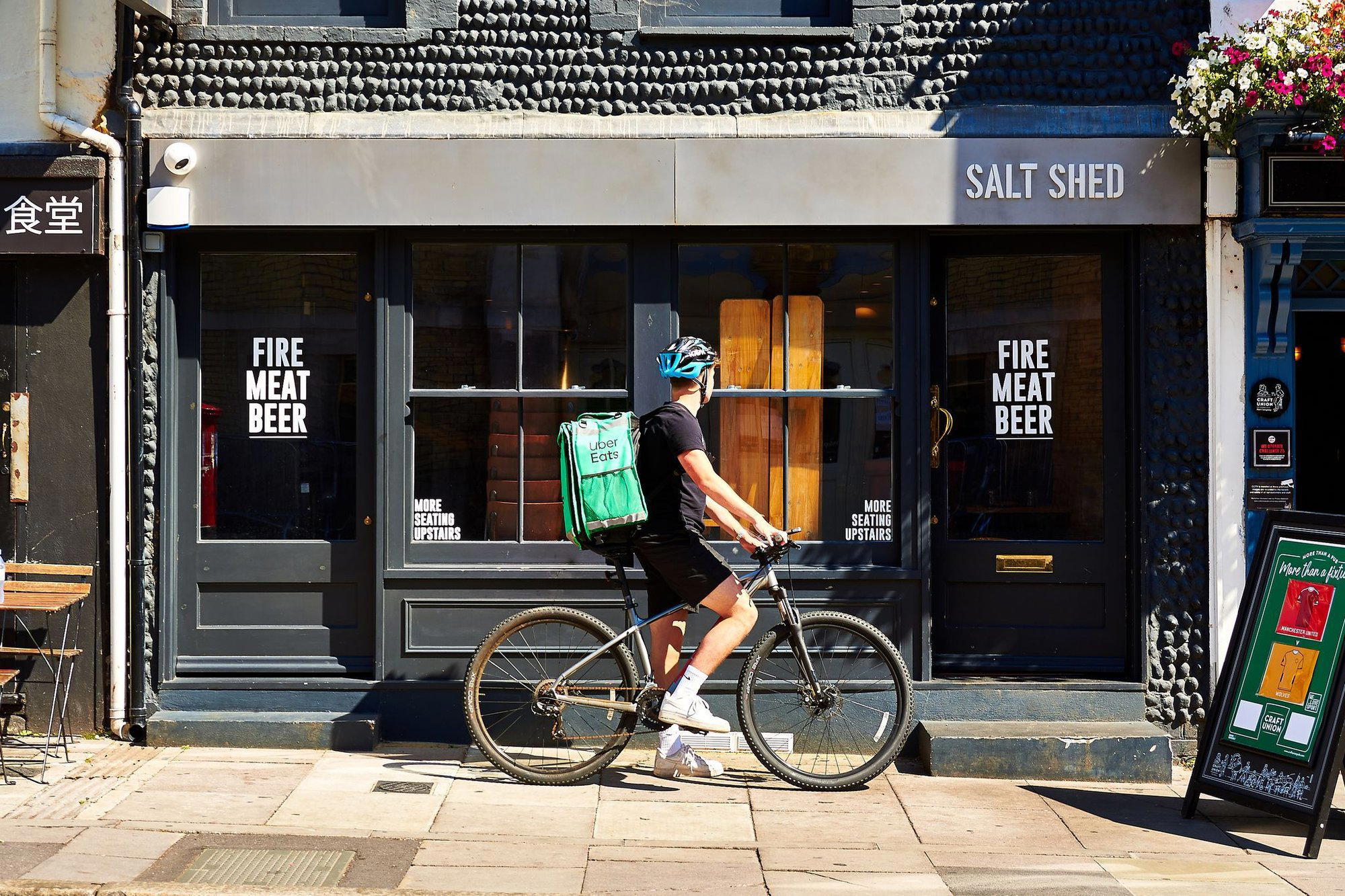
Bars in Brighton
All bars in Brighton →

Details
- Cozy
- Intimate
- Date Night
- Special Occasion
- Group Dining
- Open Kitchen
- Extensive Wine List
- Street Scene
- A La Carte
- Small Plates
- Vegetarian Friendly
- Vegan Options
- Gluten Free Options
Current opening hours
- Monday
- 9 AM–10 PM
- Tuesday
- 9 AM–10 PM
- Wednesday
- 9 AM–10 PM
- Thursday
- 9 AM–10 PM
- Friday
- 9 AM–10 PM
- Saturday
- 10 AM–10 PM
- Sunday
- 10 AM–10 PM
Hours can change for holidays and private events. Hours as of .
Cozy and relaxed with atmospheric lighting, plants, white linen tablecloths, and a welcoming feel.