The Flint House


Michelin Bib Gourmand · The Good Food Guide GFG Good
Our verdict
A Michelin Bib Gourmand recipient for 2024 and 2025, Flint House occupies a handsome two-storey building inside Brighton's Hannington's Lane development in the Lanes. The kitchen runs a menu of globally influenced small and sharing plates, from East Asian-inflected braised ox cheek to Middle Eastern-spiced roasted aubergine, backed by a wine list with strong local representation. The first-floor rooftop terrace and open-kitchen counter are the two seats worth booking ahead.

Pearl is the En Primeur Club membership app — saves, bookings, and concierge access live there. Same editors, same standards.
- Address
- 13 Hanningtons Ln, Brighton and Hove, Brighton BN1 1GS, United Kingdom
- Phone
- +44 1273 916333
- Hours
- Mon ClosedTue–Sun 12–10 PM
- Website
- flinthousebrighton.com
- Directions
- Get directions
- Booking
- Book on the venue's website
The menu
What to order
- Sweetcorn_fritters
- BBQ_rump_steak
- Rosemary_focaccia
A Brasserie Built Around the Sharing Format
The small-plates format has become so prevalent in British casual dining that it risks feeling reflexive rather than considered. What separates kitchens that use it well from those that simply follow it is menu architecture: whether the dishes are genuinely designed to coexist on a table, whether the flavour registers are spread rather than stacked, and whether there is enough restraint in any single plate to make ordering five or six feel like a strategy rather than an accident. At Flint House, part of Ben McKellar's Gingerman group, the kitchen handles that architecture with more discipline than most at this price bracket.
The room itself sets expectations clearly. The building on Hanningtons Lane is a purpose-built two-storey brick and flint-stone structure inside the Hannington's retail and cultural quarter, on a site connected to Brighton's former department store of the same name. The ground-floor main room is light, airy, and dominated by an open kitchen and a stainless-steel counter that runs along it. Upstairs, a rooftop terrace overlooks the Lanes below. Neither space is especially large, and the combination of exposed surfaces and an active kitchen creates a noise level that reads as energy rather than intrusion. This is a restaurant calibrated for a lively midweek dinner or a Saturday lunch, not a quiet tête-à-tête.
How the Menu Is Structured
Menu at Flint House draws from a wide geographic range, not in the unfocused way that sometimes signals a kitchen without a point of view, but in a manner that treats each tradition as a source of technique rather than a theme. A braised ox cheek arrives fried in a crisp breadcrumb coating, finished with miso and chilli emulsion: the protein is slow-cooked in a European register, the seasoning is East Asian. A plate of roasted aubergine comes with coconut yoghurt and curried lentils, topped with a dukkah spice mix that sits in a Middle Eastern tradition. Neither dish announces its influences with fanfare; the combinations are grounded enough to read as cooking rather than fusion exercise.
Portion sizing is worth factoring into ordering strategy. Plates here tend toward generosity, which means a table of two ordering six dishes will eat substantially. That is not a complaint, but it does affect pacing: the format rewards restraint in ordering, and the front-of-house team are capable of advising on quantities if asked. Their manner throughout is efficient and professional without being formal, which keeps the atmosphere from tipping into the studied casualness that can feel performative in rooms aiming for this kind of energy.
Among the dishes that have remained on the menu since the restaurant opened in 2019, the sweetcorn fritters with jalapeño mayonnaise have acquired something close to signature status. A dish like this — direct in concept, reliant on execution — is a useful measure of a kitchen's consistency. That it has held its place through menu cycles is evidence of both its popularity and the kitchen's confidence in delivering it repeatedly to standard.
Michelin awarded Flint House a Bib Gourmand in both 2024 and 2025, a designation that recognises good cooking at moderate prices rather than technical ambition at a premium. At the ££ price point, Flint House sits in a competitive tier within Brighton's dining scene, alongside venues such as Amari and others operating in a similar casual-to-mid register. What the Bib Gourmand signals in this context is consistency: the kitchen is delivering at a level the guide trusts enough to recommend across consecutive years, which at a mid-market brasserie is a more demanding test than it might appear. The Gingerman group's broader track record in Brighton adds institutional credibility; this is not a single restaurant operating in isolation but part of a small, established local group with a reputation to maintain across multiple addresses.
For comparison, Brighton's higher-end dining tier, represented by restaurants like Embers and Furna, operates at a different ambition level and price point. The Set occupies a more formal tasting-menu register. Nationally, the Bib Gourmand tier is where the day-to-day quality of British dining is often most accurately measured, and the venues that hold the award in consecutive years tend to be those with genuine operational discipline behind the creative output. By that measure, Flint House is performing well above the city average.
The Wine List and the Terrace
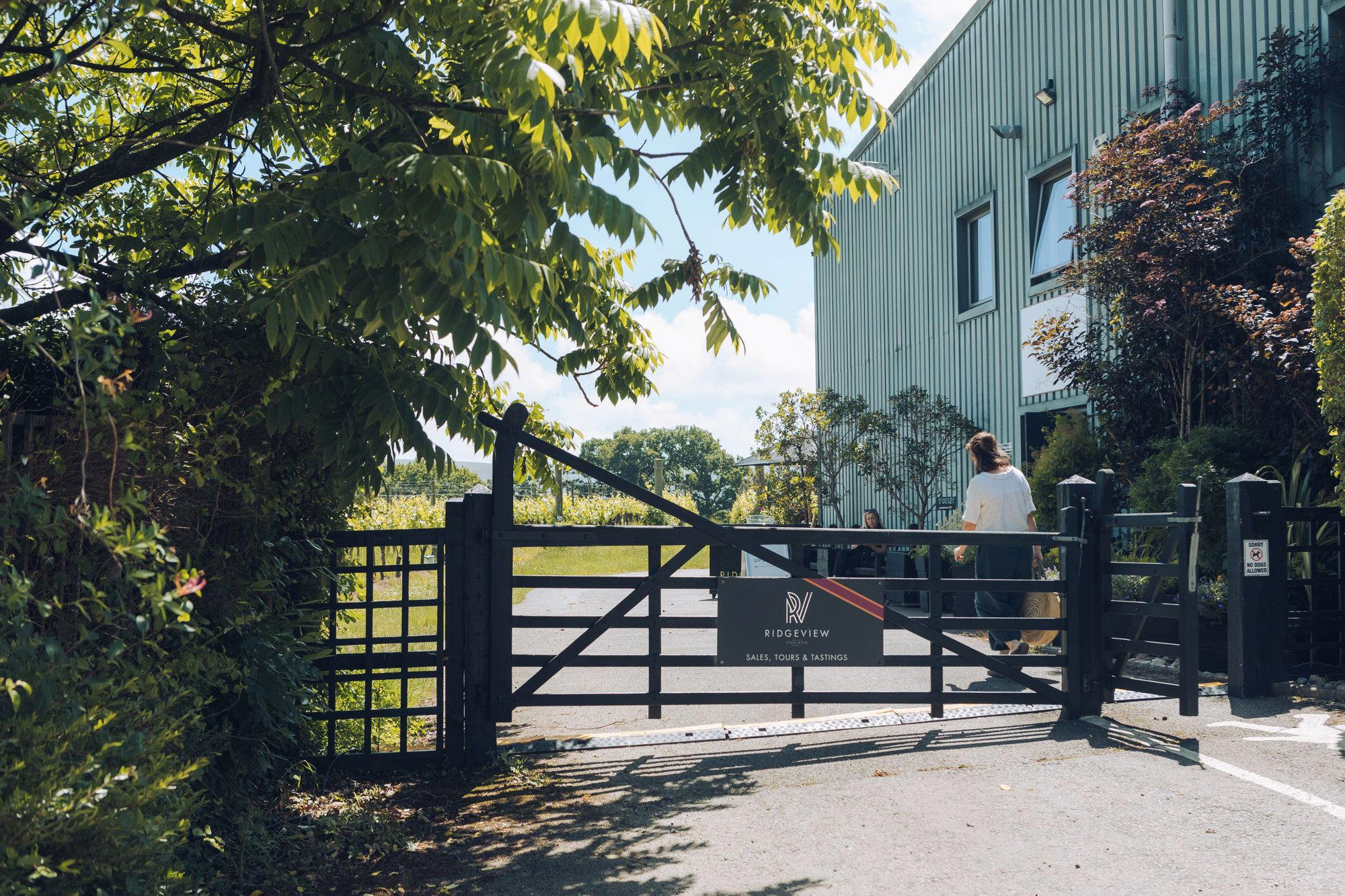
The wine list is concise but spans a broad geographic range, with a meaningful number of options available by the glass. The inclusion of Ridgeview English sparkling from a local Sussex producer is a considered choice: Ridgeview's Merret method wines sit comfortably alongside Champagne in technical terms, and the local provenance gives the list a sense of place without making it parochial. For a restaurant operating at the ££ price point with a sharing-plates format, the by-the-glass range matters more than the depth of the bottle list, and the selection here appears built around that reality.
The first-floor cocktail bar and rooftop terrace overlooking the Lanes provide an alternative entry point: arrive early, order drinks upstairs, and move down to the main room when your table is ready. In warmer months, the terrace functions as a destination in itself. The Lanes in summer draw a significant crowd, and the refined position above the alleyways gives the terrace an atmosphere distinct from the busier ground-floor restaurants in the area.
Planning a Visit
Flint House is at 13 Hanningtons Lane in the Lanes district of central Brighton, within easy walking distance of Brighton Station and the seafront. The ££ pricing and the sharing format make it accessible for a range of party sizes, though the generous portion scale rewards four diners over two for variety. Given the Michelin recognition and the address in one of Brighton's most visited areas, booking ahead is advisable, particularly for weekend service and terrace seats. For a fuller picture of where Flint House sits within the city's broader dining, drinking, and stay options, see our full Brighton and Hove restaurants guide, our full Brighton and Hove hotels guide, our full Brighton and Hove bars guide, our full Brighton and Hove wineries guide, and our full Brighton and Hove experiences guide.
For context on where this level of cooking sits within the broader national picture, the Bib Gourmand tier occupies a distinct space below the starred restaurants: places like The Fat Duck in Bray, The Ledbury in London, L'Enclume in Cartmel, Moor Hall in Aughton, Gidleigh Park in Chagford, and Hand and Flowers in Marlow operate at a significantly higher investment level. The comparison is not to diminish the Bib award; it is to clarify what kind of evening Flint House is offering. It is a brasserie with genuine culinary intent and a track record the guide trusts, at a price point that removes any barrier to a second visit.
Frequently asked questions
What's Flint House's location?
Flint House is located at 13 Hanningtons Ln, Brighton and Hove, Brighton BN1 1GS, United Kingdom, Brighton and Hove.
What's the price range at Flint House?
Pricing at Flint House is listed as ££.
What distinctions does Flint House have?
Flint House has received recognition including: Brighton’s famous Lanes district plays host to this fashionable brasserie hidden inside a red-brick and flint-stone house that was one home to the city's renowned Hannington's department store. Enjoy a drink on the terrace of the first-floo….
What's the must-try dish at Flint House?
The sweetcorn fritters with jalapeño mayonnaise have appeared on the menu since Flint House opened in 2019, which makes them the one dish that genuinely defines the kitchen's approach. They work particularly well paired with a glass of Ridgeview English sparkling from the wine list. Portions across the menu run generous, so ordering one or two anchoring dishes before working through the smaller plates is a practical approach.
Same-City Peers
| Venue | Cuisine | Price | Awards | Notes |
|---|---|---|---|---|
| Flint HouseThis venue — the venue you are viewing | Modern British Small Plates | Not listed | Michelin Bib Gourmand · The Good Food Guide GFG Good | Not listed |
| Burnt Orange | Modern Wood-Fired Mediterranean Small Plates | $50–100 | Michelin Bib Gourmand · The Good Food Guide GFG Very Good | Mediterranean Cuisine |
| Palmito | Ecuadorian-Indian Fusion Small Plates | $50–100 | Michelin Bib Gourmand · The Good Food Guide GFG Very Good | Asian |
| Ginger Pig | Traditional British Gastropub | $20–30 | Michelin Plate | Modern British |
| Lucky Khao | Northern Thai Barbecue | $20–30 | Michelin Plate | Thai |
| Tutto | Modern Italian Brasserie | $50–100 | Michelin Plate | Italian |
Recognition history
Dated appearances from independent guides and award organizations, with the underlying list record or original source where available.
Michelin Bib Gourmand
Michelin
The Good Food Guide GFG Good
The Good Food Guide
Full recognition history (4 entries)
Michelin Bib Gourmand
Michelin
Michelin Bib Gourmand
Michelin
Continue exploring
More in Brighton and Hove
Restaurants in Brighton and Hove
Browse all →
Bars in Brighton and Hove
Browse all →
Hotels in Brighton and Hove
Browse all →

Details
- Modern
- Lively
- Elegant
- Trendy
- Date Night
- Special Occasion
- Group Dining
- Open Kitchen
- Rooftop
- Terrace
- Extensive Wine List
- Craft Cocktails
- Local Sourcing
- Street Scene
- Small Plates
- A La Carte
- Tasting Menu
- Set Menu
- Vegetarian Friendly
- Vegan Options
- Gluten Free Options
Current opening hours
- Monday
- Closed
- Tuesday
- 12–10 PM
- Wednesday
- 12–10 PM
- Thursday
- 12–10 PM
- Friday
- 12–10 PM
- Saturday
- 12–10 PM
- Sunday
- 12–10 PM
Hours can change for holidays and private events. Last verified .
Inviting and lively atmosphere with modern décor, light and airy spaces, pleasant buzz from the open kitchen and terrace tuned to the city's energy.