The Grand Brighton
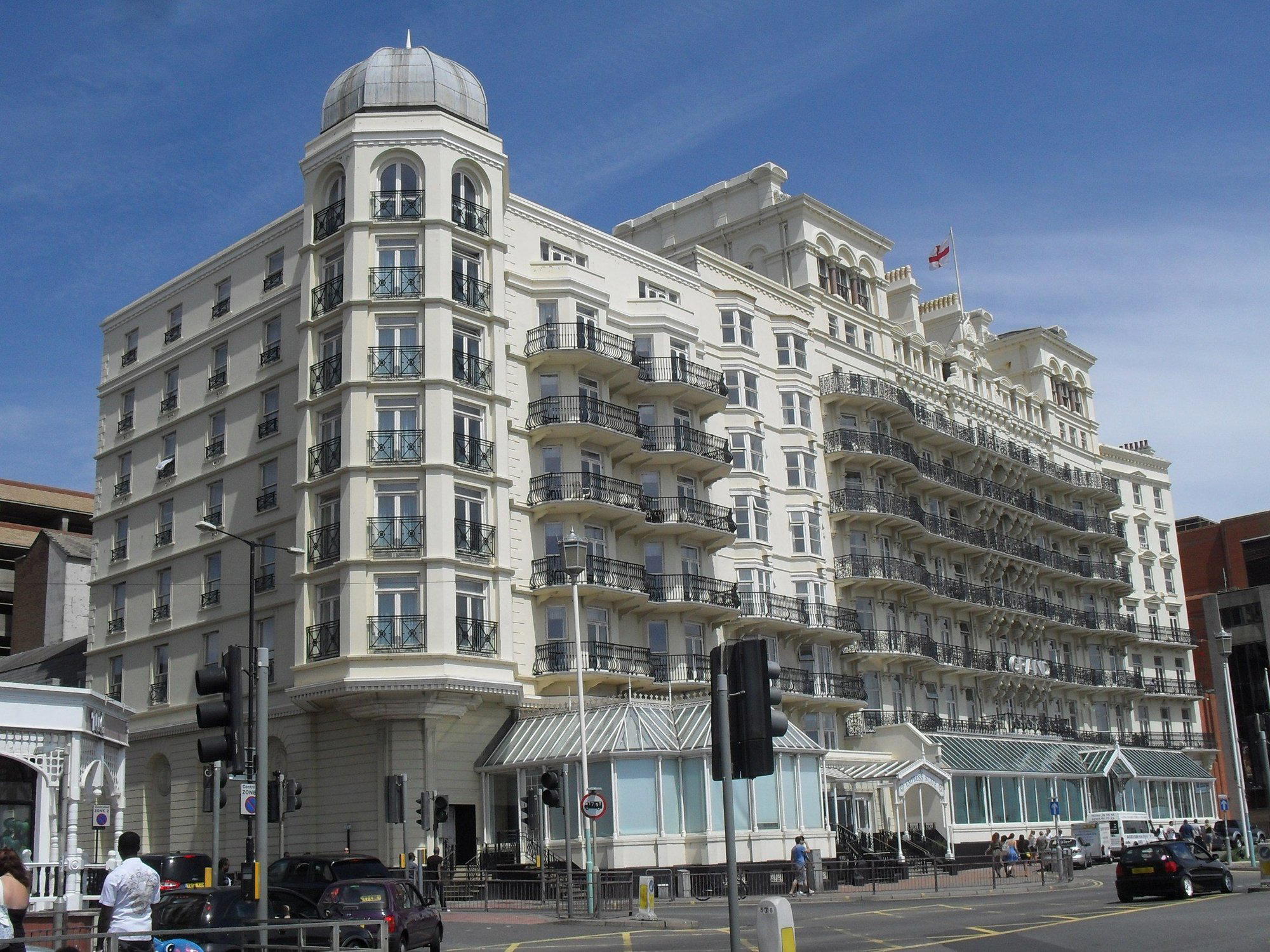
The Grand Brighton has held the seafront on Kings Road since 1864, making it one of the few Victorian grand hotels in the UK that has never fully stepped out of the spotlight. The white-stuccoed facade faces the Channel directly, and the rooms inside range from compact sea-view doubles to full suites that frame the water on three sides. For Brighton, it sets the baseline for formal coastal stays.

Pearl is the En Primeur Club membership app, where members save venues, book tables and use the concierge.
A Victorian Seafront Hotel That Still Sets the Benchmark
Brighton's hotel scene has fractured considerably over the past decade. On one side sit design-led independents, a category well represented by Artist Residence Brighton, Hotel Una, and Drakes Hotel, each operating with small key counts and a strong interior identity. On the other sits the grand-hotel format: high ceilings, long corridors, formal public spaces, and a room count large enough to serve conference groups and leisure travellers simultaneously. The Grand Brighton, at 97-99 Kings Road, is the city's clearest example of that second category. It has occupied the seafront since 1864, and that longevity is itself a form of credential in a city where hospitality businesses cycle through quickly.
The white-stuccoed facade is one of the most photographed on the south coast, which creates a certain obligation. Hotels that trade on architectural identity tend to attract guests whose expectations are shaped by the exterior before they step through the door. The Grand's rooms need to carry the visual weight of that promise, and for the most part, the sea-facing categories deliver on it in a way that smaller boutique properties in the city structurally cannot. Hotel Nineteen and The Ginger Pig offer intimacy; The Grand offers scale and a direct, unobstructed relationship with the English Channel that few south coast hotels can match on this level.
What the Room Experience Actually Delivers
The room-as-experience argument at a hotel like The Grand rests on a specific logic: that the architecture of the building, the proportions of the space, and the quality of the view combine to produce something that a smaller or more recently constructed property cannot replicate. In practice, this plays out most clearly in the higher-category sea-view rooms and suites, where sash windows open onto the Channel and the West Pier ruins sit in the middle distance. That view is not incidental decoration. It is the main event of the overnight stay, and guests who book inland-facing rooms are effectively purchasing a different product.
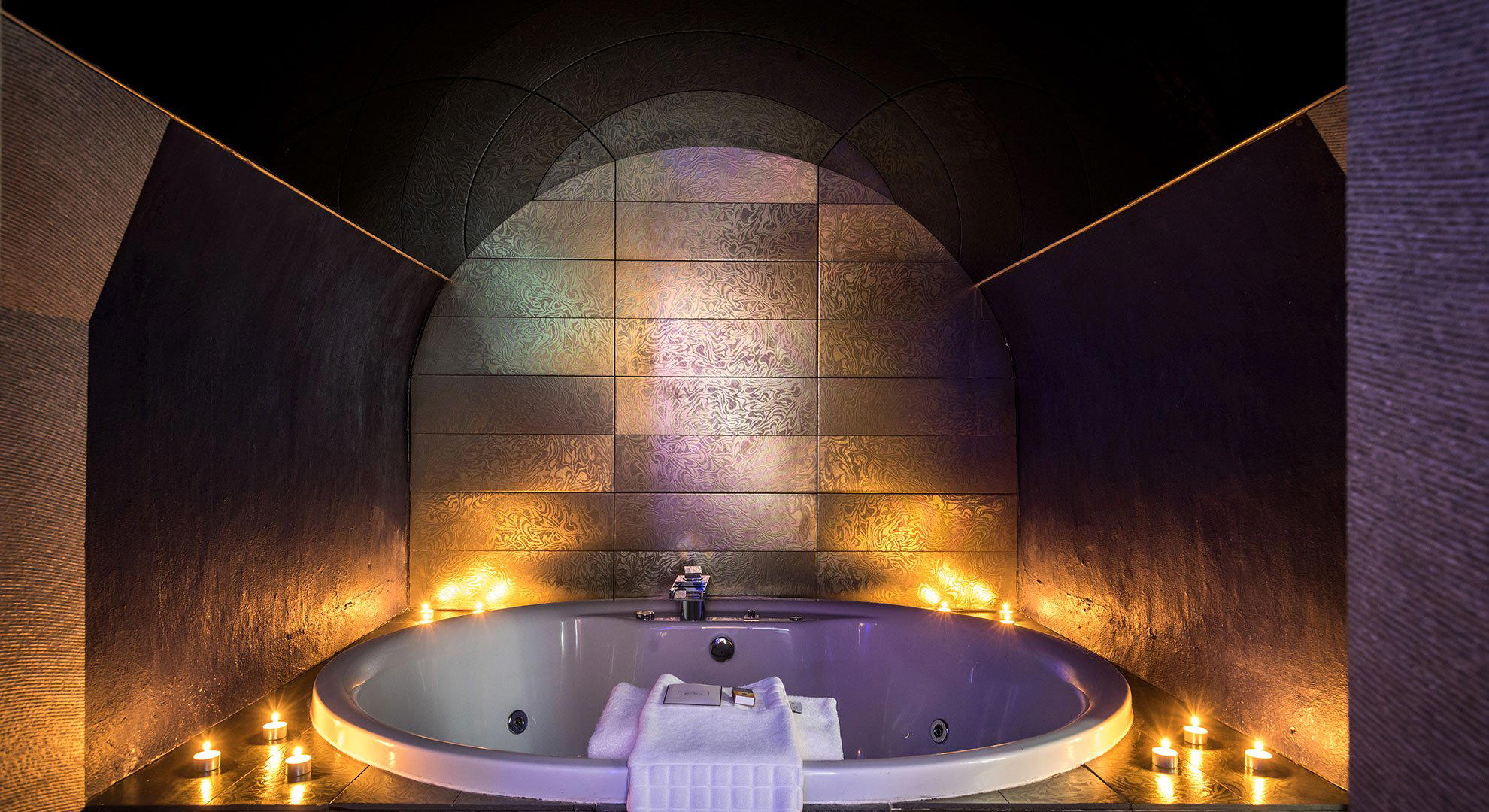
Bathrooms in the upper-tier rooms tend toward the traditional rather than the spa-adjacent minimalism that defines properties like Harbour Hotel Brighton. This is consistent with the hotel's overall positioning: The Grand does not compete on wellness programming or design novelty. It competes on a certain formality of experience, the kind of overnight stay where the bed is large, the ceiling is high, and the view justifies the rate. Guests who arrive expecting the curatorial precision of, say, Estelle Manor or the heritage grandeur of Claridge's will find a different register here, one that is more overtly traditional and less architecturally edited.
In the context of the south coast specifically, that positioning is relatively rare. Most of the region's premium independent hotels, from Lime Wood in Lyndhurst to the smaller coastal properties in Cornwall and Suffolk, have moved toward countryside or design-led formats. The formal seafront hotel with Victorian bones and a ballroom is a shrinking category in Britain, which makes The Grand's continued operation in that space a useful data point about where demand for the format actually sits.
Where The Grand Sits in the Brighton Context
Brighton's geography rewards hotels that occupy the Kings Road seafront strip. The pier, the Lanes, and the South Downs rail connections are all within walking distance, which means the hotel's location generates practical value regardless of what guests think of the interior. That accessibility places The Grand in a different competitive logic from properties like Gleneagles or The Newt in Somerset, where the estate itself is the destination and the surrounding landscape is part of the product. At The Grand, the city is fully accessible, which suits a certain kind of traveller who wants a formal base rather than an immersive retreat.
Brighton and Hove is roughly an hour from London Victoria, and the frequency of direct services makes The Grand a credible option for short-break travellers who want a seafront hotel without the logistical complexity of flying. That rail connection has historically driven weekend occupancy at the higher end of Brighton's hotel market, and The Grand, with its ballroom and event spaces, captures both leisure stays and corporate weekend business that smaller properties cannot accommodate. For a broader sense of where The Grand sits in relation to the city's full range of dining and hotel options, our full Brighton and Hove guide covers the territory in detail.
Comparable Properties and How to Choose
The decision between The Grand and its Brighton contemporaries depends heavily on what the overnight stay is actually for. Guests prioritising design curation and a highly managed aesthetic should look at Drakes or Artist Residence. Guests prioritising direct sea access, formal public spaces, and a room count that allows for last-minute availability will find the Victorian seafront format more useful. The Grand occupies a bracket that has few local competitors at this scale, which is partly why it has survived the independent boutique wave that reshaped Brighton's accommodation market from the mid-2000s onward.
For comparison beyond the south coast, the formula at The Grand has loose parallels with other large-format historic hotels across Britain: Hope Street Hotel in Liverpool and King Street Townhouse in Manchester occupy similar positions in their respective cities as formal, high-capacity properties with architectural weight. Further afield, Glasgow Grosvenor and Avon Gorge by Hotel du Vin offer the same broadly comparable logic of heritage building, city-centre position, and a room offer that scales across multiple traveller types.
Planning Your Stay
The hotel sits at 97-99 Kings Road, directly on Brighton's seafront, within easy walking distance of the train station and the central shopping area. Guests booking from London will find the journey direct via Southern or Thameslink services into Brighton station. The hotel's size means availability tends to be more accessible than the boutique alternatives in the city, though sea-view rooms in the upper categories tend to fill ahead of summer weekends and bank holidays. Booking directly or checking well in advance remains the standard approach for any room that faces the water.
Side-by-Side Snapshot
| Venue | Price | Awards |
|---|---|---|
| The Grand BrightonThis venue (the venue you are viewing) | Not listed | Not listed |
| Artist Residence Brighton | $100–200 | 1 Michelin Key |
| Drakes Hotel | A Curious Group of Hotels | $200–300 | Not listed |
Continue exploring
More in Brighton
Hotels in Brighton
All hotels in Brighton →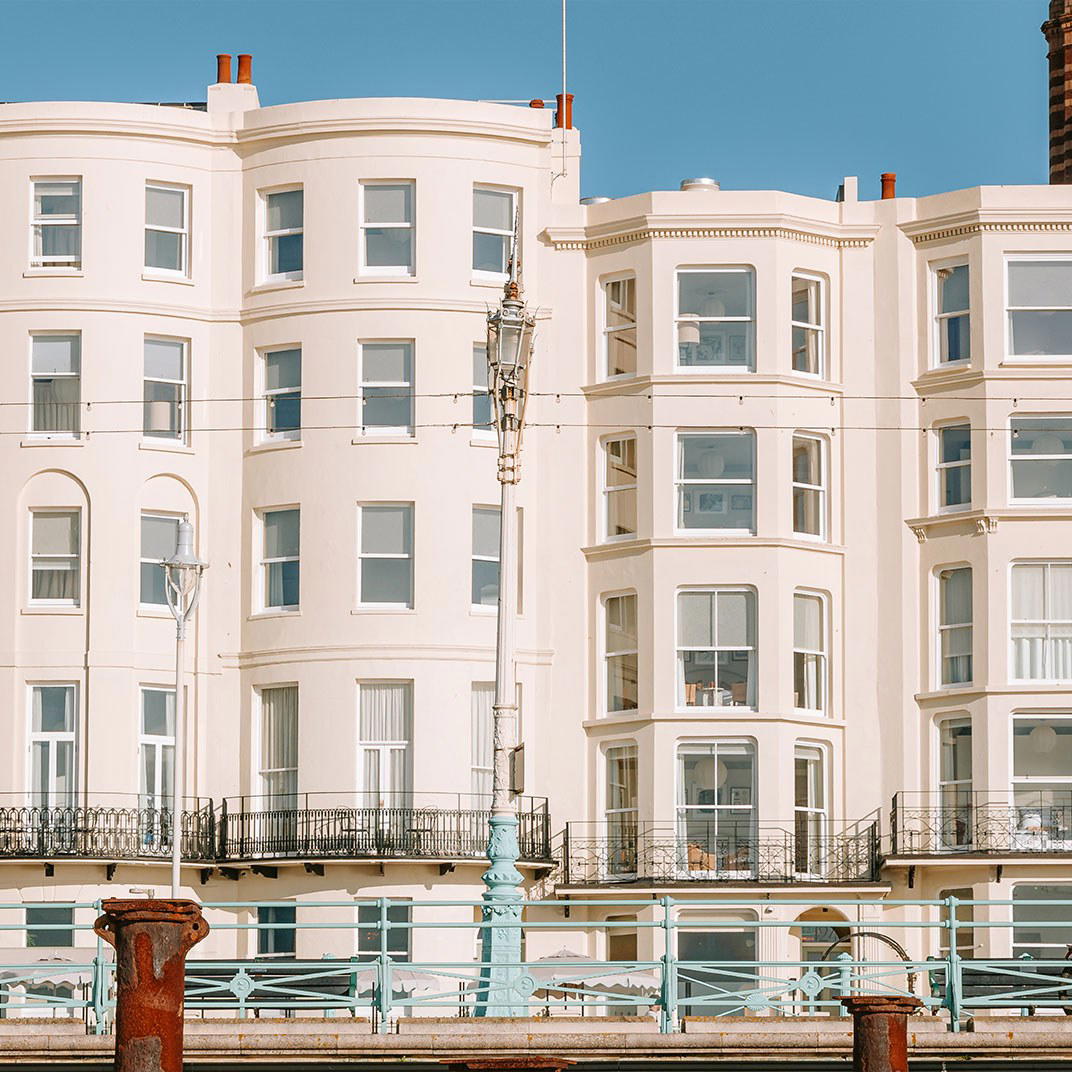
Bars in Brighton
All bars in Brighton →
Restaurants in Brighton
All restaurants in Brighton →

Details
- Elegant
- Classic
- Sophisticated
- Ornate
- Romantic Getaway
- Weekend Escape
- Celebration
- Waterfront
- Historic Building
- Terrace
- Wi Fi
- Pool
- Spa
- Fitness Center
- Room Service
- Concierge
- Valet Parking
- Waterfront
- Elevator
- Wheelchair Accessible
Soft oceanic tones, calming sea and sky hues, modern lighting enhancing historic opulence and beachfront views.