Google: 4.7 · 64 reviews
MŌDAN
.png)

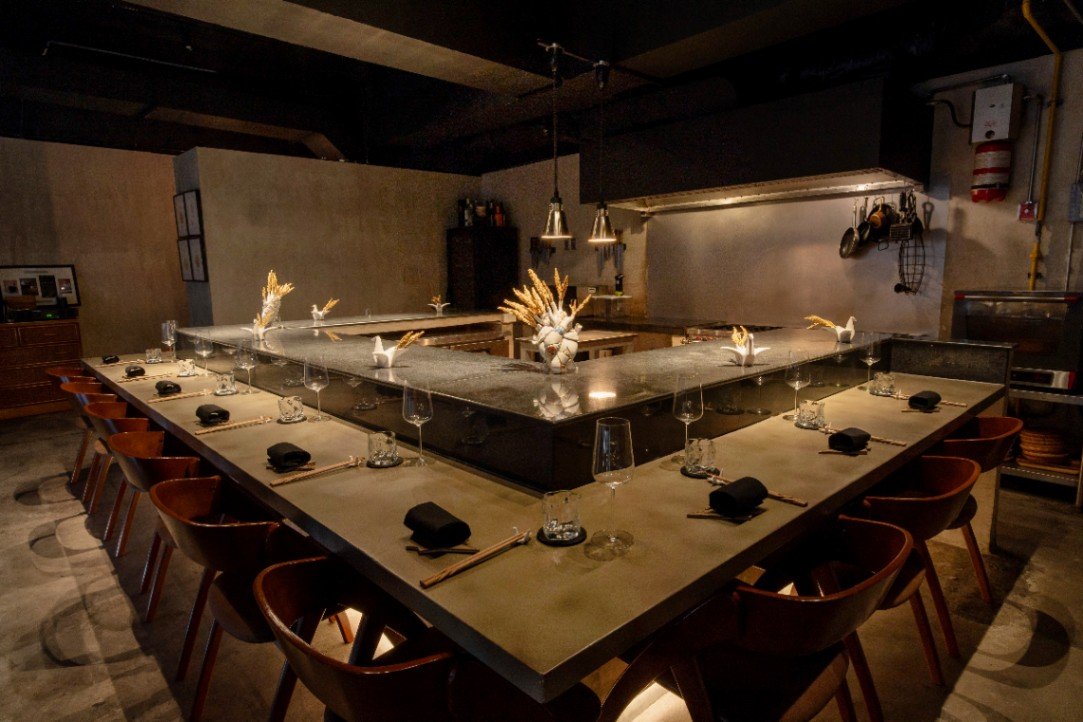
MŌDAN holds a Michelin Plate (2026) and operates from a counter format inside Cubao's Escalades East Tower, where technique-driven cooking fuses personal memory with neotraditional Filipino touches. The counter rhythm makes this one of Quezon City's most deliberate dining propositions, placing it in a small peer set of Metro Manila restaurants working at the intersection of precision and local identity.
 Discover on Pearl
Pearl is the En Primeur Club membership app — saves, bookings, and concierge access live there. Same editors, same standards.
Cubao as Context: What the Address Tells You Before You Sit Down
Quezon City's dining scene has long been overshadowed by the Makati and BGC corridor, where international capital and a concentration of hotel restaurants set the critical agenda. That geography is slowly shifting. A cluster of destination-quality restaurants has taken root across QC's varied barangays, from the tree-lined streets of Diliman to the denser commercial grid of Cubao, and MŌDAN is among the most discussed reasons why that shift is happening. Its address inside the Escalades East Tower on 20th Avenue places it in a part of the city that most Metro Manila dining guides would have ignored a decade ago — which is precisely what makes the placement a statement.
Cubao is a transit and commercial hub first, a dining destination second. That order is beginning to reverse for a specific tier of restaurant, and MŌDAN occupies that emerging tier. The building context is modern and vertical; the experience inside is deliberately counter-scaled and intimate. For diners arriving from Makati or Manila proper, the commute is part of the proposition — this is not a restaurant that chases footfall. It waits for guests who have made a considered decision to come.
Counter Format and the Rhythm It Creates
Counter dining has a specific logic that separates it from conventional restaurant formats. When the kitchen faces the guest, each course arrives as a small event rather than a delivery. The sequence is dictated by the kitchen, not the menu card, and the space between courses carries weight. This format is well-established at a handful of Metro Manila addresses , Celera in Makati and Gallery By Chele in Manila both work within a high-investment, counter-adjacent intimacy , but it remains rare at Quezon City addresses. MŌDAN's counter seating is not a design affectation; it functions as the structural engine of the meal, controlling pace, surprise, and the relationship between cook and guest.
That format discipline is part of what earned MŌDAN a Michelin Plate in the 2026 guide , a recognition that signals consistent cooking quality and a coherent dining proposition, sitting one tier below a star but well above the general field. In Metro Manila's Michelin context, which remains selective and concentrated, a Plate in Quezon City carries particular weight: it tells you the inspectors made the trip north of the Pasig, and found something worth returning to.
Technique First, Memory Behind It
The Michelin citation for MŌDAN describes a kitchen where technique comes first, and where personal memory fuses with neotraditional touches. That phrase , neotraditional , is doing specific work. It positions the cooking neither as a strict preservation of Filipino culinary heritage nor as a wholesale departure into abstraction. Instead, it suggests a negotiation: classical discipline applied to ingredients, preparations, and emotional references that are distinctly local. This is a mode that has precedent at the sharper end of Philippine fine dining, visible in different registers at Linamnam in Parañaque and, at a more regional scale, at Abaseria Deli & Cafe in Cebu.
What distinguishes MŌDAN's version of that negotiation is the word poised in the Michelin framing. Poise in a dining context implies control , not overthought, not performative, but calibrated. Courses arrive because they are ready, not because a timer has run. The counter format enforces that discipline on the guest side as much as the kitchen side. You are not ordering; you are participating in a sequence that has been thought through before you arrived.
For reference points outside the Philippines, the counter-technique-memory triangle is familiar territory at places like Atomix in New York City, where Korean culinary memory is processed through French technical training into a multi-course counter format. The ambition at MŌDAN is legible against that international peer set, even if the scale and city are different.
Where MŌDAN Sits in Quezon City's Dining Field
The broader Quezon City restaurant scene covers a wide range of registers. Casual neighborhood staples like Morning Sun Eatery and Palm Grill (Diliman) anchor the everyday eating life of the city. More specific propositions like Deo Gracias, Esmeralda Kitchen, and Fong Wei Wu represent the city's growing mid-to-upper dining tier. MŌDAN operates above that tier, in the small bracket of QC addresses where a Michelin recognition is part of the identity. That bracket is currently thin, which amplifies the signal.
The comparison to Asador Alfonso in Cavite is instructive: both operate outside the traditional Metro Manila fine dining corridor, both have earned recognition that pulls guests across city lines, and both make the argument that serious cooking does not require a Makati address. MŌDAN makes that argument from Cubao, which is a more provocative location choice than Cavite's heritage-property setting, and arguably a more urban one.
For a fuller picture of what Quezon City offers across categories, see our full Quezon restaurants guide, along with guides to hotels, bars, wineries, and experiences in the area.
Planning Your Visit
MŌDAN is located at Escalades East Tower, 20th Avenue, Cubao, Quezon City, 1100 Metro Manila. The Cubao MRT station (both the Araneta Center–Cubao stop on Line 3 and the Cubao stop on Line 2) puts the building within walking distance, making this one of the more transit-accessible fine dining addresses in Metro Manila despite its off-corridor location. For guests driving from Makati or BGC, the C5 route or EDSA are the practical options, with travel time variable depending on Metro Manila traffic patterns , evening reservations on weekdays will require buffer time. Given the counter format and the precision of the service sequence, arriving late disrupts the experience in ways that a conventional restaurant would absorb more easily. Booking specifics are not publicly listed at time of writing; direct contact via the venue is the recommended approach for reservation inquiries. Dress expectations at this tier of dining in Metro Manila tend toward smart casual at minimum, though the counter setting and the precision of the food make a more considered appearance appropriate.
A Minimal Peer Set
A compact peer snapshot based on similar venues we track.
| Venue | Notes | Price |
|---|---|---|
| MŌDAN | This venue | |
| Deo Gracias | ||
| Esmeralda Kitchen | ||
| Fong Wei Wu | ||
| Morning Sun Eatery | ||
| Palm Grill (Diliman) |
Continue exploring
More in Quezon City
Restaurants in Quezon City
Browse all →
Bars in Quezon City
Browse all →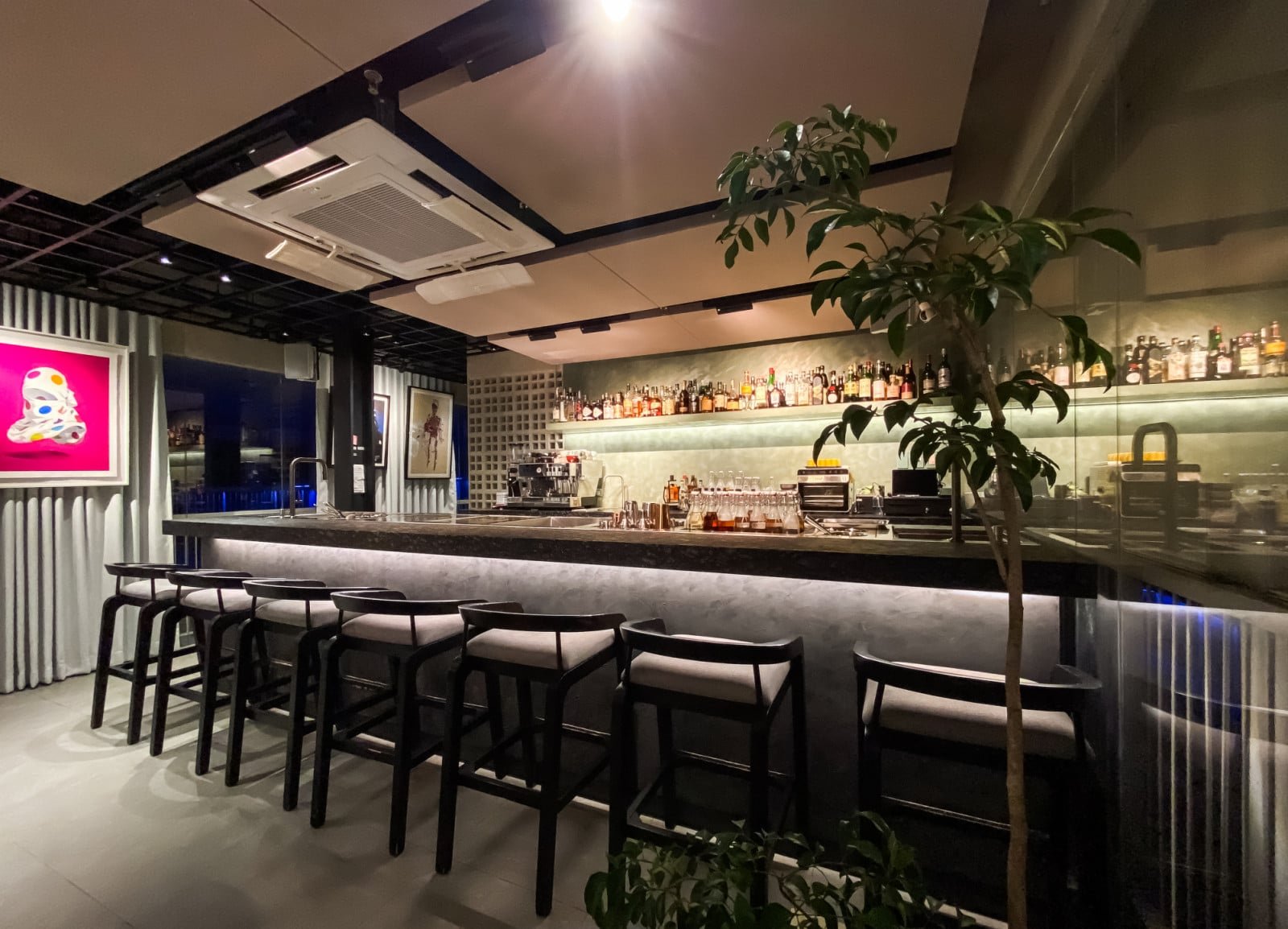
At a Glance
- Modern
- Minimalist
- Intimate
- Sophisticated
- Date Night
- Special Occasion
- Solo
- Chefs Counter
- Open Kitchen
- Sake Program
- Local Sourcing
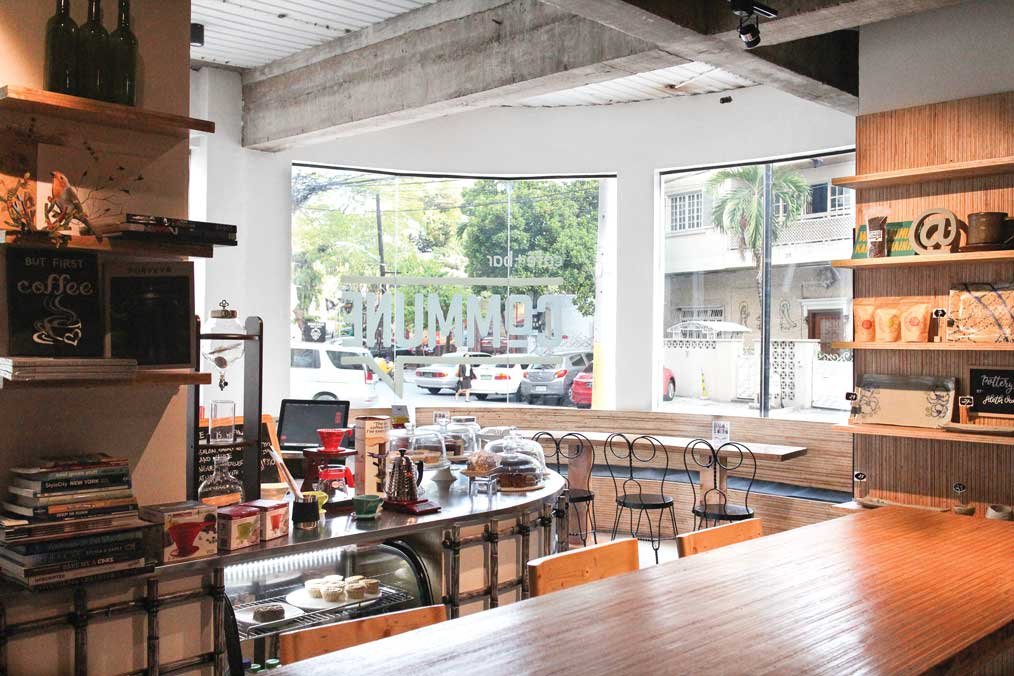
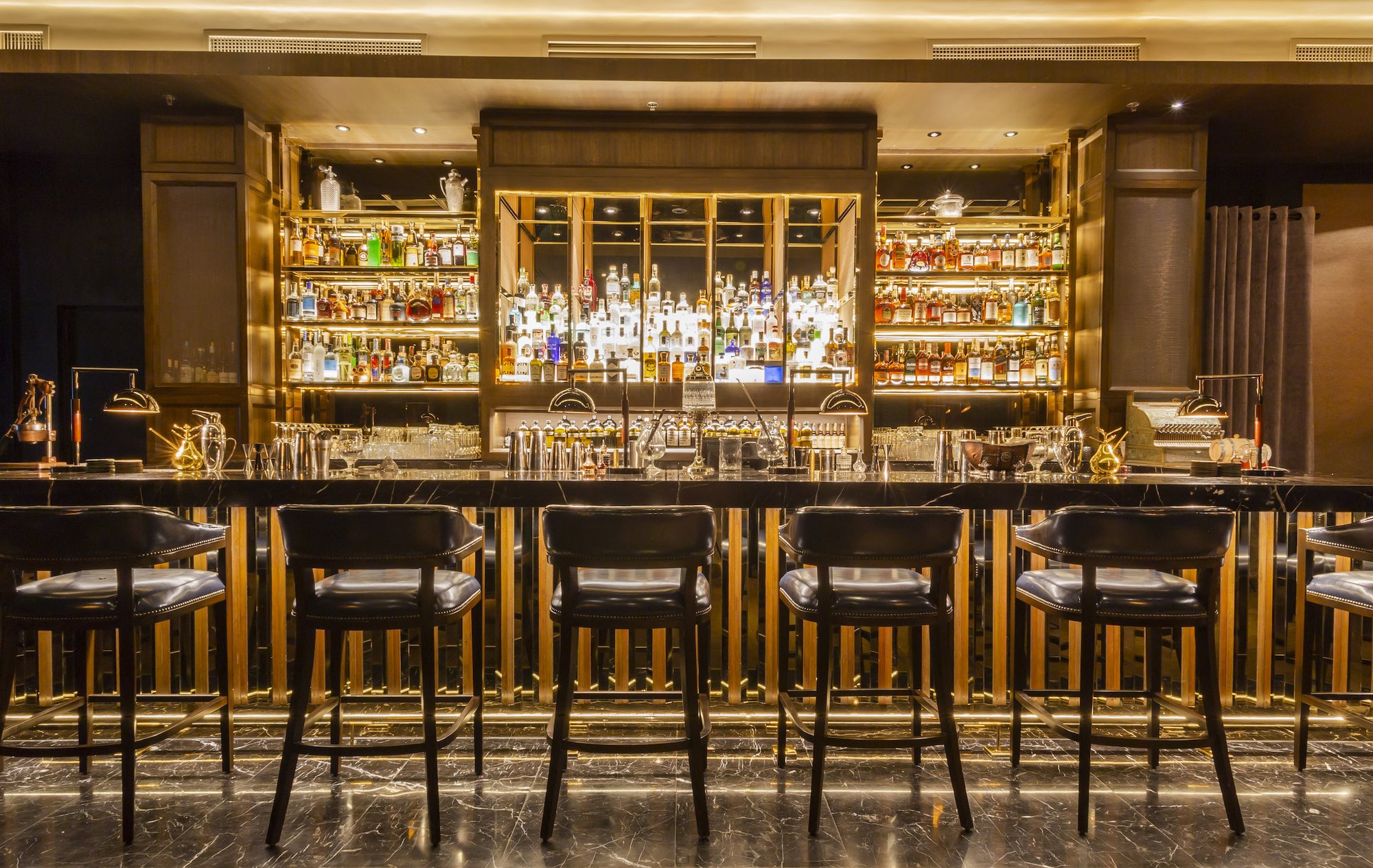
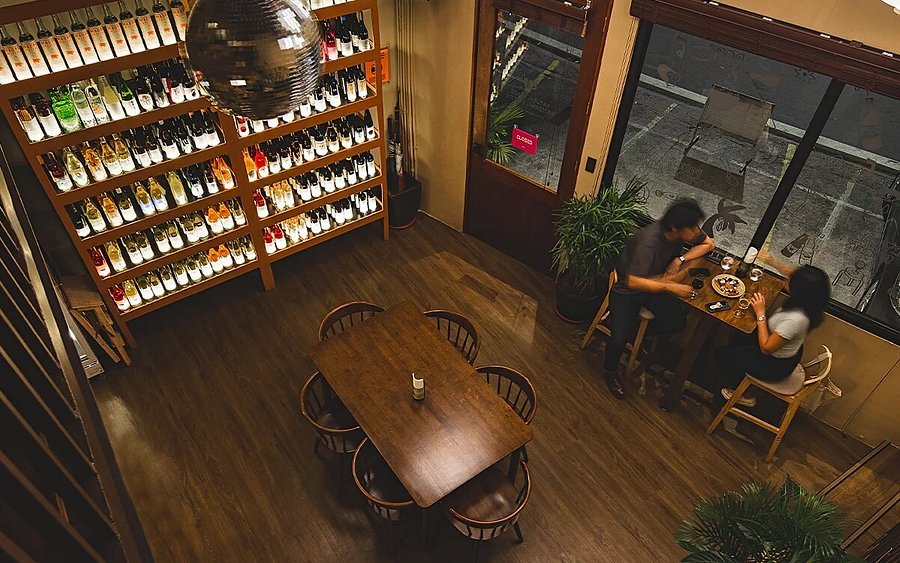
Minimalist grey-toned counter dining with sleek open kitchen, providing an intimate yet vibrant atmosphere.