Fong Wei Wu

Fong Wei Wu sits on Banawe Street in Quezon City, a stretch long associated with Filipino-Chinese community life and the cooking traditions that came with it. The restaurant earned a Michelin Plate in 2026, placing it among a select tier of Metro Manila addresses recognised by the guide. For visitors exploring the city's broader dining circuit, it anchors the Samat neighbourhood's claim to serious table culture.
Pearl is the En Primeur Club membership app — saves, bookings, and concierge access live there. Same editors, same standards.
- Address
- Banawe Street, Samat, Quezon City, 1114 Metro Manila, Philippines
- Phone
- +63 917 771 3456
- Directions
- Get directions
 Saves & bookings on Pearl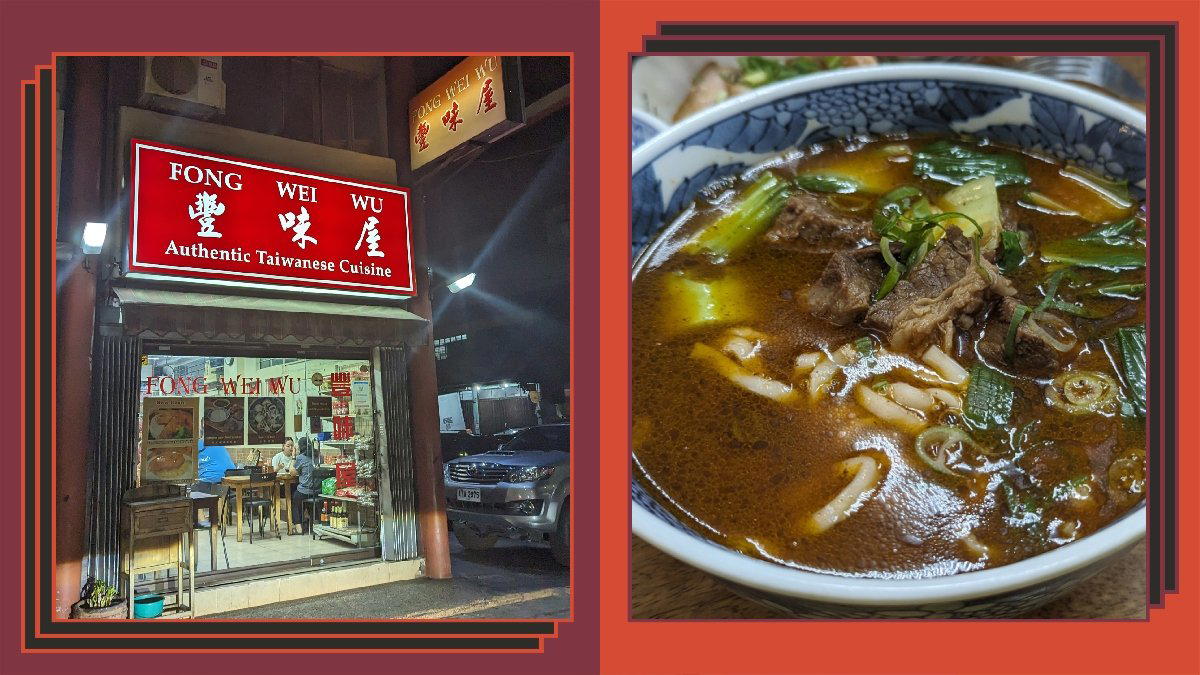
Banawe Street and the Cooking It Carries
Banawe Street in Quezon City has functioned for decades as one of Metro Manila's most concentrated corridors of Filipino-Chinese commerce and community. The street's identity was built not through branding but through density: hardware shops, herbalists, and restaurants occupying the same blocks for generations, serving a population whose food preferences run toward the specific and the uncompromising. Fong Wei Wu sits within this context, on Banawe Street in the Samat district, at postal code 1114. The address alone carries a particular signal for anyone familiar with how Quezon City's dining geography works.
Walking this stretch, the sensory register is immediately distinct from the more designed restaurant corridors of BGC or Poblacion. Signage is functional rather than decorative. The rhythm of the street is purposeful. Restaurants here earn their standing through repeat custom from a community that knows what it expects, and the feedback loop between kitchen and regular is tighter and less forgiving than in tourist-facing areas. That context shapes what happens at the table before a dish arrives.
The Michelin Plate and What It Signals in Metro Manila
Fong Wei Wu received a Michelin Plate in 2026, a designation the guide uses to recognise restaurants serving food of a quality worth noting, distinct from the star tiers but meaningful within the broader framework of the Michelin system's Metro Manila coverage. In a city where the guide operates across a wide geographic spread, from Makati addresses like Celera in Makati to locations further afield, a Plate awarded to a Quezon City address on Banawe Street carries specific weight. It positions Fong Wei Wu within a cohort of Manila-area restaurants that have cleared the guide's threshold without necessarily positioning themselves for the international dining tourism market.
The breadth of that spread reflects how the guide has approached Philippine coverage: not as a luxury-only circuit but as a cross-section of the city's serious cooking. The restaurant's placement within that spread locates it firmly in the community-rooted, neighbourhood-specialist tier.
The Dining Ritual on Banawe
Filipino-Chinese dining in the Banawe corridor follows a rhythm that differs from the paced, course-structured formats common to upmarket tasting menus. The meal tends to arrive at the table in a manner governed by the kitchen's logic rather than a rigid sequence, with dishes placed for communal sharing, portions calibrated for groups, and the expectation that the table will manage its own pacing. This is not a dining culture built around the single diner's solo experience; it assumes a table, an occasion, and some familiarity with how to order across categories.
That communal format rewards preparation. At restaurants of this type, knowing what the kitchen does with particular proteins or cooking methods matters more than defaulting to a prix-fixe. The lack of a set menu structure means the ritual of ordering is itself part of the meal. Regulars approach the menu with a mental map built over multiple visits; first-timers do better asking what has been ordered most consistently rather than treating the menu as a list of equal options. This is a pattern common across the Filipino-Chinese restaurant tier, from neighbourhood canteens to the more recognised addresses in the Michelin framework.
The pacing that follows is slower than it might appear from the outside. Dishes arrive as they are ready, conversation happens between rather than around the food, and the table tends to linger. This is not a format that suits a tight schedule, and trying to impose one typically works against the meal. Plan accordingly.
Quezon City's Dining Position Within Metro Manila
Quezon City's restaurant scene occupies a different register from the more internationally visible dining districts in Makati or the BGC corridor. The city's scale, the density of its residential population, and the presence of established community enclaves have produced a dining culture that is neighbourhood-specific and less dependent on destination-dining traffic. Several of the city's most consistently respected restaurants are not widely promoted outside their immediate communities.
Within Quezon City itself, the spread of recognised addresses covers a range of formats and price points. Deo Gracias, Esmeralda Kitchen, Morning Sun Eatery, MŌDAN, and Palm Grill (Diliman) each serve distinct audiences and operate with different ambitions. The restaurant occupies the Filipino-Chinese community restaurant position within that spread, with Michelin recognition as an external credential that confirms rather than redefines its local standing.
Broader Philippines dining coverage extends well beyond Metro Manila. Addresses like Linamnam in Parañaque, Asador Alfonso in Cavite, and Abaseria Deli & Cafe in Cebu illustrate how the country's serious cooking is distributed across regions rather than concentrated in a single city. For visitors building a broader Philippine itinerary, the full Quezon restaurants guide provides context for how the restaurant sits within the city's wider dining picture.
Planning a Visit
The restaurant is located on Banawe Street in the Samat district of Quezon City, within Metro Manila's 1114 postal zone. The Banawe corridor is accessible by taxi and ride-hailing services from central Quezon City and most of Metro Manila; travel times depend heavily on Metro Manila traffic, and the street itself can be congested during peak hours. Walk-ins and direct visits remain the primary mode of access.
The 2026 Michelin Plate designation means the restaurant now sits on the radar of informed visitors who follow the guide's Metro Manila coverage. Visiting on a weekday or arriving outside peak meal hours is a reasonable approach. The meal format, communal and unhurried, suits a group of two or more rather than a solo visit.
- fried bihon
- wonton noodles
- braised beef rice
- century egg tofu
- pig ears
- smoked duck
Style and Standing
Comparable venues nearby, for context on price, style, and recognition.
| Venue | Cuisine | Price | Awards | Notes |
|---|---|---|---|---|
| Fong Wei WuThis venue — the venue you are viewing | Authentic Taiwanese Home-Style | $ | Michelin Plate | Not listed |
| Esmeralda Kitchen | Modern Filipino | $$ | Michelin Plate | Santa Mesa Heights |
| Palm Grill (Diliman) | Southern Mindanao Filipino (ZamBaSulTa) | $$ | Bib Gourmand | Diliman |
| Lydia's Lechon Fairview - The Lechon in Manila | Filipino Lechon Specialist | $$ | Not listed | Fairview |
| Frankie's New York Buffalo Wings - SM City Fairview | American Buffalo Wings | $$ | Not listed | SM City Fairview |
| SOME THAI | Modern Thai | $$ | Bib Gourmand | Tomas Morato, Quezon City |
Recognition history
Dated appearances from independent guides and award organizations, with the underlying list record or original source where available.
Michelin Plate
Michelin
Continue exploring
More in Quezon City
Restaurants in Quezon City
Browse all →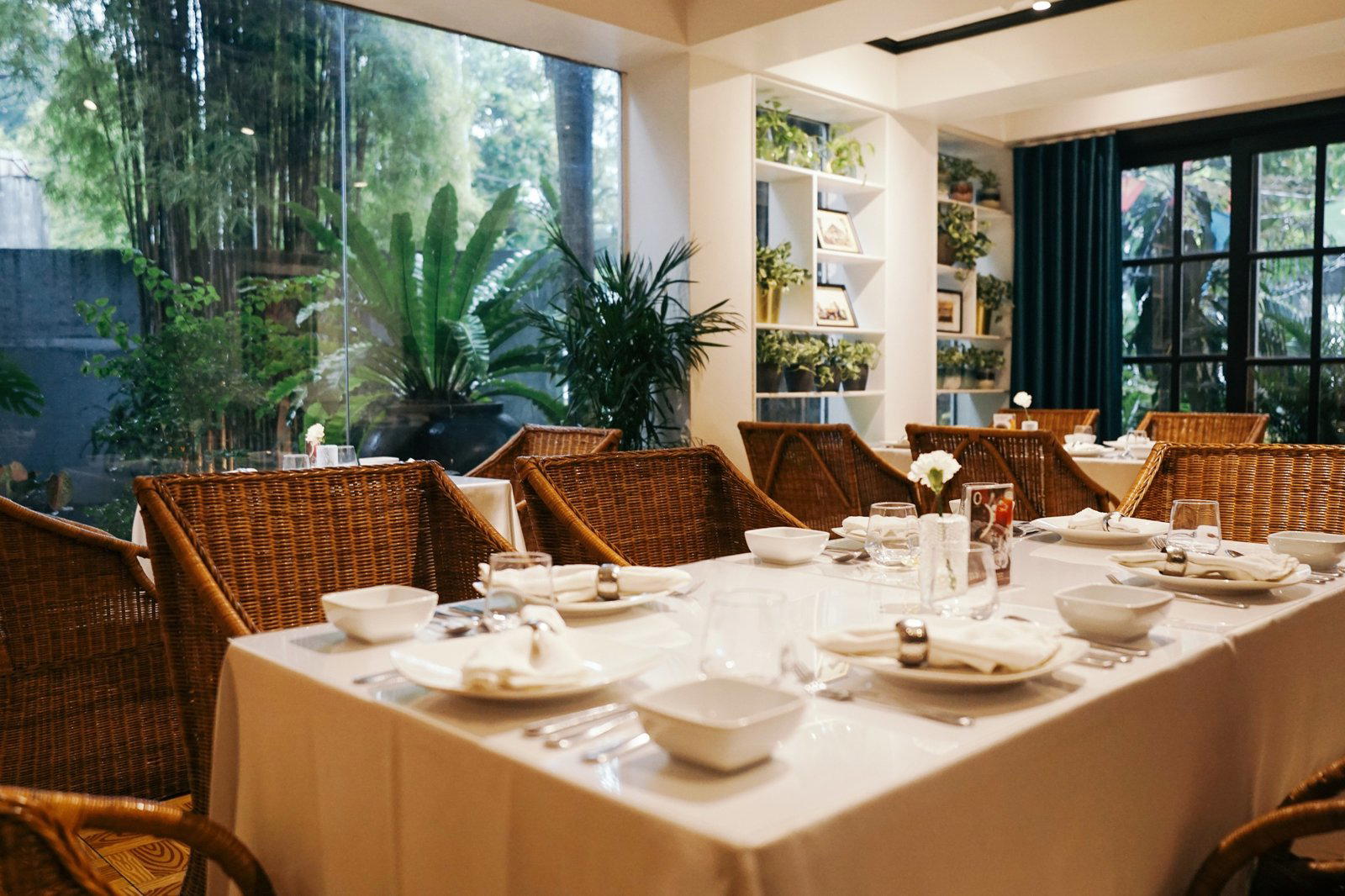
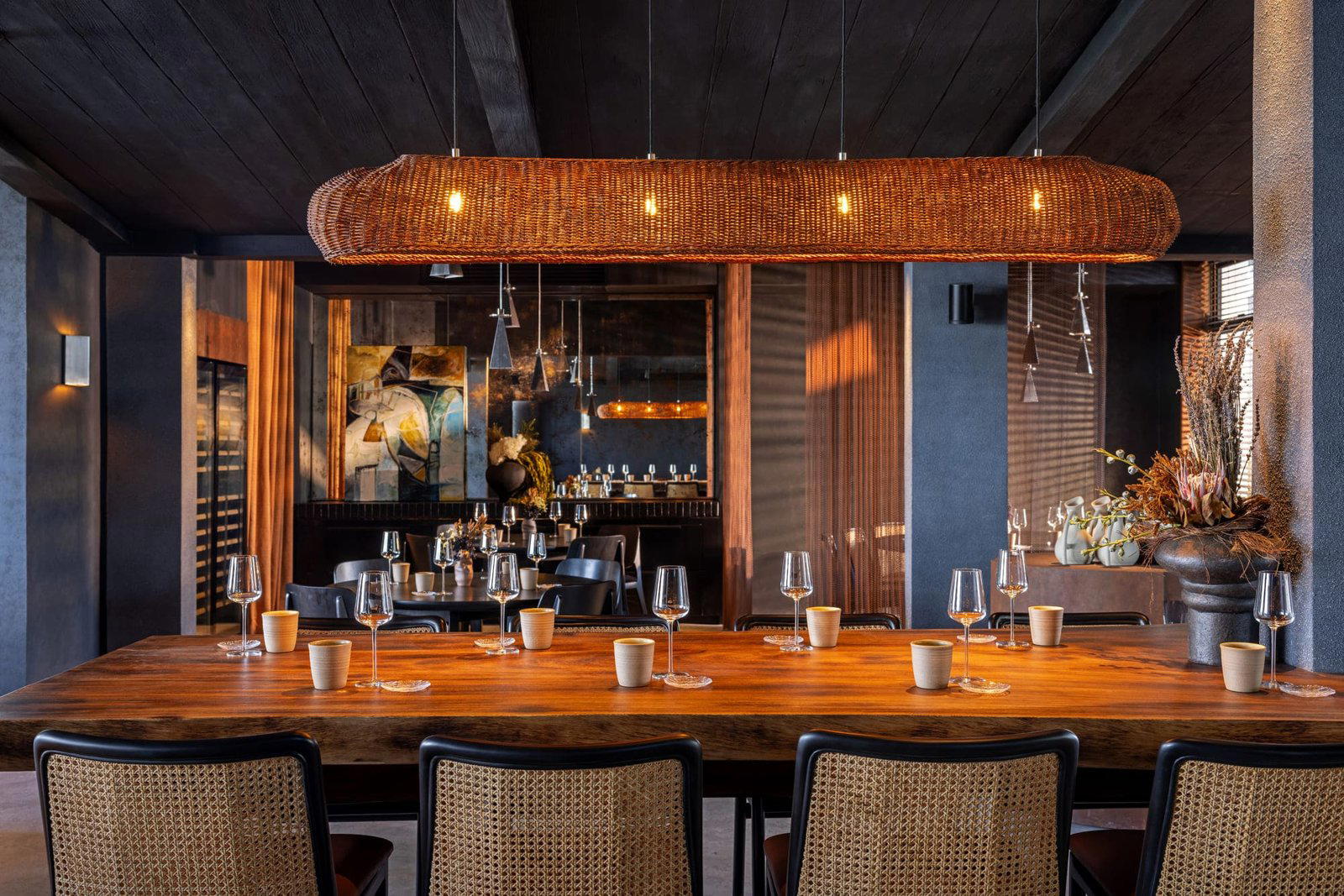
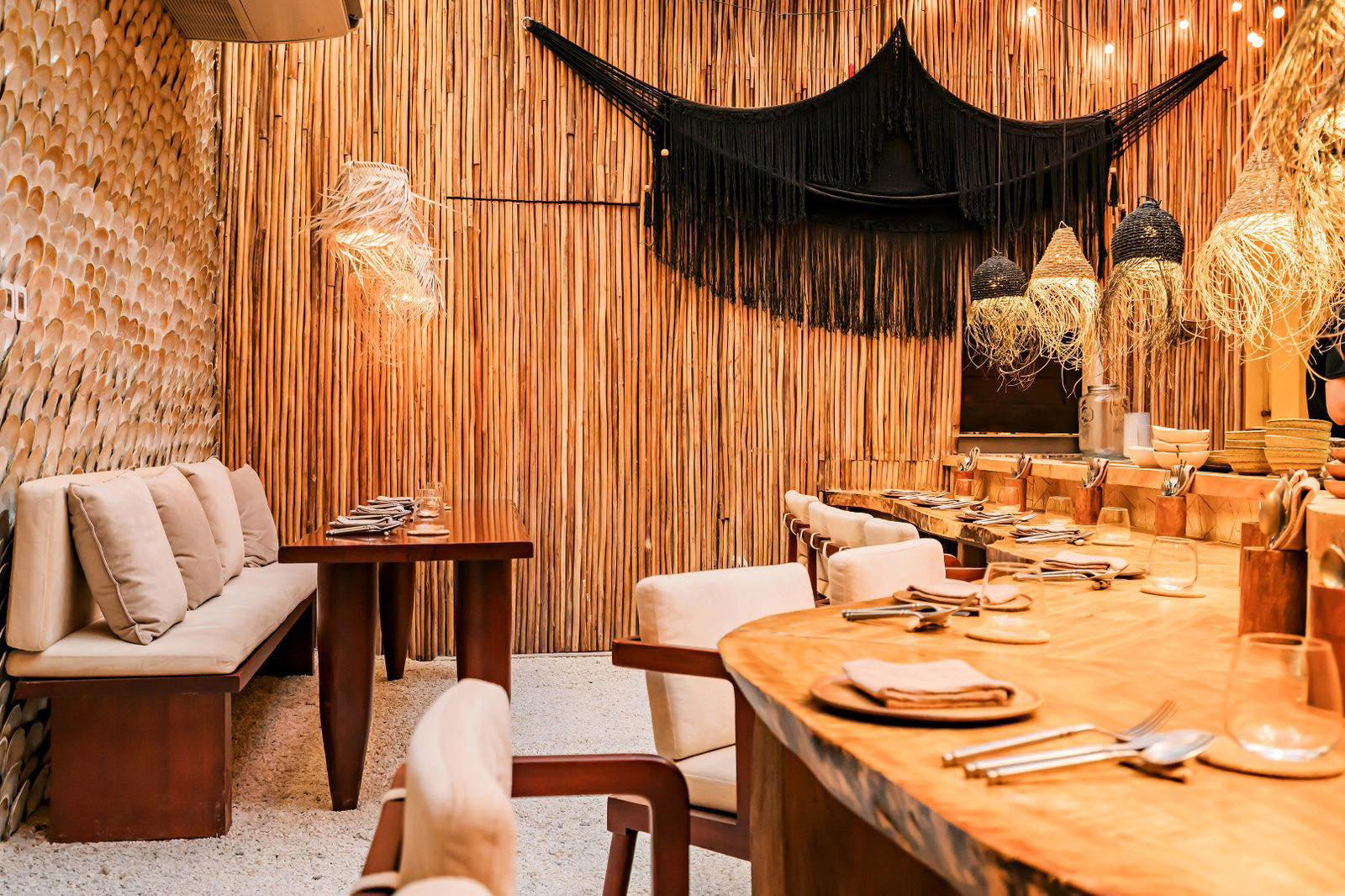
Bars in Quezon City
Browse all →
At a Glance
- Cozy
- Casual
- Casual Hangout
- Solo
- Family
- Group Dining
- Standalone
Current opening hours
- Monday
- 10:30 AM–9 PM
- Tuesday
- 10:30 AM–9 PM
- Wednesday
- Closed
- Thursday
- 10:30 AM–9 PM
- Friday
- 10:30 AM–9 PM
- Saturday
- 10:30 AM–9 PM
- Sunday
- 10:30 AM–9 PM
Hours can change for holidays and private events. Last verified .
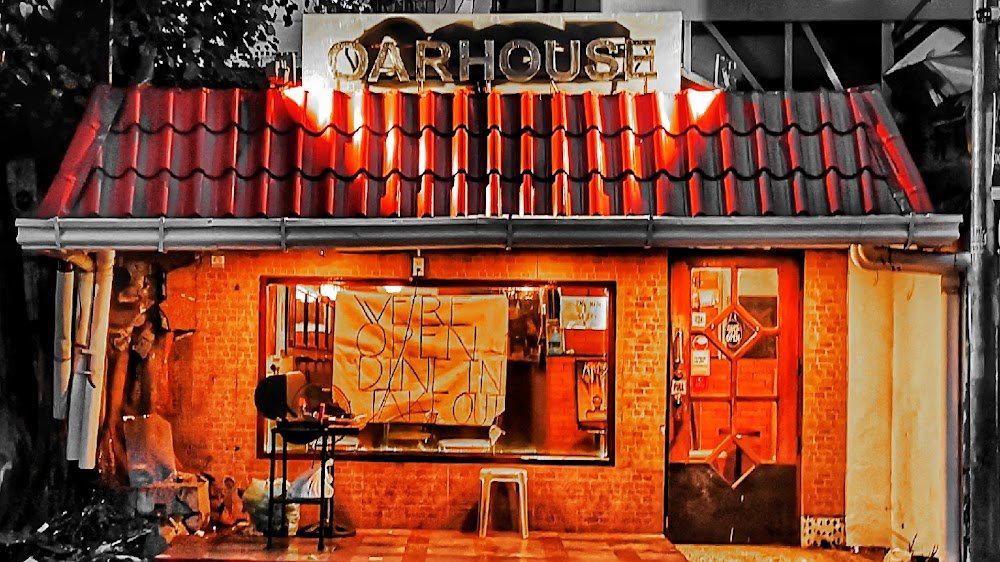
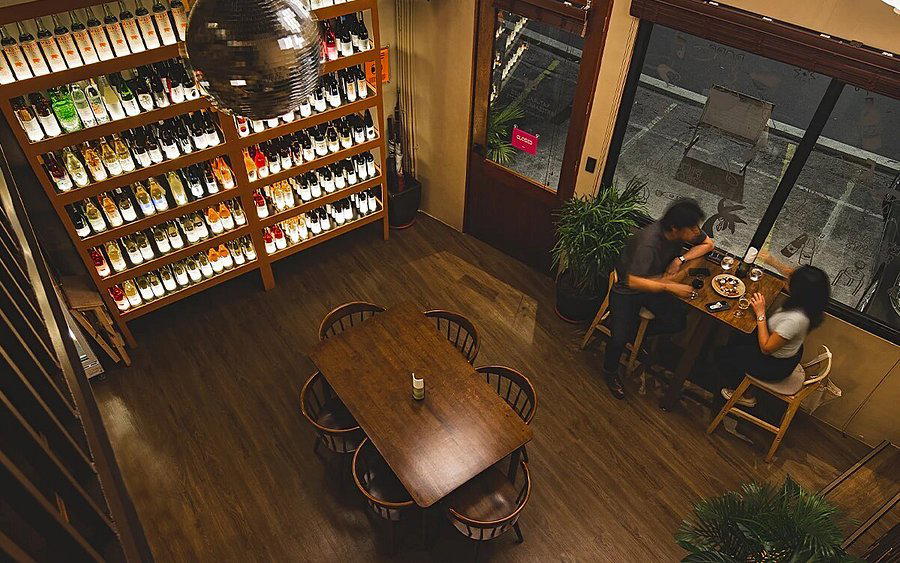
Simple, unpretentious interior with plain walls and direct tables; feels like a carinderia with air conditioning; warm and welcoming with the comfort of home cooking.