Deo Gracias

Deo Gracias holds a Michelin Plate recognition for 2026, placing it within a small tier of formally acknowledged restaurants in Metro Manila's Quezon City dining scene. Located on 11th Jamboree in Diliman, it represents the kind of neighbourhood-anchored cooking that Michelin's Philippine inspectors have been increasingly drawn to since the guide's Manila launch.
Pearl is the En Primeur Club membership app — saves, bookings, and concierge access live there. Same editors, same standards.
- Address
- 12 11th Jamboree, Diliman, Quezon City, 1103 Metro Manila, Philippines
- Phone
- +63270056741
- Website
- instagram.com
- Directions
- Get directions
 Saves & bookings on Pearl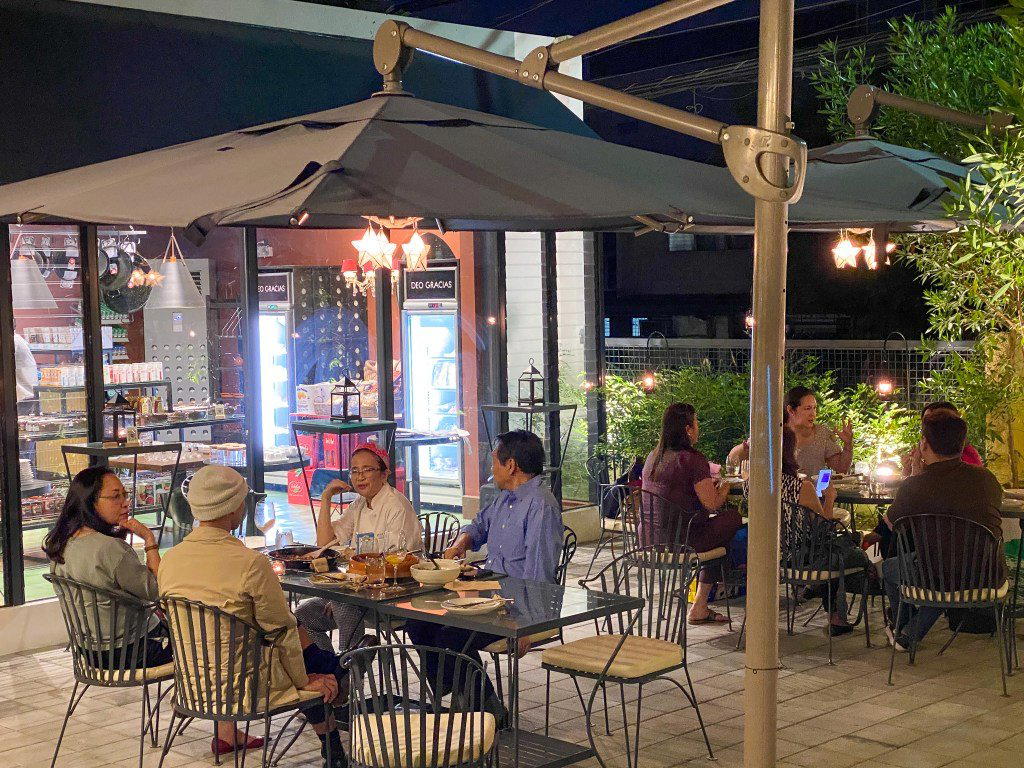
Diliman's Quiet Corner of Michelin Recognition
The stretch of 11th Jamboree in Diliman is not where most visitors instinctively look for serious dining. Quezon City's UP Diliman corridor has long operated as a secondary orbit to Manila's more conspicuous restaurant districts, its food scene shaped by proximity to the university, long-standing community ties, and a preference for substance over spectacle. That context matters when reading Deo Gracias, which sits at number 12 on that street and carries a Michelin Plate, a signal that the food here meets a standard Michelin's Philippine inspectors consider worth marking on the map.
The Michelin Plate designation is not a consolation category. It identifies restaurants where the cooking is consistently good enough to warrant a visit on its own terms, even without the star. In Metro Manila's current Michelin universe, that still places a restaurant inside a relatively narrow cohort. For Quezon City specifically, formal Michelin recognition at any level is uncommon enough that Deo Gracias occupies a distinct position among its neighbourhood peers. Comparable Quezon City restaurants worth knowing include Esmeralda Kitchen, Fong Wei Wu, Morning Sun Eatery, MŌDAN, and Palm Grill (Diliman), each operating in different register and price tier.
The Sourcing Logic Behind Diliman Cooking
Restaurants earning Michelin recognition in the Philippines tend to share one structural trait: they treat the country's agricultural and coastal supply chains as a competitive asset rather than a logistical constraint. The Philippine archipelago produces a range of ingredients, from highland vegetables in Benguet and Bukidnon to coastal seafood across Luzon, Visayas, and Mindanao, that remain underrepresented on formal restaurant menus compared to their quality and availability. The restaurants the Michelin guide has flagged in Metro Manila increasingly work within this supply logic, building menus around what the country's producers actually grow, fish, and raise rather than defaulting to imported proteins and standard-issue pantry ingredients.
This sourcing orientation is visible across the broader Metro Manila Michelin set. Gallery By Chele in Manila has made Filipino ingredient provenance a deliberate part of its identity at the higher end. Linamnam in Parañaque takes a research-driven approach to regional Filipino cooking that foregrounds local produce explicitly. Asador Alfonso in Cavite grounds its program in provincial supply chains with a different cultural framing. For a restaurant in Diliman to hold a Michelin Plate, it most likely operates within some version of this same sourcing seriousness, using the local supply network as both a practical foundation and an editorial statement about what Filipino cooking can be.
At the broader Metro Manila level, this represents a meaningful shift from the previous decade, when serious dining in the city was more likely to signal ambition through European technique and imported ingredients than through local provenance. The Michelin Philippines selection has, whether by design or consequence, tilted recognition toward kitchens that treat Filipino sourcing as a point of depth rather than a limitation.
Where Deo Gracias Sits in Its Competitive Set
Within the Quezon City dining scene specifically, the restaurant occupies a tier defined less by spectacle and more by the quality of what arrives at the table. The Diliman neighbourhood does not attract the kind of destination-dining foot traffic that BGC or Poblacion generate, which means the restaurants that do well here tend to succeed through repeat local patronage and word-of-mouth from a community that knows the area well. A Michelin Plate in this context is a different kind of credential than one earned in a high-visibility BGC address: it signals that inspectors sought the restaurant out rather than encountering it through the usual circuits of press and social media visibility.
Metro Manila's wider Michelin-recognised scene also includes Celera in Makati and Blackbird Makati in Manila, both operating in more commercially prominent addresses. The contrast in neighbourhood profile is instructive. Internationally, the pattern of Michelin recognising technically accomplished neighbourhood restaurants over conspicuous fine-dining addresses has been well established in cities like Tokyo and New York, Atomix in New York City and Le Bernardin in New York City each represent different positions in that city's tiering, with the former signalling a particular kind of chef-driven ambition that shares DNA with the Philippine scene's current direction. The parallel is loose but the logic is consistent: Michelin has always rewarded cooking quality independent of postcode, and Diliman is now on that map.
For visitors planning around Quezon City specifically, the practical entry point to the neighbourhood is direct: the area around UP Diliman is accessible by car and rideshare, and 11th Jamboree sits within the residential grid that surrounds the campus. Given the Michelin Plate status and Metro Manila's generally competitive reservation environment for recognised restaurants, advance planning is advisable rather than optional.
If you are extending a Metro Manila itinerary beyond Quezon City, Abaseria Deli & Cafe in Cebu represents the same sourcing-led sensibility in a different regional context.
Planning Your Visit
The restaurant is located at 12 11th Jamboree, Diliman, Quezon City, 1103 Metro Manila. The restaurant holds a 2026 Michelin Plate. Hours are Monday through Sunday, 11 AM to 3 PM and 5 PM to 10 PM. Reservations are recommended. Given its neighbourhood position and Michelin recognition, it fits a lunch or dinner visit when spending a day in the Diliman-UP area.
At-a-Glance Comparison
Comparable venues nearby, for context on price, style, and recognition.
| Venue | Cuisine | Price | Awards | Notes |
|---|---|---|---|---|
| Deo GraciasThis venue — the venue you are viewing | Modern Spanish Tapas | $$ | Michelin Plate | Not listed |
| Esmeralda Kitchen | Modern Filipino | $$ | Michelin Plate | Santa Mesa Heights |
| Fong Wei Wu | Authentic Taiwanese Home-Style | $ | Michelin Plate | Quezon City, Banawe Street |
| CIBO | Italian Pasta & Pizza | $$ | Not listed | Cubao |
| Palm Grill (Diliman) | Southern Mindanao Filipino (ZamBaSulTa) | $$ | Bib Gourmand | Diliman |
| Lydia's Lechon Fairview - The Lechon in Manila | Filipino Lechon Specialist | $$ | Not listed | Fairview |
Recognition history
Dated appearances from independent guides and award organizations, with the underlying list record or original source where available.
Michelin Plate
Michelin
Continue exploring
More in Quezon City
Restaurants in Quezon City
Browse all →
Bars in Quezon City
Browse all →

At a Glance
- Cozy
- Elegant
- Intimate
- Group Dining
- Family
- Special Occasion
- Garden
- Terrace
- Private Dining
- Extensive Wine List
- Garden
Current opening hours
- Monday
- 11 AM–3 PM, 5–10 PM
- Tuesday
- 11 AM–3 PM, 5–10 PM
- Wednesday
- 11 AM–3 PM, 5–10 PM
- Thursday
- 11 AM–3 PM, 5–10 PM
- Friday
- 11 AM–3 PM, 5–10 PM
- Saturday
- 11 AM–3 PM, 5–10 PM
- Sunday
- 11 AM–3 PM, 5–10 PM
Hours can change for holidays and private events. Last verified .
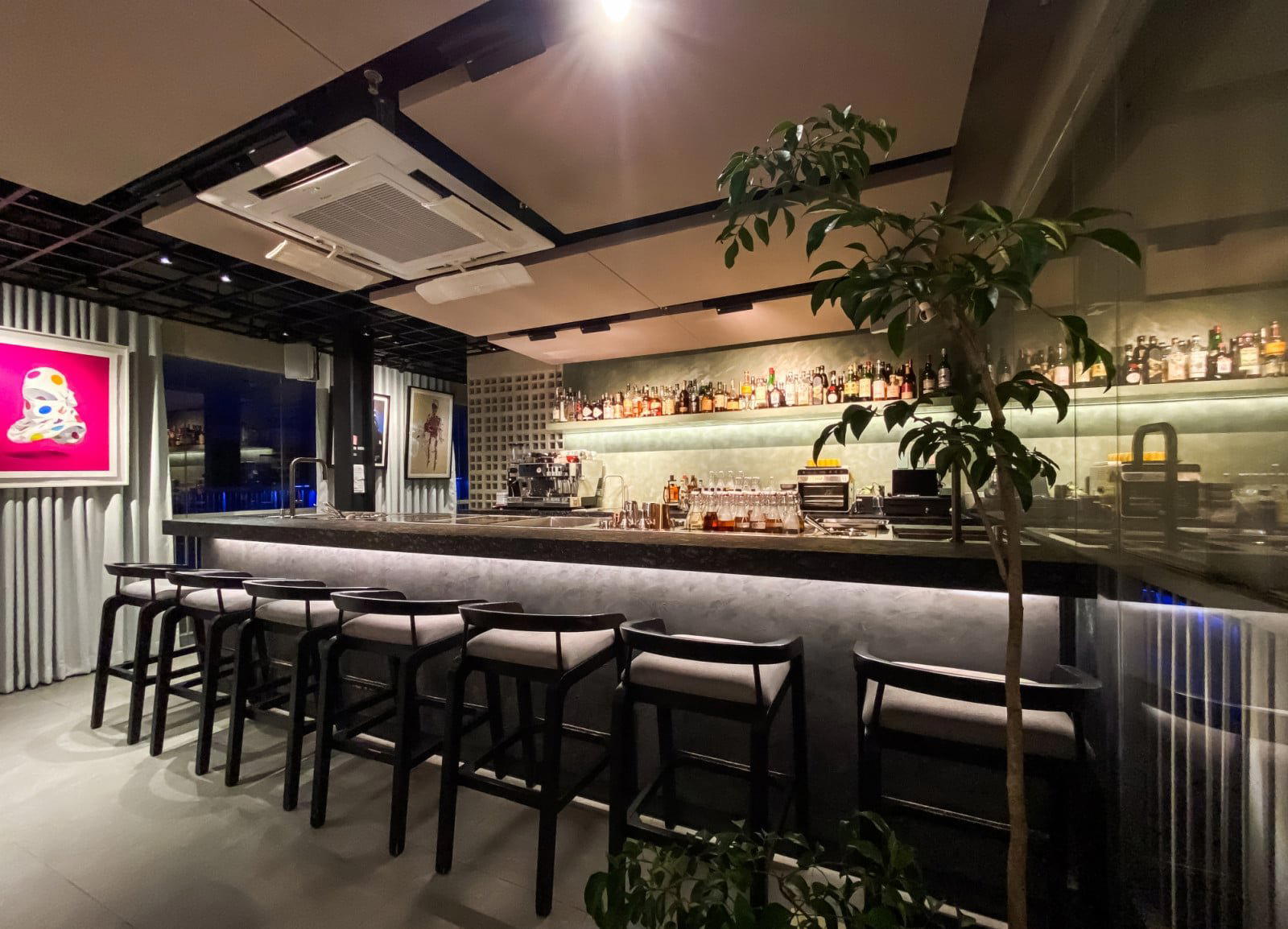
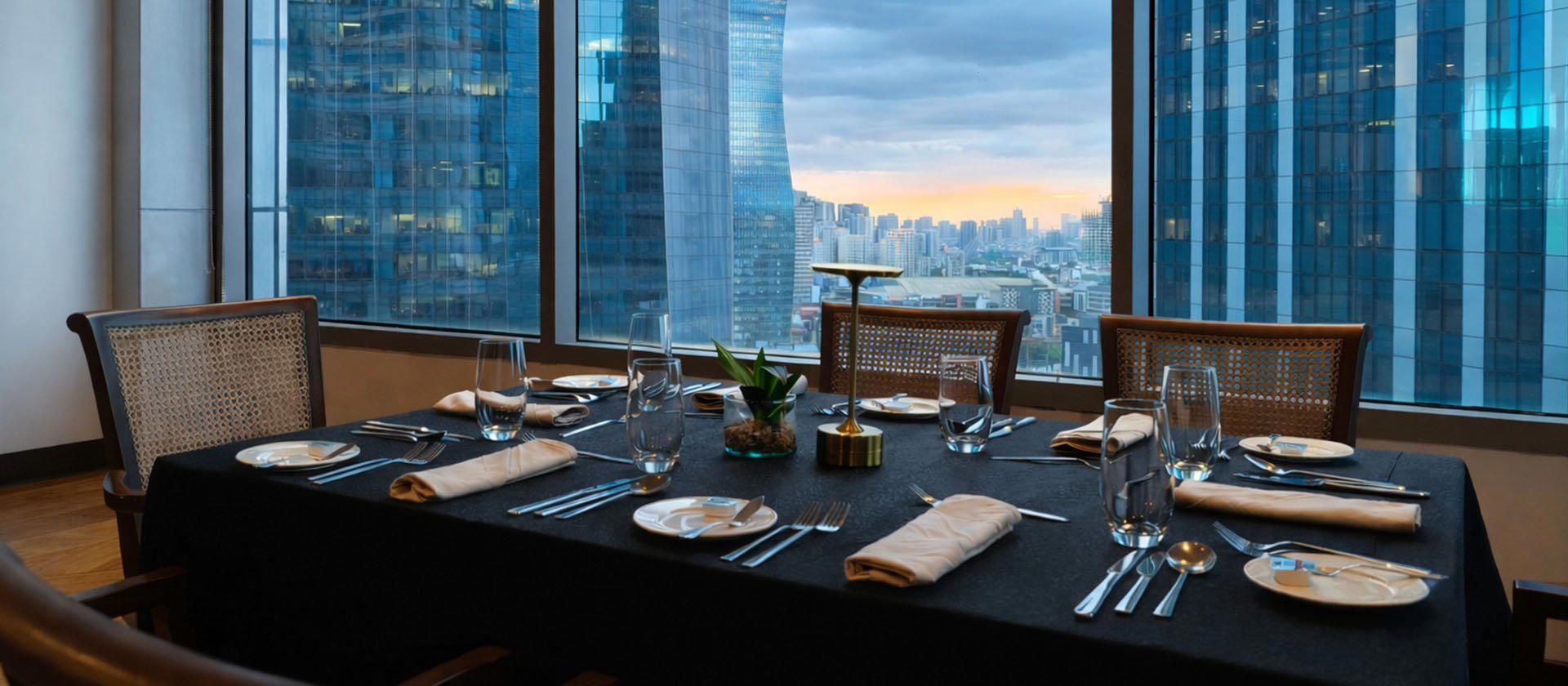
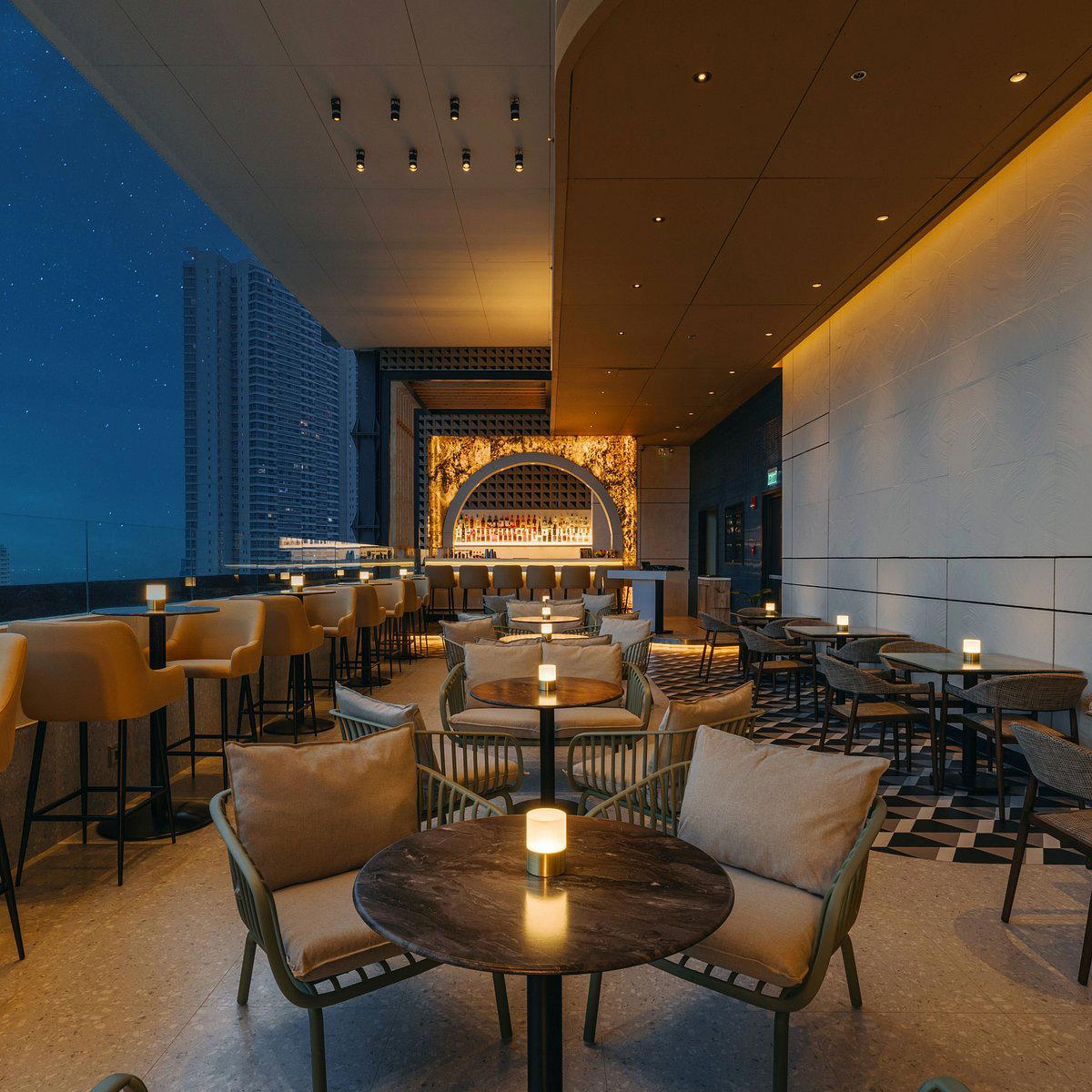
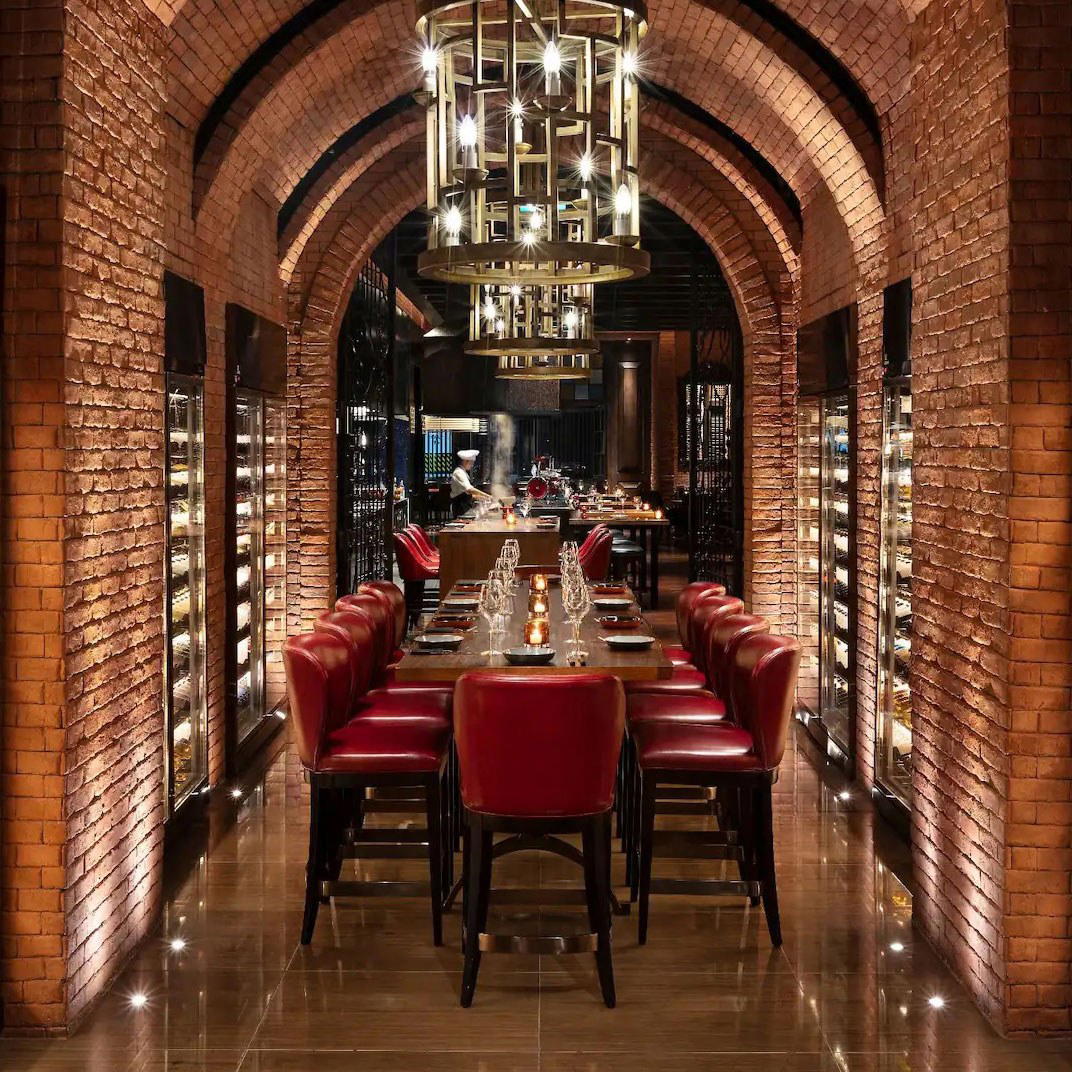
Tasteful interior blending wood, patterned tiles, and soft lighting for a relaxed yet polished feel, with cozy home-like casual dining and garden lights creating a celebratory atmosphere.