Manam Comfort Filipino

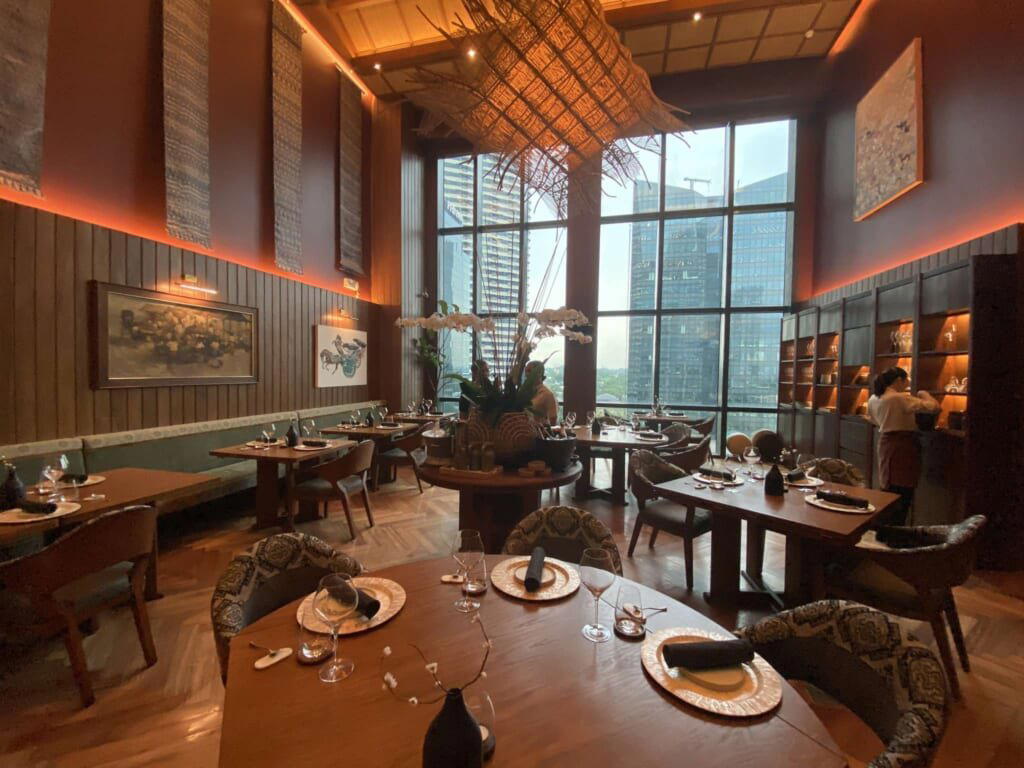
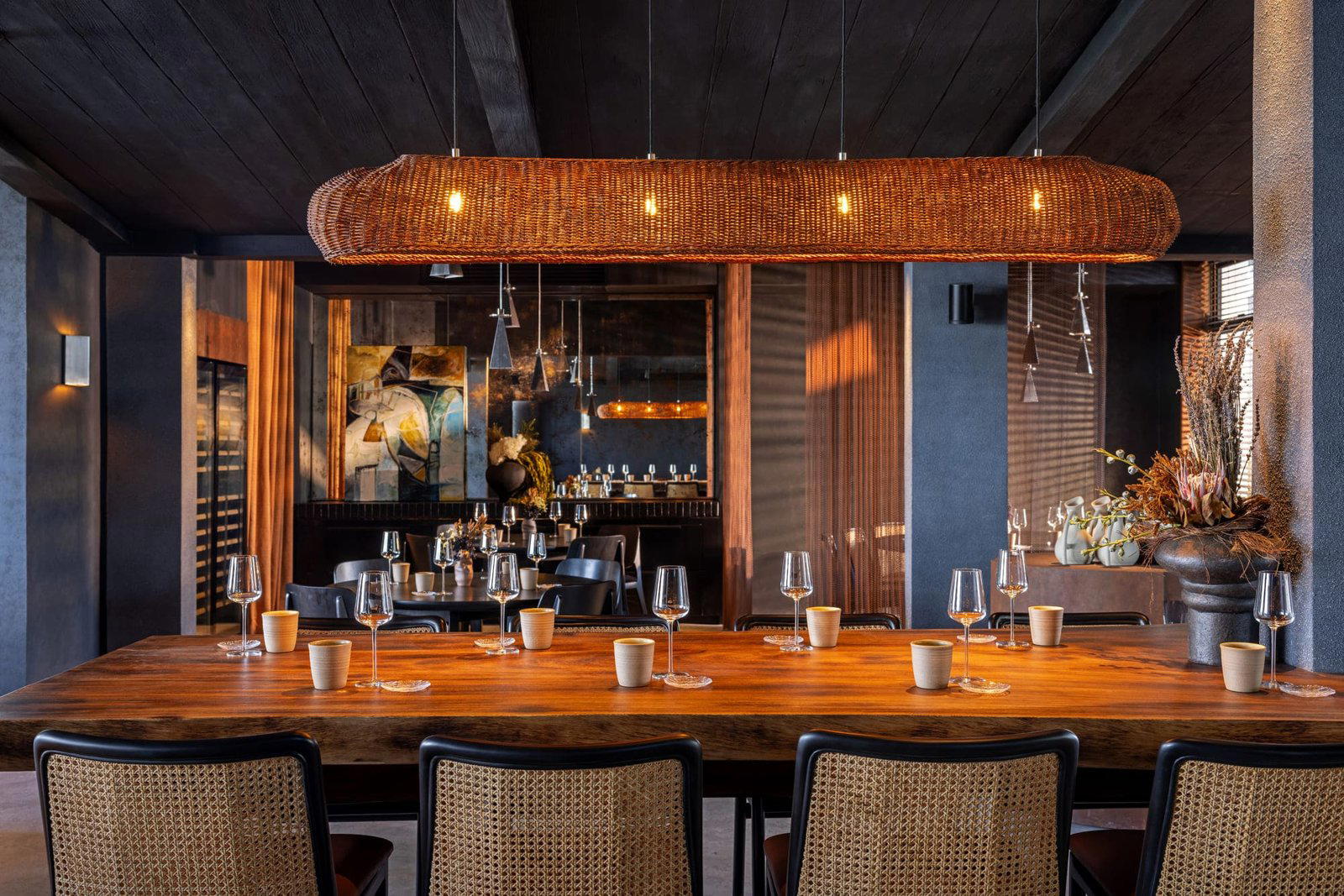
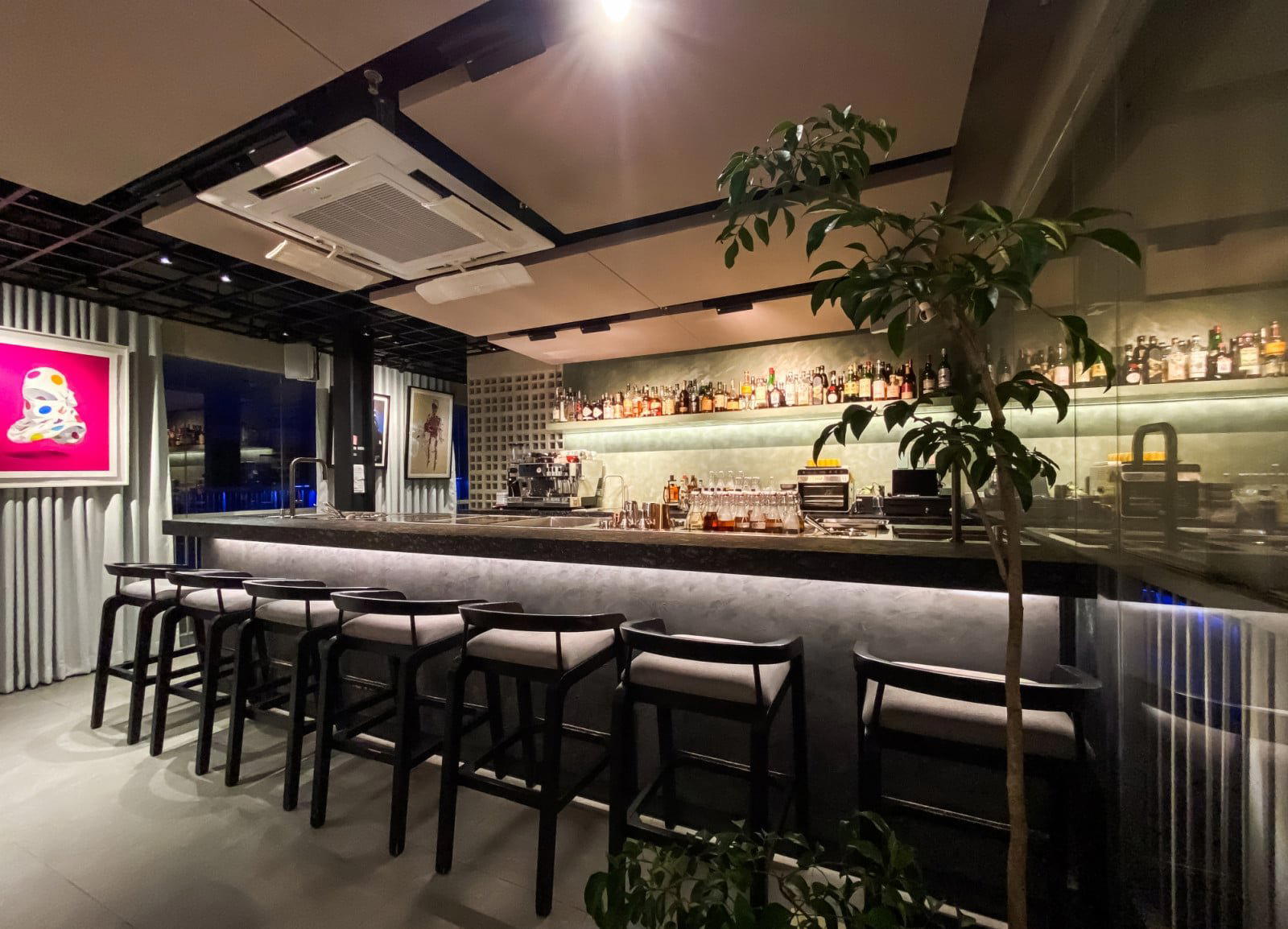
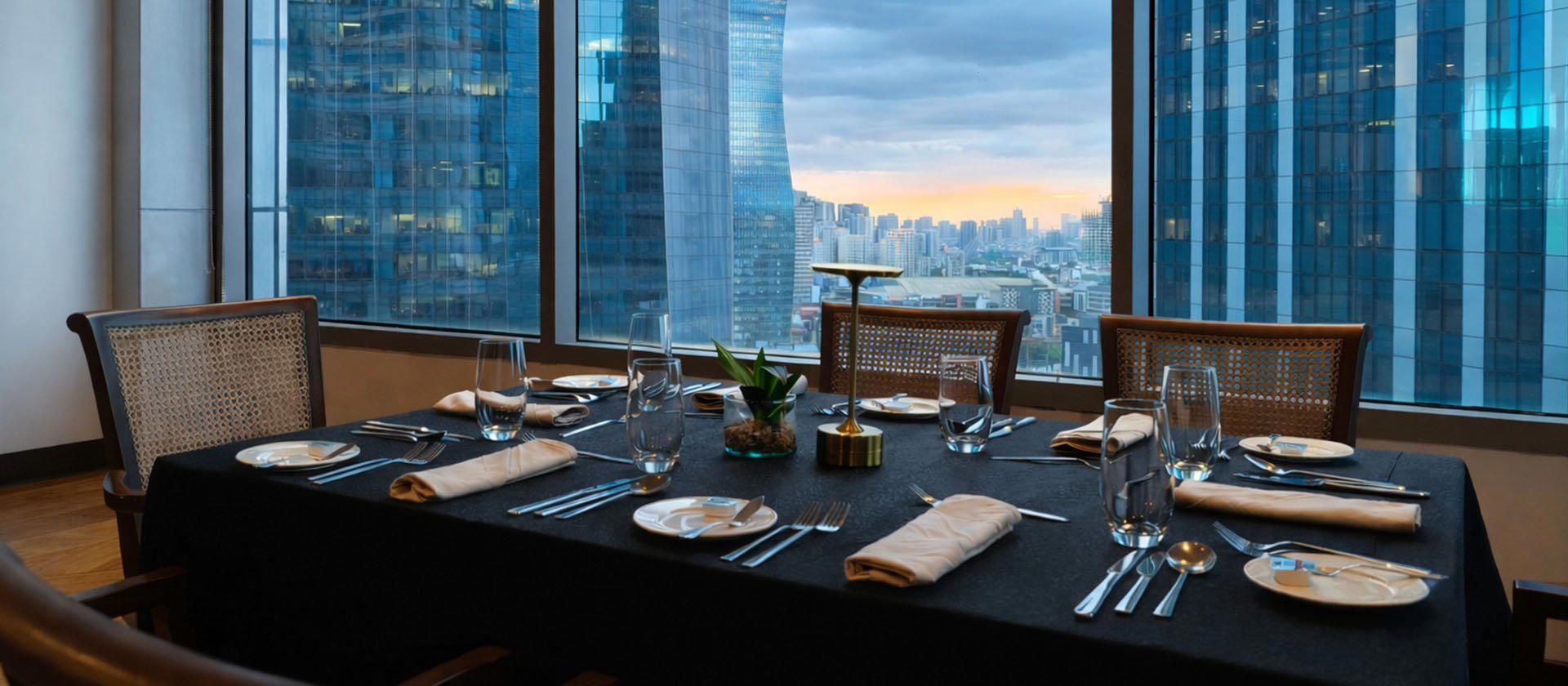
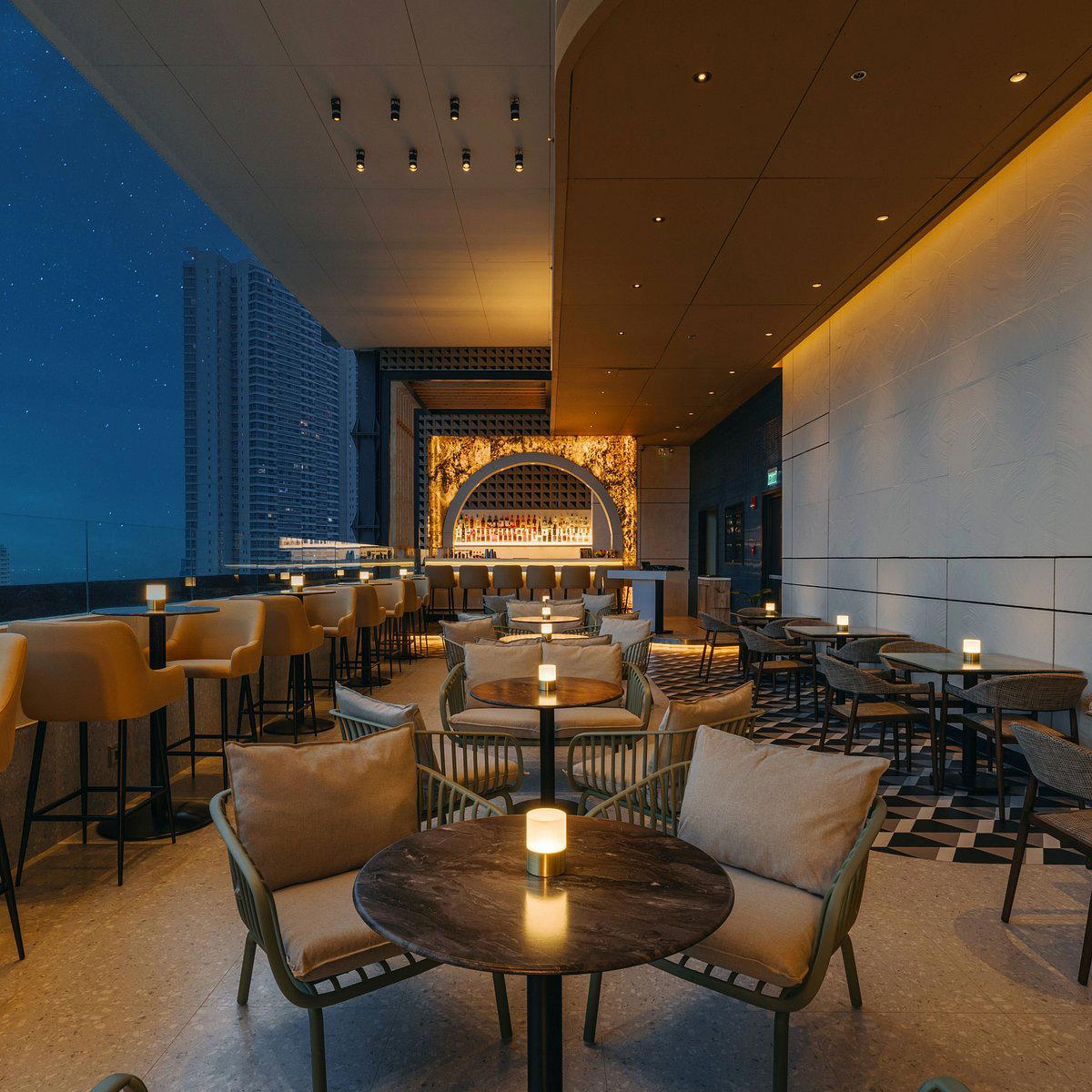
At Manam Comfort Filipino, beloved classics meet refined innovation, inviting informed diners to savor the soul of the Philippines through a polished, contemporary lens. Signature dishes, like sinigang with a bracingly bright tamarind depth, and crisp, golden lumpia with delicate aromatics, arrive thoughtfully plated, balancing nostalgia with culinary finesse. The ambiance, warm and sophisticated, pairs natural textures with artful lighting, setting the stage for relaxed indulgence and convivial celebration. Here, each course feels both familiar and refreshingly new, guided by attentive service, an astute beverage program with well-curated local spirits, and a measured sense of occasion. Manam is where heritage and modernity converge, creating a distinctly Filipino experience for the cosmopolitan palate.
Pearl is the En Primeur Club membership app — saves, bookings, and concierge access live there. Same editors, same standards.
- Address
- SM North, Epifanio de los Santos Ave, Bago Bantay, Quezon City, Metro Manila, Philippines
- Phone
- +63 2 8367 3378
- Website
- momentfood.com
- Directions
- Get directions
 Saves & bookings on Pearl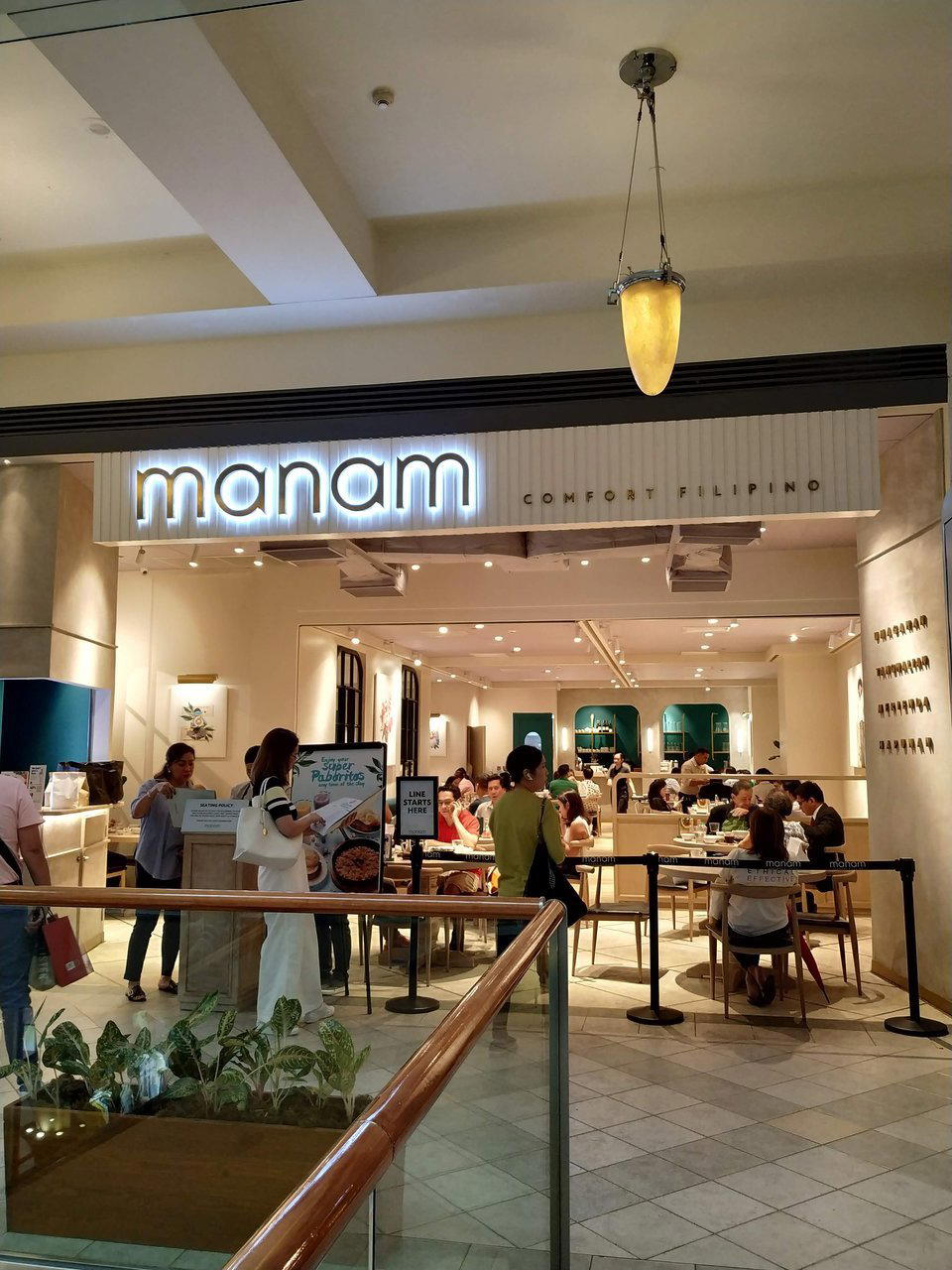
EDSA's Casual Counter and the Weight of Filipino Comfort
The SM North EDSA complex on Epifanio de los Santos Avenue sits at one of Metro Manila's most trafficked commercial intersections, where Quezon City's middle-class energy concentrates on weekends into something close to organized chaos. Manam Comfort Filipino occupies that environment deliberately, not apologetically. In a city where fine-dining Filipino restaurants increasingly occupy quiet Makati side streets or converted Bonifacio Global City shophouses, Manam has built its reputation inside the mall corridor, where the audience is broad, the foot traffic is relentless, and the food has to earn attention on its own terms.
That positioning matters for understanding what Manam is doing. The OAD Casual in Asia list ranked Manam at #104 in 2024 and #124 in 2025, placing it among a small set of casual-format restaurants across the continent where recognition comes from consistency and cooking that reflects a genuine culinary tradition.8 across more than 1,600 reviews, sustained over time, points to a kitchen that performs reliably at volume, which is a harder standard than it looks at this kind of throughput.
Filipino Comfort Food as a Category
The phrase "comfort Filipino" has specific meaning in Manila's restaurant conversation. It signals a mode of cooking closer to the home kitchen than to the modernist reinterpretation approach taken by venues like Gallery By Chele in Manila or the tasting-menu format at Hapag in Makati. Comfort Filipino means recognizable dishes, sinigang, kare-kare, crispy pata, sisig, cooked with enough care to stand apart from the generic versions that appear on almost every Manila menu. The challenge for any restaurant working in this register is that Filipino home cooks are a demanding reference point. Diners arrive with strong personal benchmarks.
Manam operates in the same Filipino casual tier as Linamnam in Parañaque, a venue that also draws on traditional flavors with a modern casual format. What separates restaurants in this category is less about innovation and more about sourcing discipline, consistency across a large menu, and the kitchen's ability to handle a diverse crowd, from families with children to solo office workers on a lunch break. The SM North location puts Manam squarely at that intersection of audiences.
Chef Ernz Owera leads the kitchen, functioning as the culinary anchor for a concept that could easily drift toward generic crowd-pleasing if the cooking standards slipped. The two consecutive OAD Casual Asia rankings suggest that hasn't happened. For context on how that places Manam within Manila's broader Filipino dining scene, Cabel and iai represent other Manila venues drawing OAD attention across different format tiers.
Quezon City and the SM North Context
SM North EDSA is worth addressing directly because mall dining in Metro Manila is not a compromise category, as it might be treated in other food cities. Manila's retail-commercial infrastructure means that some of the metro's most consistently performing restaurants operate inside SM, Ayala, or Robinsons malls. The foot traffic provides financial stability; the location puts the food in front of a genuinely wide audience rather than a self-selected dining-out crowd. Manam at SM North benefits from that dynamic.
Quezon City as a whole has a different dining character than Makati or BGC. The restaurant scene here is denser with Filipino-first concepts, less oriented toward the international fine-dining corridor that defines Makati's upper tier, where Blackbird Makati operates at the international end of the spectrum, or the Spanish-influenced direction taken by Cantabria by Chele Gonzalez in Mandaluyong. That distinction is not a hierarchy; it reflects what the neighborhood demands and what Manam is set up to deliver.
The operating hours, 10am to 10pm on most days and 10am to 11pm on Friday and Saturday, confirm the venue's alignment with mall-commercial traffic patterns rather than the late-night dinner service model common at destination-dining venues. This is a daytime and evening restaurant serving the rhythms of an active commercial district.
How Manam Fits the Wider Manila Dining Picture
Manila's restaurant scene in 2024 and 2025 has seen Filipino cuisine fragment into several distinct tiers. There is the fine-dining reinterpretation tier, where venues pull traditional flavors through modern technique. There is the regional specificity tier, where restaurants focus on the cooking of particular Philippine provinces rather than the generalized "Filipino" label. And there is the comfort-and-classics tier, where Manam competes, defined by dishes that are broadly recognizable but executed with more discipline than canteen or carinderia cooking.
Across the wider region, Filipino comfort cooking has attracted international attention, most visibly at venues like Kasama in Chicago, which operates at the fine-casual intersection in a different market. The interest confirms that Filipino flavors translate well across formats when the cooking is sound. Within Manila itself, the comfort tier has a much longer history and a more exacting local audience.
For visitors building a Manila itinerary around Filipino food, Manam at SM North sits at a different price and formality point than venues like Asador Alfonso in Cavite or Bolero in Taguig, offering an accessible but critically recognized entry point into the city's Filipino dining range. Those building a broader Manila trip can reference El Poco Cantina in Malate for a different neighborhood dining register, and Celera in Makati for the Makati commercial district alternative.
For Filipino dining outside the capital, Abaseria Deli and Cafe in Cebu represents the Visayas perspective on a similar comfort-and-tradition approach.
Planning Your Visit
Manam Comfort Filipino at SM North EDSA operates daily from 10am to 10pm, making it accessible for lunch, merienda, or early dinner during a Quezon City day. The SM North complex is well-served by Metro Rail Transit at the North Avenue station, and the venue's mall position means access is direct regardless of whether you're arriving by MRT, taxi, or rideshare. As with most well-reviewed casual venues in Manila's mall circuit, peak weekend hours generate queues, and visiting mid-week or at non-peak hours tends to mean shorter waits.
Recognition, Side-by-Side
Comparable venues nearby, for context on price, style, and recognition.
| Venue | Cuisine | Price | Awards | Notes |
|---|---|---|---|---|
| Manam Comfort FilipinoThis venue — the venue you are viewing | Filipino Comfort Food | $$ | Not listed | Not listed |
| Cabel | Filipino Heritage (Luzon, Visayas, Mindanao) | $$ | Bib Gourmand | San Miguel |
| Casa Italianos | Northern Italian-Filipino Fusion | $$ | Not listed | Salcedo Village |
| El Poco Cantina (Malate) | Casual Mexican Taqueria | $ | Michelin Plate | Malate |
| Blackbird Makati | International Fusion | $$$ | Michelin Plate | Ayala Triangle |
| Agni by Mantra | Modern Regional Indian | $$$ | Not listed | Makati |
Recognition history
Dated appearances from independent guides and award organizations, with the underlying list record or original source where available.
Opinionated About Dining Casual in Asia Ranked #67
Opinionated About Dining
Opinionated About Dining Casual in Asia Ranked #124
Opinionated About Dining
Opinionated About Dining Casual in Asia Ranked #104
Opinionated About Dining
At a Glance
- Lively
- Cozy
- Classic
- Family
- Group Dining
- Celebration
- Casual Hangout
- Solo
- Standalone
- Beer Program
Current opening hours
- Monday
- 10 AM–10 PM
- Tuesday
- 10 AM–10 PM
- Wednesday
- 10 AM–10 PM
- Thursday
- 10 AM–10 PM
- Friday
- 10 AM–11 PM
- Saturday
- 10 AM–11 PM
- Sunday
- 10 AM–10 PM
Hours can change for holidays and private events. Last verified .
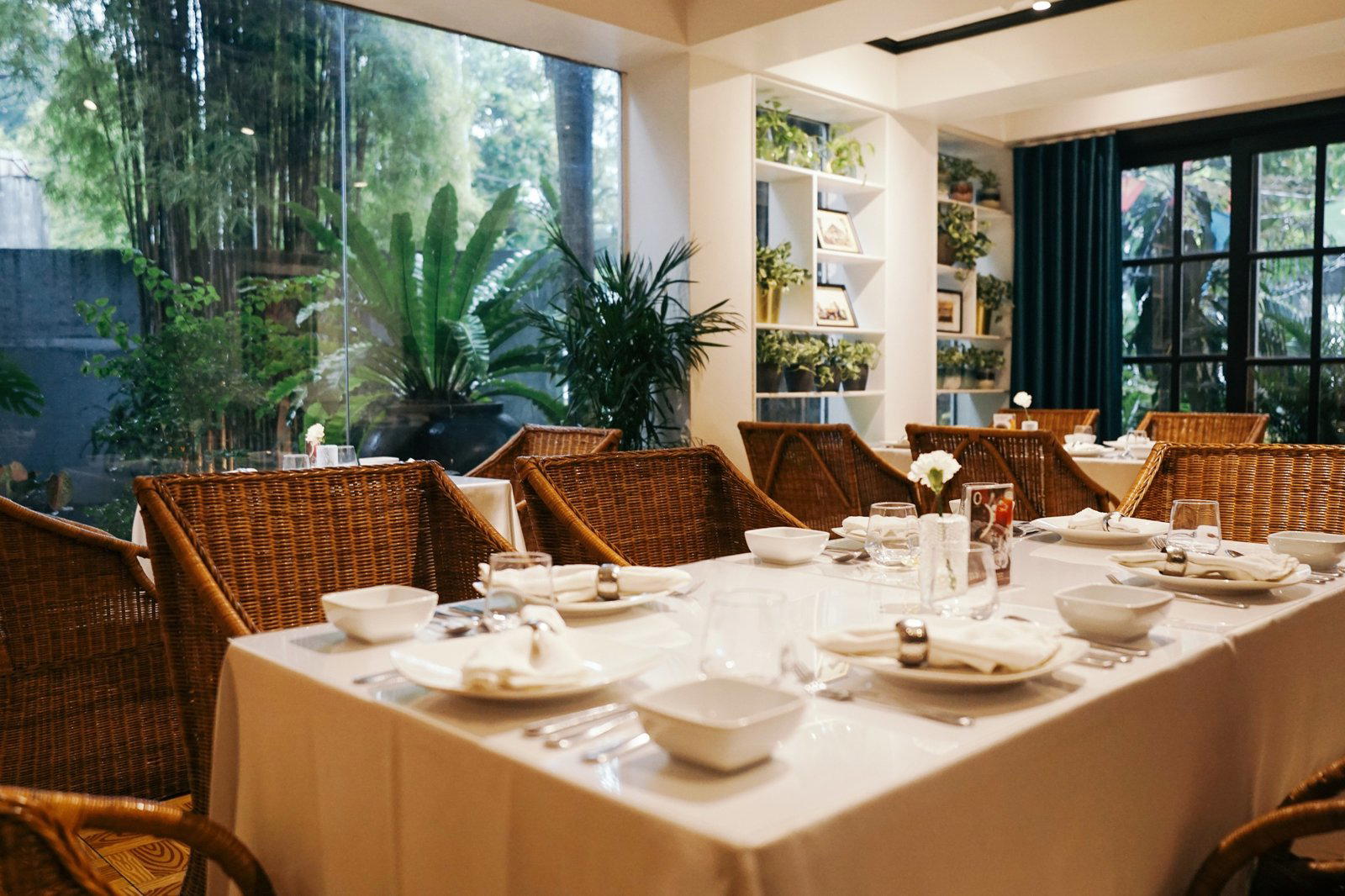
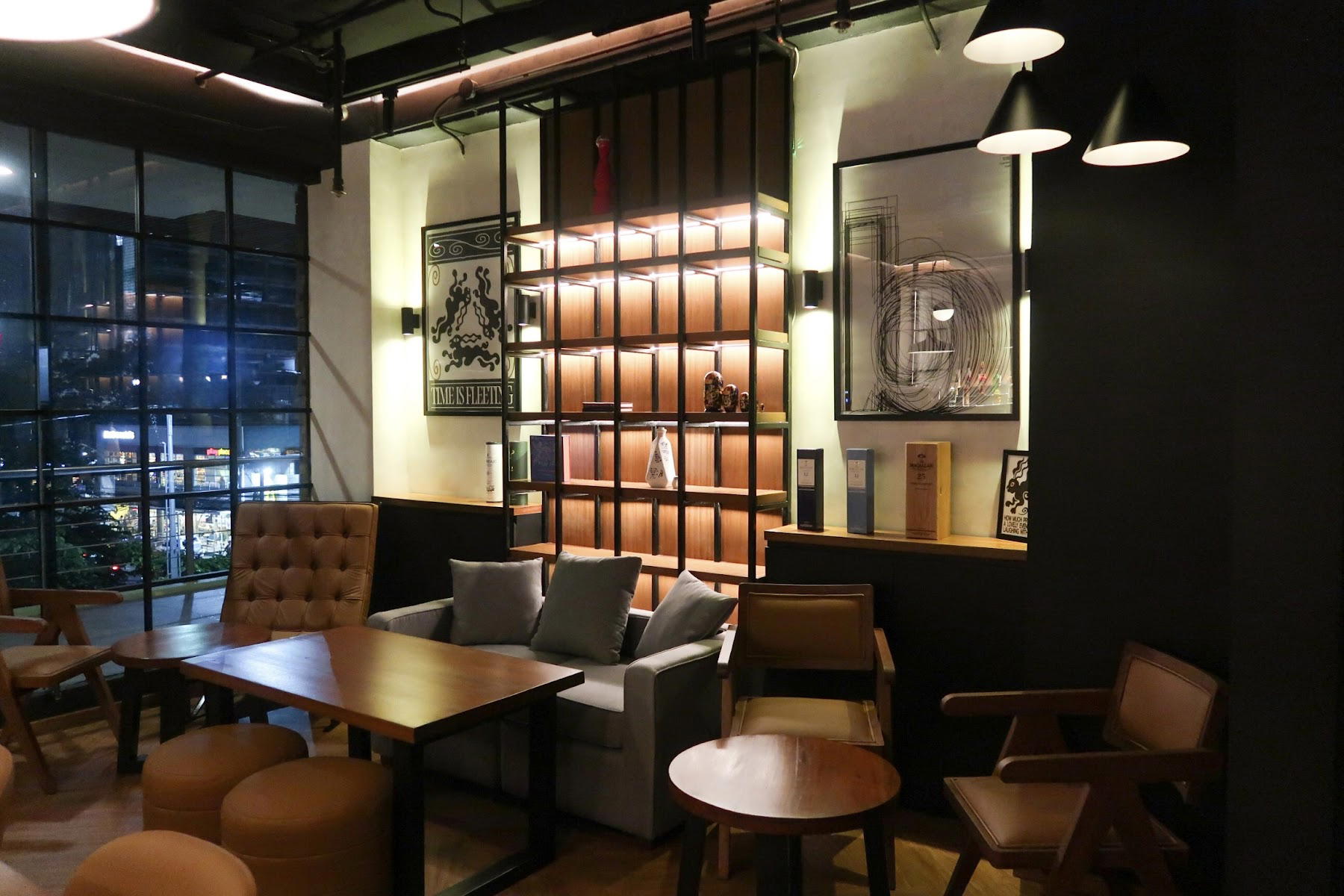
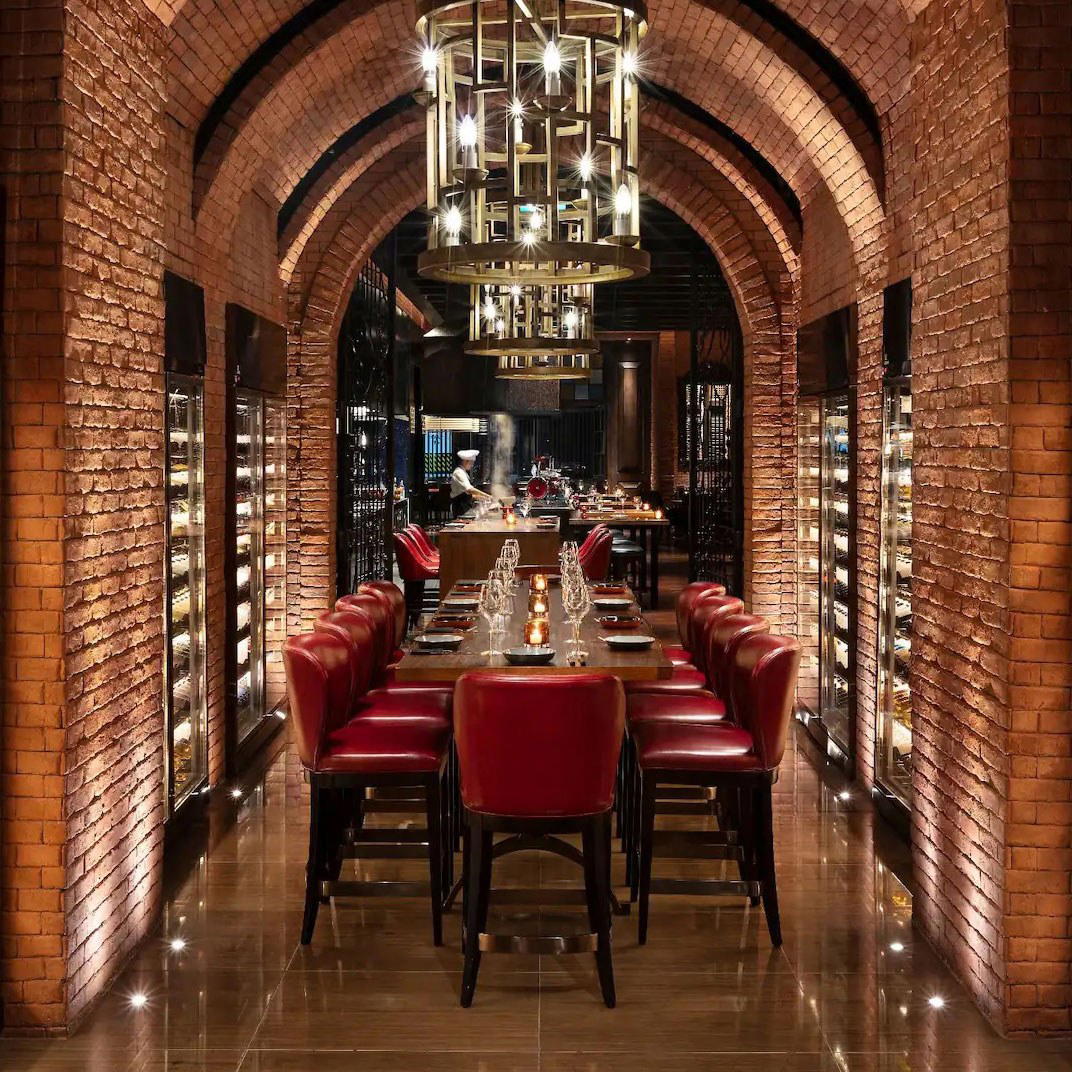
Well-lit, buzzy dining space with a minimalist aesthetic; warm and welcoming atmosphere that captures the essence of Filipino home cooking.