Antica Osteria Nonna Rosa


Antica Osteria Nonna Rosa holds a Michelin star and a ranking in the Opinionated About Dining Classical Europe list, serving Campanian cuisine rooted in kitchen-garden produce and local tradition. Chef Peppe Guida works from an old country-house setting in Vico Equense, where two private dining niches and dove-coloured walls set the tone for evening service running Thursday through Tuesday.
 Discover on Pearl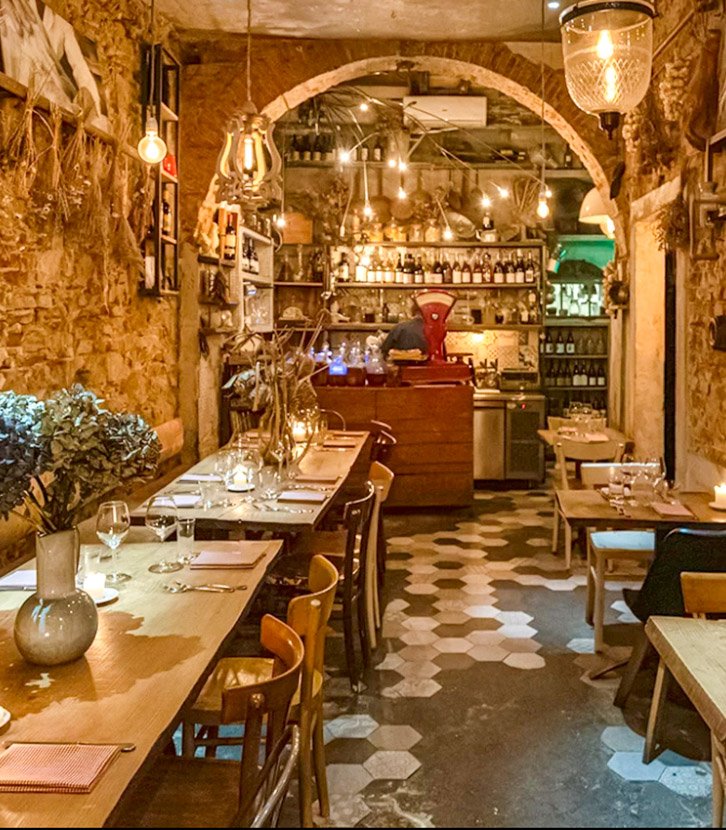
An Old Country House on the Sorrentine Peninsula
The Sorrentine Peninsula concentrates more serious cooking per kilometre than almost any comparable stretch of southern Italy. Vico Equense alone holds multiple Michelin-recognised addresses, including the two-starred Torre del Saracino, which operates in the modern creative idiom, and a scatter of well-regarded mid-range options such as Il Bikini, L'Accanto, Maxi, and the seasonal-focused Mima. Within that concentrated field, Antica Osteria Nonna Rosa occupies a specific and deliberate position: a Michelin-starred address at the €€€€ tier that keeps its feet in Campanian tradition rather than chasing the abstracted modernism that defines some of its neighbours.
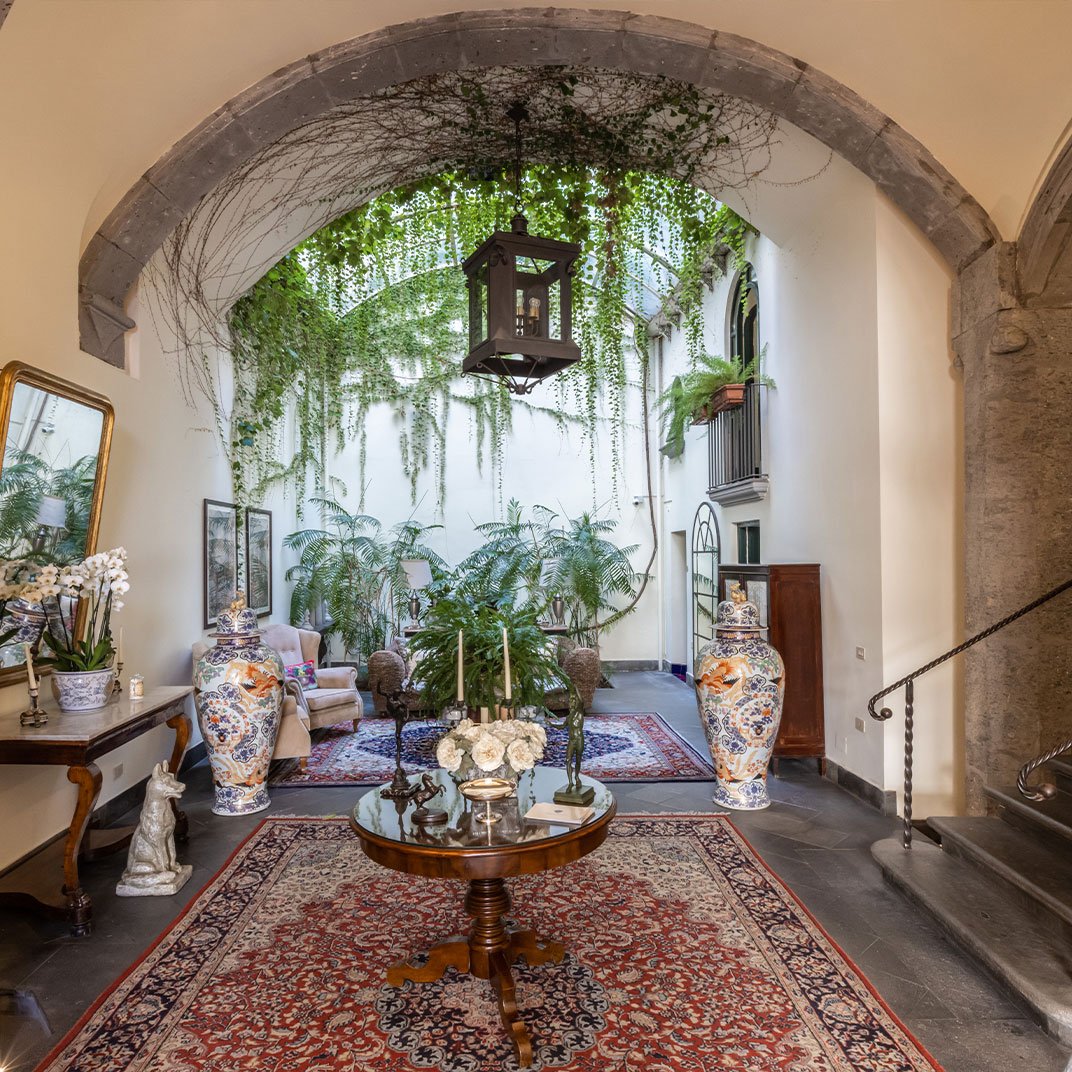
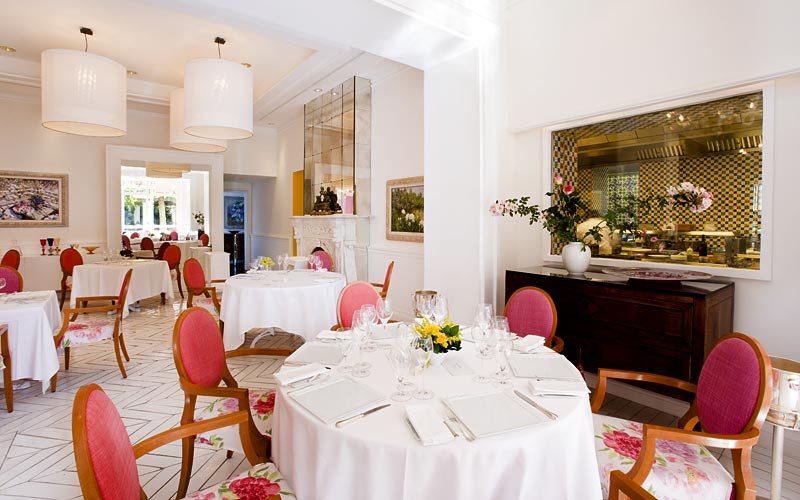
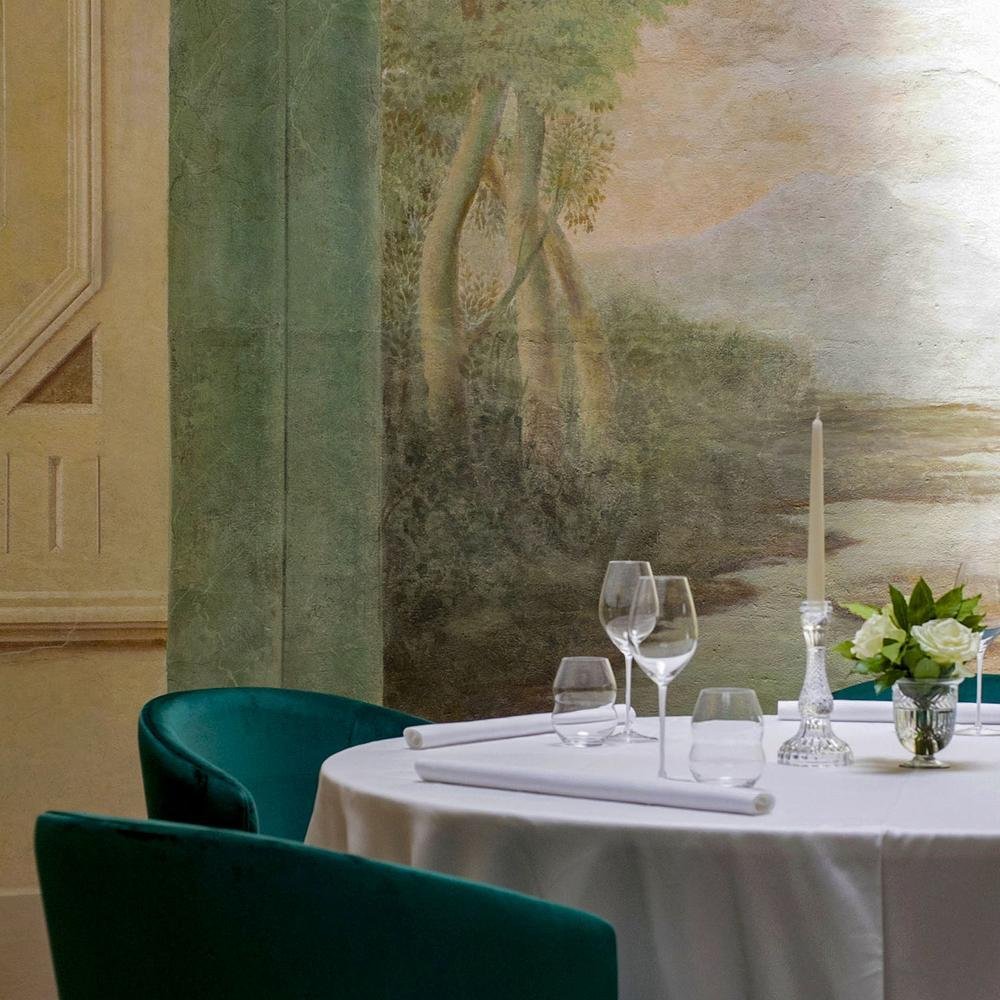
The building itself frames the experience before a dish arrives. Dove-coloured walls, a considered arrangement of lamps, and a traditional nativity scene in which chef Peppe Guida and his mother, Nonna Rosa, make an appearance — these details signal the register of what follows. The dining room reads as a warm, inhabited space rather than a designed set piece. Two small alcove tables within the room offer a degree of enclosure that suits a table wanting to disappear into the evening, a feature that stands out at this price tier, where the architecture of privacy is often sacrificed to sight-lines and visibility.
Campanian Cooking and What It Actually Means Here
Campanian cuisine has a public image problem: it is frequently reduced to pizza and mozzarella, two things it does produce at the highest level, but which represent a fraction of the tradition. The region's serious restaurant cooking draws on a different set of references — vegetables from the volcanic soils around Vesuvius and the Sorrentine hills, fish from the Tyrrhenian coast, and a historical layering of Arab, Spanish, and French influence that gives Campanian technique a different architecture from the olive-oil-and-tomato shorthand that most accounts apply to the south.
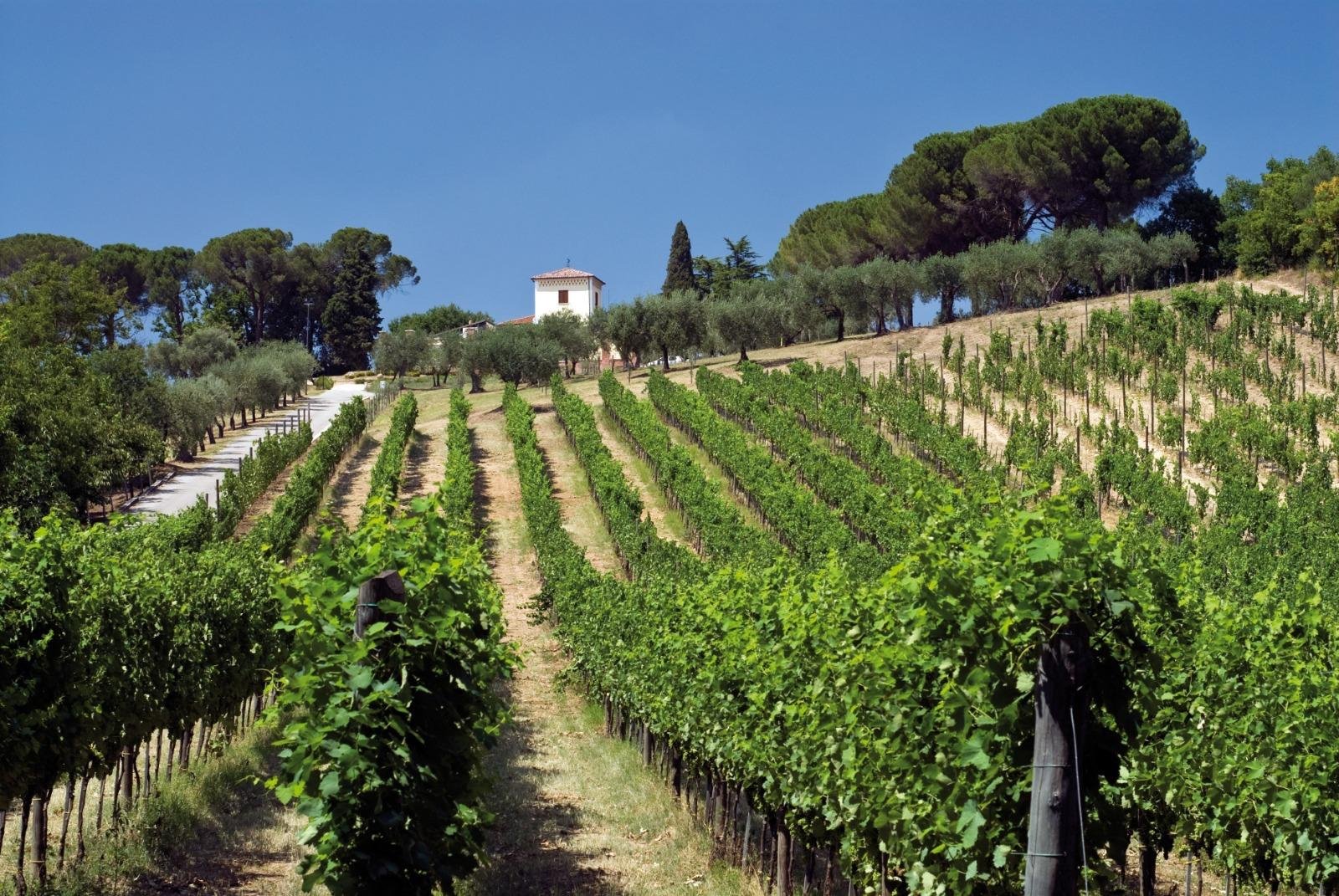
At Nonna Rosa, the Campanian framing is literal. Guida purchased a substantial kitchen garden some years ago, and all vegetables served in the restaurant are grown there. That is a different commitment from sourcing locally or working seasonally in a general sense. When a kitchen controls its own growing, the menu is determined not by what is available in the market but by what is ready in the ground that week. The practical consequence is that the menu functions as a real-time document of the growing season on this particular patch of Sorrentine hillside, which is a meaningfully different starting point from even the most conscientious market-driven kitchen.
The restaurant positions its cooking as a recovery of forgotten flavours, executed with creative freedom but without rupturing the tradition that produces them. That is a harder balance than it sounds. The category of osteria in Italy carries specific expectations of comfort and directness, and adding creative ambition to that format risks losing the legibility that makes the genre work. The fact that Michelin awarded a star and that the Opinionated About Dining Classical Europe list has carried the restaurant at rank 357 (2025) and 358 (2024), with a recommendation from 2023, suggests the balance has been achieved in a form that critical assessors find consistent.
Where Nonna Rosa Sits in the Italian Fine Dining Conversation
Italy's Michelin-starred southern cooking occupies a different cultural space from the flagship northern addresses. Osteria Francescana in Modena, Le Calandre in Rubano, Enoteca Pinchiorri in Florence, and Enrico Bartolini in Milan represent a northern and central Italian fine dining axis that gets the majority of international press. Atelier Moessmer Norbert Niederkofler in Brunico and Dal Pescatore in Runate are similarly embedded in their own regional logics. The south, including Campania, produces a smaller number of internationally discussed addresses, but those that do achieve sustained recognition tend to do so through depth of tradition rather than technical novelty.
The OAD Classical Europe ranking is a meaningful data point here. OAD's Classical category signals cooking assessed on fidelity to tradition, balance, and craft rather than on innovation metrics. A restaurant ranked in the top 360 of that category across Europe is being recognised within a peer set that includes long-established French and northern Italian houses. For a Campanian address operating from a converted country property in a small coastal town, that placement is a signal about seriousness of purpose. It also aligns Nonna Rosa with addresses like Perbacco in Pisciotta, which pursues southern Italian cooking with comparable commitment to regional specificity.
For context on what that price tier and Michelin credential imply globally, a single-starred restaurant at €€€€ in a coastal southern Italian setting occupies a niche that is substantially less exposed to international food tourism than the Amalfi Coast proper or Naples city. That relative lower profile in international media does not diminish the cooking; it means the audience at any given service is more likely to be composed of Italian guests who understand the tradition from the inside, which is a different kind of pressure and accountability than cooking for an international audience that is discovering Campanian food for the first time.
The Practical Shape of an Evening Here
Service runs Thursday through Tuesday from 7:30 PM, with the kitchen closing at midnight , a late-running format that suits the southern Italian eating rhythm, where a proper dinner is not rushed and a 9:30 PM arrival is not unusual. Saturday and Sunday both carry a lunch service from 12:30 PM to 3:00 PM, making those days the only realistic option for visitors who prefer afternoon dining. Wednesday is the weekly closure. The €€€€ price classification places it in the same tier as Maxi locally and, for comparative reference, against the price logic of starred coastal Italian addresses generally. For the level of recognition involved, the Vico Equense location means it does not carry the premium that the same credential would attract on the Amalfi Coast proper.
The address is Via Laudano, 1, within Vico Equense , a town leading accessed by car or by the Circumvesuviana train line that connects Naples to Sorrento, with Vico Equense as one of the stops. Given that the dinner service runs to midnight, the train option requires checking the last available departure to Naples or Sorrento carefully; for most visitors staying outside Vico Equense, a car or pre-arranged transfer is the more practical approach. For broader orientation across the town's dining, drinking, and accommodation options, the full Vico Equense restaurants guide, hotels guide, bars guide, wineries guide, and experiences guide cover the full scope of what the area offers at this level.
A Note on the Room and the Occasion
The two private alcove tables are worth mentioning again in practical terms. At most starred restaurants in this part of Italy, tables are arranged for full visibility across the dining room, and any sense of enclosure is incidental. Here the niches are a deliberate feature, and requesting one at booking , if the format allows it , changes the character of the meal. The overall room seats in a format that reads intimate rather than expansive, which keeps the noise register lower and the pace of service more attentive than larger-format restaurants at this level.
For a broader frame of reference: Le Bernardin in New York City and similar long-running addresses demonstrate what sustained single-minded commitment to a culinary tradition can produce over decades. Nonna Rosa operates in a different register and at a very different scale, but the same principle applies: a kitchen that knows what it is cooking and why, that grows what it needs and holds to the traditions it is working within, produces a different kind of meal from one built on versatility and range. That coherence is what the OAD Classical ranking is measuring, and it is what makes an evening at this address mean something distinct within the Vico Equense dining scene.
In Context: Similar Options
These are the closest comparables we have in our database for quick context.
| Venue | Cuisine | Price | Awards | Notes |
|---|---|---|---|---|
| Antica Osteria Nonna Rosa | Italian, Campanian | €€€€ | Michelin 1 Star | This venue |
| Torre del Saracino | Modern Italian, Creative | €€€€ | Michelin 2 Star | Modern Italian, Creative, €€€€ |
| Il Bikini | Seafood | €€€ | Seafood, €€€ | |
| L'Accanto | Modern Cuisine | €€€ | Modern Cuisine, €€€ | |
| Maxi | Creative | €€€€ | Creative, €€€€ | |
| Mima | Seasonal Cuisine | €€ | Seasonal Cuisine, €€ |
Continue exploring