
Tabelog 100 #60
Our verdict
A Kyoto wagashi stop with Tabelog 100 recognition, Matsuya Tokiwa belongs to the city’s serious sweets culture rather than its souvenir-shelf version. The format is compact, traditional, and value-led, with take-out service and a spend level that keeps the decision refreshingly low-risk for travellers already budgeting for Kyoto’s kaiseki counters.

Pearl is the En Primeur Club membership app, where members save venues, book tables and use the concierge.
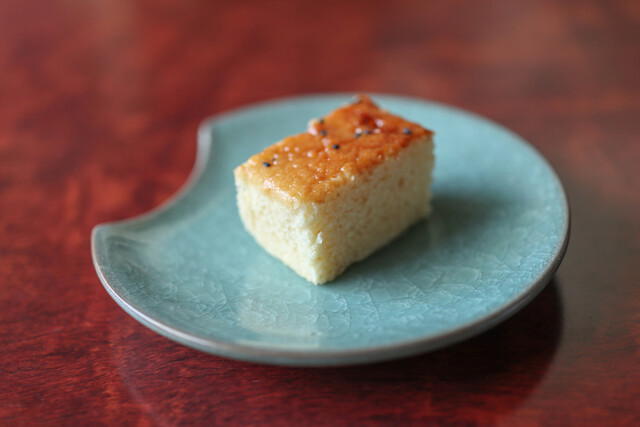
Kyoto’s old confectionery shops move at a different tempo from tasting-menu dining rooms. The pleasure is quieter: a wrapped purchase, a small exchange, and the sense that a minor errand carries more cultural weight than a long lunch. Matsuya Tokiwa sits in that register in Kyoto, where Japanese traditional sweets are part of the city’s grammar of tea, season, and gift-giving.
That matters because Kyoto can flatten sweets into souvenirs for visitors between temples and department-store food halls. Serious traditional sweets are not simply sugarcraft; they are tied to ceremony, calendar, texture, restraint, and local expectation. In that context, 2023 Tabelog Hyakumeiten recognition in Japanese traditional sweets signals a shop operating inside a competitive regional field, not chasing restaurant theatrics.
Kyoto wagashi at a price tier that changes the stakes
The value proposition is unusually clear for Kyoto. Much of the city’s food culture asks travellers to commit: formal dining can mean measured pacing and a high bill, while contemporary counters often require reservation planning. Japanese traditional sweets work differently. The spend is casual, but the cultural signal is high, making them one of Kyoto’s sharpest forms of low-cost culinary literacy.
Matsuya Tokiwa’s appeal lies in that imbalance: a small outlay buys entry into a tradition that has shaped Kyoto dining culture. The shop is categorized around Japanese traditional sweets, with pricing listed in the - JPY 999 tier, so the experience should be understood as compact by design. It is not trying to compete with the ceremony of Kiyama or the precision of Ryoriya Stephan Pantel. It belongs to a different Kyoto economy, where confections carry in miniature the seriousness a multi-course meal expresses across an evening.
For travellers mapping Kyoto through food, it is a useful counterpoint. A day with a formal Japanese meal, an izakaya such as Nonkiya Mune, and a traditional-sweets stop reads the city more accurately than a schedule built only from expensive reservations. Kyoto’s dining identity is layered: refined cuisine, temple-influenced food, sweets for tea, everyday meals, department-store counters, and modern cooking all coexist within the city. Japanese traditional sweets give that map a necessary small scale.
Comparison should stay honest. This is not a substitute for a full meal or a cafe built for lingering. The better frame is precision per yen: a focused purchase, recognized category, and traditional format in a city where similar cultural specificity often costs much more.
The Kyoto context: centrality without the dining-room performance
Kyoto is a useful base for visitors who want food culture without turning every stop into a long transfer. The city moves between quiet streets, commercial corridors, and food districts, and its dining scene reflects that spread. A traveller can move from traditional sweets to casual Kyoto meals, more formal dining, or sake-led bars without making every stop a destination event.
That context shapes Matsuya Tokiwa. Its Tabelog recognition places it within Japan’s Japanese traditional sweets conversation, but its format remains closer to a daily specialist than a staged luxury address. Kyoto has many culinary rooms where formality is part of the bill. Here, discipline is compressed into product and routine. For a visitor, that can be more revealing than another long reservation, especially when the itinerary already includes temples, gardens, and one serious dinner.
The shop’s Tabelog score of 3.65 adds a second signal, useful in Japan, where review culture often rewards consistency and local repeat use more than spectacle. Awards matter, but in this category they should be read with format. A sweets shop with Tabelog Hyakumeiten recognition is not being praised for wine service, interior drama, or a chef’s public persona. The praise attaches to the confectionery tradition itself.
Kyoto’s stronger itineraries leave room for this kind of stop. For broader planning, Our full Kyoto restaurants guide helps place Japanese traditional sweets against the city’s dining range, while Our full Kyoto hotels guide helps choose a base that does not turn every meal into a cross-town transfer. Drinkers can pair the day with Our full Kyoto bars guide, and culture-led travellers can widen the plan through Our full Kyoto experiences guide. Wine-focused readers will find a separate regional lens in Our full Kyoto wineries guide.
How to use it in a Kyoto food day
Use it as a short, deliberate pause rather than a destination that has to carry half a day. Pair it with Kyoto errands, a city walk, or a lighter lunch plan. Because the recognition sits in Japanese traditional sweets, it works especially well between larger meals, when a full cafe stop would slow the itinerary.
Readers building a Kyoto food route can treat Matsuya Tokiwa as the traditional-sweets anchor, then branch into other registers nearby and across the city. For casual restaurant contrast, other Kyoto dining rooms show how quickly the city shifts from quick comfort to modern dining. For another sweets tradition with a different ritual frame, unnamed Kyoto specialists can be useful comparisons inside the broader Japanese traditional sweets conversation.
The wider Japan map also clarifies the category. Casual specialists around the country remind travellers that Japan’s low-spend dining culture can be as specific as its high-end rooms. Even outside Japan, Japanese formats travel in different directions, from small bar formats to quick-service rice and snack counters. For a different kind of regional Japanese meal altogether, more formal destination dining sits at the opposite end of the planning spectrum.
The critical point is simple: Kyoto rewards visitors who understand scale. Not every meaningful food stop is a reservation, a course count, or a room designed for ceremony. Sometimes the better decision is a compact specialist with a recognized craft category, modest spend, and a place in the city’s daily confectionery rhythm.
Frequently asked questions
Is Matsuya Tokiwa open every day?
Current opening hours for Matsuya Tokiwa are not provided here; check directly with the shop before planning a visit.
Where is Matsuya Tokiwa located?
Kyoto.
How much does it cost to eat at Matsuya Tokiwa?
Pricing at Matsuya Tokiwa is listed as - JPY 999.
What do critics highlight about Matsuya Tokiwa?
Critics point first to 2023 Tabelog Hyakumeiten recognition in the Japanese traditional sweets category. The other clear markers are the - JPY 999 price tier, the 3.65 Tabelog score, and its place in Kyoto’s Japanese traditional sweets scene.
A Credentials Check
Comparable venues to calibrate price, style, and recognition.
| Venue | Cuisine | Price | Awards | Notes |
|---|---|---|---|---|
| Matsuya TokiwaThis venue (the venue you are viewing) | Traditional Japanese Wagashi | $1–10 | Tabelog 100 #60 | Not listed |
| Menya Yuko | Japanese Ramen | $10–20 | Tabelog 100 #53 | Nakagyō |
| Curry Senmon Ten Biyanto | Japanese Curry | Not listed | Tabelog 100 #32 | Sakyō |
| Maruki Sei Pan Sho | Classic Kyoto bakery & sandwich shop | $1–10 | Tabelog 100 #69 | Shimogyō |
| Awamochidokoro Sawaya | Traditional Japanese sweets (wagashi) cafe | $1–10 | Tabelog 100 #90 | Kamigyō |
| Aburi Mochi Honke Nemoto Kazariya | Traditional Kyoto Japanese sweets (Aburi Mochi) | $1–10 | Tabelog 100 #54 | Kita |
Recognition history
Dated appearances from independent guides and award organizations, with the underlying list record or original source where available.
Tabelog 100 #60 · No. 60
Tabelog · Tabelog 100 - Japanese traditional sweets / Japanese sweets cafe - WEST - 2023
Continue exploring
More in Kyoto
Restaurants in Kyoto
All restaurants in Kyoto →



Bars in Kyoto
All bars in Kyoto →


Hotels in Kyoto
All hotels in Kyoto →



Wineries in Kyoto
Browse all →
Details
- Classic
- Quiet
- Cozy
- Solo
- Casual Hangout
- Family
- Historic Building
- Standalone
- Street Scene
- A La Carte
- Set Menu
- Vegetarian Friendly
Current opening hours
- Monday
- 9:30 AM–3 PM
- Tuesday
- 9:30 AM–3 PM
- Wednesday
- 9:30 AM–3 PM
- Thursday
- 9:30 AM–3 PM
- Friday
- 9:30 AM–3 PM
- Saturday
- 9:30 AM–3 PM
- Sunday
- 9:30 AM–3 PM
Hours can change for holidays and private events. Last verified .
Traditional and restrained, with a quiet, old-Kyoto confectionery-shop feel rather than a dining-room atmosphere.