
Tabelog 100 #69
Our verdict
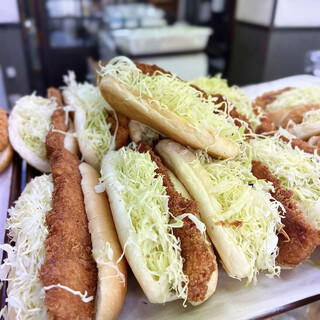
Maruki Sei Pan Sho belongs to Kyoto’s everyday bread culture rather than its formal dining circuit: a take-out bakery in Shimogyo-ku known for simple rolls, sandwiches, and a long-running ham roll tradition. Its Tabelog Bread WEST 100 selection in 2022 gives it a clear signal among Kansai bakeries, but the appeal is practical and local: old-school formats, modest spending, and bread built for daily use.

Pearl is the En Primeur Club membership app, where members save venues, book tables and use the concierge.
The menu
What to order
- Koppepan (cobblestone bread rolls)
- Square loaf bread
- Mountain bread
- Raisin bread
Approaching a Kyoto bakery before the city enters sightseeing rhythm changes appetite’s scale. The point is readiness: trays, paper bags, small breads made to leave quickly and feed office workers, schoolchildren, families, and anyone building a day around trains, buses, and errands. In a city framed by formal dining rooms and temple-adjacent sweets, the bakery counter is habit more than occasion.
Maruki Sei Pan Sho fits that register: a bread and sandwich shop with a reputation strong enough for Tabelog’s Bread WEST 100 in 2022. In crowded, intensely regional Japanese bakery culture, where everyday breads and sandwiches compete for repeat use, local attention can say as much as formal criticism.
Kyoto bread culture viewed through filled rolls, not dining-room performance
Kyoto’s food identity is often filtered through refinement: seasonal vegetables, restrained soup stock, wagashi, tea, and codified multi-course pacing. Bread shops cut across that image, showing a working city where baking techniques and Japanese preferences for soft, filled, portable bread became daily grammar. The better examples do not need to mimic elsewhere; they use bread for fillings, texture, and convenience in a distinctly local way.
The defining idea is continuity. Maruki Sei Pan Sho is best understood as a practical bakery rather than a destination built around ceremony. Its public recognition sits in bread and sandwich categories, which explains the plain, useful house language: items chosen for immediate eating, easy carrying, and the small routines of a Kyoto day.
Ingredient sourcing here is less about naming farms than function. Sweet and savoury fillings reflect a Japanese bakery tradition of portioning flavour into soft bread rather than plating a composed course. Sandwiches move everyday filling into a lunch, snack, and errand format. Restraint comes through repetition: the same categories made daily until small differences matter.
That is why Maruki Sei Pan Sho reads differently from Kyoto’s reservation-driven dining rooms. A contemporary table may ask for time, attention, and often a structured meal. A bakery works on another clock: between breakfast and a temple morning, or between lunch and the train out. For the city’s wider dining range, Our full Kyoto restaurants guide is the planning layer; this stop belongs to the granular Kyoto between set meals.
The filled roll as a local memory format
A simple filled roll can carry identity because it links a bakery to repeat use rather than visitor novelty. For a shop like Maruki Sei Pan Sho, the point is not reinvention but recognisable bread and sandwich formats: familiar, practical in feel, repeatable, and resistant to the pressure to become a full restaurant experience. In Kyoto, where culinary prestige can lean toward seasonal change, that stability has authority.
There is a useful distinction between signature item and defining idea. The broader idea is the survival of simple bakery food in a city where high-touch dining and tourism-facing confectionery draw more attention. The bakery’s Tabelog score of 3.72 and Bread WEST 100 selection in 2022 provide measurable recognition, but the form explains the appeal better than numbers: bread for use, not display.
Compared with Kyoto peers in casual food, the bakery occupies another spending and time category. Mujara, Seabura no Kami Mibu honten, Fujimura, COPPIE, and こぴゑ map other ways to eat in the city, while Maruki Sei Pan Sho is closer to the snack-and-staple side of the day: quick, portable, and judged by whether a few items make sense for the next hour rather than the next evening.
This helps travellers who over-plan Kyoto around formal meals. Bread shops and snack counters make the city more flexible. Other casual and semi-casual Kyoto stops map different versions of the city, from quick sweets to simple meals and reservation-led dining. The bakery counter adds the bread chapter, easy to miss if every meal becomes a reservation problem.
How to place it in a Kyoto itinerary
The smartest use of a bakery in Kyoto is not to force it into lunch. It works as a buffer: before a station transfer, after an early start, or as a low-commitment stop when a formal reservation would interrupt the day. Its Kyoto setting puts it in the practical city, not only the postcard city: the Kyoto of buses, errands, and bread carried away in bags.
The experience is brief by design. Treat the visit as a compact food errand rather than a seated break, and plan with the flexibility that small, popular food shops often require. The ground truth that matters most is simple: Maruki Sei Pan Sho is listed in bread and sandwich categories, with Tabelog recognition in 2022 and a score of 3.72.
For hotel planning, pair this stop with routing rather than a standalone detour; Our full Kyoto hotels guide helps with that larger geography. Drinkers can map the evening through Our full Kyoto bars guide, broader cultural planning sits better in Our full Kyoto experiences guide, and wine-focused travellers have fewer obvious local anchors, though Our full Kyoto wineries guide covers that lane where relevant.
The larger lesson is that Kyoto rewards attention to minor formats. Not every meaningful food stop needs a counter seat, tasting menu, or chef biography. Some of the city’s more revealing eating happens through items locals fold into routine: bread, sandwiches, noodles, sweets, and take-away snacks. Across Japan and beyond, casual formats can carry as much place-specific information as formal dining, especially when they are embedded in daily use.
Maruki Sei Pan Sho is part of that pattern: a bakery whose credibility comes from recognition, repeat use, and a clear place in Kyoto’s bread-and-sandwich culture. The attraction is not spectacle, but the discipline of making small bakery food for a city that has room for both ceremony and routine.
Frequently asked questions
When can I go to Maruki Sei Pan Sho?
Check current hours before going to Maruki Sei Pan Sho, as only the venue, city, category, recognition, score, phone listing, and pricing details are confirmed here.
What does dinner at Maruki Sei Pan Sho typically cost?
Pricing at Maruki Sei Pan Sho is listed as - JPY 999 JPY 1,000 - JPY 1,999 View spending breakdown.
What's the address for Maruki Sei Pan Sho?
Kyoto.
What's the defining dish or idea at Maruki Sei Pan Sho?
The defining idea is a Kyoto bread and sandwich shop with Tabelog 100 Bread WEST 2022 recognition, giving its everyday bakery format serious context in the city.
Is Maruki Sei Pan Sho good for vegetarians?
Maruki Sei Pan Sho is listed in bread and sandwich categories, but the available fillings and ingredients should be checked directly before relying on it for vegetarian dining.
Is Maruki Sei Pan Sho okay with children?
Maruki Sei Pan Sho’s bread-and-sandwich format can suit a quick Kyoto stop, but current service details should be checked directly before visiting with children.
Snapshot
Comparable venues for cuisine and category context.
| Venue | Cuisine | Price | Awards | Notes |
|---|---|---|---|---|
| Maruki Sei Pan ShoThis venue (the venue you are viewing) | Classic Kyoto bakery & sandwich shop | $1–10 | Tabelog 100 #69 | Not listed |
| Flip up! | Kyoto bakery & bagel shop | $1–10 | Tabelog 100 #58 | Nakagyō |
| Honke Daiichi Asahi Honten | Classic Kyoto ramen shop | $10–20 | Tabelog 100 #74 | Shimogyō |
| Chuka Soba Takayasu | Kyoto tonkotsu ramen shop | $10–20 | Tabelog 100 #7 | Sakyō |
| Curry Senmon Ten Biyanto | Japanese Curry | Not listed | Tabelog 100 #32 | Sakyō |
| Okashi Tsukasa Nakamura Ken | Traditional Kyoto Wagashi & Cafe | $10–20 | Tabelog 100 #61 | Nishikyō |
Recognition history
Dated appearances from independent guides and award organizations, with the underlying list record or original source where available.
Tabelog 100 #69 · No. 69
Tabelog · Tabelog 100 - Bread - WEST - 2022
Continue exploring
More in Kyoto
Restaurants in Kyoto
All restaurants in Kyoto →
Bars in Kyoto
All bars in Kyoto →
Hotels in Kyoto
All hotels in Kyoto →
Wineries in Kyoto
Browse all →
Details
- Classic
- Cozy
- Solo
- Casual Hangout
- After Work
- Standalone
Current opening hours
- Monday
- Closed
- Tuesday
- 6:30 AM–8 PM
- Wednesday
- 6:30 AM–8 PM
- Thursday
- 6:30 AM–8 PM
- Friday
- 6:30 AM–8 PM
- Saturday
- 6:30 AM–8 PM
- Sunday
- 6:30 AM–2 PM
Hours can change for holidays and private events. Hours as of .
A compact, no-eat‑in takeaway bakery with a nostalgic, old-school Kyoto feel; guests line up, choose from trays of freshly baked bread, and quickly move on, giving the space a simple, functional, and quietly bustling atmosphere rather than a sit‑down café vibe.