Matsuhisa
Matsuhisa on Denver's Steele Street carries the Nobu Matsuhisa lineage into the Cherry Creek dining corridor, where Japanese-Peruvian technique meets a room built for slow, purposeful meals. The menu architecture reflects the broader Matsuhisa network's commitment to precise cold preparations and high-heat robata cooking, positioned at the upper tier of Denver's fine dining scene alongside contemporaries like Brutø and Beckon.
Pearl is the En Primeur Club membership app — saves, bookings, and concierge access live there. Same editors, same standards.
- Address
- 98 Steele St, Denver, CO 80206
- Phone
- +13033296628
- Website
- matsuhisarestaurants.com
- Directions
- Get directions
 Saves & bookings on Pearl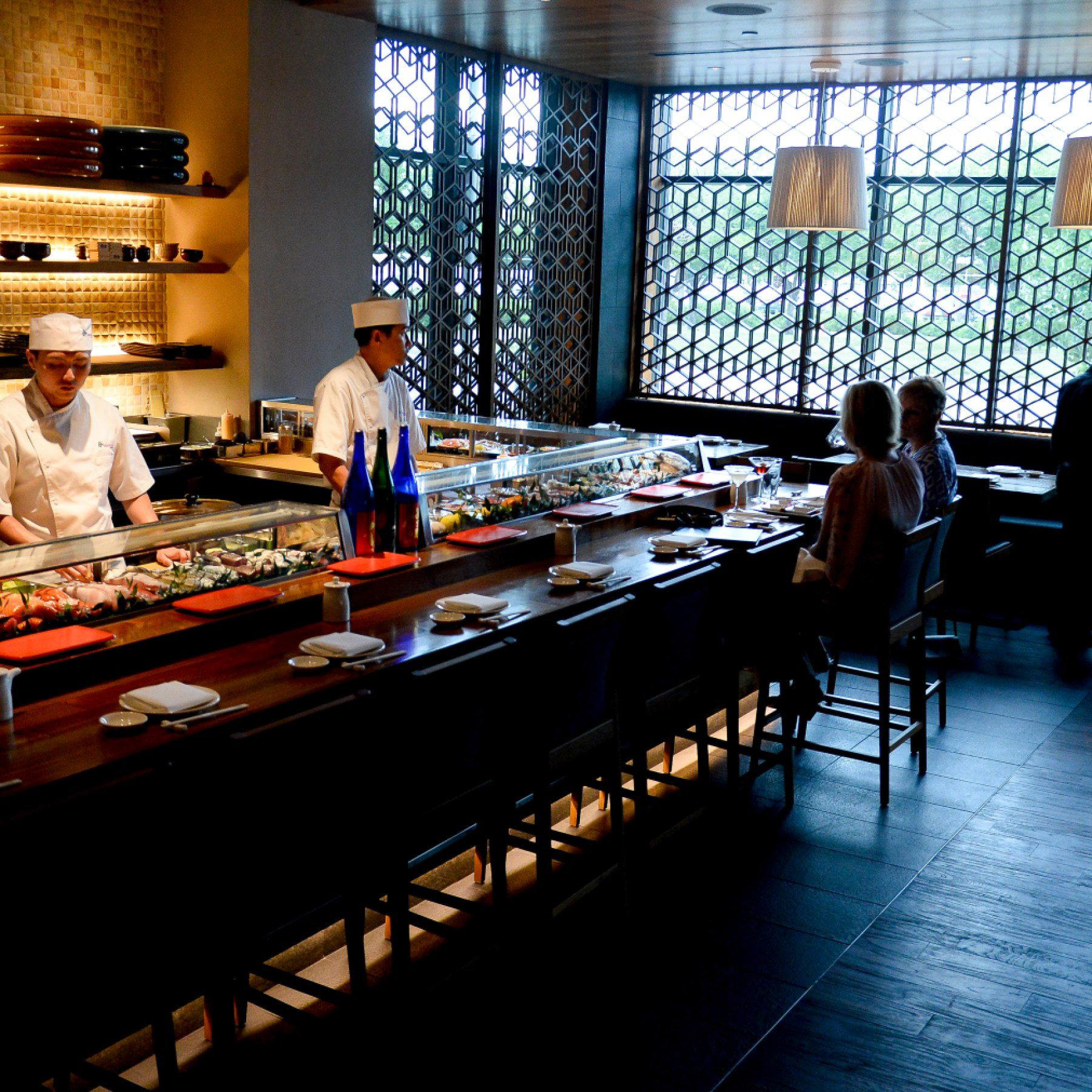
Cherry Creek's Japanese-Peruvian Counter
Denver's Cherry Creek North has spent the past decade consolidating its position as the city's most consistent fine-dining corridor. Unlike LoDo, which tilts toward volume and energy, or RiNo, where the emphasis falls on progressive tasting formats at places like Brutø and The Wolf's Tailor, Cherry Creek attracts a clientele that expects polish without theatre. On Steele Street, Matsuhisa sits precisely in that register: a room that rewards attention rather than demanding it.
The Matsuhisa name carries documented weight. Nobu Matsuhisa opened his original Los Angeles restaurant in 1987, and the network that followed, distinct from but closely related to the Nobu chain, established Japanese-Peruvian cooking as a codified genre rather than a curiosity. The Denver outpost belongs to that lineage, which means the menu's logic is familiar to anyone who has eaten at a Matsuhisa property elsewhere, while the sourcing and room reflect the specific pressures and pleasures of the Colorado market. Within Denver's fine dining tier, it occupies a different register from the tasting-menu format at Beckon or the seasonal New American approach at Annette, and sits closer in spirit to the ingredient-led precision you find at destination restaurants nationally.
How the Menu Is Built
Japanese-Peruvian menus of this caliber share a structural logic that rewards understanding before you arrive. The architecture typically divides into cold preparations, sashimi, ceviche-adjacent tiraditos, cold sauces, and hot sections led by robata grilling and sauté work. That division is not incidental. It reflects the technical history of the cuisine: the cold side draws on Japanese knife discipline and the Peruvian tradition of citrus-cured fish, while the hot side shows where wood fire and Japanese umami foundations intersect.
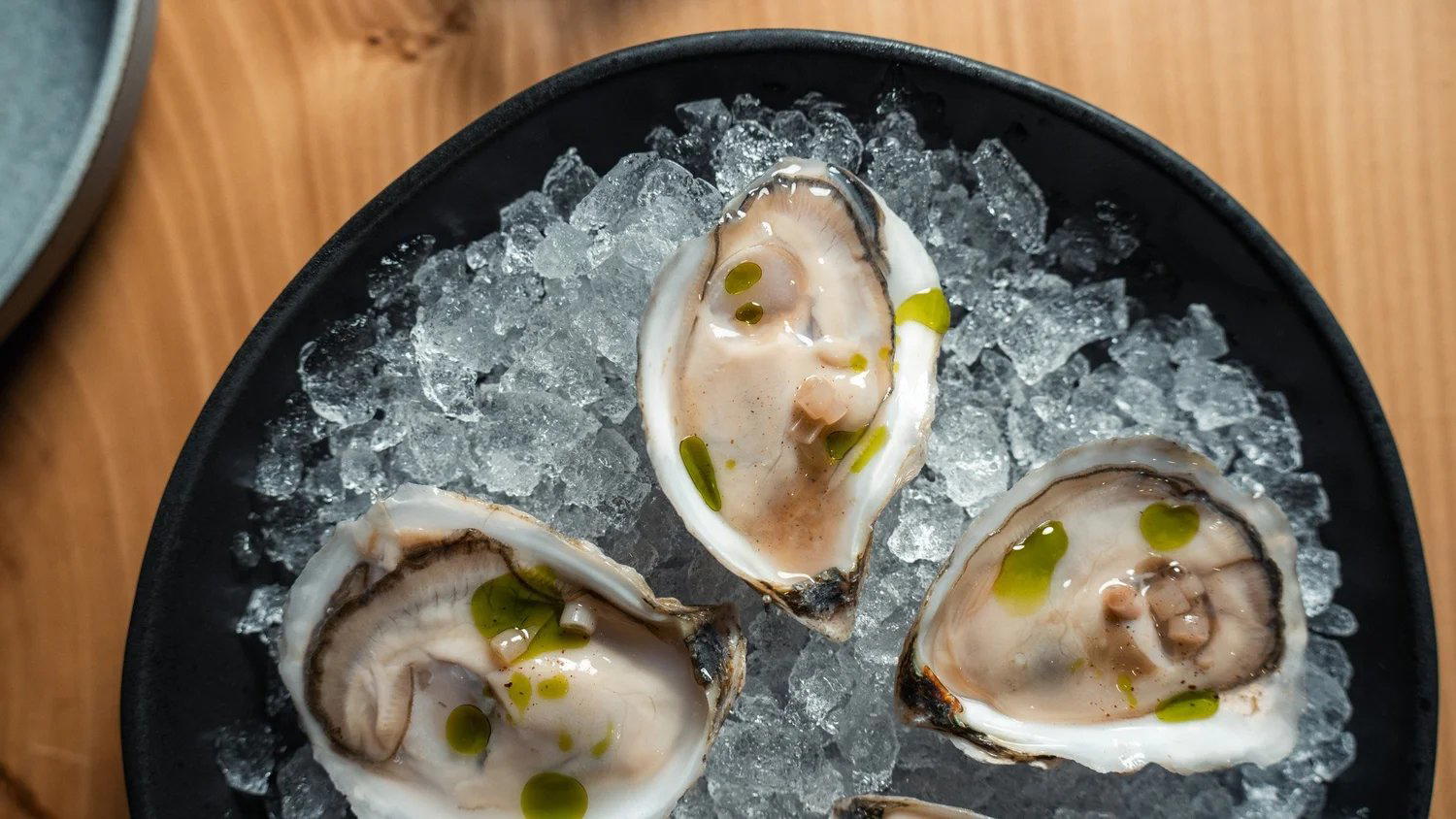
At Matsuhisa Denver, that structure means particularly considered ordering happens across both registers rather than anchoring entirely to sushi or entirely to cooked plates. The tiradito format, in which sashimi-cut fish is dressed rather than marinated (preserving texture where ceviche softens it), represents one of the genre's cleaner technical achievements. Alongside it, dishes using miso and anticucho-style preparations trace the direct line from the Peruvian-Japanese immigrant communities of Lima to the refined restaurant format that Nobu Matsuhisa eventually codified for international audiences.
For comparison, the structural ambition here is closer to what you find at seafood-focused fine dining in other American cities, the tightly edited marine focus at Le Bernardin in New York City or the California coastal precision at Providence in Los Angeles, than it is to the ingredient-driven farm narrative at Blue Hill at Stone Barns in Tarrytown or the maximalist progression at Alinea in Chicago.
Where Matsuhisa Sits in Denver's Dining Map
Denver's upper dining tier has expanded and diversified considerably since 2015. The city now supports genuinely ambitious tasting menus, strong regional Mexican cooking at places like Alma Fonda Fina, and a growing confidence in ingredient-forward contemporary cooking. Against that backdrop, Matsuhisa's position is as a format restaurant: a place where the cuisine category itself, Japanese-Peruvian at serious technical level, does much of the work of differentiation. The approach is less about local narrative and more about executing a globally established genre with consistency.
That places it in a different comparable set from Denver's more locally rooted fine dining. The appropriate comparisons nationally are other properties in the Matsuhisa network and, by extension, the Nobu group, or high-end Japanese-inflected restaurants in coastal markets. Within Colorado, there is no close structural equivalent at the same price positioning, which gives Matsuhisa a category advantage that has little to do with local competition and more to do with format scarcity.
Restaurants in comparable cities that share the same format logic include Addison in San Diego, where technical precision defines the offer, and Single Thread Farm in Healdsburg, where the menu architecture similarly demands a particular kind of attentive engagement from the diner. The commitment to a specific culinary tradition, executed without concession to casual formats, links these restaurants even when the cuisines differ entirely.
The Room and What It Signals
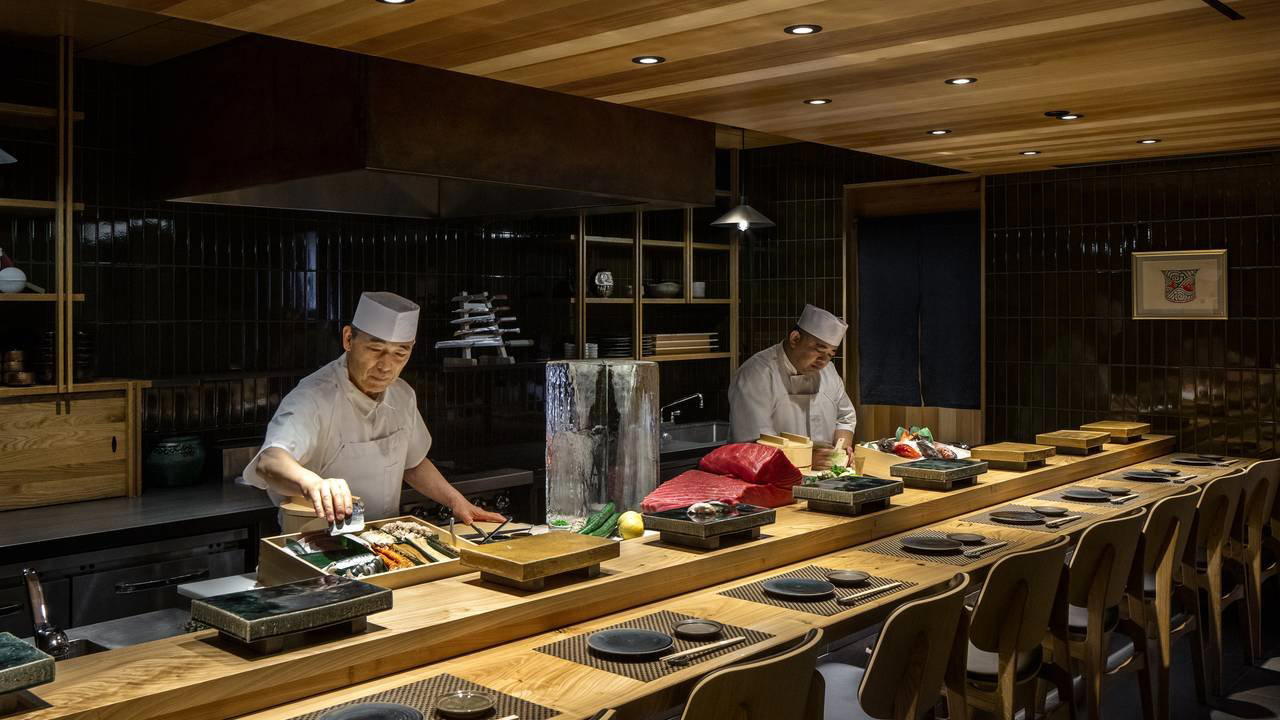
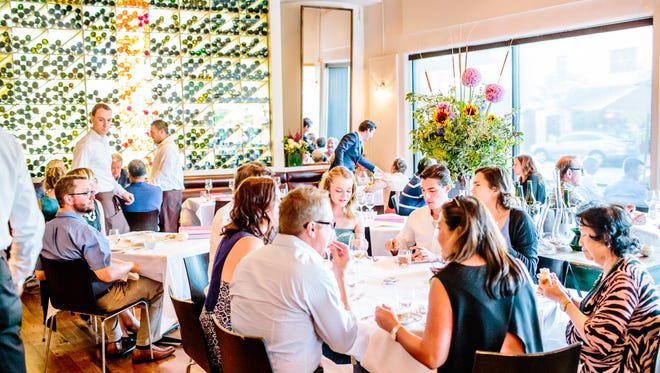
Cherry Creek fine dining rooms tend toward the composed rather than the expressive. Matsuhisa on Steele Street follows that pattern: a space designed to keep focus on the plate and the table rather than generating ambient spectacle. In the broader context of American Japanese dining, this reflects a shift away from the high-energy sushi bar atmosphere that defined the 1990s expansion of the format, toward something quieter and more considered. Internationally, the structural parallel is the kind of focused room you encounter at Atomix in New York City or, in a different register, at 8 1/2 Otto e Mezzo Bombana in Hong Kong, rooms where the architecture instructs the diner to slow down.
For context on how destination dining formats have developed across the United States, The French Laundry in Napa, Lazy Bear in San Francisco, Emeril's in New Orleans, and The Inn at Little Washington each represent different expressions of what a serious American dining room can mean. Matsuhisa's version is less about American culinary history and more about a specific transnational tradition, which is precisely its point of difference within Colorado.
Planning Your Visit
Matsuhisa is located at 98 Steele St, Denver, CO 80206, in Cherry Creek North. Given the format and price positioning, reservations in advance are advisable, particularly on weekends when Cherry Creek's dining corridor operates at full capacity. The menu architecture rewards ordering across multiple sections, cold and hot, fish and composed dishes, rather than treating it as a conventional sushi-only experience.
Cuisine and Credentials
Comparable venues nearby, for context on price, style, and recognition.
| Venue | Cuisine | Price | Awards | Notes |
|---|---|---|---|---|
| MatsuhisaThis venue — the venue you are viewing | New-Style Japanese Peruvian Fusion | $$$$ | Not listed | Not listed |
| Izakaya Den | Modern Japanese Izakaya | $$$ | Not listed | Platt Park |
| Ukiyo | Fusion Omakase | $$$$ | Michelin Plate | Union Station |
| Maize | Modern Mexican Masa Tasting Menu | $$$$ | Not listed | LoHi |
| Bruto | Modern Contemporary Tasting Menu | $$$$ | Not listed | LoDo |
| Banzai Sushi | Japanese Sushi with 100 Rolls | $$ | Not listed | Washington Virginia Vale |
Continue exploring
More in Denver
Restaurants in Denver
Browse all →
Bars in Denver
Browse all →
Hotels in Denver
Browse all →

At a Glance
- Elegant
- Sophisticated
- Modern
- Date Night
- Business Dinner
- Special Occasion
- Private Dining
- Open Kitchen
- Sake Program
- Craft Cocktails
- Sommelier Led
Current opening hours
- Monday
- 5–9 PM
- Tuesday
- 5–9 PM
- Wednesday
- 5–9 PM
- Thursday
- 5–9 PM
- Friday
- 5–9:30 PM
- Saturday
- 5–9:30 PM
- Sunday
- 5–9 PM
Hours can change for holidays and private events. Last verified .
Sophisticated blend of Colorado-inspired designs and traditional Japanese culture with elegant lighting and high-end dining atmosphere.