Yoroshiku
Yoroshiku occupies a compact room on North 45th Street in Seattle's Wallingford neighborhood, operating in a register that sits between casual izakaya and focused Japanese dining. The space itself frames the experience: deliberately scaled, neighborhood-rooted, and positioned well outside downtown Seattle's higher-wattage dining corridor. For visitors orienting around Seattle's Japanese restaurant scene, it belongs on the itinerary alongside Joule and Canlis-adjacent comparisons in the city's northside dining belt.
Pearl is the En Primeur Club membership app — saves, bookings, and concierge access live there. Same editors, same standards.
- Address
- 1913 N 45th St, Seattle, WA 98103
- Phone
- +12065474649
- Website
- yoroshikuseattle.com
- Directions
- Get directions
 Saves & bookings on Pearl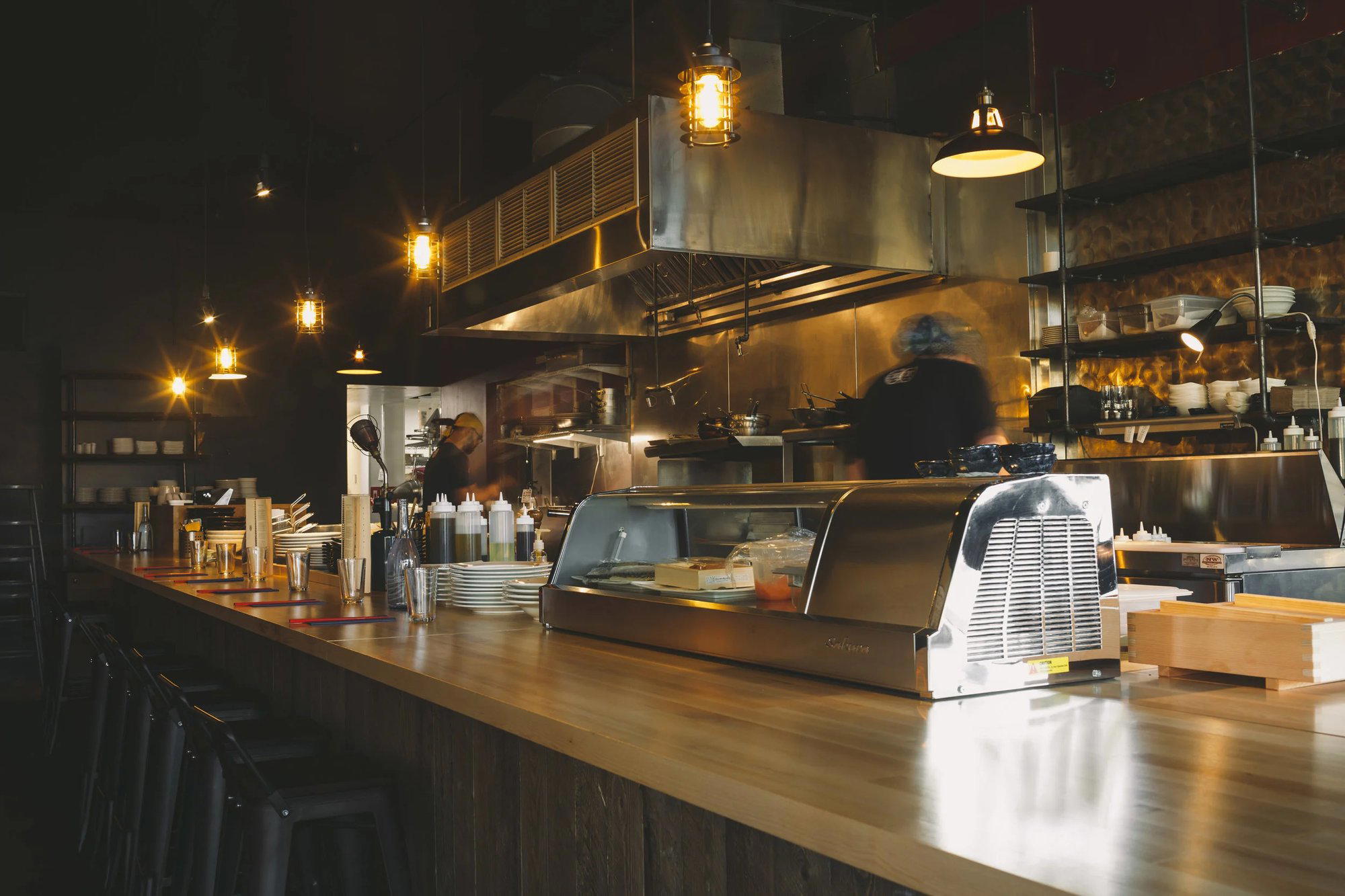
A Room That Sets Its Own Terms
Yoroshiku is a casual restaurant serving Modern Hokkaido Ramen & Izakaya in Seattle's Wallingford neighborhood. On North 45th Street, the physical container of a restaurant does a great deal of editorial work before a single dish arrives: the scale of the space, the proximity of tables, the relationship between bar and dining floor, these details communicate what kind of evening is on offer as clearly as any menu description.
Yoroshiku, at 1913 N 45th St, operates in exactly this register. Its address places it inside a neighborhood where the competition is not downtown destination restaurants but the steady rhythm of local regulars. That positioning matters. Izakaya-adjacent dining rooms in American cities have historically faced a categorization problem: too casual for the expense-account crowd, too focused for the average takeout customer. The ones that survive past their first five years tend to solve that problem through space design rather than marketing, creating rooms where the physical environment communicates a consistent identity.
Where Yoroshiku Sits in Seattle's Japanese Dining Tier
Seattle's Japanese dining scene operates across a broader range than most Pacific Coast cities its size. The city's historical connections to Japan, through trade, immigration, and geography, produced a restaurant culture that extends from fast-casual ramen shops in the International District to higher-format kaiseki and omakase counters serving the city's professional class. The middle tier, where Japanese cooking meets neighborhood dining room ambition, is where particularly interesting category tension lives.
Joule, the New Asian room from Rachel Yang and Seif Chirchi, operates in a comparable register: Korean-inflected cooking in a room that feels edited rather than spare, with an identity built more from culinary specificity than from physical grandeur. That approach, serious food in a democratically scaled space, represents one of Seattle's more durable dining patterns. Yoroshiku fits within that pattern on the Japanese side of the ledger.
For context on how Seattle's higher-format restaurants handle the space-experience relationship, Canlis remains the city's reference point for what happens when architecture and dining program operate at the same level of ambition. Yoroshiku makes no claims to that tier. Its ambitions are neighborhood-scaled, which is a legitimate and often more durable category than the destination restaurant format that requires continuous press coverage to sustain occupancy.
The Physical Logic of a North 45th Street Room
In Japanese dining culture, the physical design of the room is not decoration applied to the dining experience but rather the frame through which the food is understood. This is most visible at the omakase counter format, where the chef-diner relationship is mediated entirely by the counter's geometry: its height, its depth, the distance between guest and kitchen action. At the izakaya scale, the logic shifts toward communal tables, proximity between parties, and a room energy built from controlled density rather than architectural statement.
American interpretations of this format have often struggled with the density question. Stateside dining rooms built to izakaya proportions frequently feel either too sparse (undermining the communal logic) or too crowded (eliminating the precision the food requires). The better rooms solve this through deliberate seating arrangements: bar stools that face the kitchen, tables close enough to suggest community without eliminating conversation, lighting that shifts from task-functional to ambient without theatrical effect.
Wallingford's demographic, which skews toward professional households, long-term residents, and a smaller contingent of university-adjacent diners, tends to reward spaces that feel consistent across visits. The neighborhood dining room format succeeds when it becomes part of a visitor's routine rather than an occasional destination. That repeatability depends more on physical environment and pricing than on menu novelty.
Reading the Room Against Seattle's Broader Scene
Seattle's northside dining belt, running from Fremont through Wallingford and into Green Lake, has developed differently from the Capitol Hill and South Lake Union corridors that attract more press attention. Venues at addresses like 1744 NW Market St in Ballard and 2963 4th Ave S in SoDo represent different nodes in Seattle's distributed dining geography. The northside tends to reward venues that serve a consistent local audience rather than capturing transient downtown traffic.
That geographic logic shapes Yoroshiku's competitive set. It is not competing with the expense-account rooms downtown or the high-format counters that attract out-of-town visitors specifically for the meal. Its peer group is the neighborhood Japanese restaurant that earns its regulars through execution consistency, physical comfort, and pricing that allows for repeat visits without financial deliberation. In American cities with strong Japanese dining cultures, this tier has proven more stable over time than the destination-format alternatives.
For reference on how the destination format operates at scale, venues like The French Laundry in Napa, Alinea in Chicago, or Atomix in New York City command advance bookings and destination travel on the strength of their programs alone. Yoroshiku occupies an entirely different position in the dining ecosystem: a room where the local relationship is the point, not the exception. Similarly, Lazy Bear in San Francisco, Providence in Los Angeles, and Single Thread Farm in Healdsburg each demonstrate how the destination-format room builds its identity around a highly codified experience. The neighborhood izakaya model inverts that logic entirely: the experience is built around accessibility and repetition rather than rarity.
Other reference points across the American fine dining spectrum, from Le Bernardin in New York City and Blue Hill at Stone Barns in Tarrytown to Addison in San Diego, The Inn at Little Washington, and Emeril's in New Orleans, illustrate how physical design choices communicate tier positioning before any food is served. Yoroshiku's Wallingford room communicates neighborhood belonging, not destination aspiration. That is a deliberate position, not a limitation.
Planning Your Visit
Address: 1913 N 45th St, Seattle, WA 98103, in the Wallingford neighborhood. Getting there: Street parking is available along N 45th St and surrounding residential blocks; the venue is accessible by Metro bus routes running along 45th. Reservations: Walk-ins are welcome. Timing: Wallingford dining rooms at this scale tend to fill on weekend evenings; a weekday visit typically allows more flexibility. Dress: casual. Budget: about $25 per person.
- Fisherman Ramen
- Spicy Miso Ramen
- Zangi
- Chan Chan Yaki
- Okonomiyaki
- Uni Bruschetta
A Quick Peer Check
Comparable venues nearby, for context on price, style, and recognition.
| Venue | Cuisine | Price | Notes |
|---|---|---|---|
| YoroshikuThis venue — the venue you are viewing | Modern Hokkaido Ramen & Izakaya | $$ | Not listed |
| Samurai Noodle | Japanese Ramen Noodle Bar | $$ | University District |
| Ramen Danbo | Fukuoka-style Hakata Tonkotsu Ramen | $$ | Broadway |
| Miyabi 45th | Handmade Soba Noodles | $$ | Wallingford |
| Jae's Asian Bistro & Sushi | Japanese Sushi & Pan-Asian | $$ | Stevens |
| Curry Lab Sapporo | Sapporo-Style Japanese Soup Curry | $$ | Ravenna |
Continue exploring
More in Seattle
Restaurants in Seattle
Browse all →
Bars in Seattle
Browse all →
Hotels in Seattle
Browse all →
At a Glance
- Cozy
- Modern
- Lively
- Casual Hangout
- Group Dining
- Family
- After Work
- Open Kitchen
- Standalone
- Sake Program
- Beer Program
- Craft Cocktails
- Local Sourcing
Current opening hours
- Monday
- 5–9:30 PM
- Tuesday
- 5–9:30 PM
- Wednesday
- 5–9:30 PM
- Thursday
- 5–9:30 PM
- Friday
- 11:30 AM–2 PM, 4:30–9:30 PM
- Saturday
- 11:30 AM–2 PM, 4:30–9:30 PM
- Sunday
- 11:30 AM–2 PM, 4:30–9:30 PM
Hours can change for holidays and private events. Last verified .
Casual neighborhood izakaya with warm, welcoming atmosphere reflecting Hokkaido culinary traditions and contemporary Japanese dining culture.