Karaage Setsuna
Karaage Setsuna occupies a Belltown address at 2429 2nd Ave, placing a focused fried-chicken format in one of Seattle's most competitive dining corridors. The format fits a broader Northwest shift toward single-subject Japanese concepts that trade breadth for depth. Booking details and hours are best confirmed directly with the venue before visiting.
Pearl is the En Primeur Club membership app — saves, bookings, and concierge access live there. Same editors, same standards.
- Address
- 2429 2nd Ave, Seattle, WA 98121
- Phone
- (206) 448-3595
- Website
- karaagesetsuna.com
- Directions
- Get directions
 Saves & bookings on Pearl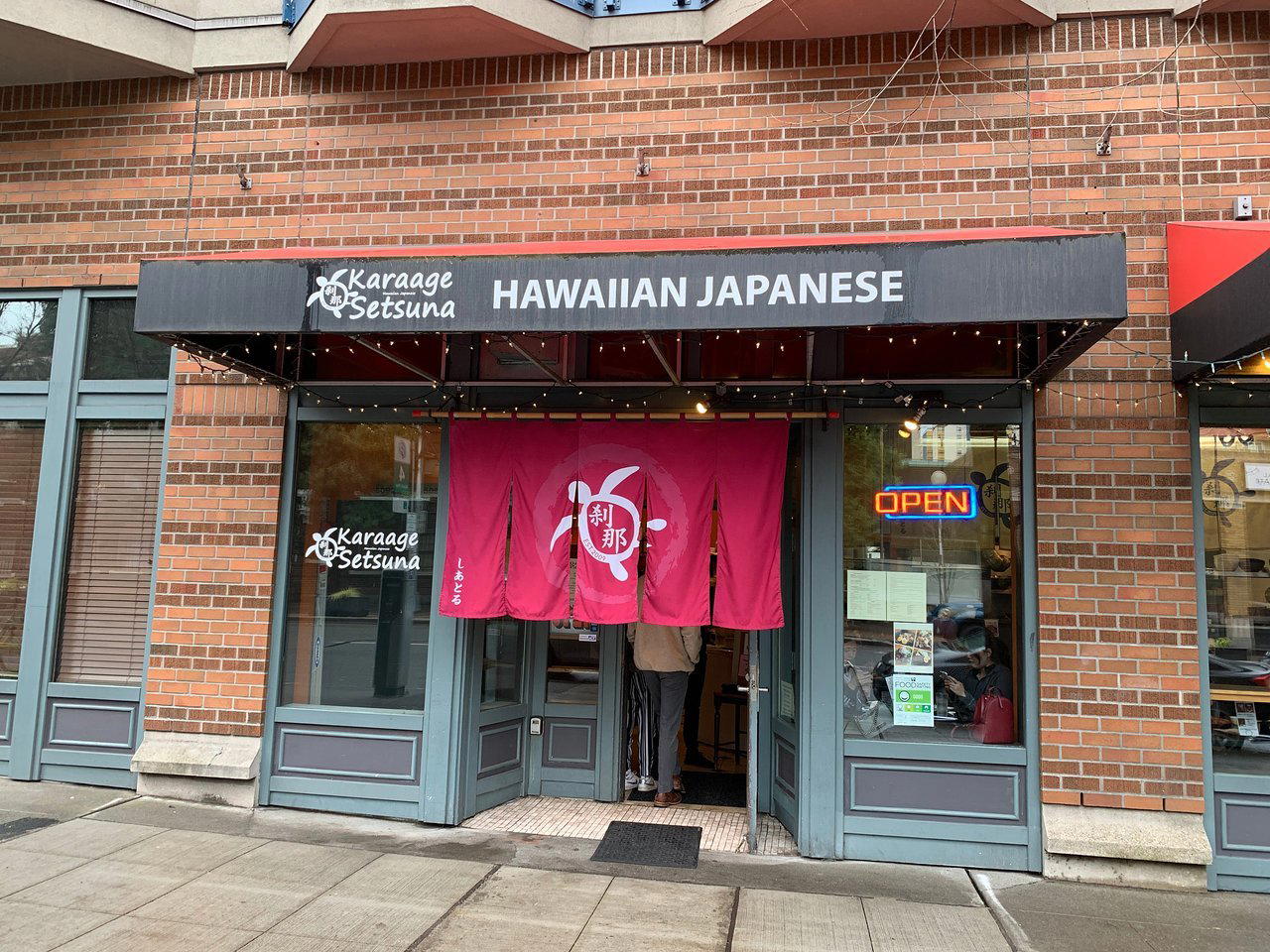
Belltown's Appetite for the Specific
Seattle's Belltown has spent the better part of a decade sorting itself out. The neighborhood once ran on volume: high-turn bistros, hotel dining rooms, and late-night bars that fed the post-show crowd from the nearby venues on 1st and 2nd. What has emerged more recently is a narrower, more opinionated strip of restaurants where the competitive signal is specificity rather than range. Karaage Setsuna is a restaurant in Seattle serving Hawaiian-Japanese Fried Chicken at 2429 2nd Ave. A karaage concept at 2429 2nd Ave fits that pattern precisely. In a city where the conversation about Japanese food has grown considerably more granular, single-subject formats have begun to carve out their own tier.
That broader shift is visible across the Northwest. Diners who might once have settled for a sushi-and-teriyaki menu now seek out counters and small rooms organized around a single technique or a single protein. Karaage, Japan's method of deep-frying marinated chicken (or fish, or vegetables) at high heat to produce a shatteringly crisp exterior over juicy meat, is one of the formats benefiting from that appetite for focus. The dish has a long domestic history in Japan as an izakaya staple and a bento fixture, and its arrival as a standalone concept in American cities reflects both the depth of Japanese culinary culture taking root here and the economics of a format that rewards repetition and refinement over breadth.
What the Belltown Block Tells You
The 2nd Avenue corridor in Belltown sits between the Pike Place Market end of downtown and the Denny Triangle, where Seattle's tech-sector lunch crowd has reshaped the midday dining market. That position matters. Restaurants here draw from a daytime professional population, an evening neighborhood-resident base, and a tourist overflow that stops short of the heavier foot traffic closer to the waterfront. It is a block that rewards concepts with a clear identity, because the audience is self-selecting rather than purely opportunistic.
Comparing Belltown's current dining character to other Seattle neighborhoods is instructive. Capitol Hill runs on ambition and late hours. Fremont leans toward the neighborhood-institution model. Ballard, with addresses like 1744 NW Market St, has developed a reputation for independent operators working at a more considered pace. Belltown's identity is harder to pin down, which is partly why a venue with a clear format can read as a signal against a noisier backdrop. The same logic applies elsewhere in the city: 2963 4th Ave S in SoDo and 1415 1st Ave downtown both reflect how Seattle operators are using address and format together to position themselves within the city's evolving dining geography.
The Karaage Format in Context
American cities have passed through several phases of engagement with Japanese frying technique. Tempura arrived first as a restaurant category, then ramen displaced it as the dominant single-subject format through the 2010s. Tonkatsu concepts followed in denser markets. Karaage is a later arrival to standalone status in the United States, and its position is still being established. The technique requires less theater than ramen service and less capital than a counter-sushi operation, which makes it accessible to operators willing to go deep on a single product. The trade-off is that the format lives or dies on execution consistency: the marinade composition, the fry temperature, the resting time, and the dipping accompaniments are all visible and repeatable variables that experienced diners notice immediately.
That focus on technique over spectacle places karaage concepts in a different competitive conversation than Seattle's more decorated rooms. Canlis, which has anchored the city's celebratory dining tier for decades, and Joule, which operates at the intersection of Korean and American techniques, both compete on a different axis entirely. Nationally, the reference points shift again: Le Bernardin in New York City, Alinea in Chicago, and The French Laundry in Napa represent the high-formality end of the American dining spectrum, while concepts like Lazy Bear in San Francisco and Blue Hill at Stone Barns in Tarrytown operate in a register defined by sourcing philosophy. A well-executed karaage concept occupies a different register altogether: casual in price point and setting, demanding in execution, and increasingly sought after by diners who understand what good frying actually requires.
The Korean-American dining conversation has contributed to this appetite, too. Atomix in New York City has demonstrated how Korean technique can operate at the highest tier of American fine dining, while formats further down the formality register have expanded the general audience for Asian frying traditions. Providence in Los Angeles, Addison in San Diego, and Single Thread Farm in Healdsburg each represent the longer, more resource-intensive version of culinary commitment. Karaage Setsuna represents the opposite end of that ambition spectrum, where the constraint is the format and the measure of success is how well a kitchen has mastered a narrow set of variables.
Planning Your Visit
Current hours, pricing, and booking details are worth confirming before visiting. Confirming these directly before visiting is sensible, particularly for a concept of this type where format and availability can shift.
| Venue | Format | Neighborhood | Booking Required |
|---|---|---|---|
| Karaage Setsuna | Japanese / Karaage | Belltown | Confirm directly |
| Joule | New Asian | Wallingford | Recommended |
| Canlis | New American | Queen Anne | Essential, weeks ahead |
| Emeril's (New Orleans) | New American | Central Business District | Recommended |
| 8 1/2 Otto e Mezzo Bombana | Italian Fine Dining | Central, Hong Kong | Essential |
| The Inn at Little Washington | American Fine Dining | Washington, VA | Essential, months ahead |
At a Glance
Comparable venues nearby, for context on price, style, and recognition.
| Venue | Cuisine | Price | Notes |
|---|---|---|---|
| Karaage SetsunaThis venue — the venue you are viewing | Not listed | $$ | Not listed |
| Miyabi 45th | Wallingford, Handmade Soba Noodles | $$ | Not listed |
| Musashi's | Wallingford, Traditional Japanese Sushi | $$ | Not listed |
| Moshi Moshi Sushi | Adams, Japanese Sushi & Izakaya | $$ | Not listed |
| Curry Lab Sapporo | Not listed | $$ | Ravenna, Sapporo-Style Japanese Soup Curry |
| Nishino | Not listed | $$$ | Madison Park, Modern Japanese Sushi and Omakase |
Continue exploring
More in Seattle
Restaurants in Seattle
Browse all →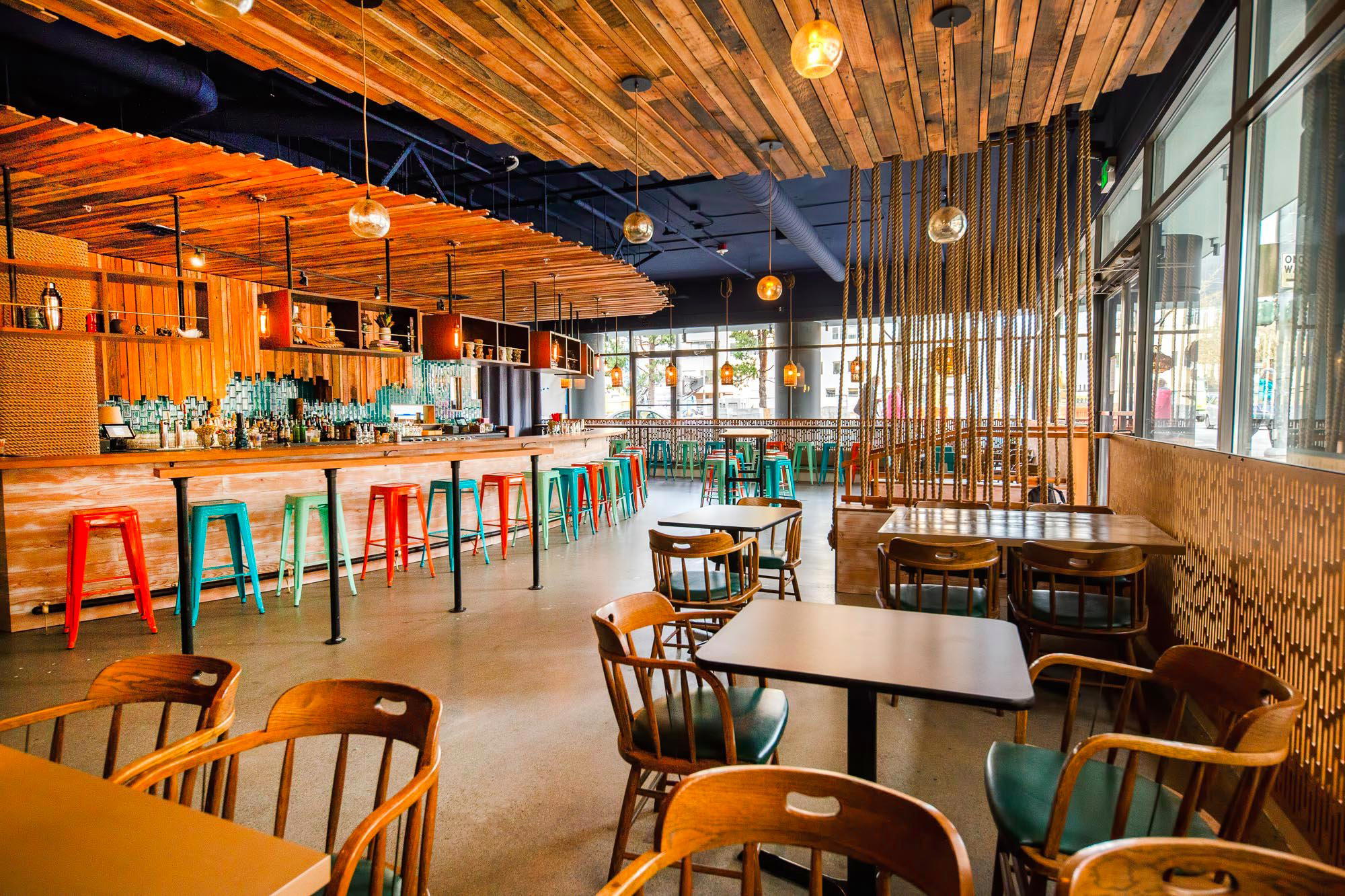
Bars in Seattle
Browse all →
Hotels in Seattle
Browse all →
At a Glance
- Cozy
- Trendy
- Casual Hangout
- Open Kitchen
- Sake Program
Current opening hours
- Monday
- 11:30 AM–2 PM, 4:30–9 PM
- Tuesday
- 11:30 AM–2 PM, 4:30–9 PM
- Wednesday
- 11:30 AM–2 PM, 4:30–9 PM
- Thursday
- 11:30 AM–2 PM, 4:30–9 PM
- Friday
- 11:30 AM–2 PM, 4:30–9 PM
- Saturday
- 11:30 AM–2 PM, 4:30–9 PM
- Sunday
- 11:30 AM–2 PM, 4:30–9 PM
Hours can change for holidays and private events. Last verified .
Casual, no-frills small shop with efficient service and focus on fresh, flavorful food.