Massara



Massara on Park brings chef Stefano Secchi's Campanian cooking to 48 E 26th Street in Flatiron, operating there after a June 2025 kitchen fire at the original 913 Broadway restaurant. The official site lists dinner daily plus weekend lunch and active reservations.
Pearl is the En Primeur Club membership app — saves, bookings, and concierge access live there. Same editors, same standards.
- Address
- 913 Broadway, New York, NY 10010
- Phone
- (646) 212-0913
- Website
- massara.nyc
- Directions
- Get directions
 Saves & bookings on Pearl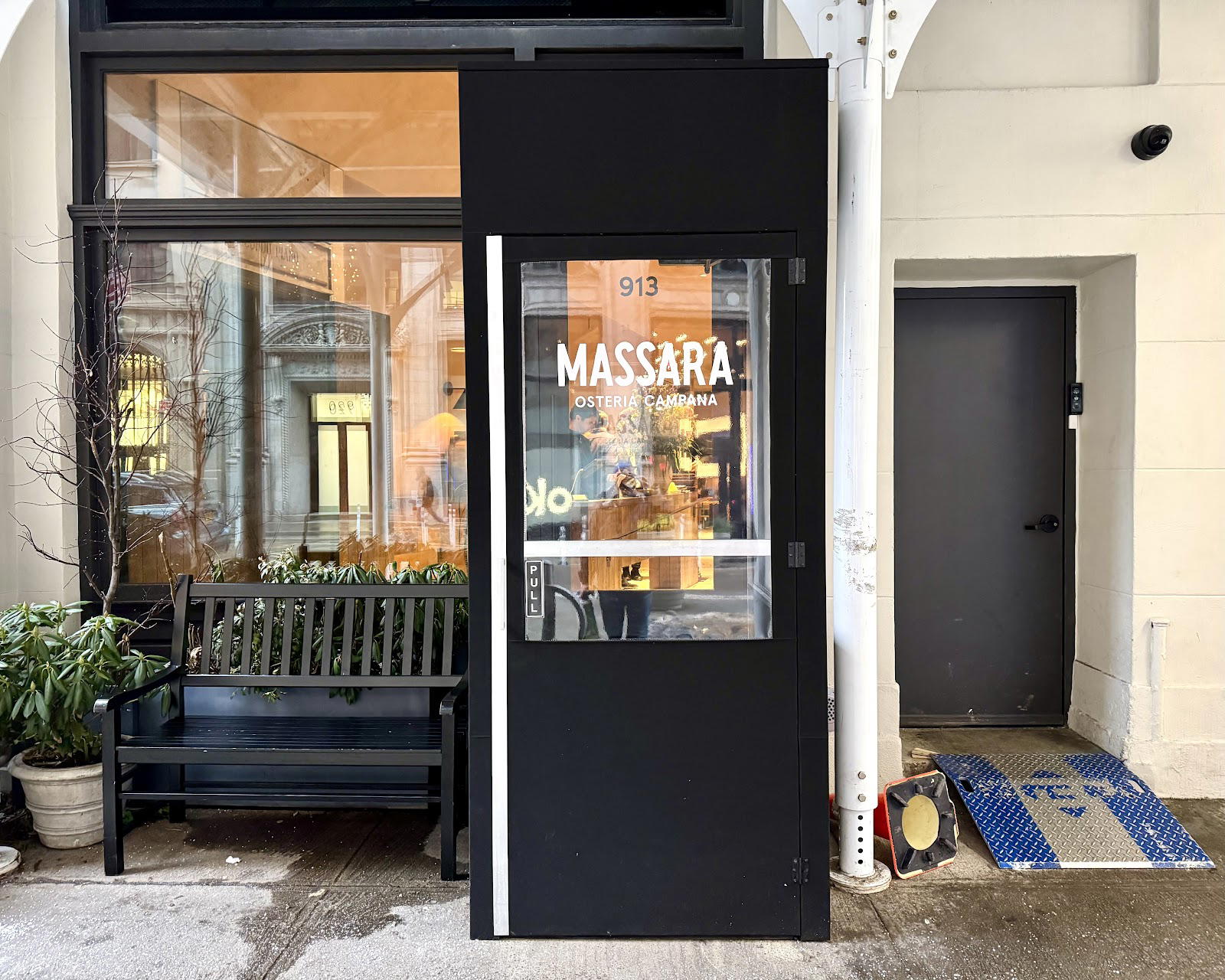
Cold Pasta, Raw Shrimp, and the Logic of Campanian Cooking in New York
There is a dish on the menu called "If pasta fredda was eaten in Amalfi", a thick noodle served cold, coated in a puréed tomato-based sauce, finished with raw red shrimp and lobes of uni. That single plate says more about what Massara is doing than most restaurant descriptions manage in several paragraphs. It is a dish that could exist only with a precise knowledge of Southern Italian tradition and an equally precise willingness to push against it. Cold pasta has deep roots in Campanian home cooking; the raw shellfish on leading is a statement about where that tradition can go when handled by a kitchen with both the sourcing access and the technical confidence to leave seafood uncooked.
This is the territory that Massara occupies at 913 Broadway in the Flatiron District. Where much of New York's Italian dining either leans into red-sauce nostalgia or drifts toward a vague pan-Italian sophistication, Massara works from a narrower and more demanding brief: the regional food of Campania, interpreted through a shared-plates format that resists the set-course structure common at the city's higher-end Italian addresses.
Where Massara Sits in New York's Italian Dining Map
New York's Italian restaurant scene has never been monolithic. At one end, places like Babbo established the model of Italian cooking as serious fine dining in the American context; at another, Via Carota has built a reputation around the everyday intelligence of Roman trattoria cooking. Ai Fiori sits closer to the French-Italian luxury register, while Altro Paradiso favors a lighter, more casual Northern Italian sensibility. Ammazzacaffè works from a different angle again.
Massara fits between them: regional, serious, and shaped by Campanian cooking. Its price point ($$$ on a four-tier scale) places it in the serious-but-not-destination bracket, below the fully committed tasting-menu format of a Alinea or The French Laundry and a register or two below the $$$$ pricing of New York's Le Bernardin or Per Se tier. Its recognition signals are specific rather than broad: a Star Wine List White Star, and four total awards in the record. OAD's casual list rewards cooking that does not depend on ceremony, which aligns with a shared-plates format that is explicitly designed for lateral ordering rather than sequential progression.
The Southern Italian focus also positions Massara in a narrower niche than the broader Italian category. Campanian cuisine, rooted in the agricultural traditions of the region around Naples, relies on products that carry regional identity: San Marzano tomatoes, buffalo mozzarella, seafood from the Tyrrhenian coast. The kitchen at Massara imports burrata from Campania for the cheesemakers raviolini, a sourcing decision that functions as an argument about ingredient integrity. The technique is New York; the product is not.
Pasta as the Organizing Principle
The Italian-American restaurant tradition in New York has always treated pasta as a supporting player. Massara inverts that hierarchy. Most pasta here is made in-house, and the dishes are designed for sharing, which means the expectation is that a table will order several and work through them comparatively. Applied to Southern Italian pasta, it creates a different kind of conversation at the table, less about individual plates, more about the range of what a single dough and different shapes can do.
Logic here connects to a broader pattern visible across serious Italian restaurants operating outside Italy. Kitchens like cenci in Kyoto and 8½ Otto e Mezzo Bombana in Hong Kong demonstrate how Italian technique travels when applied by chefs trained rigorously in the tradition. What distinguishes these kitchens from generic Italian-abroad operations is specificity: a commitment to particular regions, particular products, and particular preparations rather than a survey of the cuisine. Massara's Campanian focus is that kind of commitment.
Chef Stefano Secchi connects the kitchen to Rezdôra, his other New York operation, which has built a reputation around Emilian pasta traditions. The move from Emilian to Campanian at Massara is not incidental. These are two of Italy's most pasta-serious regions, and the technical gap between laminated Emilian egg pasta and the durum-based shapes more common in Campania is significant. The cold pasta dish described above uses a thicker noodle format more consistent with Campanian tradition than with the silk-thin sheets Rezdôra is known for. That differentiation reads as deliberate rather than coincidental.
The Wine Program and What It Signals
The Star Wine List White Star marks a wine program with curation, range, and editorial intent. In the context of a Southern Italian-focused restaurant at the $$$ price tier, this suggests a list that likely emphasizes the wines of Campania and the broader South, Fiano, Greco di Tufo, Aglianico, alongside broader Italian coverage. That profile would be consistent with the kitchen's sourcing logic: local products, articulated through a specific regional lens.
Planning a Visit
Massara on Park is at 48 E 26th Street in the Flatiron District, a neighborhood with significant density of serious restaurants and direct access from multiple subway lines. Reservations are recommended. Emeril's in New Orleans, Lazy Bear in San Francisco, Providence in Los Angeles, and Single Thread Farm in Healdsburg each offer instructive reference points for what regional focus and sourcing discipline look like across different American dining markets.
Quick Comparison
Comparable venues nearby, for context on price, style, and recognition.
| Venue | Cuisine | Price | Awards | Notes |
|---|---|---|---|---|
| MassaraThis venue — the venue you are viewing | Southern Italian Campania Osteria | $$$$ | Michelin Plate | Not listed |
| Ci Siamo | Modern Live-Fire Italian | $$$$ | Michelin Plate | Chelsea-Hudson Yards |
| Babbo | Modern Italian Fine Dining | $$$$ | Not listed | Greenwich Village |
| Santi | Modern Italian Fine Dining | $$$$ | Michelin Plate | Midtown-Times Square |
| Carne Mare | Italian Chophouse | $$$$ | Michelin Plate | Financial District-Battery Park City |
| Sempre Oggi | Hyper-Seasonal Sicilian Italian | $$$ | Michelin Plate | Upper West Side (Central) |
Recognition history
Dated appearances from independent guides and award organizations, with the underlying list record or original source where available.
Star Wine List
Star Wine List
Michelin Plate
Michelin
Opinionated About Dining Casual in North America Ranked #229
Opinionated About Dining
Continue exploring
More in New York City
More from Chef Stefano Secchi
Browse all →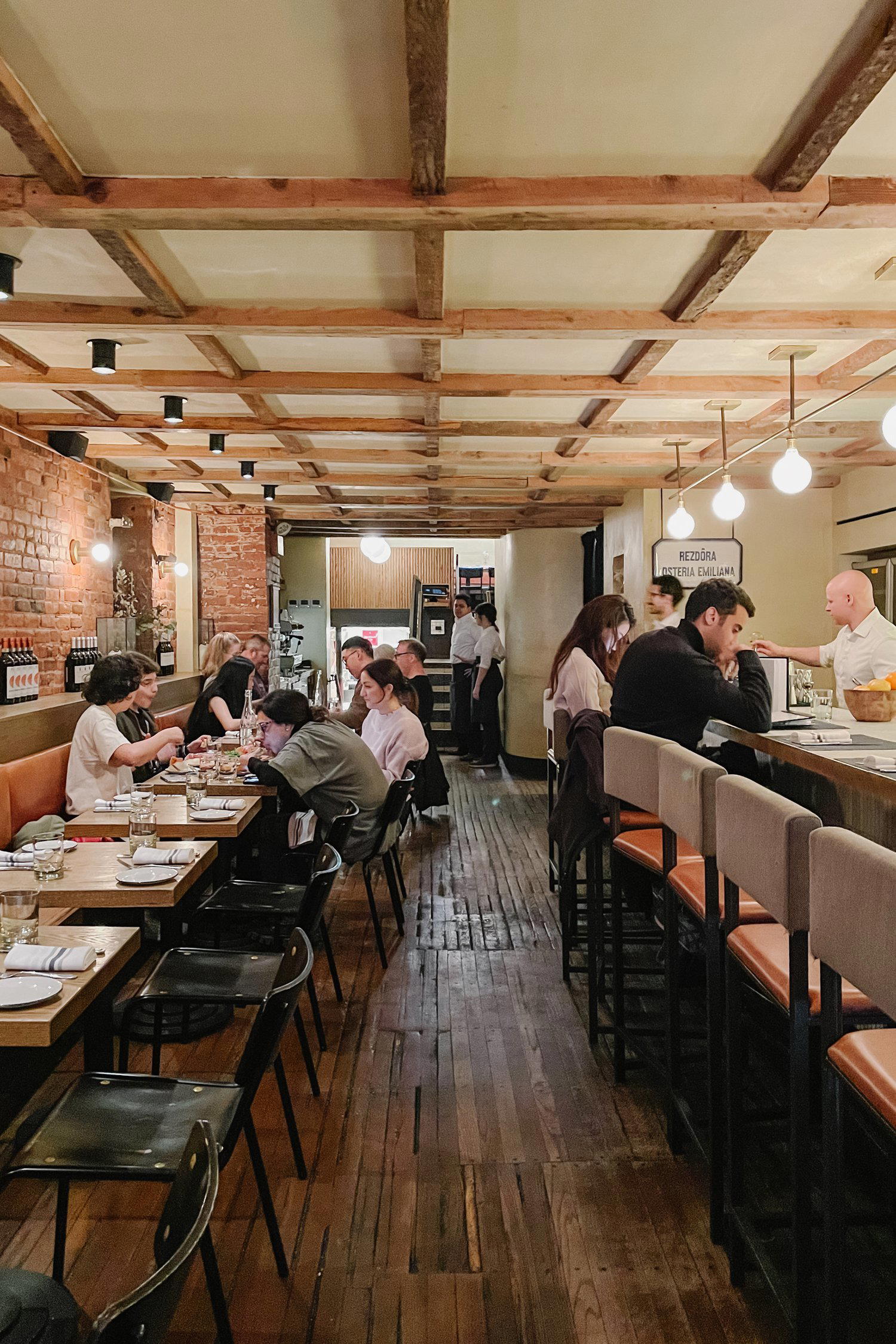
Restaurants in New York City
Browse all →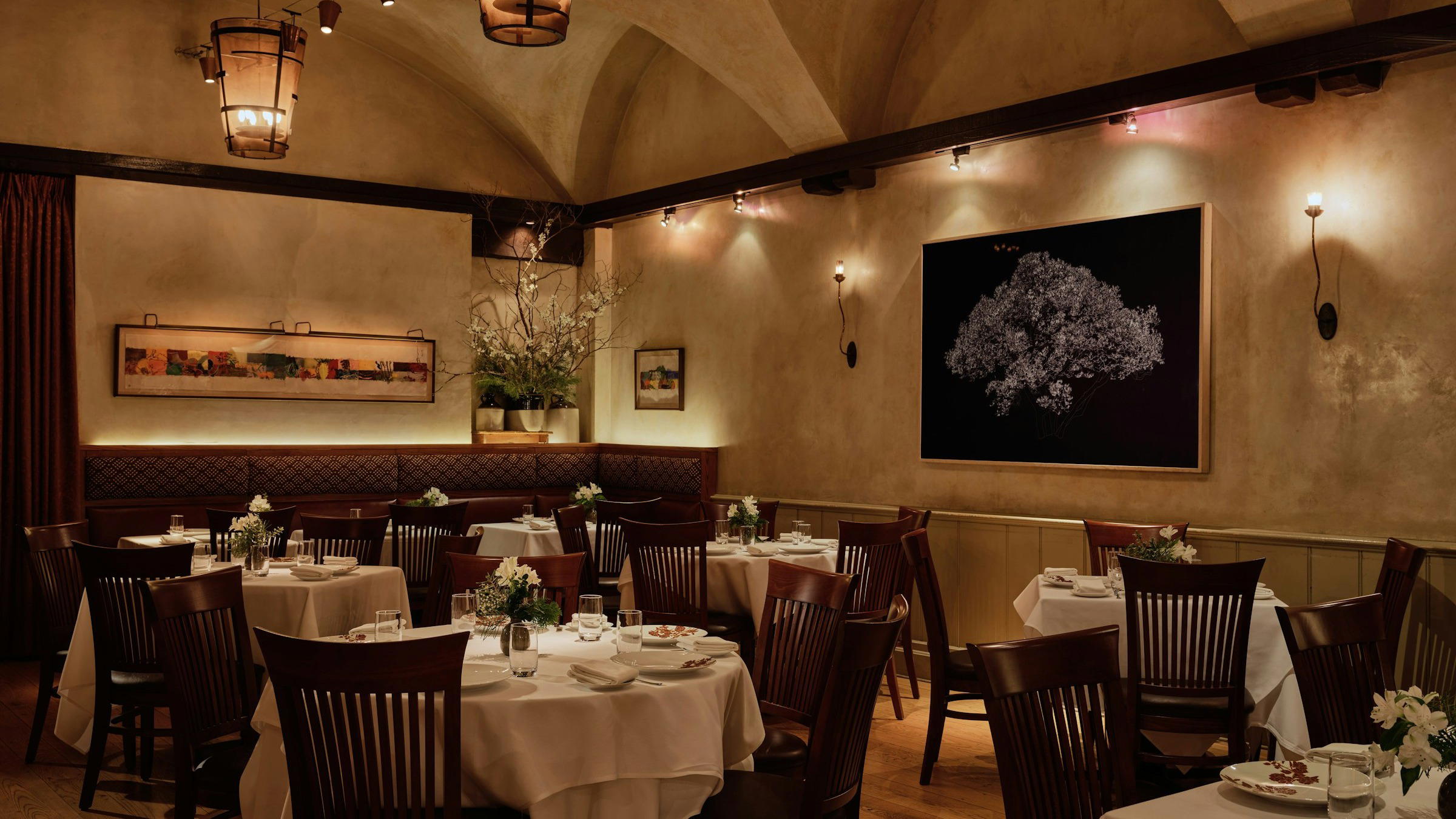
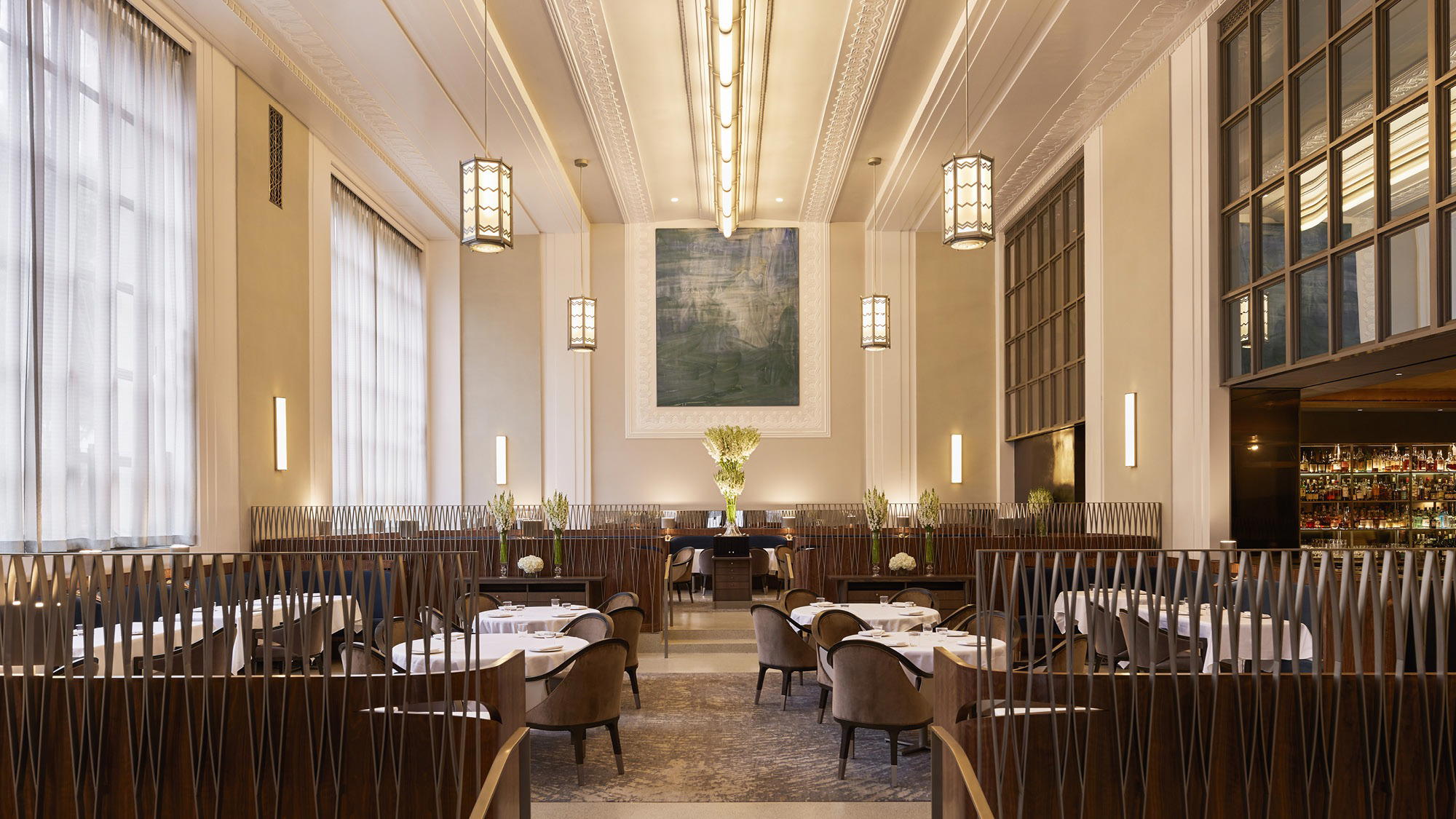
Bars in New York City
Browse all →
Hotels in New York City
Browse all →





At a Glance
- Lively
- Romantic
- Elegant
- Cozy
- Date Night
- Special Occasion
- Group Dining
- Open Kitchen
- Craft Cocktails
Lively yet romantic atmosphere designed to evoke an Italian farmhouse with warm lighting and soothing service.