Sempre Oggi


Michelin Plate · Wine Spectator Award of Excellence
Our verdict
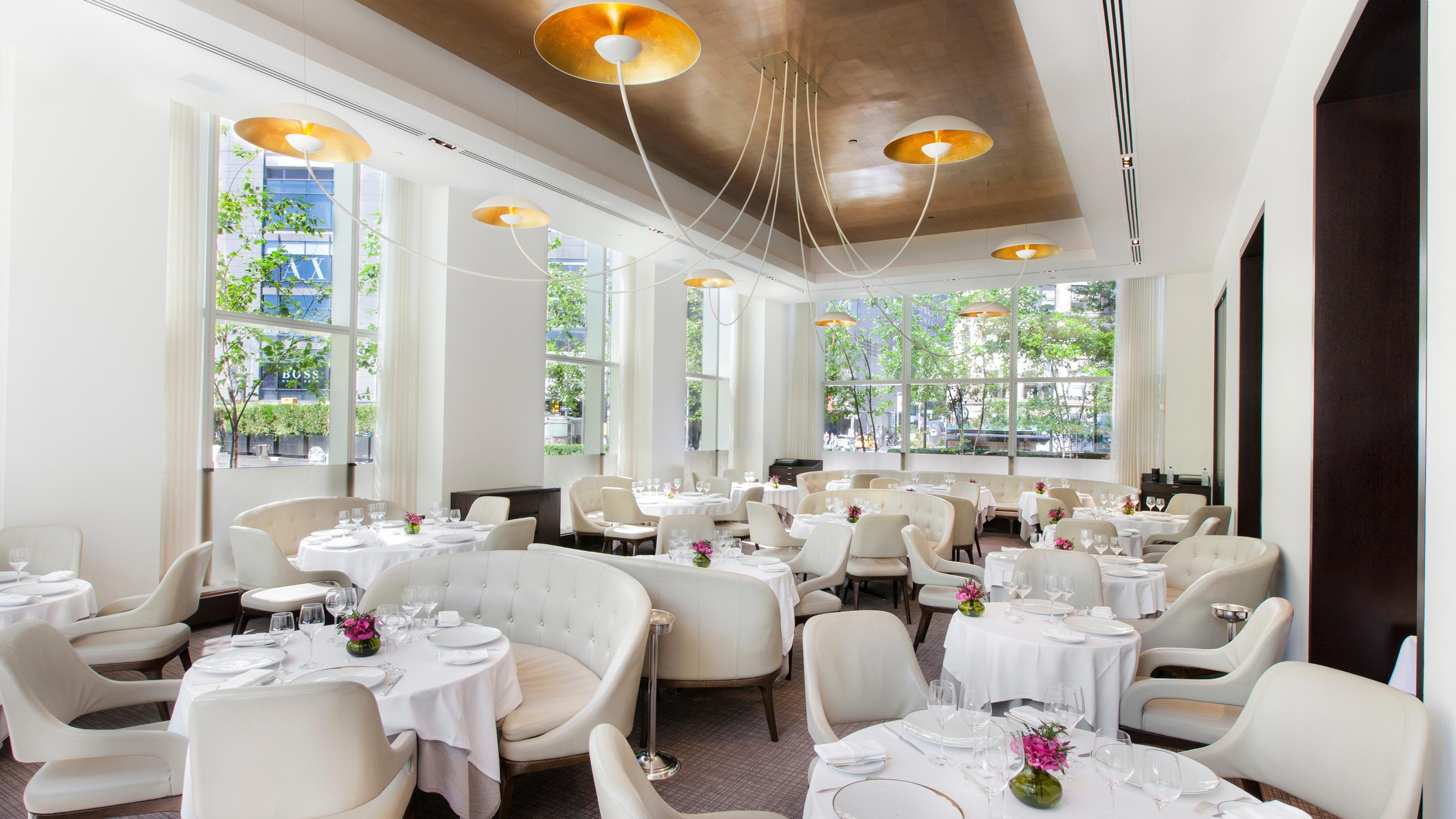
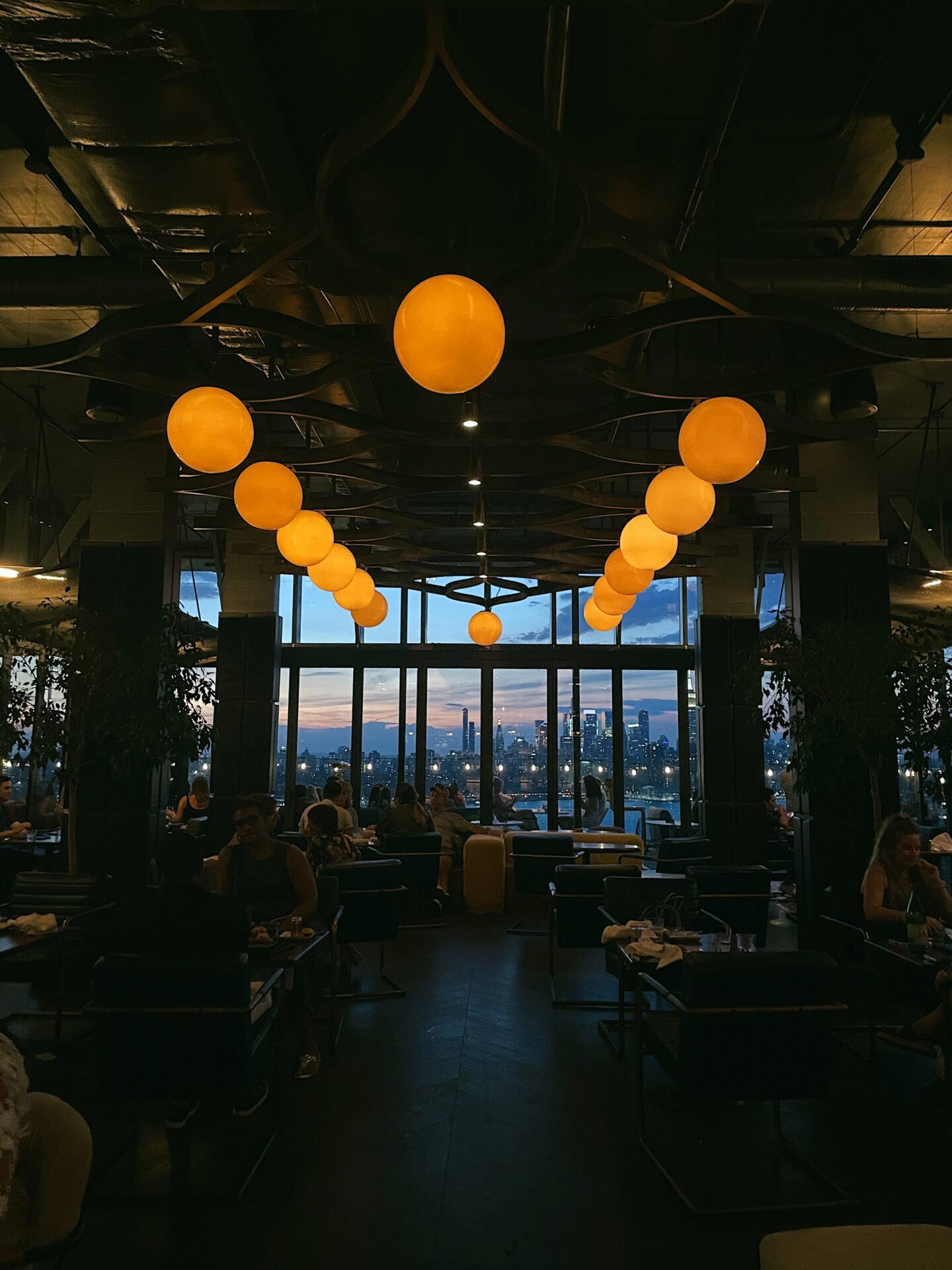
Unlike most Italian restaurants in New York that trade on intimacy and tight quarters, Sempre Oggi occupies a deliberately grand space on the Upper West Side, pairing a cavernous, gold-accented room with a menu that takes familiar Italian templates and sharpens them with precise sourcing. A wine list of 145 selections and 2,420 bottles deep, with Italian strengths, signals the kitchen's commitment to provenance over novelty.

Pearl is the En Primeur Club membership app, where members save venues, book tables and use the concierge.
The menu
What to order
- Porcelet Porchetta
- Cappelletti with English Peas Butter and Lemon
- Tumminia Busiate with Pesto alla Trapanese
Scale as a Statement: Italian Dining on the Upper West Side
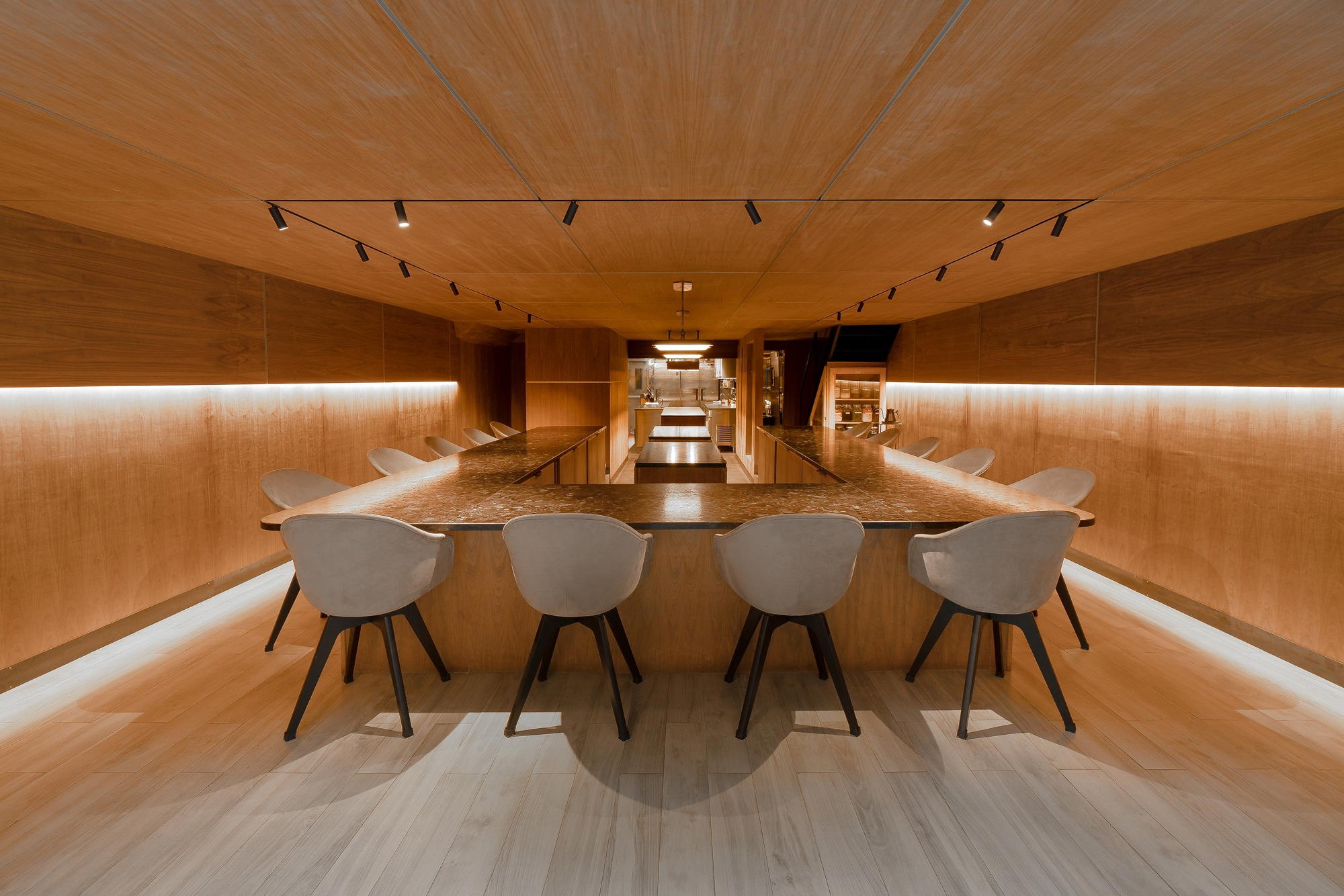
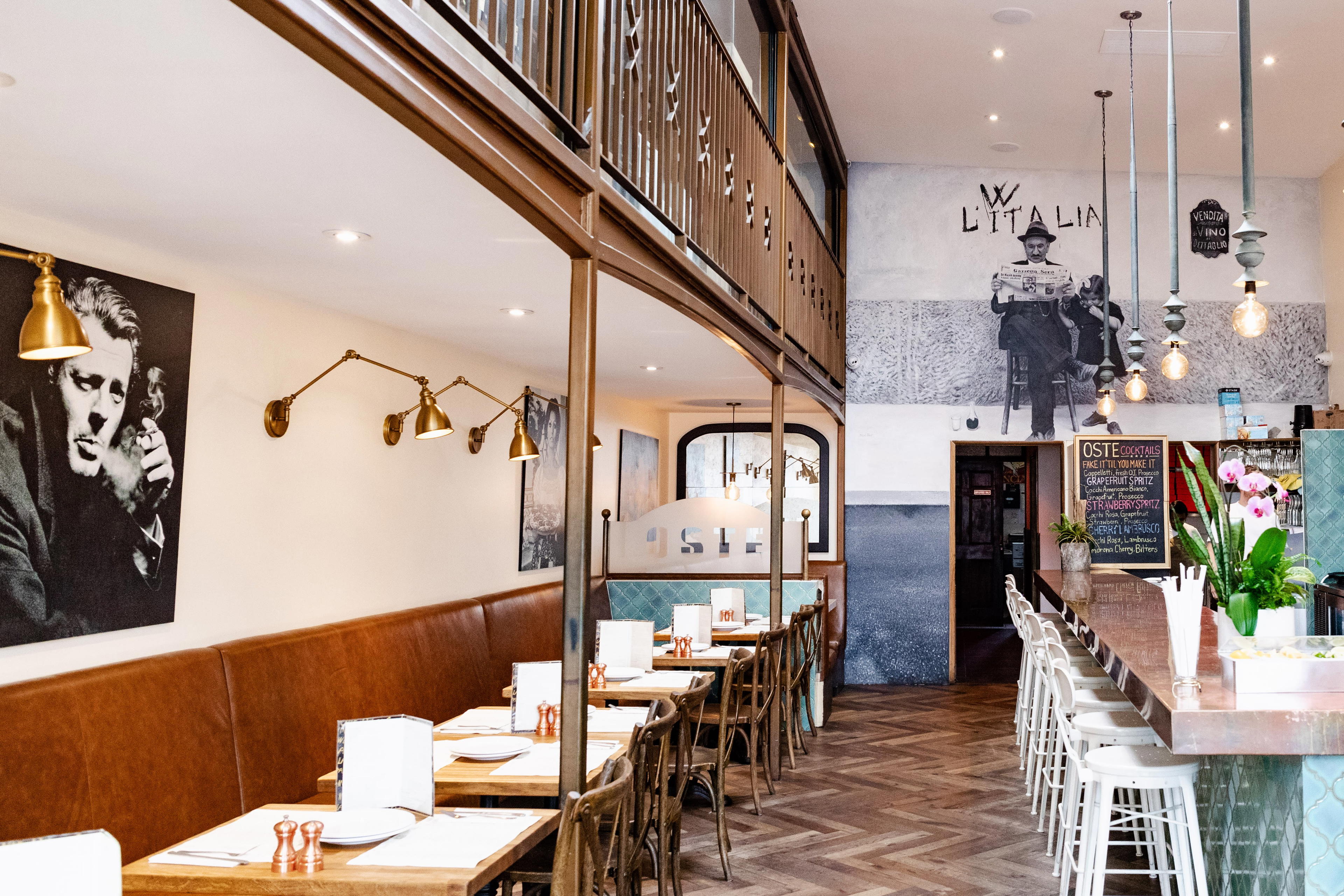
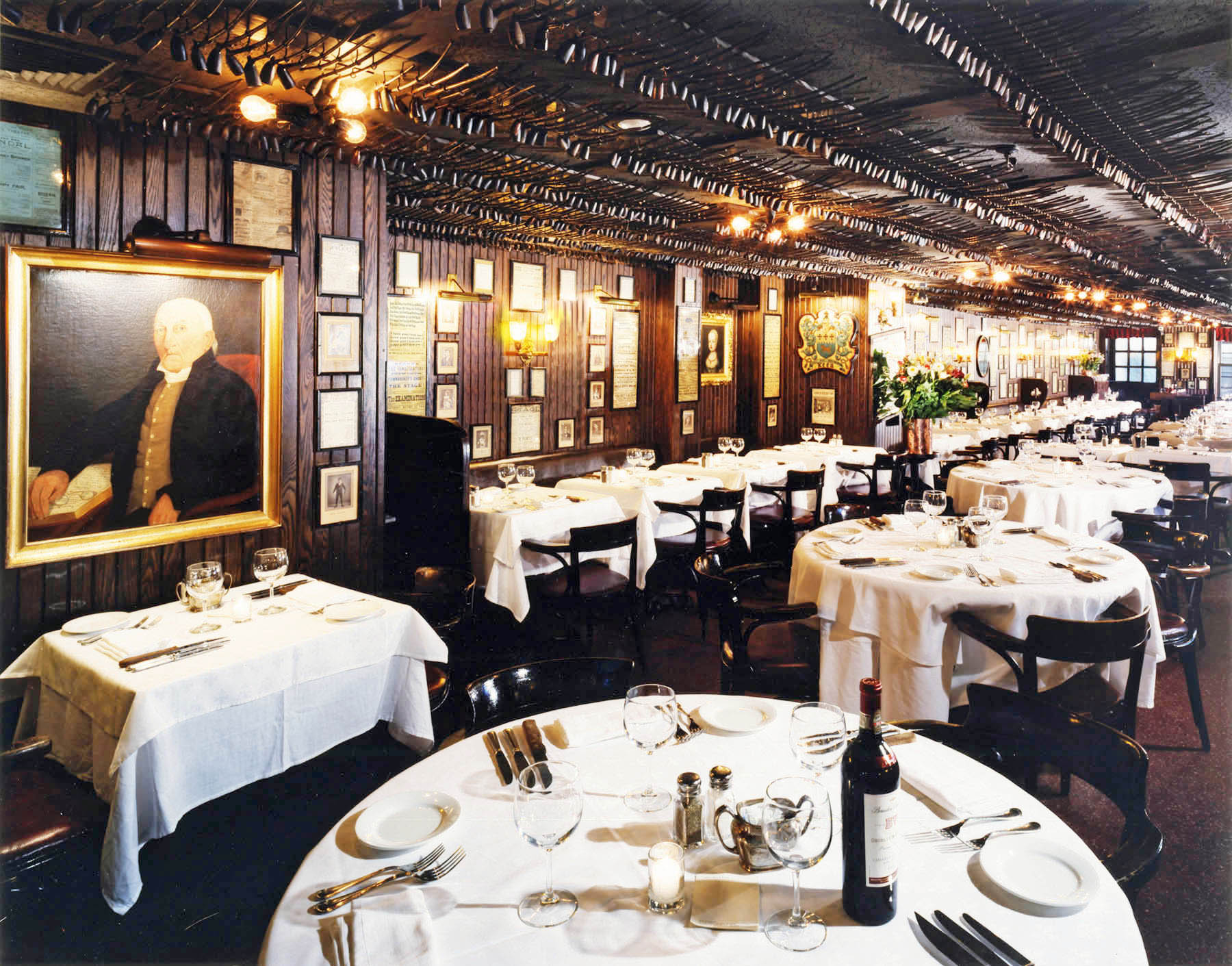
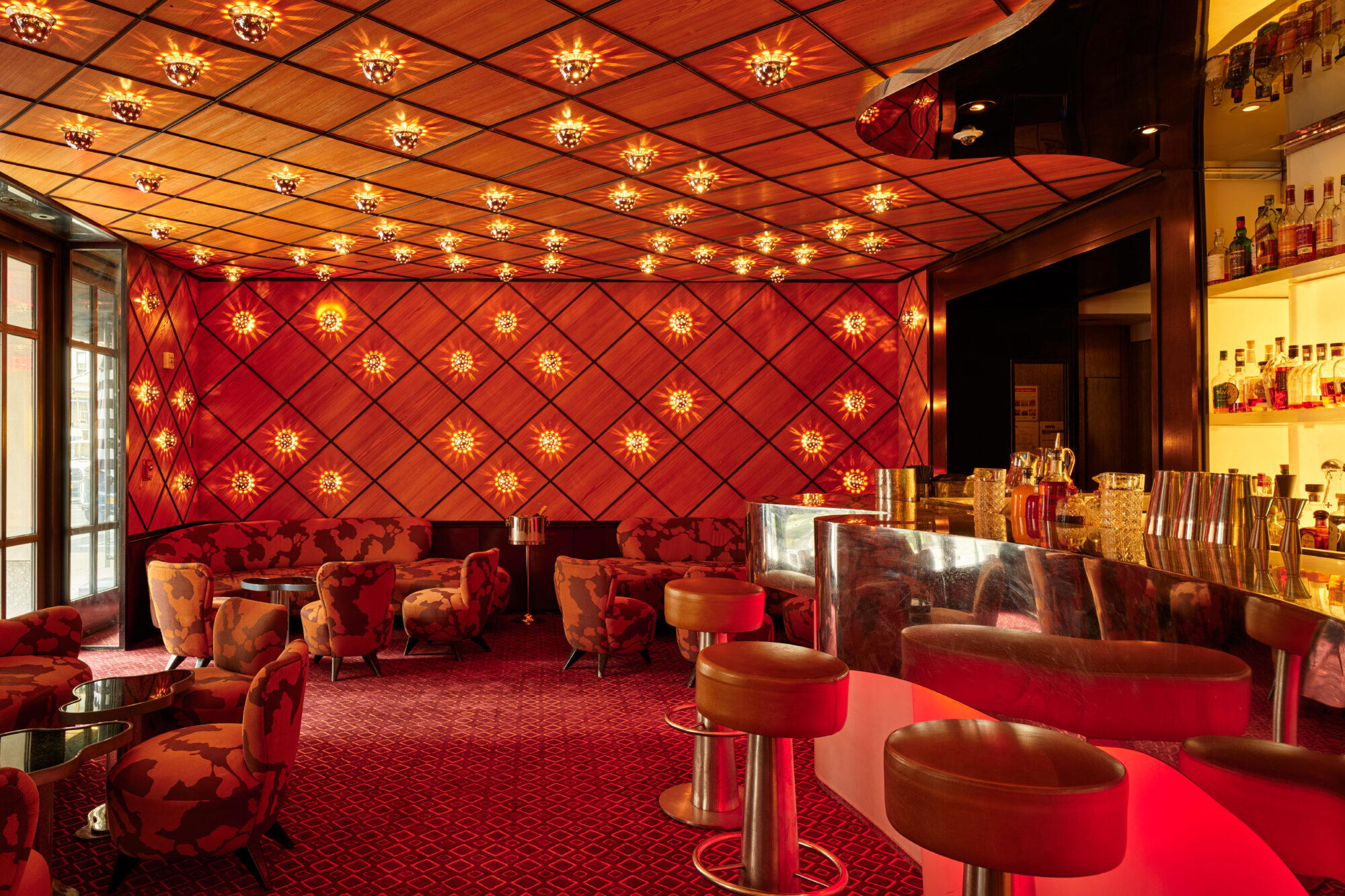
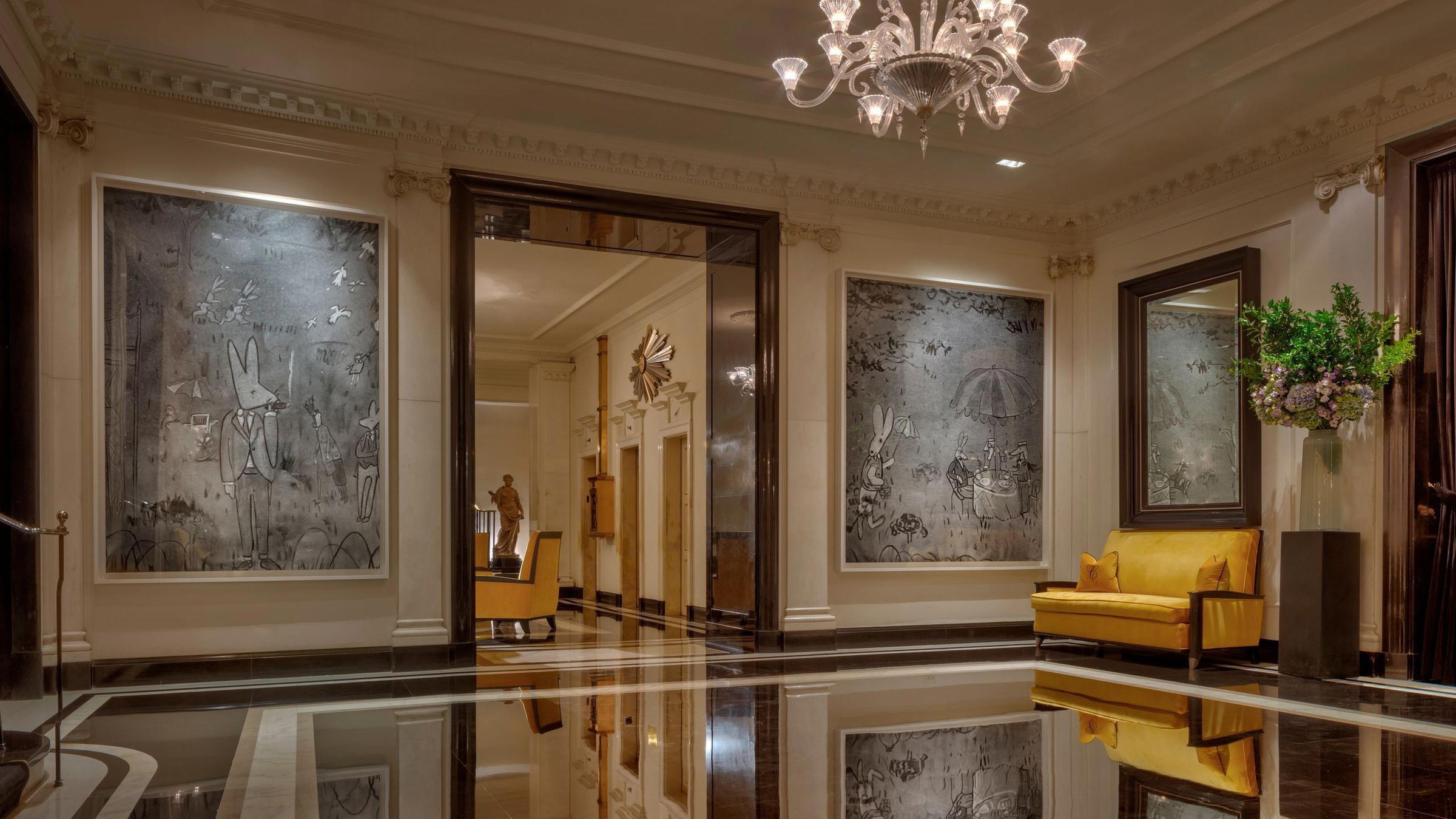
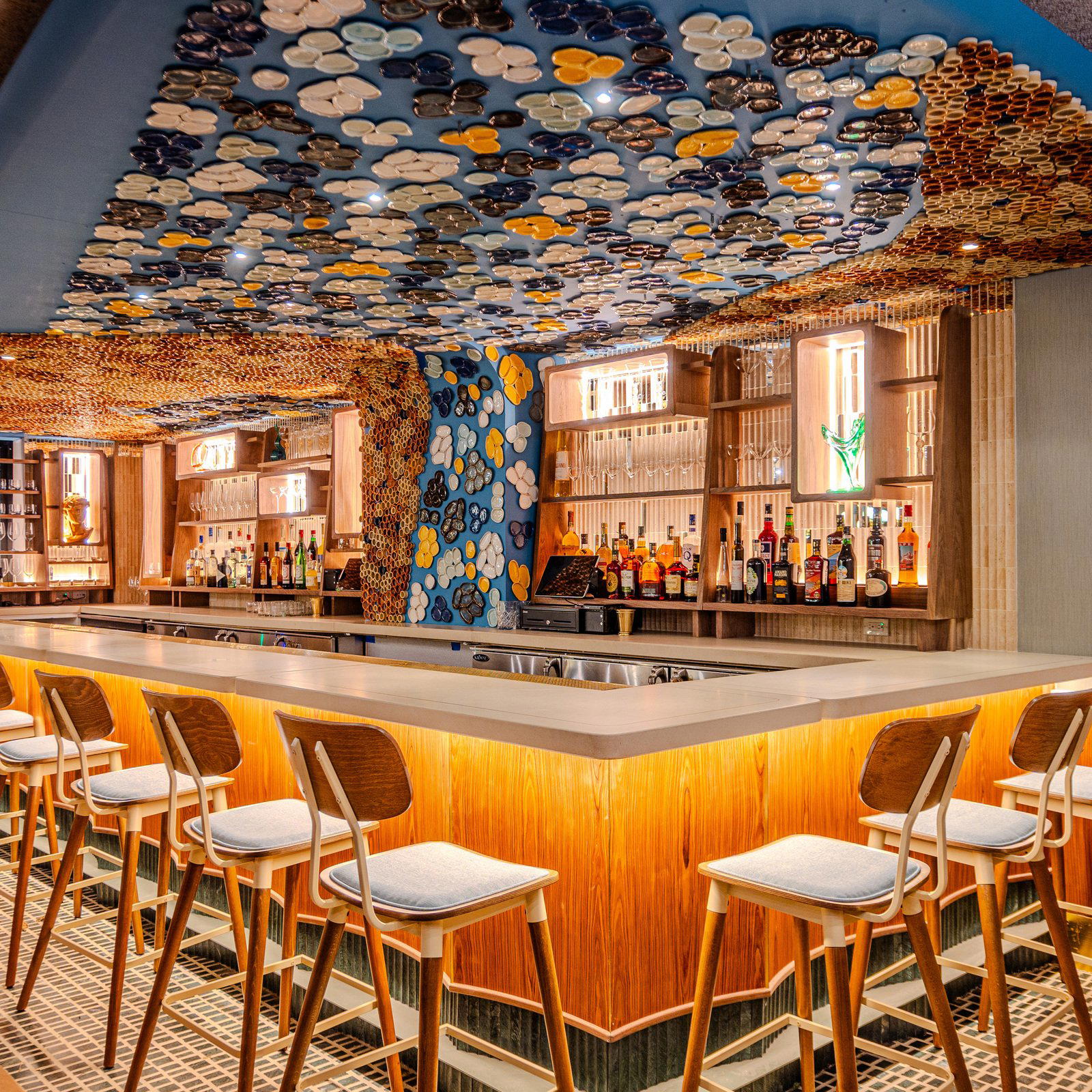
New York's Italian restaurants have long operated under an unwritten rule: the smaller the room, the more serious the kitchen. The trattoria corner table, the cramped West Village counter, the eight-seat pasta bar, intimacy has been the dominant register for Italian dining in this city for decades. Sempre Oggi, at 164 West 75th Street, refuses that convention entirely. The room is cavernous by Manhattan standards, decorated with gold busts that nod to classical Italian aesthetics without tipping into pastiche. For the Upper West Side, a neighbourhood more accustomed to neighbourhood bistros and pre-theatre prix fixe than destination dining, that scale is a deliberate signal.
The $$$$ price positioning places Sempre Oggi in a tier occupied by some of the city's most technically demanding kitchens. The comparison set at that price point in New York includes restaurants like Ai Fiori, where Italian-influenced tasting menus draw on classical French technique, and Babbo, which spent two decades defining what ambitious Italian dining could look like in a city with high expectations and an enormous Italian-American dining culture. Sempre Oggi operates as an à la carte alternative in that company, which narrows the margin for error on individual dishes considerably.
The Provenance Argument on the Plate
Italian cuisine, more than almost any other European tradition, is built around ingredient specificity. The argument for a particular pasta, a particular cured meat, or a particular preparation method is always, ultimately, an argument about source material. At Sempre Oggi, that logic is visible in the structure of the menu, familiar forms given sharper definition through considered sourcing.
The approach is evident in dishes like the fresh calamari served with fresh herbs and crème fraîche, a combination that works only if the squid arrives in good condition, with clean flavour that holds against the acidity and fat of the sauce. This is not a preparation that hides behind complexity. The rigatoni, made in-house, is dressed with crispy guanciale, sautéed onion, and a roasted tomato sauce, a format that traces back to Roman trattoria cooking, where the quality of the pork jowl and the depth of the tomato reduction are the whole point. House-made pasta at this price tier is an expectation, not a differentiator, but it keeps the kitchen accountable to the raw material in a way that dried pasta does not.
For context, this ingredient-forward Italian philosophy connects Sempre Oggi to a broader set of restaurants in New York and beyond. Via Carota in the West Village has built its reputation on precisely this kind of sourcing discipline, using the simplicity of the menu as a test of supplier relationships rather than culinary complexity. Altro Paradiso operates on a similar axis, though with a lighter, more restrained register. Sempre Oggi's version is more exuberant, the room is larger, the presentation more generous, but the underlying logic is consistent: Italian cuisine does not require intervention if the ingredients are right.
Internationally, this philosophy travels well. Restaurants like 8 1/2 Otto e Mezzo Bombana in Hong Kong and cenci in Kyoto have made the case that Italian ingredient discipline exports cleanly across cultures. The commitment to DOP-designated products, artisan suppliers, and preparation methods that amplify rather than transform raw material is not a local novelty, it is the through-line of contemporary serious Italian cooking anywhere in the world.
The Wine Program: Italy as the Anchor
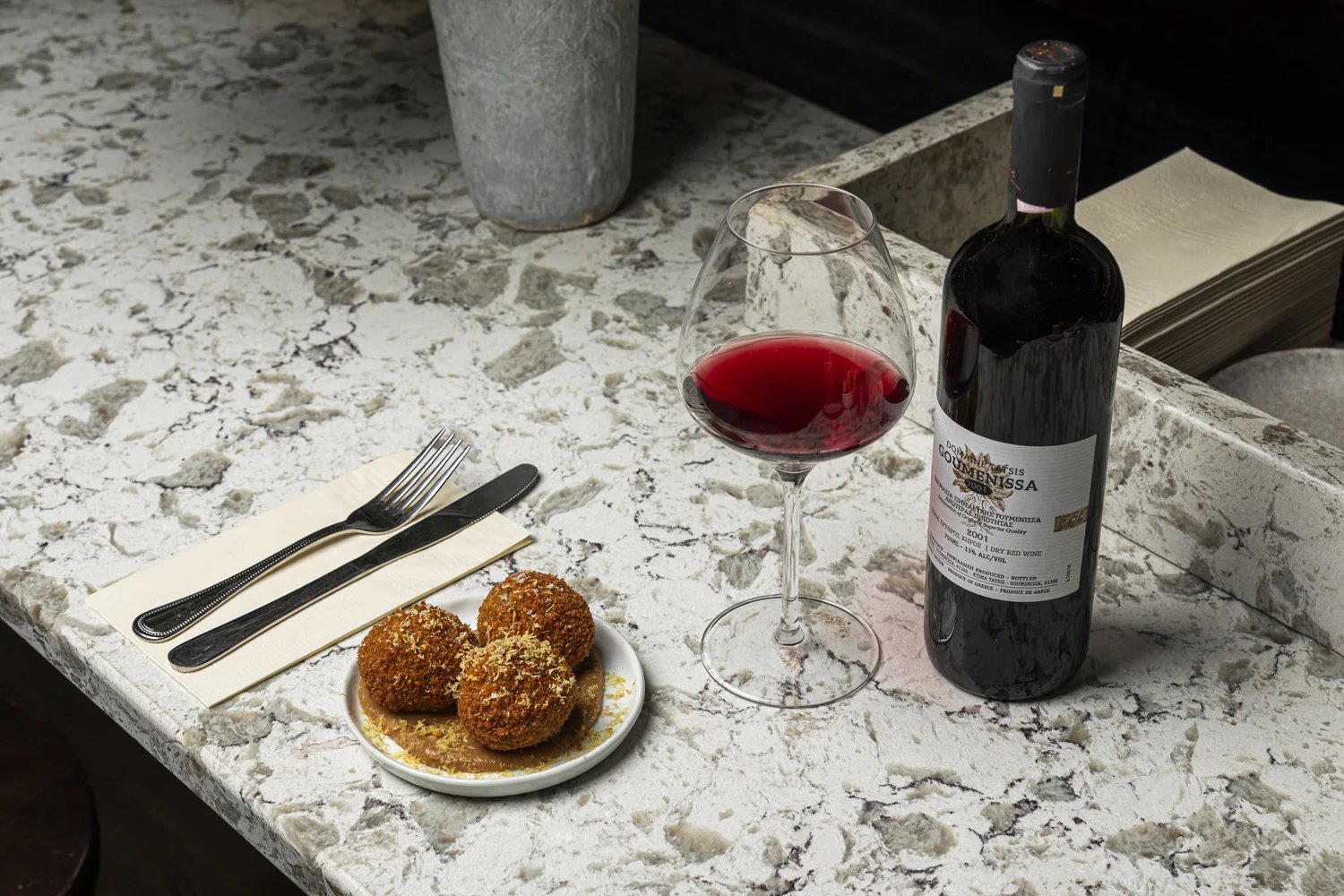
At 145 selections and a reported inventory of 2,420 bottles, the wine list at Sempre Oggi is structured with depth rather than breadth. The pricing tier for the list is listed as moderate ($$), which at a $$$$ restaurant suggests the team has made a deliberate choice not to extract maximum margin from wine, a meaningful signal for guests who plan to drink well across a meal. The corkage fee is set at $50, which is reasonable for the neighbourhood and the price tier.
The Italian strength of the list is the right call for a menu built around Italian sourcing. Pairing guanciale-forward pasta with Aglianico or Barolo is not just a flavour decision; it is an argument about where Italian cuisine sits in the international dining hierarchy, not as a subsidiary of French classicism, but as a tradition with its own internal logic of terroir, aging, and regional specificity. Wine directors Aviram Turgeman and Gabriel Richter are named in the record, which suggests the list is curated with some intentionality rather than assembled by a food-and-beverage manager with other priorities.
For comparison, the broader Italian dining scene in New York includes restaurants where the wine list is as much the point as the food. Ammazzacaffè operates at the bar-forward end of that spectrum. Sempre Oggi's approach places it squarely in the food-led category, with wine as serious support rather than the lead act.
Where Sempre Oggi Sits in the New York Italian Scene
New York has a larger pool of serious Italian restaurants than almost any other city outside Italy itself, and the competition at the top of that pool is meaningful. Restaurants like Babbo have Michelin recognition and decades of critical attention. Ai Fiori occupies a more formal register with wine-focused tasting formats. The casual end of the market is handled by places like Via Carota, where the wait for a table has become its own kind of credential.
Sempre Oggi's position, grand room, à la carte format, ingredient-led Italian menu, Upper West Side address, is distinct from all of those. The neighbourhood matters: the Upper West Side has traditionally underperformed relative to the Village, Midtown, and the East Side for destination dining. A restaurant of this scale and ambition at that address either reflects confidence in the local market or a deliberate bet that the neighbourhood is ready for a step up.
For readers planning a broader New York dinner itinerary, see our full New York City restaurants guide, as well as guides covering hotels, bars, wineries, and experiences across the city. For American fine dining beyond New York, reference points include Emeril's in New Orleans, Lazy Bear in San Francisco, Alinea in Chicago, The French Laundry in Napa, Single Thread Farm in Healdsburg, and Providence in Los Angeles.
Planning Your Visit
Address: 164 West 75th Street, New York, NY 10023. Cuisine: Italian, dinner service. Budget: Food pricing falls in the $40–$65 range for a two-course meal; the overall experience prices at $$$$, reflecting wine, service, and the full table spend. Wine: 145 selections with Italian strengths; corkage fee $50. Reservations: Dress: No confirmed dress code, though the scale and price tier of the room suggests smart casual as a baseline.
Frequently asked questions
What's the cuisine at Sempre Oggi?
What does dinner at Sempre Oggi typically cost?
Pricing at Sempre Oggi is listed as $$$$.
What awards or recognition does Sempre Oggi have?
Sempre Oggi has received recognition including: From its apartments to its restaurants, New York is well known for its diminutive spaces. And then there's Sempre Oggi. This Upper West Side spot is the exact opposite. Cavernous and contemporary with gold busts enhancing the space, it's It….
What's the signature dish at Sempre Oggi?
The rigatoni is the dish most closely tied to the kitchen's identity: house-made pasta with crispy guanciale, sautéed onion, and roasted tomato sauce. It follows the Roman tradition of building a pasta around cured pork fat and a restrained tomato base, without embellishment. Chef Nick Griffo keeps the construction tight, which is the point.
At a Glance
| Venue | Cuisine | Price | Awards | Notes |
|---|---|---|---|---|
| Sempre OggiThis venue (the venue you are viewing) | Hyper-Seasonal Sicilian Italian | $50–100 | Michelin Plate · Wine Spectator Award of Excellence | Not listed |
| Le Bernardin | French Seafood Fine Dining | $300–500 | 3 Michelin Stars · World's 50 Best #13 | French, Seafood |
| Atomix | Modern Korean Tasting Menu | $300–500 | 2 Michelin Stars · World's 50 Best #7 | Modern Korean, Korean |
| Masa | Seasonal Hokkaido Tempura Omakase | $150–200 | Tabelog 100 #34 | Sushi, Japanese |
| Per Se | French Fine Dining Tasting Menu | $300–500 | 3 Michelin Stars · World's 50 Best #40 | French, Contemporary |
| Eleven Madison Park | Contemporary Plant-Based Fine Dining | $300–500 | 3 Michelin Stars · World's 50 Best #4 | French, Vegan |
Recognition history
Dated appearances from independent guides and award organizations, with the underlying list record or original source where available.
Michelin Plate
Michelin
Wine Spectator Award of Excellence
Wine Spectator
Full recognition history (3 entries)
Wine Spectator Award of Excellence
Wine Spectator