Marvin
Our verdict
Marvin sits within Los Angeles's competitive fine-dining tier, where the interplay between kitchen, floor, and cellar defines the experience as much as any single dish. The restaurant draws comparison to peers like Kato and Hayato in a city increasingly shaped by collaborative, precision-led service teams. For visitors already mapping the upper end of the LA dining scene, it warrants attention alongside the city's most considered rooms.

Pearl is the En Primeur Club membership app, where members save venues, book tables and use the concierge.
Where the Room Does the Work First
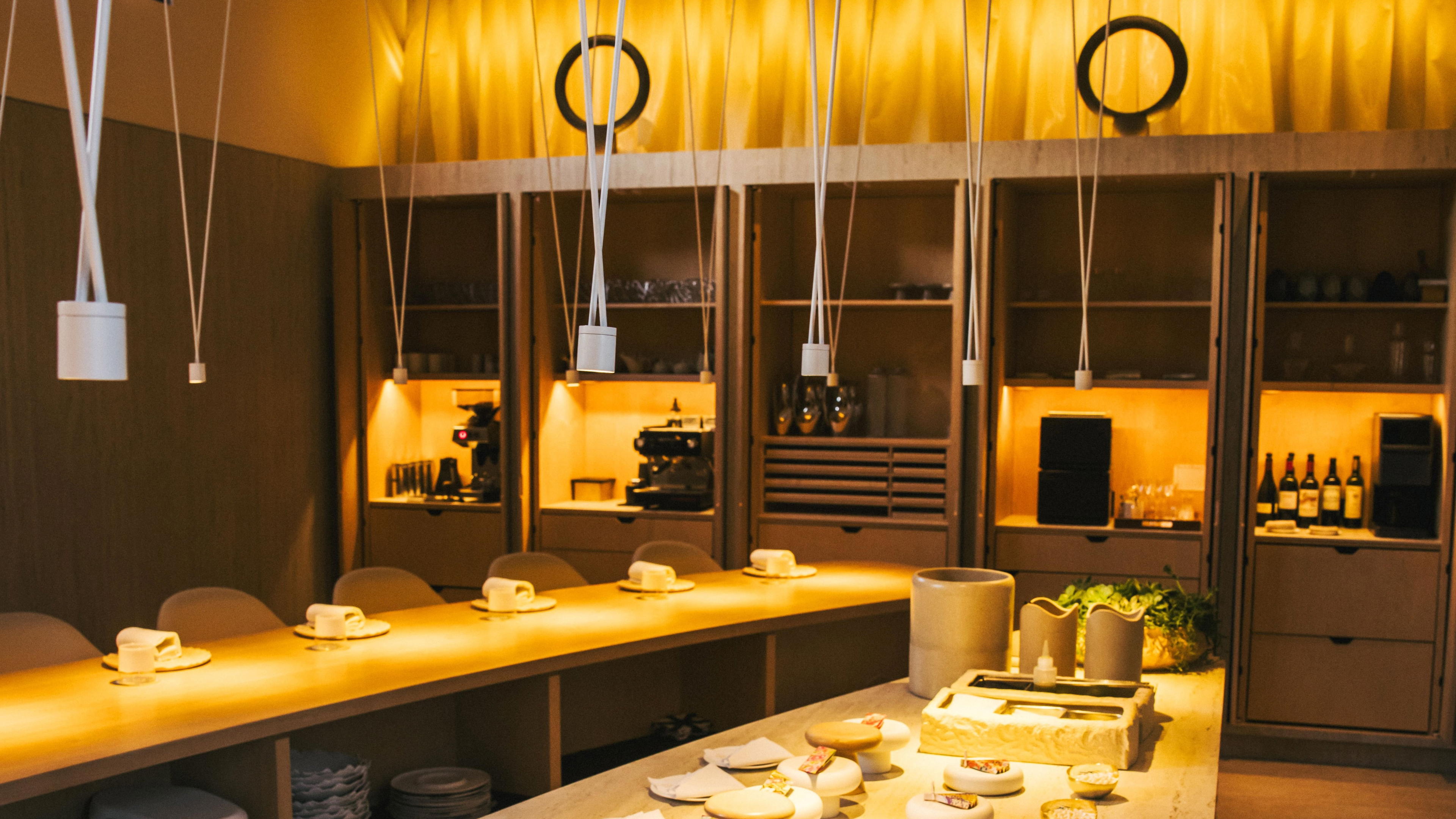
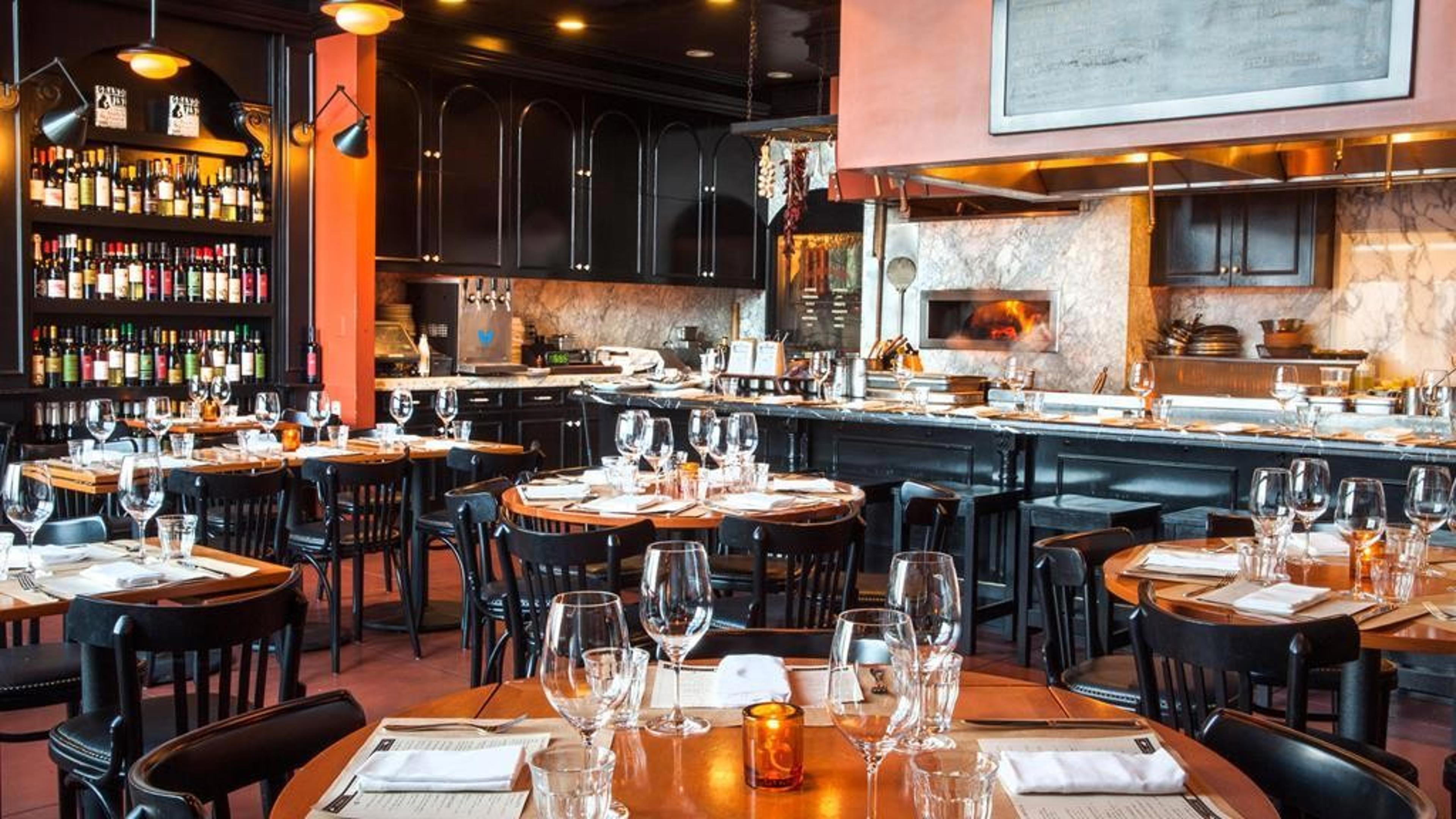
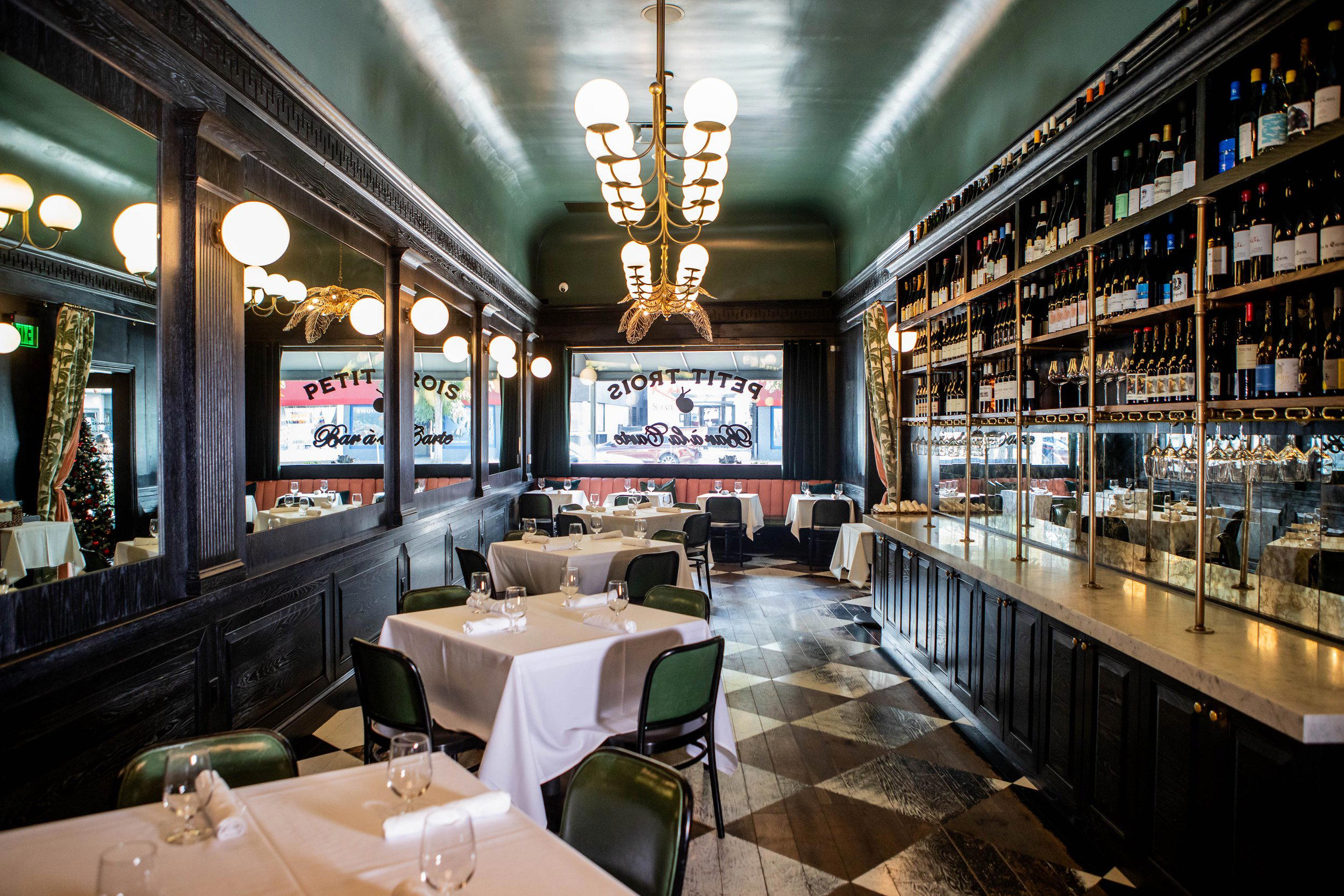
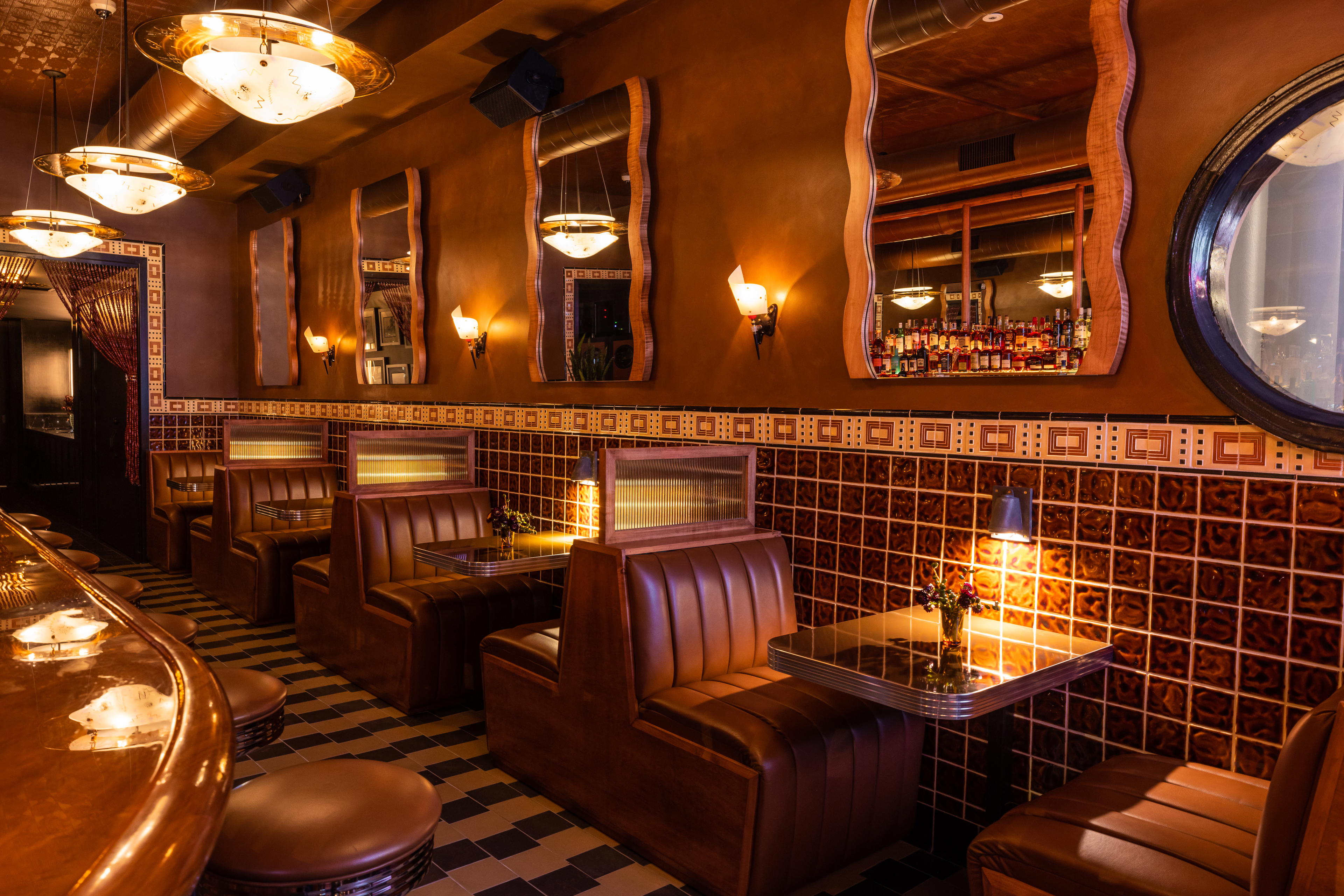
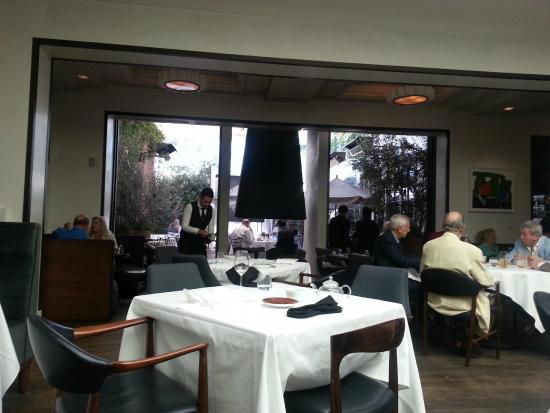
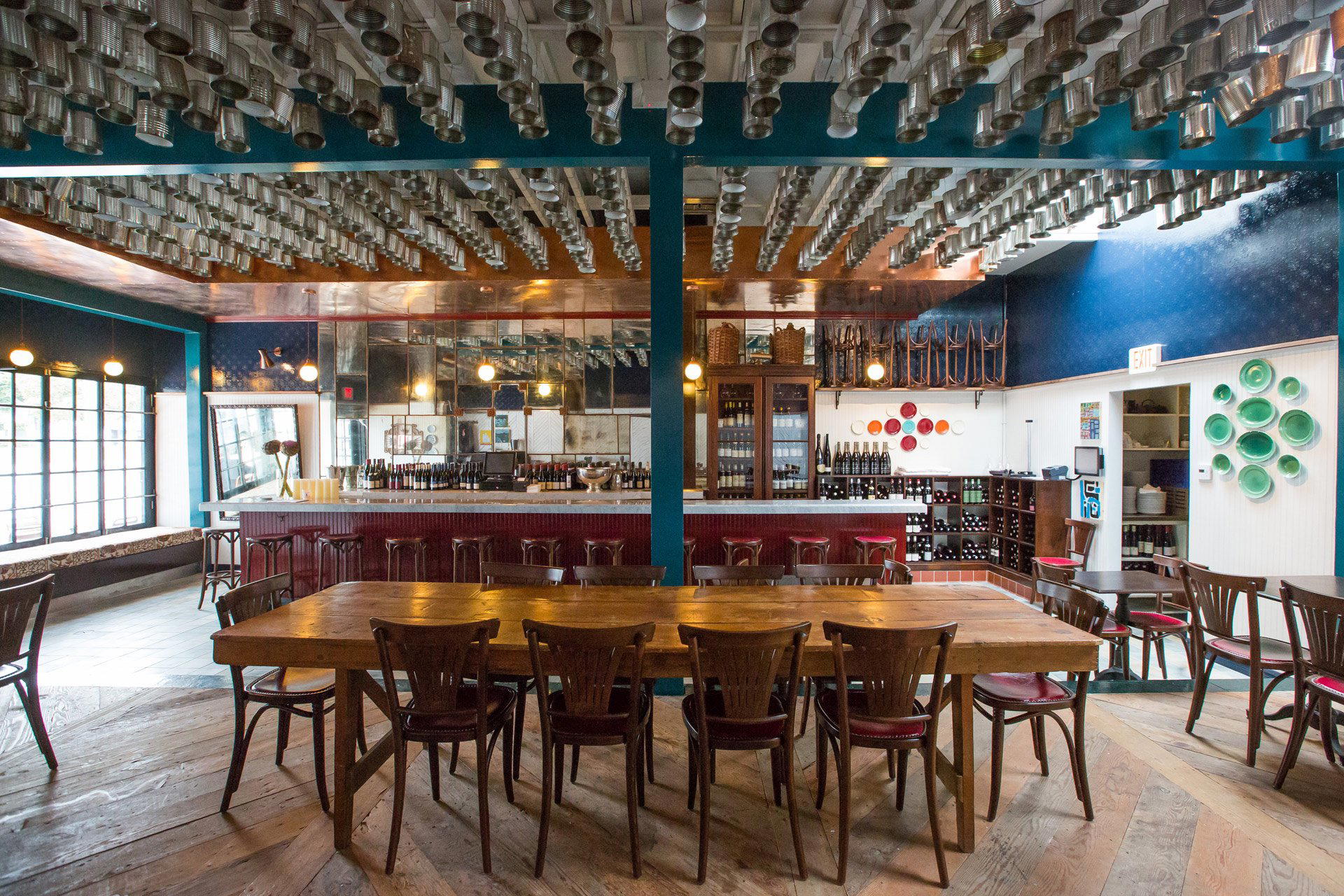
Los Angeles has spent the better part of a decade sorting its fine-dining tier into two distinct modes: spectacle-driven spaces that announce themselves loudly, and quieter rooms where the quality of service coordination tells you more than the design. Marvin belongs to the second category. Before a dish arrives, the atmosphere in a room like this communicates something about intent: the pace of how a table is approached, whether the sommelier and the server are working from the same read of the guests, whether the front-of-house has internalized the kitchen's logic rather than just memorized its output. These signals matter in a city where restaurants at this level compete as much on experience architecture as on what ends up on the plate.
That architecture, in the better LA rooms, is increasingly built around team coherence rather than a single dominant personality. Venues like Kato and Hayato have demonstrated that the most disciplined experiences in the city emerge from a tight alignment between what the kitchen produces and how the floor interprets it to guests. Marvin operates within that same expectation set.
The Collaborative Layer: Kitchen, Cellar, Floor
In contemporary fine dining, the division between back-of-house and front-of-house has become less a boundary and more a bandwidth. The restaurants that sustain recognition across years rather than seasons tend to be the ones where the sommelier's pacing mirrors the kitchen's rhythm, where the floor team can articulate why a dish appears when it does without reciting a script. This is harder to achieve than it sounds, and it is the variable most likely to separate a good meal from a memorable one at any comparable price tier.
Los Angeles has produced several rooms that manage this well. Somni built its reputation in part on exactly this kind of integration, where the progressive format required every member of the team to function as an extension of the kitchen's reasoning. Providence, operating at the upper end of the city's seafood-forward fine dining, has maintained its Michelin standing for years through service discipline as much as through cooking.
Nationally, the restaurants that have built the most durable reputations share this characteristic. Alinea in Chicago and Le Bernardin in New York have both sustained decades of recognition precisely because their floor programs function as a formal discipline, not an afterthought. Single Thread Farm in Healdsburg takes the integration further, with a hospitality model that treats the service team as part of the creative output. These are the benchmarks against which a serious room in Los Angeles is now implicitly measured.
Where Marvin Sits in the Los Angeles Dining Map
The upper tier of Los Angeles dining has expanded and sharpened since roughly 2018. The city's fine-dining scene now spans a range of formats, from the tightly controlled omakase model at Hayato to the ingredient-driven New American approach at venues with strong farm relationships. Osteria Mozza anchors the Italian end of the high-end casual spectrum, while Camphor's French-Asian framework has added a different register to the city's formal dining options.
Marvin positions within this field at a price point and format that places it in direct conversation with rooms like Kato and Hayato, venues operating at the $$$$ tier where the expectation is for a complete experience, not just skilled cooking. In this bracket, the wine program's ambition matters as much as its length. A sommelier who can move between Old World references and California producers, adjusting to a table's cues, is a meaningful differentiator. So is a floor team that can handle dietary requests, pacing shifts, and language differences without the experience becoming mechanical.
For context beyond Los Angeles, the pattern holds at Lazy Bear in San Francisco, where the communal format demands an unusually high level of floor coordination, and at Addison in San Diego, where service formality operates closer to a European model than most California venues attempt. Even outside the West Coast, rooms like Blue Hill at Stone Barns, The Inn at Little Washington, Bacchanalia in Atlanta, and Atomix in New York have built their identities substantially on the quality of the space between kitchen and guest. The French Laundry remains the clearest California benchmark for what sustained service discipline looks like over decades.
Internationally, the standard set by venues like 8½ Otto e Mezzo Bombana in Hong Kong demonstrates that team coherence at the highest level is not a regional phenomenon but a consistent marker of durable recognition. Emeril's in New Orleans, a different format entirely, built decades of relevance partly on a floor culture that extended the kitchen's hospitality logic outward.
Reading the Room Before Booking
For visitors building a Los Angeles dining itinerary at the upper end, the question is less whether a room has a strong kitchen and more whether the full experience is calibrated to justify the commitment. In a city with as many serious options as LA now has, the differentiator is increasingly the team that surrounds the cooking. See our full Los Angeles restaurants guide for a broader map of the city's current fine-dining field, including how venues across different cuisine types and formats compare at the $$$$ tier.
Within that frame, Marvin warrants consideration from anyone whose dining priorities extend past the plate to include the quality of the conversation, the intelligence of the wine pairing, and the degree to which a service team has absorbed rather than merely presented the kitchen's work.
Planning Your Visit
Reservations: Confirm current booking availability directly through the venue's official channels, as release schedules and lead times vary at this price tier in Los Angeles. Dress: Smart casual is the floor standard at comparable LA rooms in this bracket; confirm current expectations when booking. Budget: At the $$$$ tier in Los Angeles, expect per-head spend inclusive of beverage pairings to align with peer venues like Kato and Hayato. Timing: Los Angeles fine dining at this level typically operates on a dinner-only or limited-lunch schedule; verify current service hours before visiting.
Frequently asked questions
How does Marvin compare to other fine-dining restaurants in Los Angeles?
Los Angeles's upper dining tier has sharpened considerably since around 2018, with the city now supporting a range of formats from chef-counter omakase to large-format tasting room experiences. Marvin is positioned within that tier as a venue where the physical room and collaborative kitchen-floor model are as central to the experience as the food itself, a distinction that separates it from kitchens that lead purely on technique or produce sourcing. For travellers building a Los Angeles itinerary at this level, it warrants consideration alongside the city's other room-led dining destinations.
What dish is Marvin famous for?
Based on the editorial context, the kitchen's output is closely integrated with the front-of-house program, suggesting the menu is designed to shift with the room's rhythm rather than anchor to a single centrepiece dish.
What's the best way to book Marvin?
check the venue's official channels through its official channels, as reservation release schedules and lead times at this level of the Los Angeles dining market vary and can move quickly. For restaurants operating in LA's upper fine-dining tier, booking several weeks in advance is standard practice. No third-party booking link is currently confirmed for Marvin.
What's the standout thing about Marvin?
The editorial framing around Marvin centres on the integration of room design, kitchen output, and floor service as a single coordinated experience rather than separate departments. In a Los Angeles fine-dining scene that has bifurcated into spectacle-driven rooms and technique-forward kitchens, Marvin appears to operate where both converge. That coherence between physical space and culinary intent is the recurring theme in how the venue is positioned.
How does Marvin handle allergies?
At the upper tier of Los Angeles dining, it is standard to communicate dietary requirements at the time of booking rather than on the night. check the venue's official channels before your reservation to confirm what can be accommodated.
Is Marvin overpriced or worth every penny?
Within Los Angeles's upper fine-dining tier, where tasting menus regularly run from $150 to $350 per person before wine, the relevant question is whether the room, floor, and kitchen operate as a unified whole, and the editorial position on Marvin suggests they do. Verify current pricing directly with the venue.
Compact Comparison
Comparable venues nearby, for context on price, style, and recognition.
| Venue | Cuisine | Price | Notes |
|---|---|---|---|
| MarvinThis venue (the venue you are viewing) | French-American Bistro | $30–50 | Not listed |
| Taix French Restaurant | French | Not listed | Echo Park, Classic French Country Cuisine |
| Kendall's Brasserie | Modern French Brasserie | $50–100 | Civic Center, Modern French Brasserie |
| Men & Beasts | Modern Plant-Based Chinese | Not listed | Echo Park, Modern Plant-Based Chinese |
| A Food Affair | Classic French Bistro | $50–100 | South Robertson, Classic French Bistro |
| Shin | Authentic Japanese Ramen & Sushi | $20–30 | Hollywood, Authentic Japanese Ramen & Sushi |