A Food Affair
Our verdict
A Food Affair occupies a quietly persistent address on Robertson Boulevard in West LA, a stretch that rewards those who pay attention to what the neighborhood actually eats rather than what it performs. Cuisine details remain tightly held, but the address places it squarely inside one of Los Angeles's most food-literate corridors, drawing a local crowd that tends to return rather than photograph and move on.

Pearl is the En Primeur Club membership app, where members save venues, book tables and use the concierge.

The menu
What to order
- Bouillabaisse
- Boeuf Bourguignon
- Duck Confit
Robertson Boulevard and the Food That Stays
West Los Angeles has a particular relationship with the restaurants that don't broadcast themselves. Robertson Boulevard runs through a zone where fashion retail, design showrooms, and residential blocks share sidewalks, and the dining that takes hold here tends to serve people who live nearby and eat seriously. A Food Affair at 1515 S Robertson Blvd sits inside that pattern: a fixed address, a name that signals intention rather than concept, and a local presence built on return visits rather than opening-week press.
The sourcing culture that now defines serious Los Angeles cooking took decades to consolidate. The city's proximity to Central Valley agriculture, Baja California seafood, and Southern California's year-round growing season gives chefs here a material advantage that their counterparts in, say, Chicago or New York must compensate for through logistics. At Alinea in Chicago, the intellectual framework carries the menu through seasons when local produce simply cannot compete. In Los Angeles, the produce can carry itself, and the kitchens that understand this tend to build menus around what arrives rather than what was planned.
The Ingredient Logic of the West Side
The Robertson corridor sits close enough to the Beverly Grove farmers' market circuit and the wholesale distribution routes from the LA Produce Market that ingredient-driven kitchens in this zone have genuine supply-chain advantages over equivalent operations in more touristic parts of the city. This matters in practice: restaurants working with shorter supply chains can respond to what's available that week rather than committing to printed menus months in advance.
Across Los Angeles's upper-middle dining tier, this sourcing flexibility has become a distinguishing factor. Kato, operating at the top of the city's New Taiwanese register, built its reputation in part on a kitchen that treats ingredient provenance as structural rather than decorative. Hayato in the Arts District applies Japanese kaiseki precision to California-sourced product, creating a dialogue between technique and terroir that wouldn't function the same way anywhere else. What these restaurants share is a willingness to let the sourcing shape the format, rather than fitting local ingredients into imported frameworks.
A Food Affair's positioning on Robertson suggests a similar orientation toward the neighborhood it feeds, though the operational specifics remain sparse in the public record. What the address communicates is consistency: restaurants that hold a fixed location in this part of West LA through market cycles tend to do so because the immediate community keeps coming back.
Los Angeles's Broader Ingredient-Forward Tier
Understanding where A Food Affair sits requires mapping the city's sourcing-conscious dining more broadly. At the leading, Providence operates in the Contemporary Seafood register with supply chains that reach to day-boat fishermen and specialist foragers; the two Michelin stars reflect a level of sourcing discipline that sets a standard for the city's seafood-forward kitchens. Somni approaches ingredient selection through a molecular lens, where sourcing specificity is embedded in the technique rather than foregrounded in the menu language.
Further afield, the ingredient-first conversation extends to properties like Single Thread Farm in Healdsburg, where the farm-to-table relationship is literal and the menu changes with what the property's own land produces. Blue Hill at Stone Barns in Tarrytown has made agricultural sourcing the explicit subject of the dining experience, treating the plate as an argument about land use. These are reference points for what sourcing-led dining looks like when it becomes the entire editorial premise of a restaurant.
Los Angeles's version of this conversation is less polemical. The city's food culture tends toward incorporation rather than manifesto: ingredients from the surrounding region appear on menus because they're good and available, not necessarily because the kitchen is making a philosophical statement about them. Osteria Mozza demonstrates this well, working Italian-American cuisine through California product without turning sourcing into the point of the meal.
Context From Comparable Cities
The Robertson neighborhood's dining character has parallels in other American cities where a residential professional class supports ingredient-driven restaurants without requiring the full apparatus of fine dining. Lazy Bear in San Francisco built a devoted audience for its communal-table format in a similar urban-residential zone. Bacchanalia in Atlanta has held its position as that city's sourcing-forward anchor for decades, demonstrating that ingredient-led kitchens in residential neighborhoods can outlast trend cycles when the local community treats them as genuinely useful rather than aspirational.
Internationally, the sourcing conversation reads differently. 8½ Otto e Mezzo Bombana in Hong Kong must import virtually everything that defines its Italian identity; the sourcing challenge is one of fidelity across distance. Los Angeles restaurants face no comparable constraint, which is part of why the city's sourcing-conscious tier can operate at price points that don't require the full tasting-menu format to justify themselves.
The Robertson Address in Practice
1515 S Robertson Blvd places A Food Affair in a walkable block accessible from the Beverly Hills adjacency to the north and the Culver City dining corridor to the south. The address is served by surface streets rather than freeway access, which shapes who comes: the clientele skews neighborhood-local, which in this part of West LA means a food-literate, regularly dining audience rather than a special-occasion crowd traveling across the city.
For visitors arriving from further afield, Robertson is a twenty-minute drive from downtown in off-peak traffic, though LA's traffic variability makes taxi or rideshare the more predictable option. The 90035 zip code places the restaurant in the Beverlywood-adjacent area, which lacks the tourist infrastructure of nearby Beverly Hills but has a dense enough residential population to support restaurants that don't depend on walk-in foot traffic.
For a fuller map of where A Food Affair sits within the city's dining tiers, see our full Los Angeles restaurants guide, which covers the city's cuisine categories, price bands, and neighborhood patterns across both the Westside and the broader metropolitan area.
Planning Your Visit
Address: 1515 S Robertson Blvd, Los Angeles, CA 90035. Reservations: Budget: Price range is not confirmed; expect West Side LA mid-range norms as a working assumption until verified. Getting There: Surface street access from Robertson Blvd; rideshare recommended given LA parking variability. Ideal time to visit: Los Angeles's year-round growing season means no strong seasonal argument for a particular month, though produce quality peaks in late spring and early autumn across most of the surrounding region's key growing zones.
Frequently asked questions
What should I order at A Food Affair?
As a general orientation: the Robertson Boulevard corridor supports restaurants whose menus respond to ingredient availability rather than fixed formats, which means the most current version of the menu is the most reliable guide.
Is A Food Affair reservation-only?
In West Los Angeles's mid-to-upper dining tier, particularly for restaurants with a consistent local following, advance contact is the prudent approach regardless of formal reservation requirements. Comparable neighborhood-anchored restaurants in cities like San Francisco (Lazy Bear) and New York (Atomix) operate with structured booking; LA's equivalent tier varies widely by format and seat count.
What's the signature at A Food Affair?
The name suggests a kitchen with a defined point of view on hospitality and occasion rather than a single-format operation, but specific dish details should be verified with the restaurant directly. For comparable ingredient-driven cooking with confirmed signature dishes and award credentials in Los Angeles, Providence and Hayato are well-documented reference points.
Can A Food Affair handle vegetarian requests?
Vegetarian handling varies significantly across Los Angeles kitchens: ingredient-forward restaurants in the city generally have strong vegetable sourcing by default, but whether a kitchen can build a complete vegetarian experience depends on the format. Contacting the venue directly before booking is the reliable path; the 90035 address places it in a neighborhood with high baseline expectations for dietary flexibility.
How does A Food Affair compare to other West LA neighborhood restaurants in its category?
Restaurants in this corridor tend to survive on repeat business from a food-literate residential base, which typically produces tighter, more ingredient-responsive menus than venues built around tourist traffic. For the broader category context across Los Angeles, our full Los Angeles restaurants guide maps the city's dining tiers with confirmed data.
Budget Reality Check
| Venue | Cuisine | Price | Awards | Notes |
|---|---|---|---|---|
| A Food AffairThis venue (the venue you are viewing) | Classic French Bistro | $50–100 | Not listed | Not listed |
| Kato | Modern Taiwanese Fine Dining | $300–500 | 2 Michelin Stars · World's 50 Best #49 | New Taiwanese, Asian |
| Hayato | Traditional Japanese Kaiseki | $300–500 | 2 Michelin Stars · La Liste Top Restaurants | Japanese |
| Vespertine | Avant-Garde Tasting Menu | $200–300 | 2 Michelin Stars · La Liste Top Restaurants | Progressive, Contemporary |
| Camphor | Modern French with Southeast Asian influences | $150–200 | Michelin Plate · World Best Burgers World's 101 Best Burgers #15 | French-Asian, French |
| Gwen | Contemporary American Steakhouse | $50–100 | Michelin Plate · Wine Spectator Best of Award of Excellence | New American, Steakhouse |
Continue exploring
More in Los Angeles
Restaurants in Los Angeles
All restaurants in Los Angeles →
Bars in Los Angeles
All bars in Los Angeles →

Hotels in Los Angeles
All hotels in Los Angeles →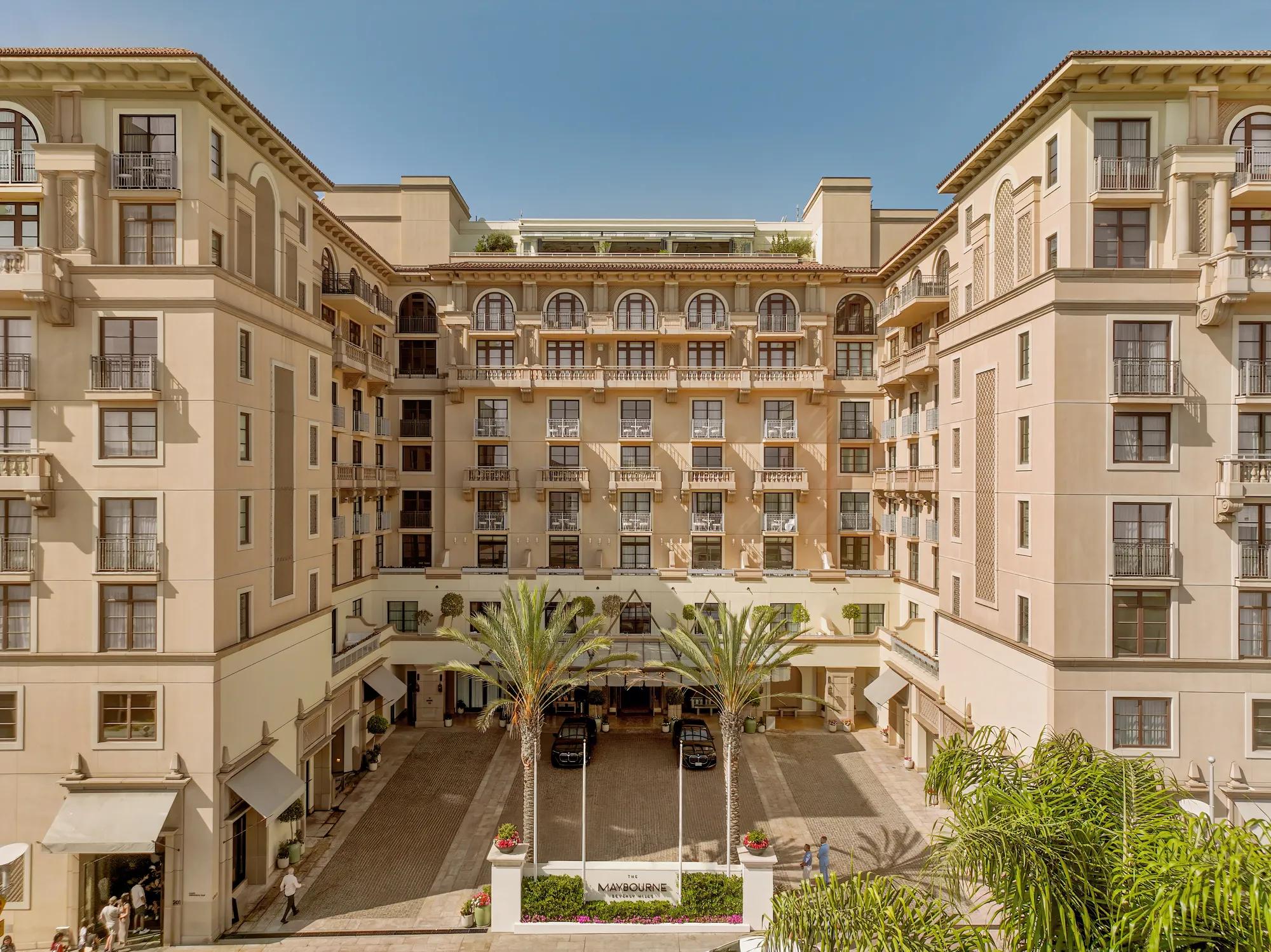
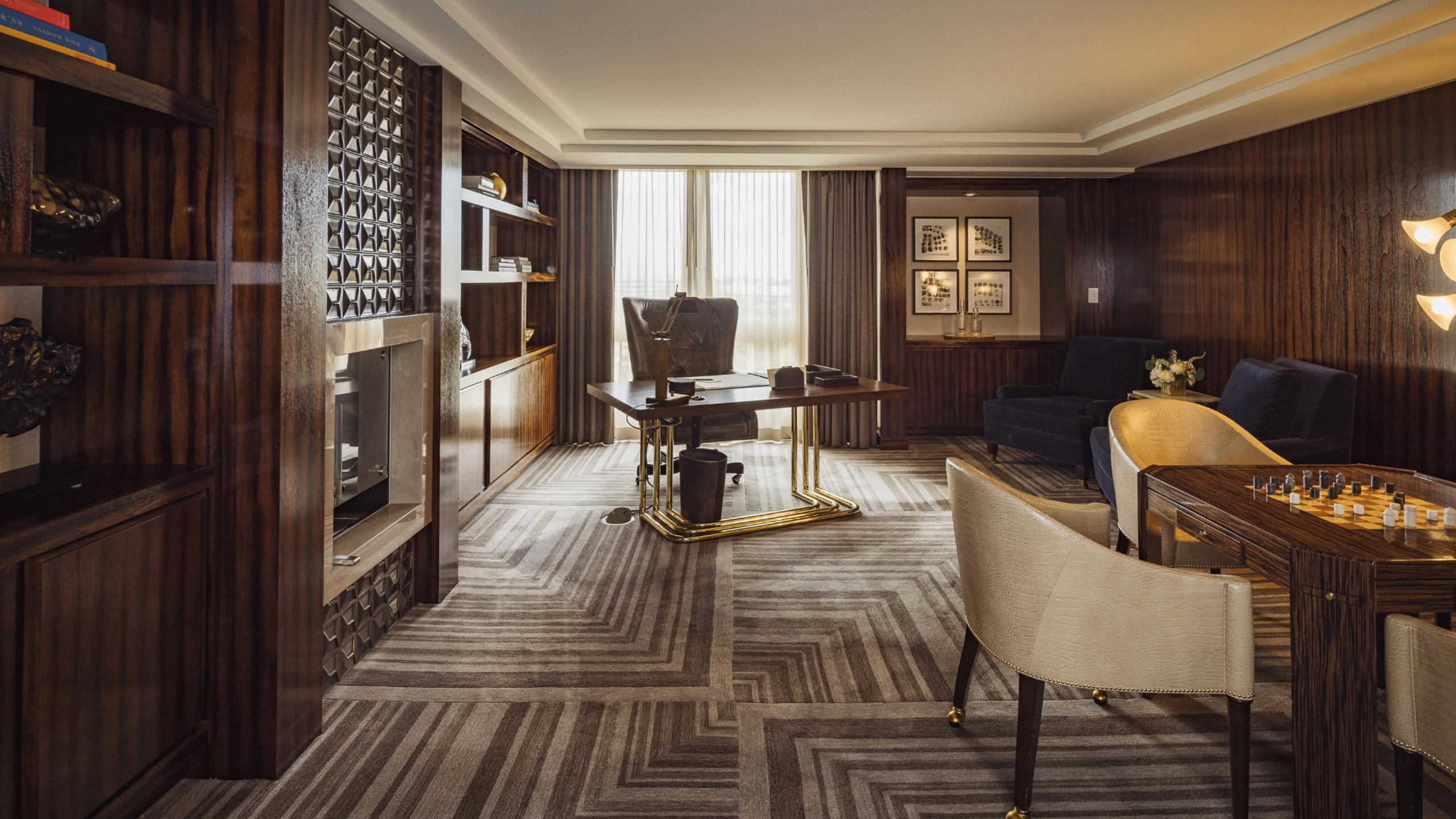
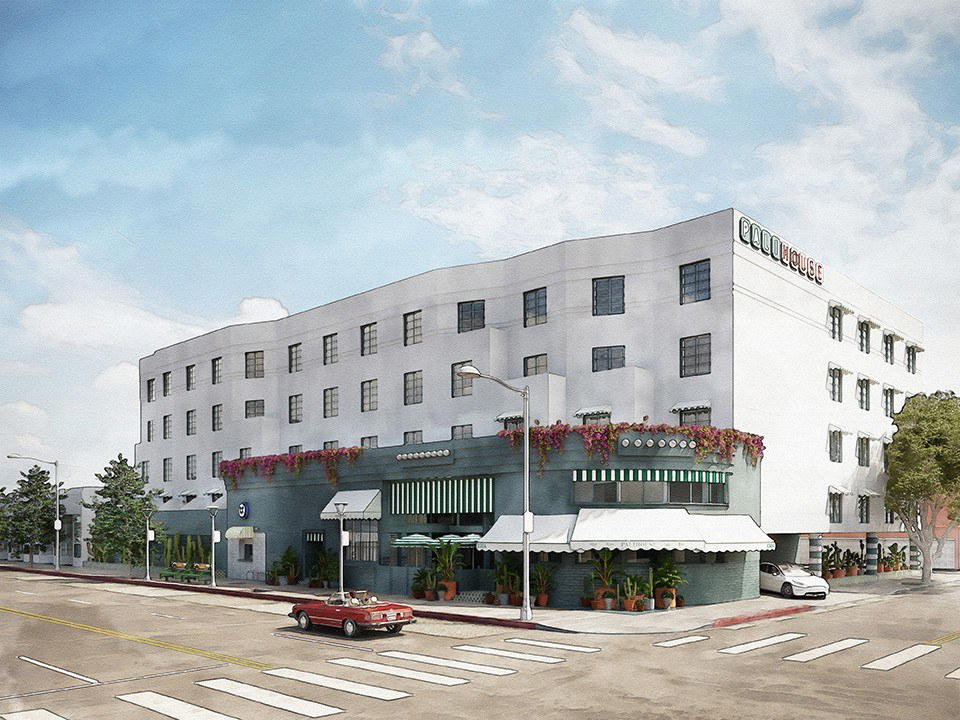
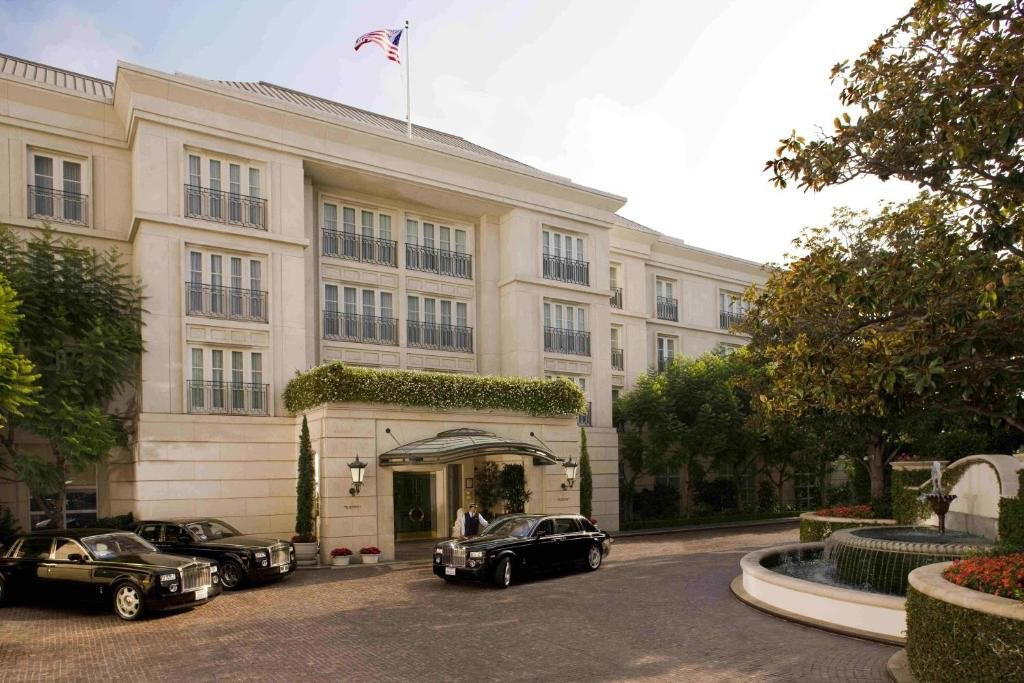
Wineries in Los Angeles
All wineries in Los Angeles →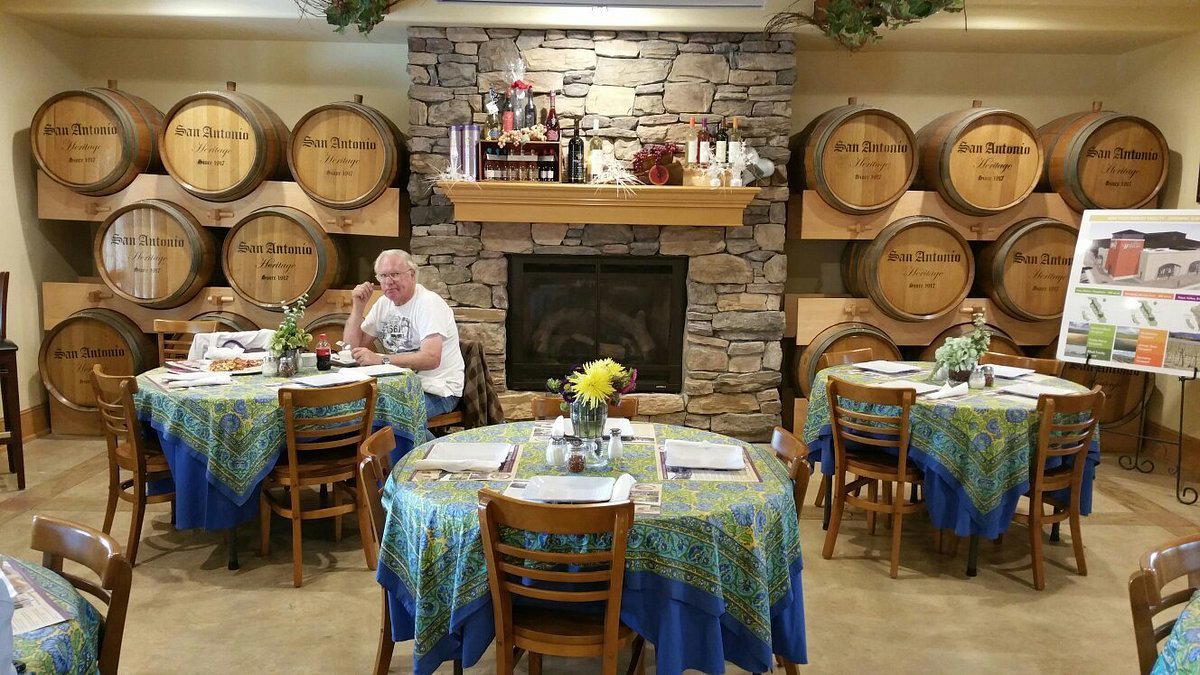

Details
- Romantic
- Cozy
- Elegant
- Intimate
- Date Night
- Group Dining
- Private Dining
- Craft Cocktails
- Local Sourcing
- Organic
- A La Carte
- Vegetarian Friendly
- Allergy Accommodating
Current opening hours
- Monday
- Closed
- Tuesday
- 5–9 PM
- Wednesday
- 5–9 PM
- Thursday
- 5–9 PM
- Friday
- 5–9:30 PM
- Saturday
- 5–9:30 PM
- Sunday
- 5–9 PM
Hours can change for holidays and private events. Hours as of .
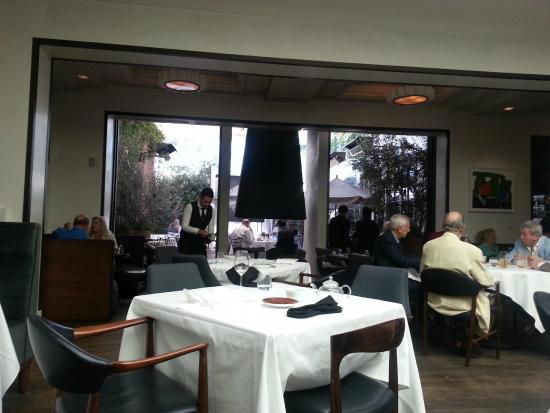
Charming romantic atmosphere with sophisticated antique French furnishings, industrial lighting, cozy and warm family feel, quieter neighborhood vibe.