Marrone's
Our verdict
Wood-fired pizza has a particular grammar in Minneapolis, and Marrone's speaks it with the confidence of a place that has earned its local following. The format is simple by design: fire, dough, and the patience to let both do their work. In a city building a serious dining identity, Marrone's anchors the approachable end of that conversation without apologising for it.

Pearl is the En Primeur Club membership app, where members save venues, book tables and use the concierge.

Fire First: How Wood-Fired Pizza Shapes the Ritual at Marrone's
There is a particular sensory logic to a wood-fired pizza room that no other format quite replicates. The heat radiates before you see the oven. The smell of charred crust and burning hardwood settles into clothing and memory in equal measure. At Marrone's in Minneapolis, that logic governs the entire experience from the moment you enter. The oven is not a prop or a design feature; it is the engine around which the meal's rhythm is built, and the pacing of the room follows accordingly.
Wood-fired pizza sits at an interesting position in American urban dining. It is approachable enough to draw a broad audience but technically demanding enough that execution separates good versions from forgettable ones. The variables, dough hydration, fermentation time, wood species, oven temperature, and the speed of the cook, compound quickly. A pizza counter that gets those variables right earns its reputation through repetition and consistency, not through elaborate plating or tableside theatre. Marrone's belongs to that tradition of honest, fire-forward cooking.
The Minneapolis Context: Where Marrone's Sits in the City's Dining Map
Minneapolis has developed a dining scene with genuine range and, in some cases, national recognition. Owamni brought Indigenous cuisine into a serious fine-dining conversation. Spoon and Stable established that the city could sustain polished New American cooking at a high level. Hai Hai, James Beard-nominated and fiercely local in its sourcing sensibility, demonstrated the depth available in the city's Southeast Asian register. Against that backdrop, a wood-fired pizza specialist operates in a different register entirely, one defined less by ambition for national recognition and more by the daily discipline of doing one thing consistently well.
That distinction matters when you think about how Minneapolis diners use different types of restaurants. The city's celebrated destinations, places like 112 Eatery with its Italian-inflected comfort and Blue in Green with its soulful bistro fare, occupy the mid-to-upper bracket where occasion drives the booking. A wood-fired pizza room fills a different slot: the place you return to frequently, the format where loyalty is built through repetition rather than event. Marrone's earns its place in the city's dining life through that kind of dependable, recurring appeal.
For those building a fuller picture of what Minneapolis offers, our full Minneapolis restaurants guide maps the city across categories and price points. The hotels guide, bars guide, wineries guide, and experiences guide cover the city's broader hospitality range.
The Ritual of the Wood-Fired Meal
Eating pizza cooked over wood is, when done properly, a meal with its own customs. The wait after ordering is not incidental; it is part of the structure. A wood-fired oven operating at high temperature cooks fast, but the sequence of orders matters, and a busy room means the kitchen is constantly managing the oven's zones and rotation. That brief pause between ordering and receiving creates a different quality of anticipation than the studied silence of a tasting menu course, but it is no less real.
The pizza arrives at a temperature that demands immediate attention. The crust at the outer edge has a char pattern that tells you exactly how the fire worked, too pale and the heat was low, too uniform and the cook was mechanical, the right combination of leopard spotting and structural hold means the baker understood the oven that day. The centre should yield without collapsing, the toppings should have retained their character through the heat rather than steaming into a uniform mass. These are the markers a repeat visitor learns to read.
That reading process is itself part of the ritual. Regular customers at a wood-fired counter develop a vocabulary for the product that casual diners do not. They know which combinations benefit from the intense dry heat, which ingredients hold better at the rim than at the centre, and how the pizza behaves in the final bites versus the first. This is how a neighbourhood pizza room builds its audience: by rewarding return visits with progressively more legible pleasure.
Pizza at Scale: How Marrone's Fits a National Conversation
The premium end of the American dining spectrum, the Le Bernardins and Alineas, the French Laundrys and Atomixes, occupies the category of destination dining, where the meal is a set-piece event. At the opposite end, the neighbourhood pizza counter represents a different kind of excellence: democratic, repeatable, and assessed by entirely different standards. Lazy Bear in San Francisco and Single Thread Farm in Healdsburg work at the intersection of those worlds, where craft and occasion share equal weight. Marrone's operates in a different register, one where the measure of quality is what happens on a Tuesday night rather than at a special reservation.
That is not a diminishment. The discipline required to maintain consistent dough quality, consistent fire management, and consistent service across a full week of service is considerable. Places that do it well, and wood-fired pizza rooms in particular, earn a loyalty that tasting menu destinations rarely accumulate, precisely because the bar is reset every service rather than every season. Compared against international reference points like Emeril's in New Orleans or Alain Ducasse's Louis XV in Monte Carlo, Marrone's is working in an entirely different category, but the craft standard within that category is no less real.
Planning Your Visit
The nature of a wood-fired pizza room in a mid-sized American city typically means a walk-in-friendly format with peak demand on weekend evenings, where arriving early or late in the service window avoids the longest waits. Minneapolis winters shift dining habits toward longer evening stays, while summer brings lighter, faster turnover as diners move between venues. Checking directly with the restaurant for current operating details before visiting is advised.
Frequently asked questions
Can I bring kids to Marrone's?
Wood-fired pizza is one of the more family-compatible formats in Minneapolis dining: the food is familiar, the pace is defined by the oven rather than a multi-course tasting structure, and there is something children respond to in watching a live fire kitchen. Nothing in Marrone's available data suggests a policy against younger guests, though confirming directly before a busy-night visit is advisable.
What's the vibe at Marrone's?
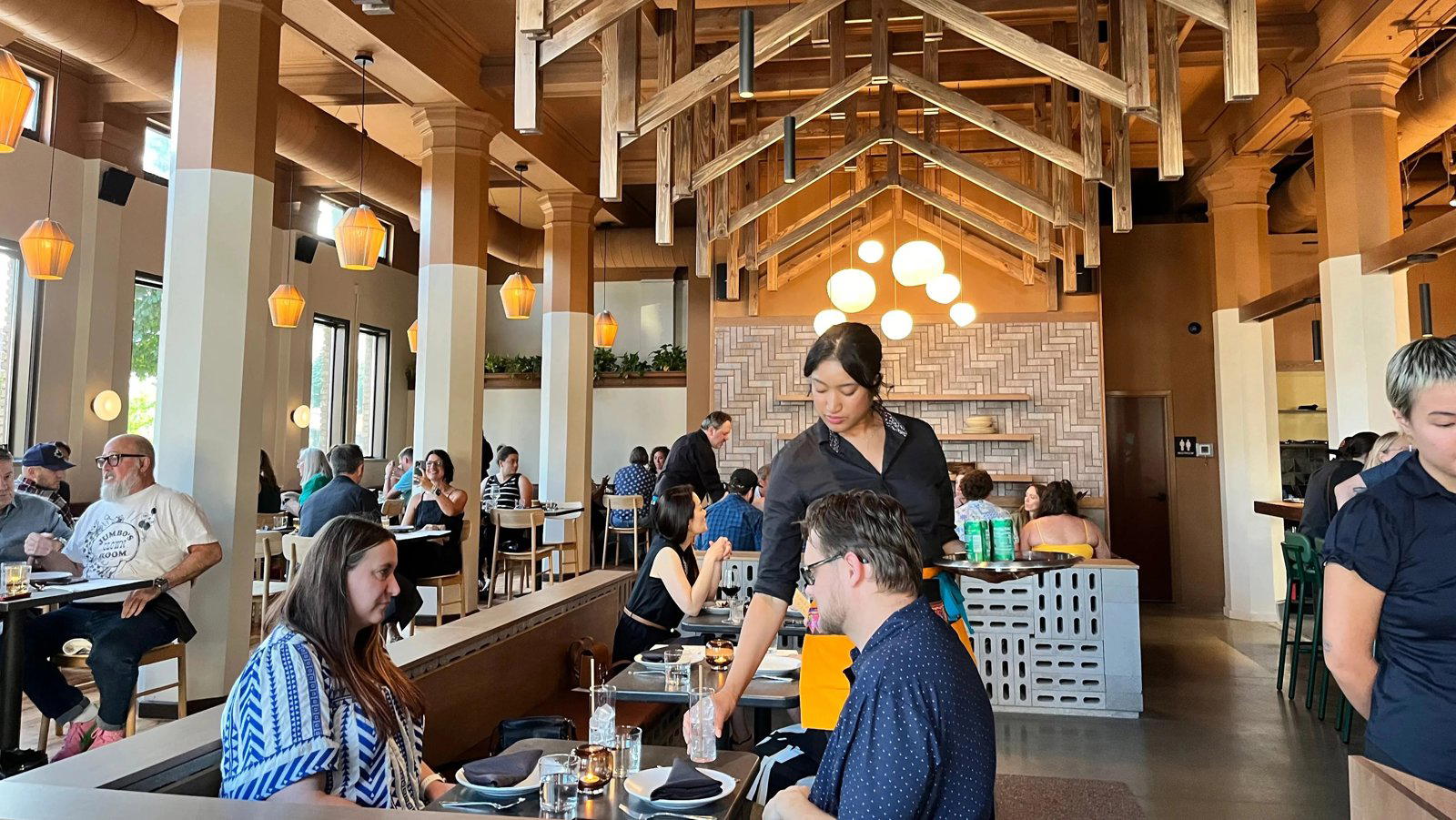
The format sets the tone before the menu does. A wood-fired pizza room runs on the rhythm of the oven: there is ambient heat, visible fire, and a kitchen-forward energy that places Marrone's closer to casual-serious than to white-tablecloth dining. In Minneapolis, that puts it in a category alongside neighbourhood spots that take their craft and sourcing seriously without demanding formality from guests.
How does wood-fired cooking differ from conventional pizza ovens, and why does it matter at a Minneapolis restaurant like Marrone's?
Wood-fired ovens operate at temperatures conventional gas or electric ovens cannot reach, typically between 700°F and 900°F, producing a crust that chars at the cornicione while keeping the interior open and light. That thermal profile takes seconds rather than minutes, which means cook timing and dough preparation are the central craft variables. In a Minneapolis dining scene that has earned national attention through restaurants like Owamni, Marrone's wood-fired approach represents a specific technical commitment within the city's broader movement toward process-driven cooking.
What's the signature dish at Marrone's?
Marrone's is a wood-fired pizza operation, and the oven is the defining instrument across the menu rather than a single standout pie. The char pattern, crust structure, and heat differential that a live-fire oven produces are consistent signatures of the format itself.
Category Peers
Comparable venues nearby, for context on price, style, and recognition.
| Venue | Cuisine | Price | Notes |
|---|---|---|---|
| Marrone'sThis venue (the venue you are viewing) | Woodfired Pizza | Not listed | Not listed |
| Prima | Rustic Italian Trattoria | $30–50 | Tangletown |
| Mother Clucker's Pizza | Pizza & Chicken | $10–20 | Eat Street |
| Milkjam Creamery | Artisanal Ice Cream | $1–10 | Whittier |
| Brasa Premium Rotisserie- Northeast Minneapolis | American Creole Rotisserie | $20–30 | Marcy-Holmes |
| Pimento Jamaican Kitchen & Rumbar | Authentic Jamaican Jerk | Not listed | Eat Street |
Continue exploring
More in Minneapolis
Restaurants in Minneapolis
All restaurants in Minneapolis →
Bars in Minneapolis
All bars in Minneapolis →





Details
- Trendy
- Industrial
- Casual Hangout
- Open Kitchen
- A La Carte
Late '70s New York City inspired atmosphere.