Able Seedhouse + Brewery
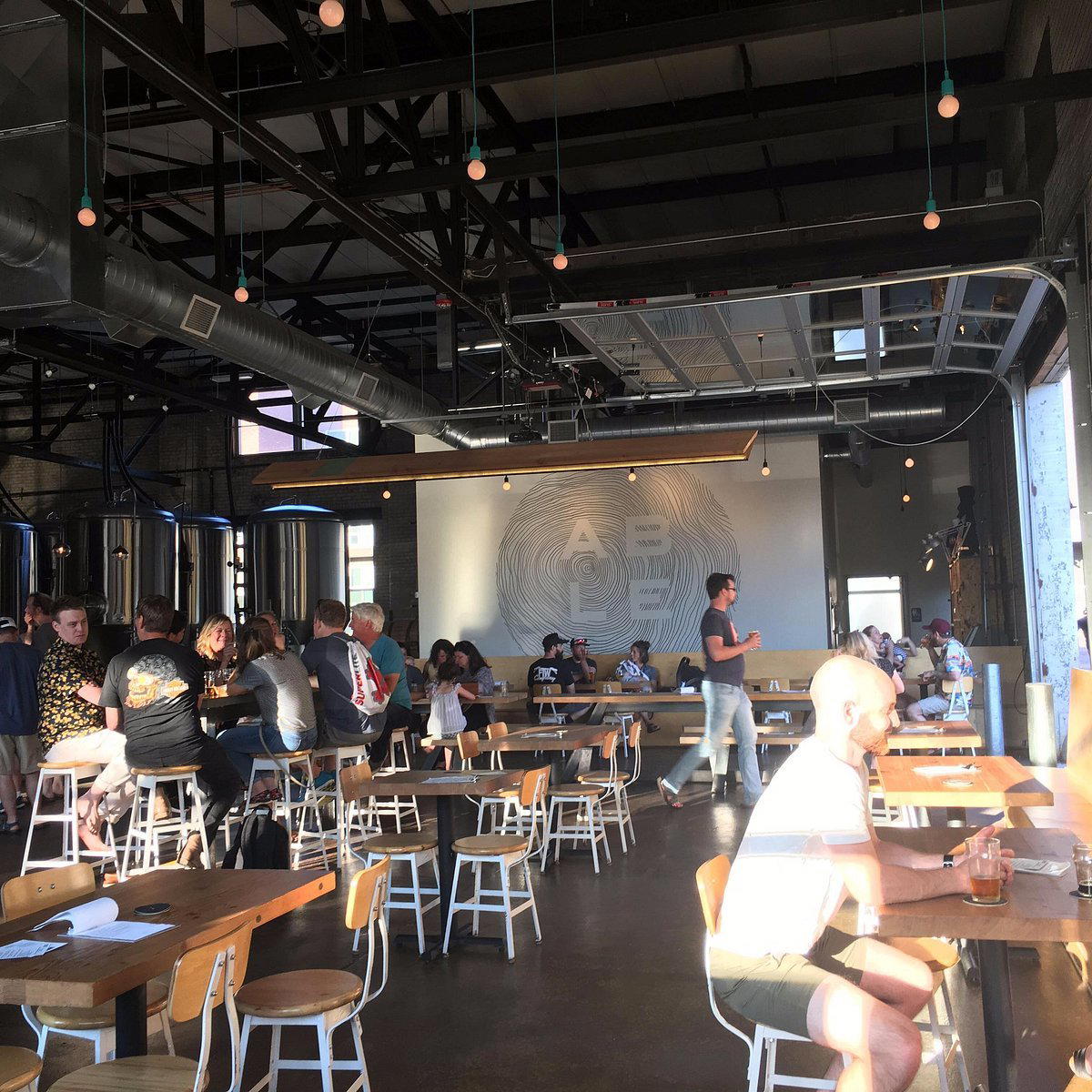
Able Seedhouse + Brewery operates in Minneapolis's working brewery-taproom tradition, where the pint in front of you was likely fermenting a few walls away. The regulars here return for the rotating tap list and the particular cadence of a neighborhood spot that takes its beer seriously without staging a performance around it. It sits comfortably in the Northeast Minneapolis craft corridor.

Pearl is the En Primeur Club membership app, where members save venues, book tables and use the concierge.
What Draws People Back to Northeast Minneapolis
Northeast Minneapolis is a Minneapolis bar focused on craft fermentation, set in the neighborhood's brewing corridor. The neighborhood's brewery density is high enough that regulars tend to develop loyalties based on something more specific than geography, tap list philosophy, room character, or the particular social temperature of a given taproom. Able Seedhouse + Brewery sits within that corridor, and the clientele who return week after week are not doing so because there is nowhere else to go. They are doing so because the place has earned a specific place in their rotation.
That kind of earned loyalty is worth examining. In American craft brewing, the taproom experience has bifurcated sharply. One path leads toward high-production venues with full kitchens, event programming, and visitor-economy ambitions. The other stays closer to the original model: a space that prioritizes what is in the glass, keeps the format honest, and lets the beer carry the conversation. Able Seedhouse operates in that second mode, a seedhouse in more than name, in the sense that the product is the point.
The Taproom and What Regulars Actually Order
Walk into a Northeast Minneapolis taproom on a Thursday evening and you will notice something consistent across the better ones: the bartenders know what is pouring well that week. Not what is featured. What is pouring well. That distinction matters in a taproom context where seasonal and small-batch releases turn over frequently, and where a regular's order is often shaped by a quiet word from someone behind the bar rather than the printed board alone.
At Able Seedhouse, the brewery-taproom format means the tap list reflects what is coming out of production on a rolling basis. For regulars, this creates a different kind of relationship with the menu than a fixed restaurant list allows. They are tracking the arc of a brewing program across visits, noticing when a particular style lands better in one batch than another, returning specifically because something they tried on a previous visit is still pouring. That pattern of return is one of the more reliable indicators that a taproom has gotten something right at the production level.
The sensory anchors that bring regulars back tend to be specific and modest: the weight of a glass, the temperature of the room in winter, the fact that a familiar face is behind the bar. These are not romantic details, they are the functional components of a local institution that has embedded itself in a neighborhood's weekly rhythm. Minneapolis craft-beer culture places real value on that kind of embeddedness, and the Northeast corridor has produced several breweries that have achieved it. Able Seedhouse is among them.
Minneapolis Craft Brewing in Context
Minnesota's craft brewing sector has grown substantially since the 2011 taproom law changes that allowed breweries to sell directly to consumers on-site. That regulatory shift effectively created the modern Minneapolis taproom scene, and Northeast became its geographic center. The concentration of production breweries in that pocket of the city is comparable to what you find in established brewing neighborhoods in Denver, Portland, or Grand Rapids, cities with longer brewing histories but not necessarily more depth at the producer level.
What distinguishes the Minneapolis market from some of its Midwestern peers is a customer base that tends to be attentive to process. This is not a market where craft beer sells primarily on branding or novelty; it is a market where regulars pay attention to ingredients, fermentation approach, and seasonal appropriateness. That attentiveness shapes what breweries like Able Seedhouse can do with their tap lists, and it raises the floor on what counts as acceptable. A taproom that cannot hold its regulars through a seasonal rotation tends not to last long in Northeast.
For visitors arriving from outside Minneapolis, the Northeast brewery corridor is worth a dedicated afternoon rather than a single stop. The density of the area rewards walking between venues, and the drinking culture here runs more toward extended conversation than rapid sampling. Pair a stop at Able Seedhouse with dinner elsewhere in the neighborhood, 112 Eatery sits further into the Minneapolis dining scene and offers a kitchen that complements an evening that starts with beer. The All Saints Restaurant is another option that fits the Northeast ethos without being a brewery satellite. For something more casual and deeply local, 5-8 Club occupies a different register entirely, burgers and long-standing neighborhood credibility. And if you are looking for a broader sense of what Thai cooking contributes to Minneapolis's dining mix, Amazing Thailand covers that territory reliably.
ABV in San Francisco operates in a comparable spirit on the cocktail side. Kumiko in Chicago represents a more technically specialized approach to what a drinks-forward room can do. Further afield, Bar Leather Apron in Honolulu, Jewel of the South in New Orleans, Julep in Houston, Superbueno in New York City, and The Parlour in Frankfurt on the Main each represent the drinks-led room in their respective cities, different formats, but the same underlying commitment to craft over spectacle that defines what Able Seedhouse is doing in Minneapolis.
Planning a Visit
Northeast Minneapolis is accessible from downtown by bike along the river trails, by rideshare in under ten minutes, or on foot from several neighborhoods that border the district. The taproom format at Able Seedhouse is self-paced and walk-in friendly. Come when the tap list has turned over to something seasonal.our full Minneapolis restaurants guide maps the broader scene.
Category Peers
A quick peer list to put this venue’s basics in context.
| Venue | Price | Awards |
|---|---|---|
| Able Seedhouse + BreweryThis venue (the venue you are viewing) | $20–30 | Not listed |
| Meteor | $20–30 | Pinnacle Guide 1 Pin |
| Francis Burger Joint | $10–20 | Not listed |
| Broders' Pasta Bar | $30–50 | Not listed |
| First Avenue | $20–30 | Not listed |
Continue exploring
More in Minneapolis
Bars in Minneapolis
All bars in Minneapolis →
Restaurants in Minneapolis
All restaurants in Minneapolis →
Details
- Lively
- Rustic
- Industrial
- Cozy
- Group Outing
- Casual Hangout
- Beer Garden
- Seated Bar
- Outdoor Terrace
- Craft Beer
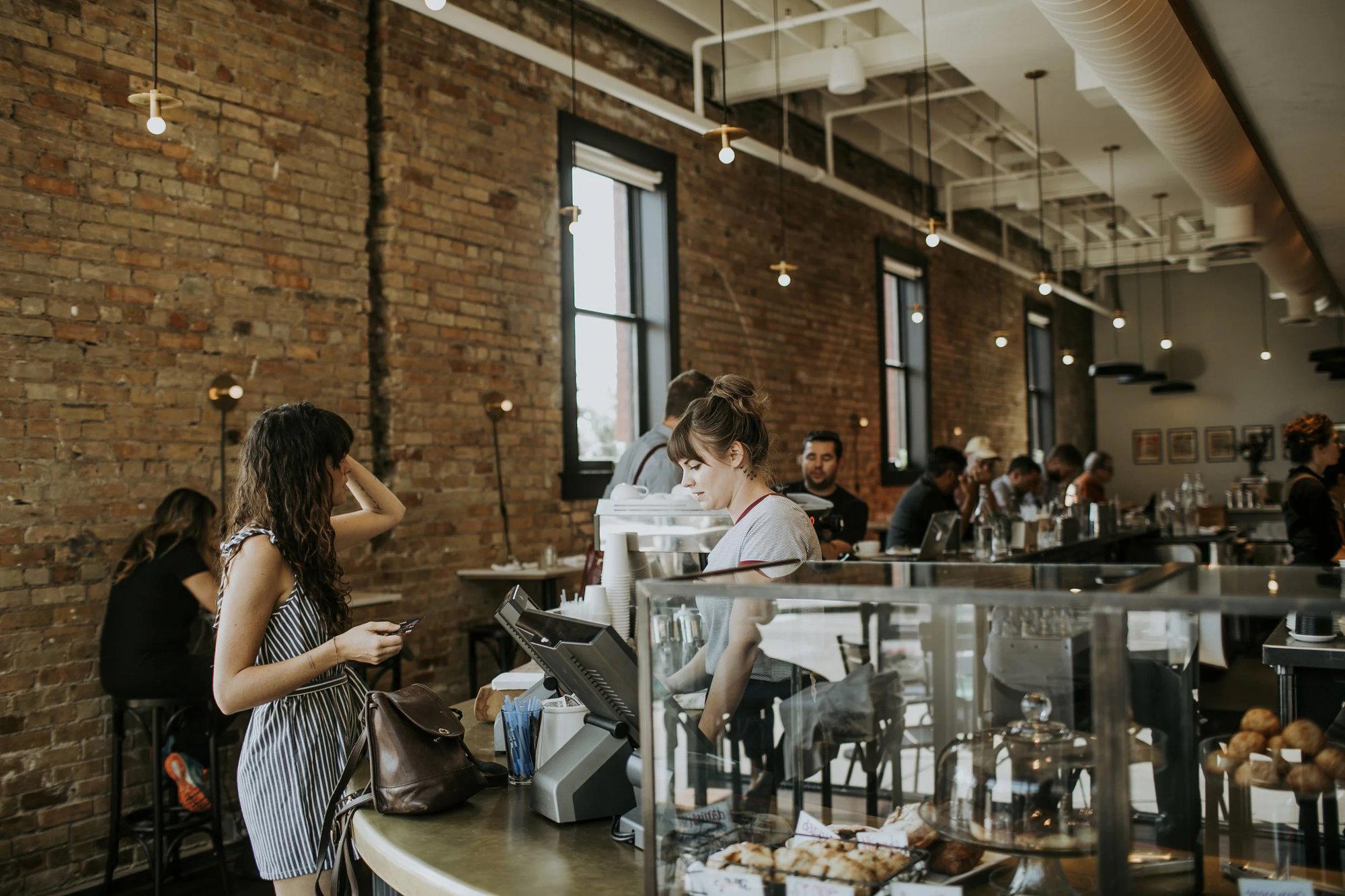
Inviting and welcoming open space merging metal, wood, and concrete, inspired by open plains, with lively atmosphere.