All Saints Restaurant
All Saints Restaurant occupies a converted ecclesiastical space on East Hennepin Avenue, placing it in a Northeast Minneapolis dining corridor that has shifted steadily toward sit-down independents over the past decade. The address puts it within walking distance of several neighbourhood staples, and the building's physical scale sets expectations that few rooms in this price bracket can match.

Pearl is the En Primeur Club membership app, where members save venues, book tables and use the concierge.
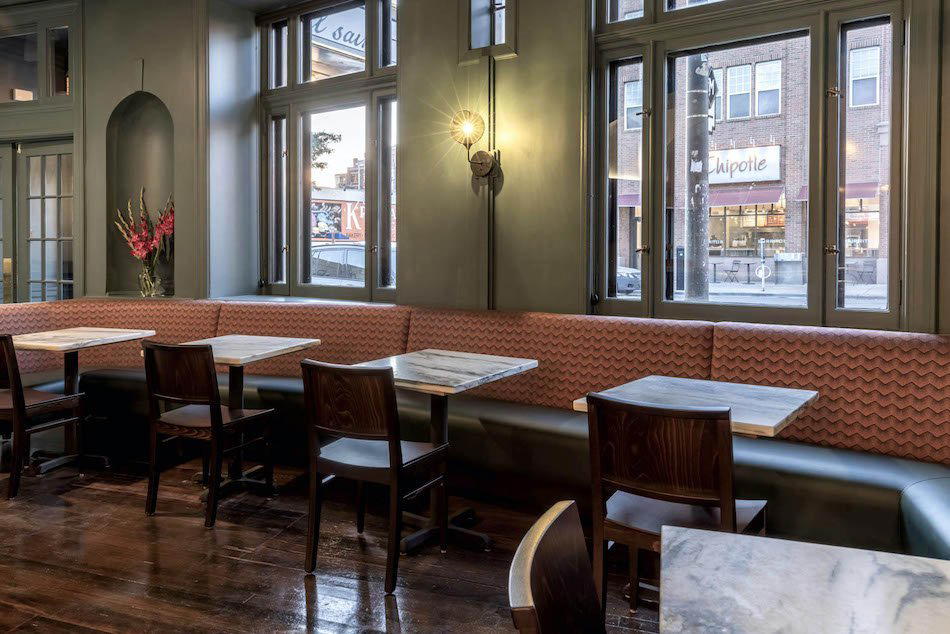
Northeast Minneapolis and the Architecture of Ambition
East Hennepin Avenue has followed a trajectory common to post-industrial urban corridors across the Midwest: breweries and light-industrial tenants giving way to restaurants, bars, and design studios, with the physical shells of older buildings retained and repurposed rather than razed. All Saints Restaurant sits at 222 E Hennepin Ave inside one of these inherited structures, and the choice of location is not incidental. Northeast Minneapolis now operates as a distinct dining neighbourhood, separate in character from the Warehouse District's after-work density or Uptown's more transient retail energy. The venues that have taken root here tend to occupy buildings with architectural weight, and that weight becomes part of the dining proposition.
The name All Saints is a direct reference to the ecclesiastical origins of the space. Sacred architecture repurposed for hospitality follows a well-established pattern in cities from London to New Orleans, but in Minneapolis the format remains comparatively rare, which means the room carries a novelty that equivalent conversions in larger markets have long since exhausted. High ceilings, original masonry, and the structural bones of a former place of worship produce an acoustic and spatial environment that no new-build restaurant can approximate, regardless of budget. The physical container is the first thing a diner registers, and here it registers immediately.
The Room as Editorial Statement
Restaurant interiors in the American Midwest have historically defaulted to one of two modes: the polished-casual chain aesthetic, or the stripped-back neighbourhood room that keeps costs low and lets food carry the argument. Ecclesiastical conversions belong to neither category. The spatial logic of a former church, with its vertical emphasis, its movement from entrance to altar axis, and its original fenestration, imposes a design discipline that most hospitality interiors arrive at only after significant investment and multiple iterations.
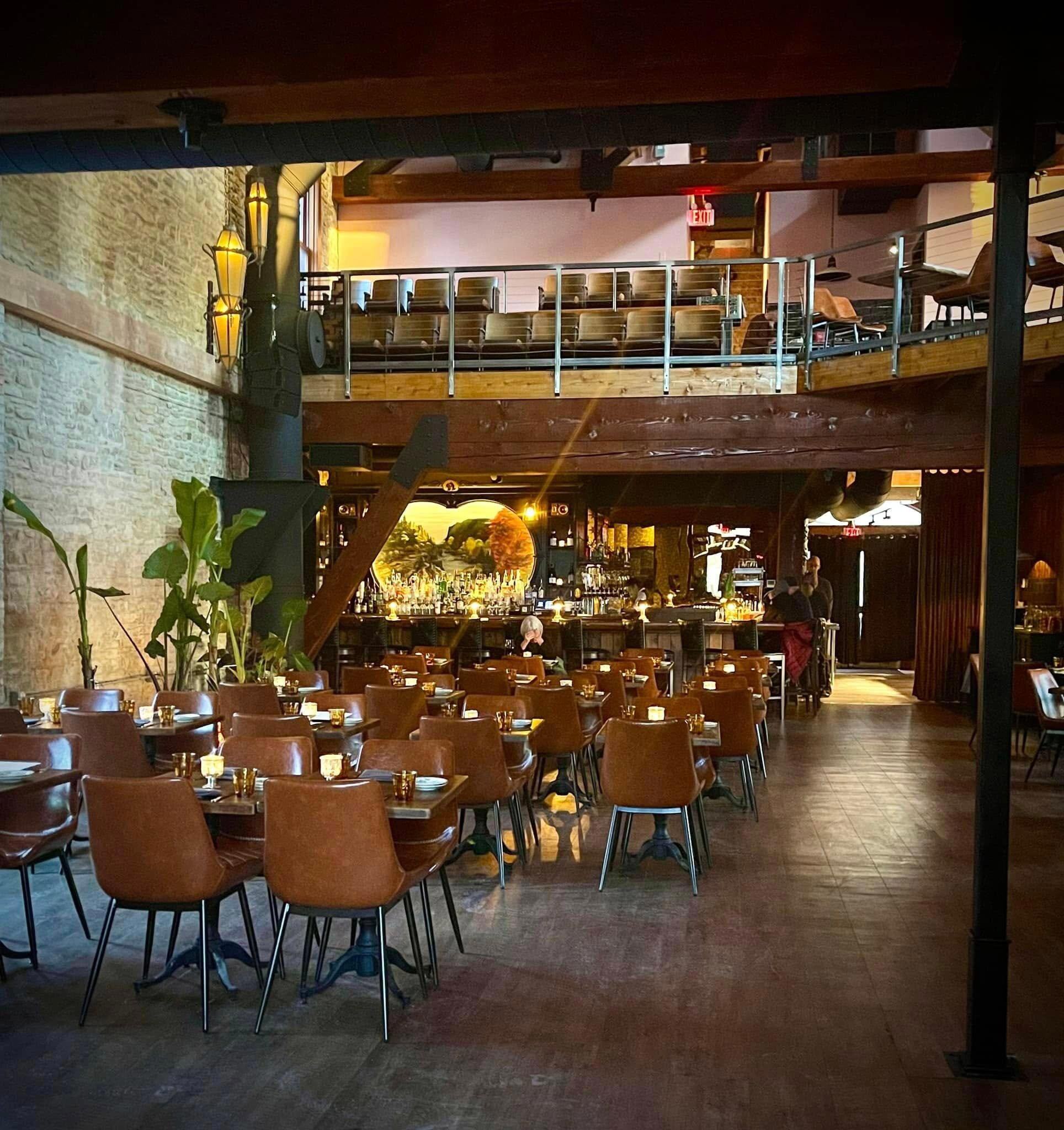
Seating arrangements in rooms of this type tend to reinforce hierarchy without meaning to: central tables under the highest points of the ceiling read differently from booths or banquettes pushed toward the perimeter walls. Diners in the centre of the room are in the room in a way that those at the edges are not. This spatial dynamic, familiar to anyone who has eaten in converted European chapel spaces, is newer to Minneapolis, and the way a venue manages it, through furniture selection, lighting placement, and table density, says a great deal about the operator's intentions. A room with this much architectural character can be undercut quickly by furniture that fights it, or by lighting that flattens what the ceiling height is trying to do.
Northeast Minneapolis venues that have sustained attention over time, including the neighbourhood's breweries along with sit-down restaurants, have generally been those where the physical space and the programming feel like they were designed for each other. 112 Eatery, operating in a different part of the city, built its reputation partly on a room that matched its late-night, ingredient-forward ethos. The 5-8 Club occupies the opposite end of the spectrum, a diner-format space where the lack of architectural pretension is itself a position. All Saints sits in neither of those camps. Its building makes claims that the programming must then justify.
Minneapolis Independent Dining in Context
Minneapolis has developed a stronger independent restaurant culture than its regional profile might suggest to an outside observer. The city's dining scene now includes venues operating at price points and with levels of culinary ambition that position them against comparable independents in Chicago, Kansas City, or Denver rather than against local chain competition. Able Seedhouse + Brewery represents one model of Northeast's independent identity, anchored in craft production and casual format. All Saints represents a different register of the same impulse: the decision to operate an independent restaurant in a space that demands a certain seriousness from both the kitchen and the front of house.
Nationally, the strongest bar and restaurant programs in cities of comparable size have increasingly built identity around specificity of place. Kumiko in Chicago built a reputation through precision and restraint in a format that rewards repeat visits. Jewel of the South in New Orleans operates within a layered historical context that the room itself communicates. Bar Leather Apron in Honolulu placed itself at the intersection of craft technique and local identity. In each case, the physical and programmatic decisions reinforce one another. All Saints' ecclesiastical space creates a similar opportunity, and similar pressure, in a city where that kind of architectural venue is not yet common enough to be taken for granted.
For diners approaching Minneapolis from outside the city, the East Hennepin corridor is leading understood as a neighbourhood rather than a single destination. Amazing Thailand on the broader Northeast grid reflects the area's demographic layering, where long-established ethnic restaurants and newer independent concepts share the same arterial streets. That mix is part of what makes Northeast a more textured dining neighbourhood than its surface-level craft-beer reputation implies.
Approaching the Visit
East Hennepin Avenue is accessible by car and navigable on foot from several surrounding residential pockets, which gives All Saints a neighbourhood catchment that more centrally located restaurants lack. The address at 222 E Hennepin Ave is specific enough that arrival is direct, though street parking on Hennepin itself can require patience during peak evening hours, particularly on weekends when the broader Northeast corridor draws traffic from across the city.
For visitors building a Minneapolis itinerary around dining, the Northeast neighbourhood makes logical sense as an evening anchor, with options before or after in adjacent corridors. The EP Club Minneapolis guide maps the broader independent dining scene across neighbourhoods, which helps with sequencing. Beyond Minneapolis, travellers moving between Midwest cities will find comparable independent ambition at ABV in San Francisco, Julep in Houston, and Superbueno in New York City, each operating in spaces where the room and the program are in deliberate conversation. The Parlour in Frankfurt on the Main offers a European reference point for how a well-considered interior can anchor a dining identity across a very different cultural context.
Reservation practice for All Saints should follow the standard approach for independently operated Minneapolis restaurants with architectural profile: booking ahead for weekend evenings is advisable, particularly for groups of more than two, since rooms of this scale can fill quickly when a specific table configuration is requested. Walk-in availability on weekday evenings is more likely, though not guaranteed.
The Quick Read
Comparable venues nearby, for context on price, style, and recognition.
| Venue | Cuisine | Price | Notes |
|---|---|---|---|
| All Saints RestaurantThis venue (the venue you are viewing) | Not listed | $30–50 | Not listed |
| Tattersall Distillery tours- spirit tasting | Not listed | Not listed | Northeast Minneapolis Arts District, cocktail_bar |
| The Sample Room | Not listed | Not listed | Northeast Minneapolis Arts District, cocktail_bar |
| Bull's Horn Food and Drink | Not listed | $20–30 | Ericsson, dive_bar |
| Brühaven Craft Company | Not listed | $20–30 | Loring Park, beer_bar |
| Soberfish | Thai | Not listed | Seward, lounge |
Continue exploring
More in Minneapolis
Bars in Minneapolis
All bars in Minneapolis →
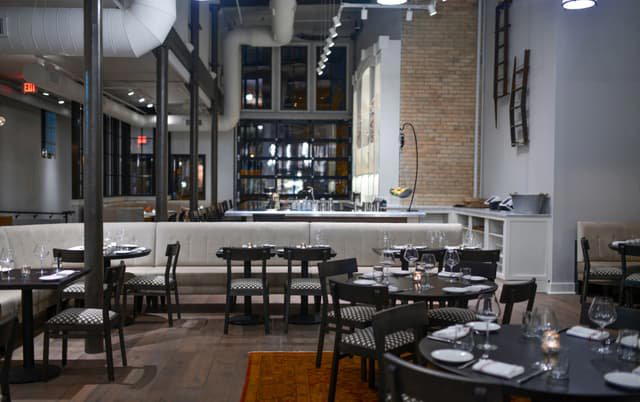
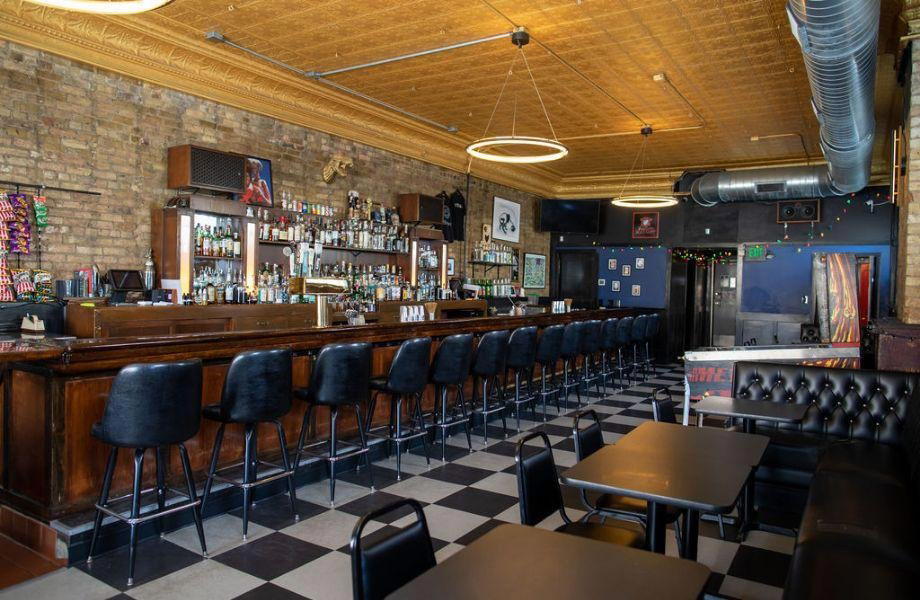
Restaurants in Minneapolis
All restaurants in Minneapolis →
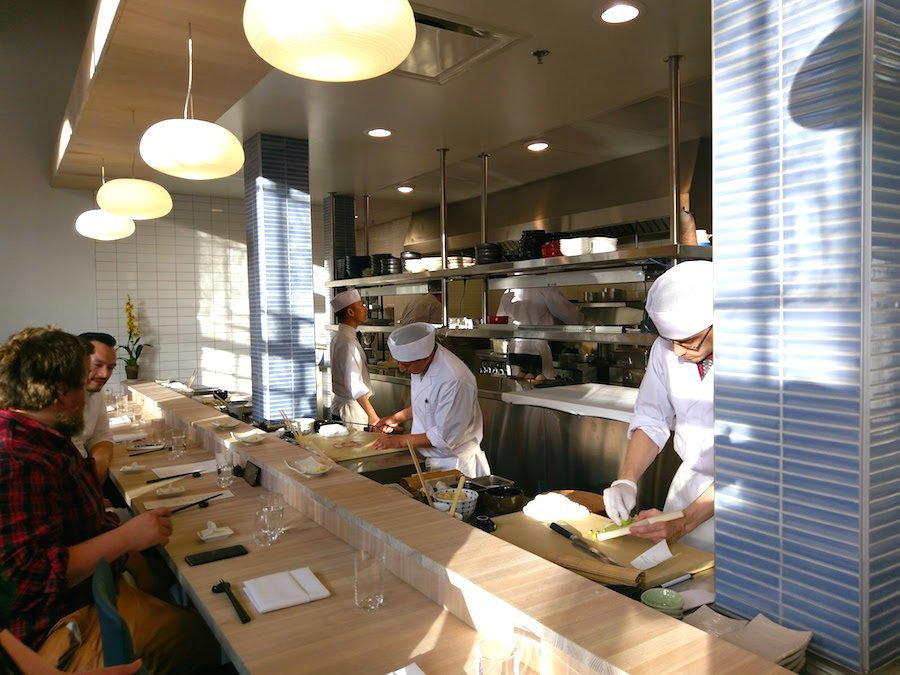
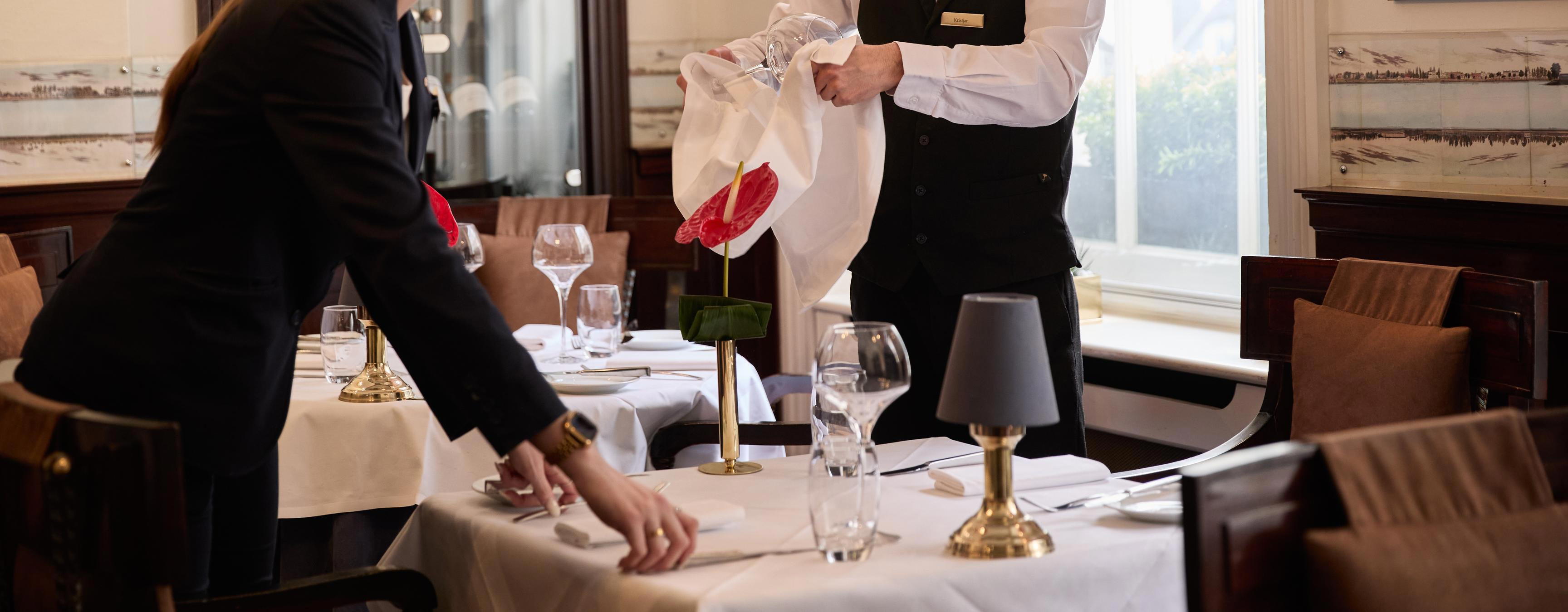
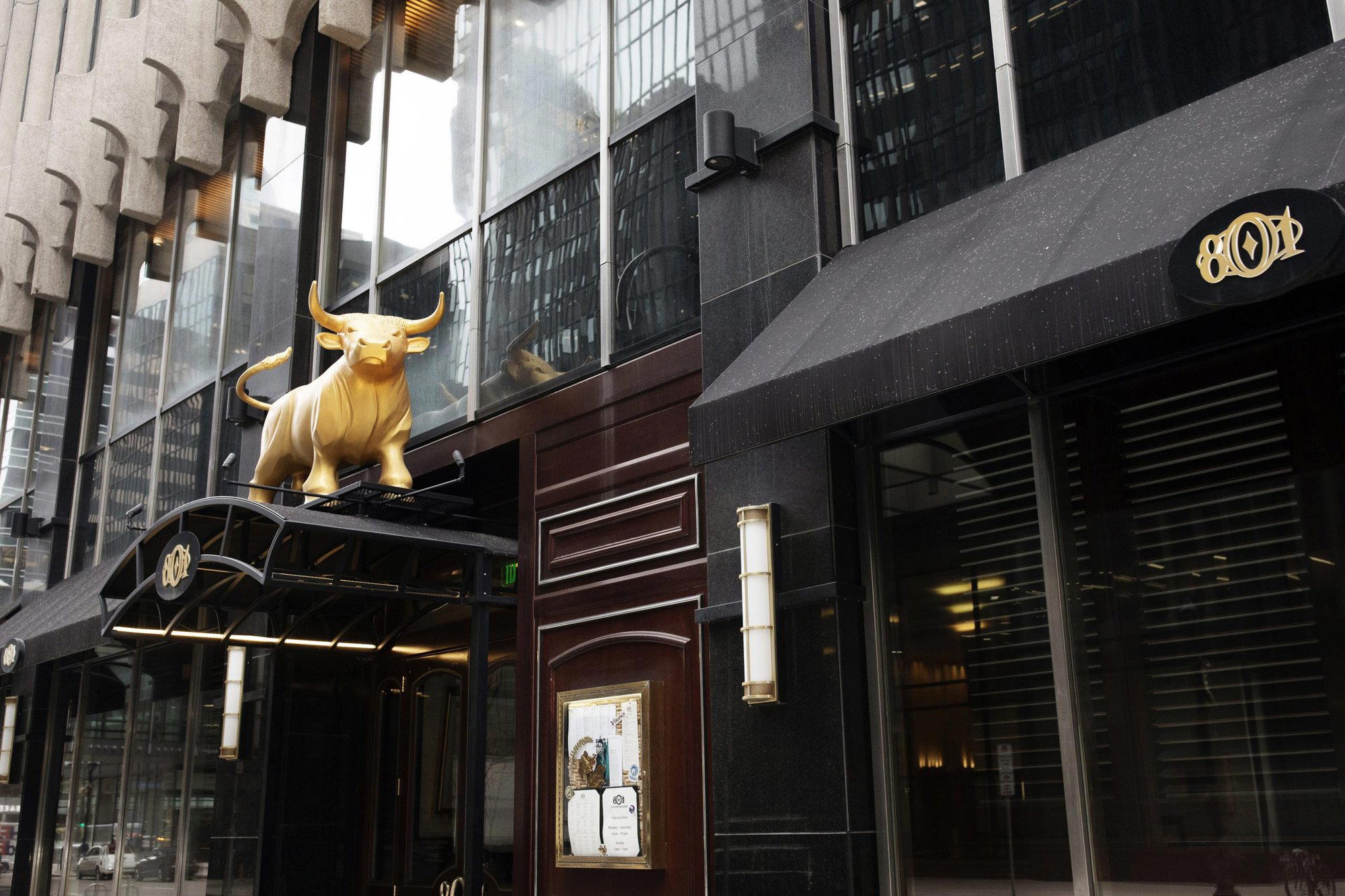
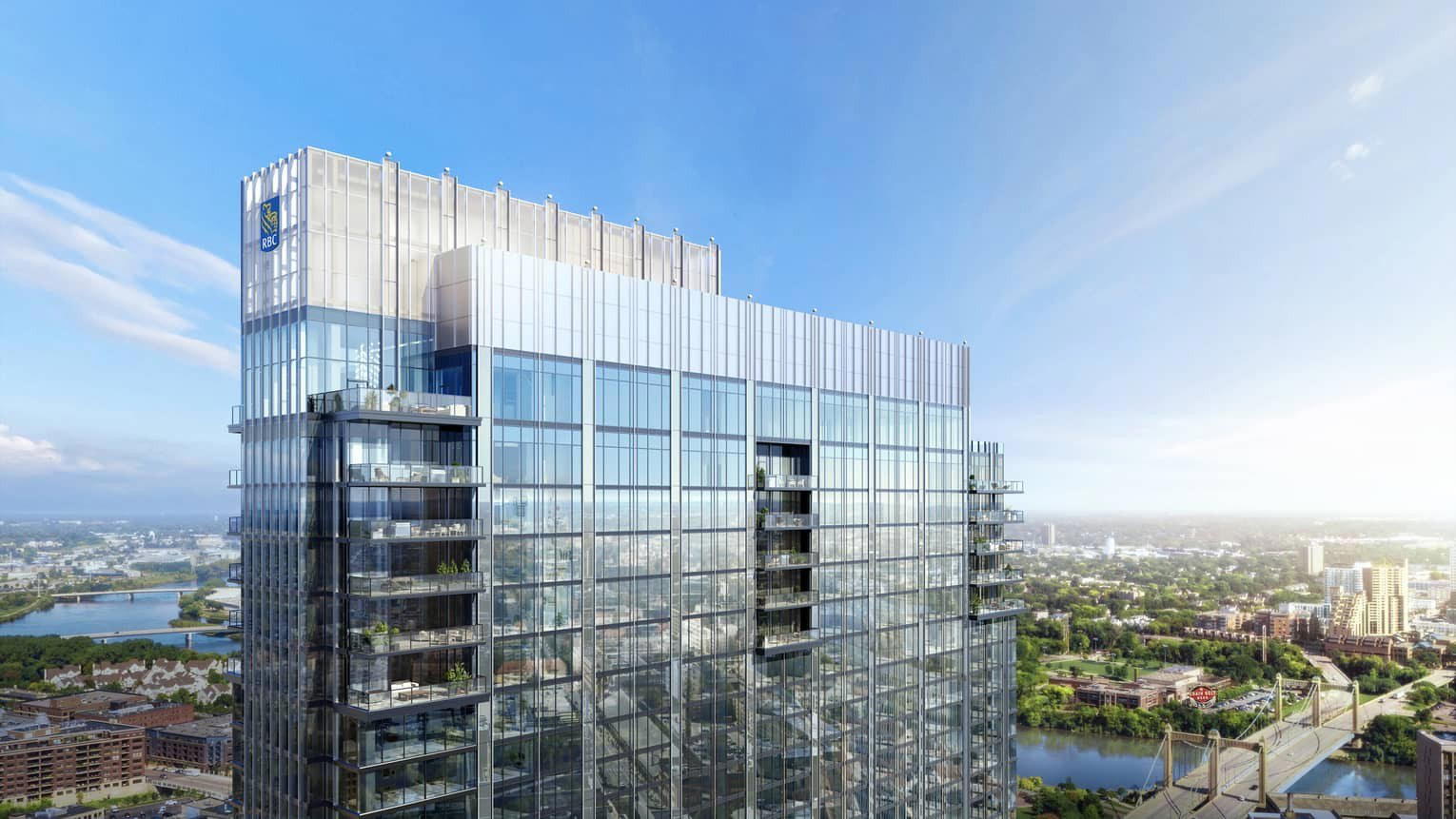
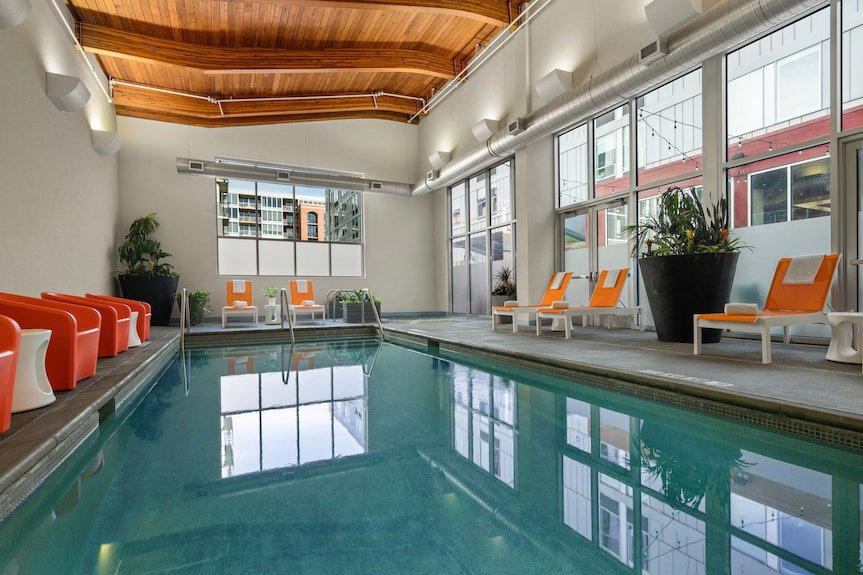
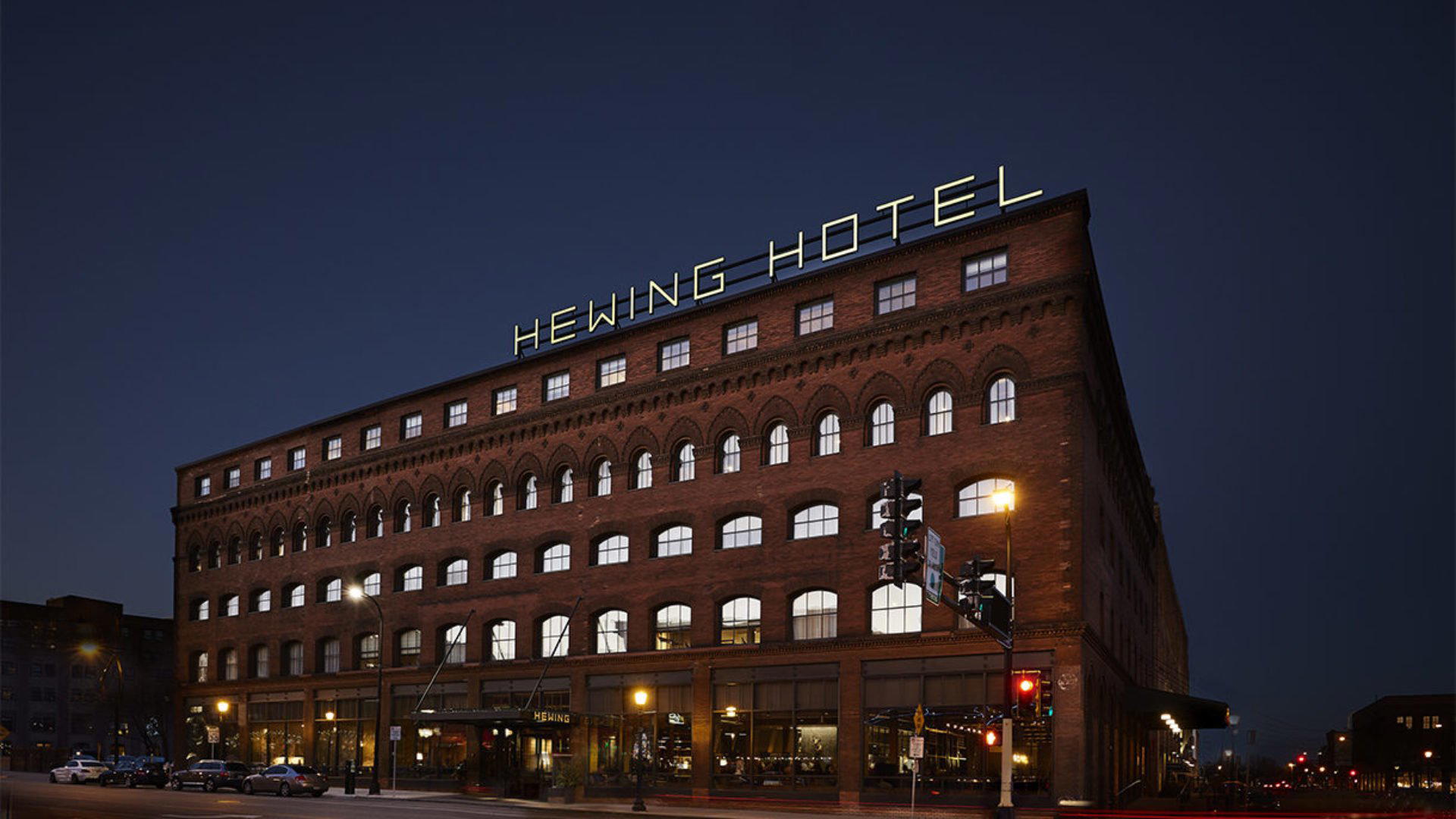
All Saints Restaurant
The drinks
- Craft cocktails
- Zero-proof drinks
Details
- Intimate
- Cozy
- Elegant
- Date Night
- Casual Hangout
- Special Occasion
- Standalone
- Seated Bar
- Booth Seating
- Craft Cocktails
- Zero Proof
Current opening hours
- Monday
- 5–10 PM
- Tuesday
- 5–10 PM
- Wednesday
- 5–10 PM
- Thursday
- 5–10 PM
- Friday
- 5–11 PM
- Saturday
- 5–11 PM
- Sunday
- Closed
Hours can change for holidays and private events. Last verified .
Intimate and cozy interior with a bright redesign, featuring bar seating and a welcoming atmosphere for conversations.