Owamni


The 2022 James Beard Award winner for Best New Restaurant, Owamni brings Indigenous American cuisine to an 80-seat dining room along the Mississippi River in Minneapolis. The menu draws exclusively on pre-contact ingredients, placing it in a category with almost no direct peers in American fine dining. Esquire named it among the country's top new restaurants in 2021.
Pearl is the En Primeur Club membership app — saves, bookings, and concierge access live there. Same editors, same standards.
- Address
- 420 S 1st St, Minneapolis, MN 55401
- Phone
- (612) 444-1846
- Website
- owamni.com
- Directions
- Get directions
 Saves & bookings on Pearl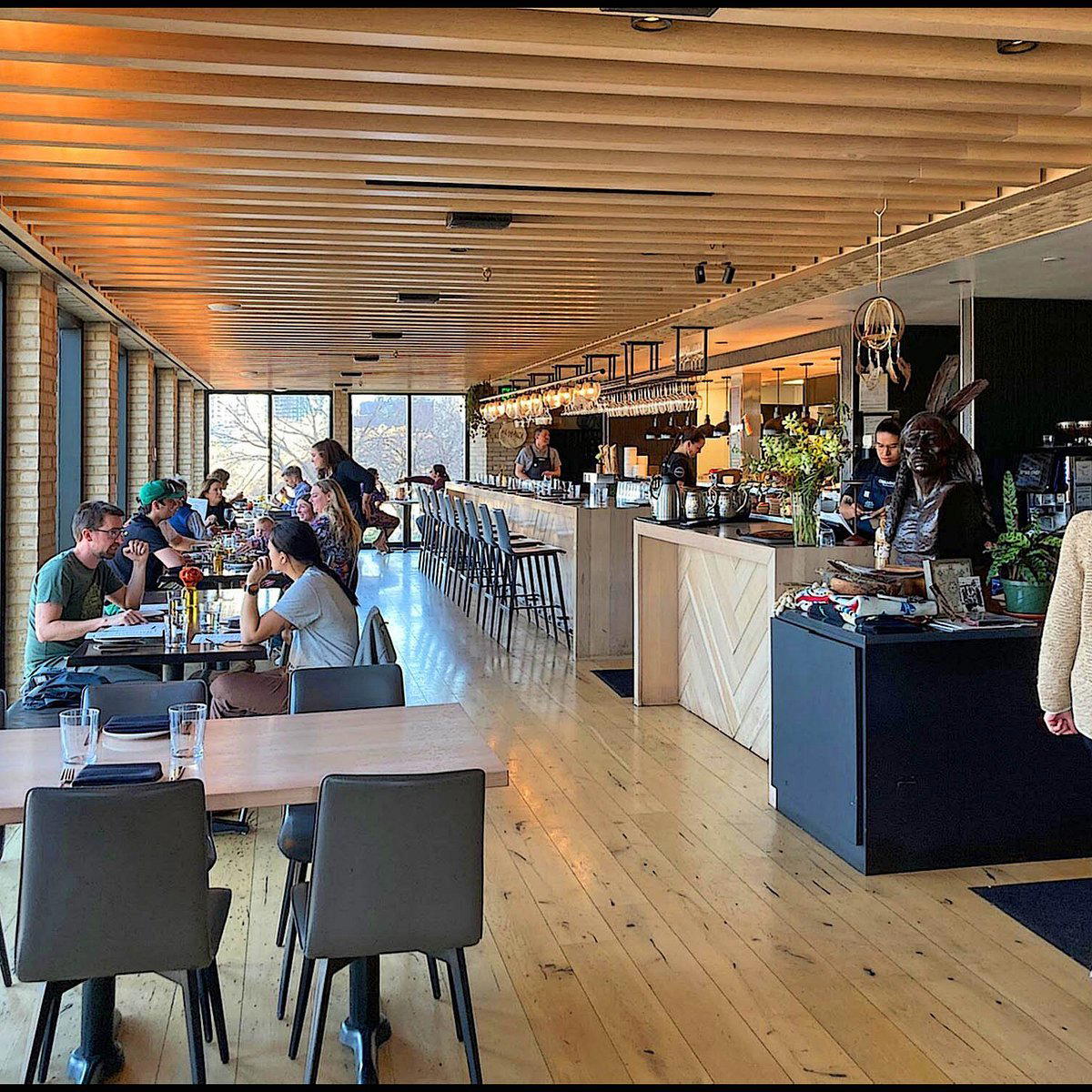
Where the Mississippi Meets a Different Kind of American Cooking
The stretch of riverfront at 420 S 1st St in Minneapolis carries considerable historical weight. The Mississippi here runs through land the Dakota people called Owámniyomni, a place of spiraling waters. The restaurant that now occupies this address takes its name from that place, and the decision is not incidental. Few dining rooms in the United States are as deliberately and structurally tethered to a specific culinary tradition as this one. The 80-seat space, with views directly onto the river, turns that history into a dining premise rather than a backdrop.
The premise is strict and consequential: the menu operates entirely within pre-contact Indigenous ingredients. Corn, squash, beans, bison, wild rice, venison, duck, and a range of Native botanicals form the working vocabulary. European pantry staples, including wheat flour, cane sugar, black pepper, and dairy, are absent. This is not fusion cooking or an homage to Indigenous traditions assembled from a European culinary framework. It is, as far as American restaurant culture goes, a structural outlier. Venues like Le Bernardin in New York City, Alinea in Chicago, or The French Laundry in Napa operate within European fine dining lineages, however much they innovate within them. Owamni operates outside that lineage entirely.
The Culinary Case for Pre-Contact Cooking
American restaurant culture has spent decades recovering regional and historical traditions: Lowcountry rice cooking, Appalachian fermentation, the Indigenous influences embedded in Louisiana Creole food as served at places like Emeril's in New Orleans. What has been slower to develop is a cuisine that removes the European overlay altogether and asks what the larder of this continent actually looks like on its own terms. That is the editorial and culinary argument Owamni makes, and it is the reason the restaurant attracted attention from critics and awards bodies faster than almost any new opening in recent memory.
Esquire placed it at number seven on its Leading New Restaurants list in 2021, before the space had completed a full year of operation. The following year, the James Beard Foundation named it Leading New Restaurant for 2022, the prominent single-restaurant award in American dining. That award, given by a foundation whose history is rooted in European-inflected American cooking, represents a meaningful industry endorsement of a cuisine that challenges the foundation's own culinary center of gravity. For context, prior Leading New Restaurant recipients have included venues embedded firmly in French, Italian, and New American traditions. Owamni's win marked a shift in what the American dining industry considers worthy of its highest recognition.
Minneapolis itself provides an apt setting. The city has a substantial Native American population and sits within Dakota homelands. The urban dining scene has developed considerable range in recent years, with Korean-inflected Southeast Asian cooking at Hai Hai, New American precision at Spoon and Stable, and late-night Italian at 112 Eatery. Owamni operates within this ecosystem but belongs to an entirely different competitive set, one defined not by cuisine category in the conventional sense but by the conceptual seriousness with which it treats Indigenous food as a complete, self-sufficient culinary tradition.
The Room and the River
The dining room sits at the edge of the Mississippi with the water visible from the table. The physical context reinforces the restaurant's cultural argument in a way that would be harder to achieve in a landlocked urban block. The Owámniyomni falls were a gathering place for the Dakota long before Minneapolis existed as a city. Sitting at the river's edge while eating from the pre-contact pantry of the continent is an arrangement that carries its own meaning, separate from what arrives on the plate.
The 80-seat count places Owamni in a mid-size tier for a destination restaurant, large enough to run as a sustainable operation but not so large that it functions as a high-volume production kitchen. The balance between scale and ambition is one credentialed American restaurants work hard to maintain. Lazy Bear in San Francisco and Atomix in New York City each maintain tight capacity to preserve the specificity of their formats. Owamni's 80 seats allow for a broader reach without diluting the rigour of the menu premise.
Owamni in Minneapolis's Broader Dining Picture
To understand Owamni's position in Minneapolis dining, it helps to map the city's culinary range. Brasa Rotisserie draws on American Creole and Southern traditions, while Bûcheron works a French-American register. These are restaurants embedded in recognizable transatlantic culinary lineages. Owamni sits outside that conversation and, because of it, offers something no other restaurant in the city's dining tier attempts at this level of seriousness.
This has practical implications for the reader deciding how to sequence a Minneapolis trip. Owamni is not the restaurant to choose when looking for a known European tradition executed at high craft. It is the restaurant to choose when the question is what American food actually is before the European colonization of the continent's pantry. That is a distinct dining experience, and the awards record confirms that the industry considers it executed at the level where such a question becomes worth asking over a meal. For broader orientation, the full Minneapolis restaurants guide maps the city's dining range in more detail, alongside the Minneapolis hotels guide, bars guide, wineries guide, and experiences guide.
Internationally, the closest analogues in terms of conceptual ambition tied to Indigenous or pre-colonial food traditions are a handful of restaurants working similar territory in Australia and Scandinavia, though even those operate within modified European frameworks. Among the category of restaurants that hold James Beard Leading New Restaurant recognition and work from a non-European culinary base, Owamni has almost no peers. The comparison set for venues like Single Thread Farm in Healdsburg or 8 1/2 Otto e Mezzo Bombana in Hong Kong is legible through established culinary lineages. Owamni's comparison set is effectively the category it is building.
Planning a Visit
The restaurant is located at 420 S 1st St in Minneapolis, on the west bank of the Mississippi in an area accessible by foot from downtown. The address is walkable from the Mill District and the central hotel corridor, and the riverfront location makes orientation direct. Advance booking is the standard approach for anyone with a fixed travel window. Lead times for weekend tables can run several weeks. The combination of the riverfront address, the awards recognition, and the specificity of the culinary premise means Owamni rewards a visit planned with some intention.
The Essentials
Comparable venues nearby, for context on price, style, and recognition.
| Venue | Cuisine | Price | Notes |
|---|---|---|---|
| OwamniThis venue — the venue you are viewing | Native American (Indigenous) | $$$ | Not listed |
| Spoon & Stable | North Loop, Modern American Fine Dining | $$$ | Not listed |
| Jax Cafe | Not listed | $$$ | Northeast Minneapolis Arts District, Classic American Steakhouse |
| Tullibee | Not listed | $$$ | North Loop, Scandinavian-Inspired Midwestern |
| Eat Street Social | Eat Street, Modern American Bistro | $$$ | Not listed |
| Turtle Bread | Howe, American Bakery Cafe | $$ | Not listed |
Recognition history
Dated appearances from independent guides and award organizations, with the underlying list record or original source where available.
James Beard Award Best New Restaurant
James Beard Award
Esquire Best New Restaurants #7
Esquire
Continue exploring
More in Minneapolis
Restaurants in Minneapolis
Browse all →
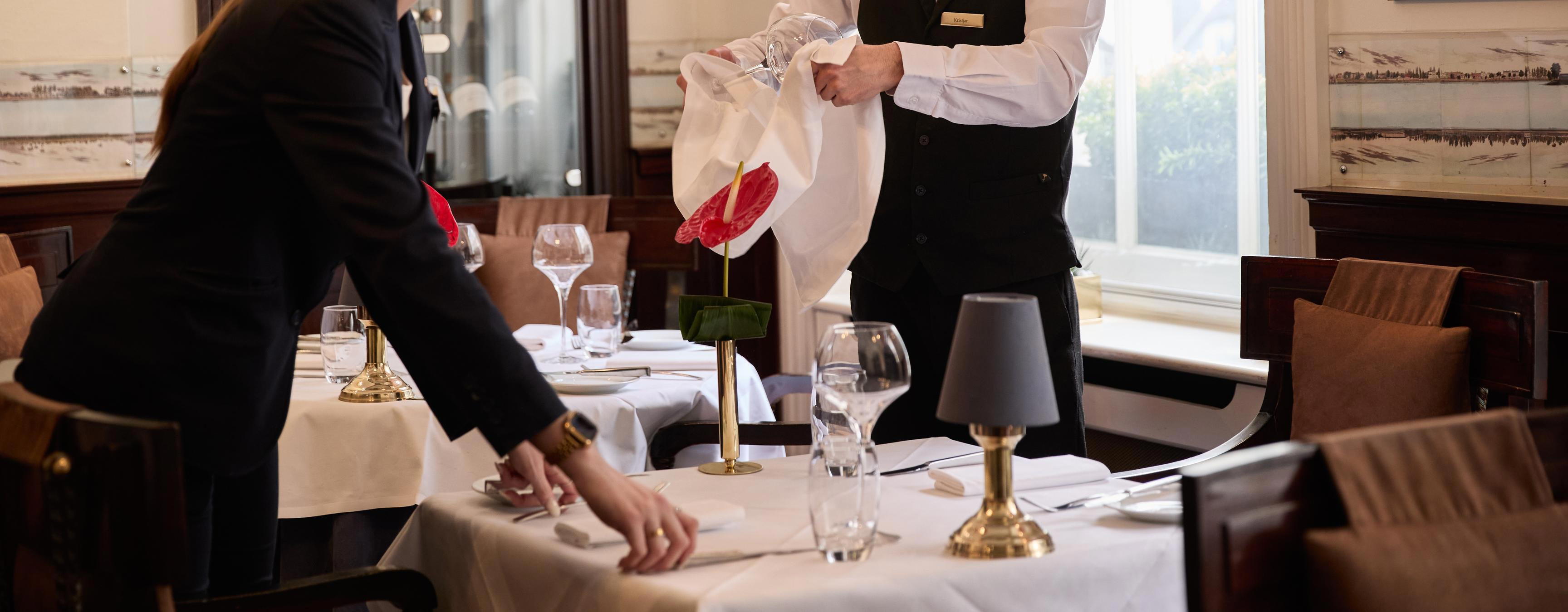

Bars in Minneapolis
Browse all →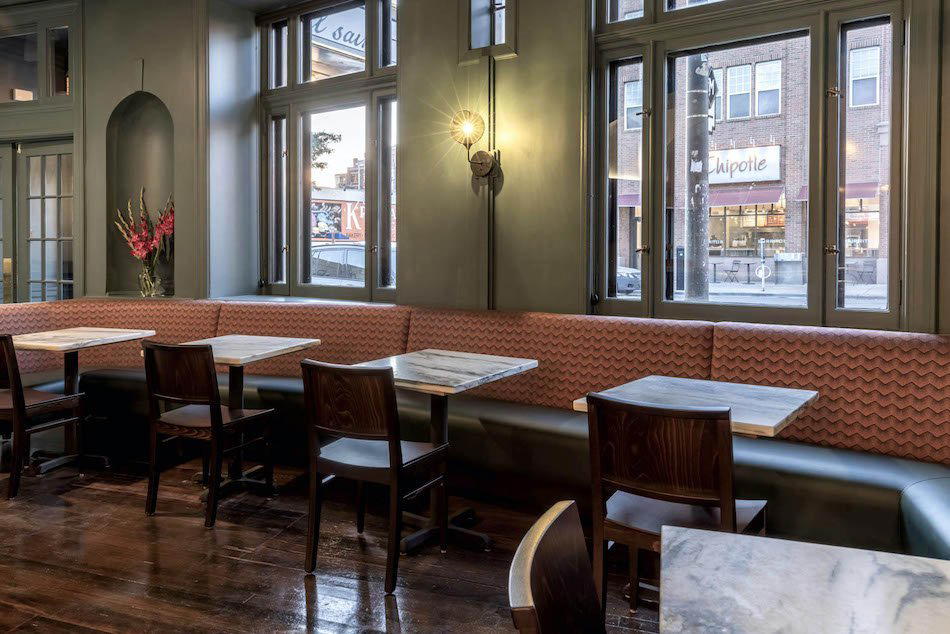

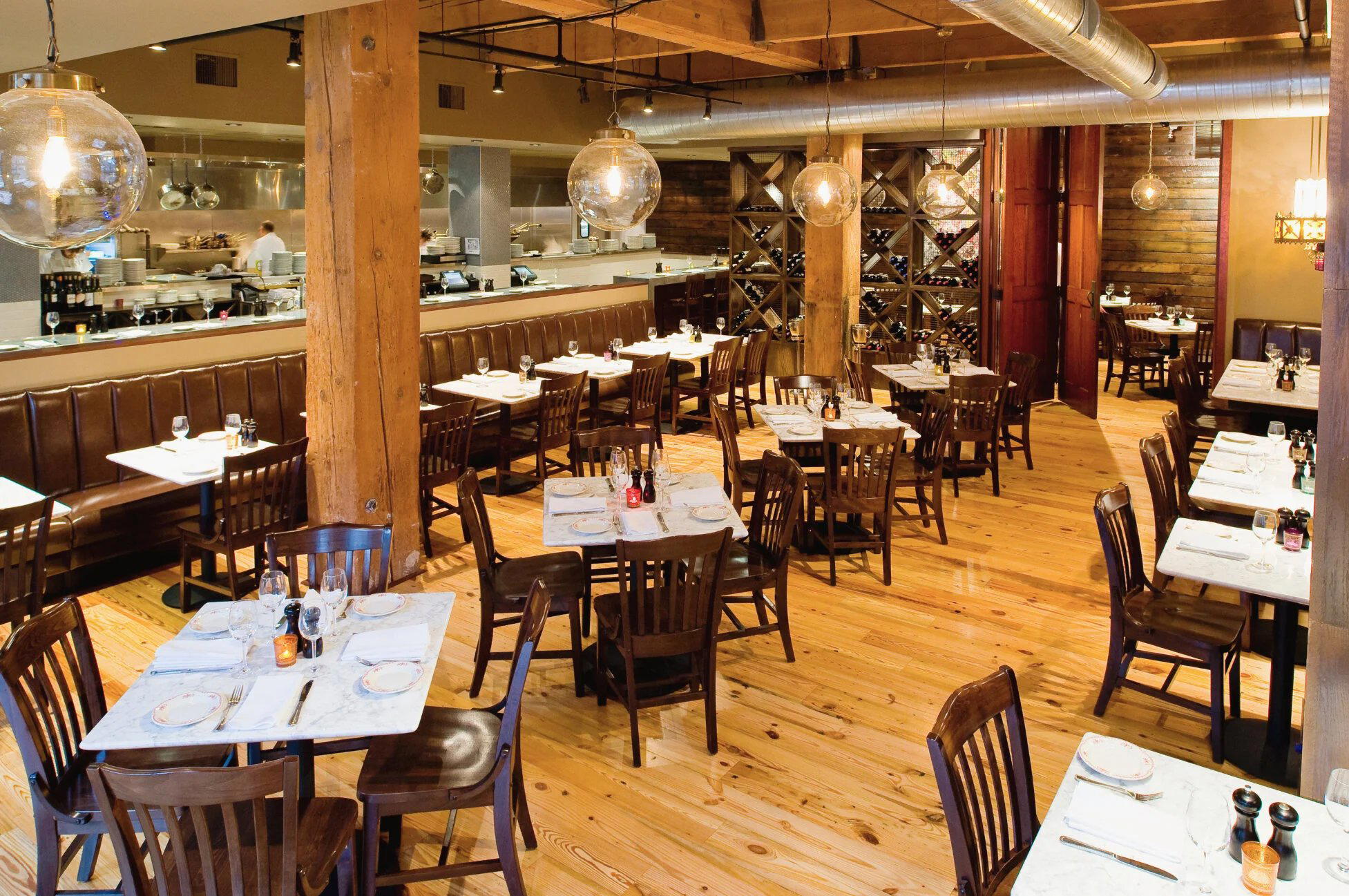
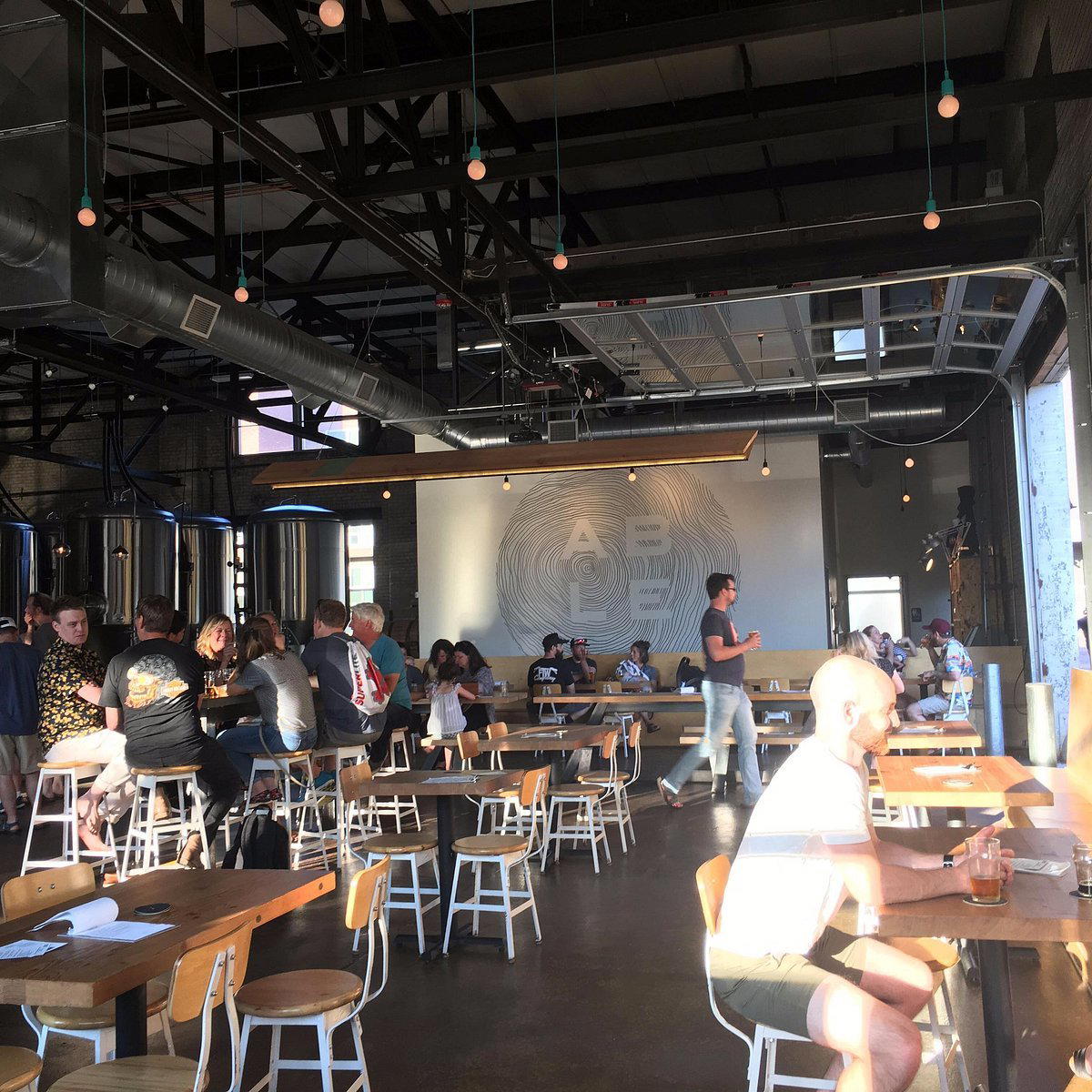




At a Glance
- Modern
- Scenic
- Trendy
- Well Known
- Special Occasion
- Date Night
- Group Dining
- Waterfront
- Open Kitchen
- Craft Cocktails
- Natural Wine
- Local Sourcing
- Farm To Table
- Waterfront
Current opening hours
- Monday
- Closed
- Tuesday
- 11 AM–9 PM
- Wednesday
- 11 AM–9 PM
- Thursday
- 11 AM–9 PM
- Friday
- 11 AM–9 PM
- Saturday
- 10 AM–9 PM
- Sunday
- 10 AM–9 PM
Hours can change for holidays and private events. Last verified .
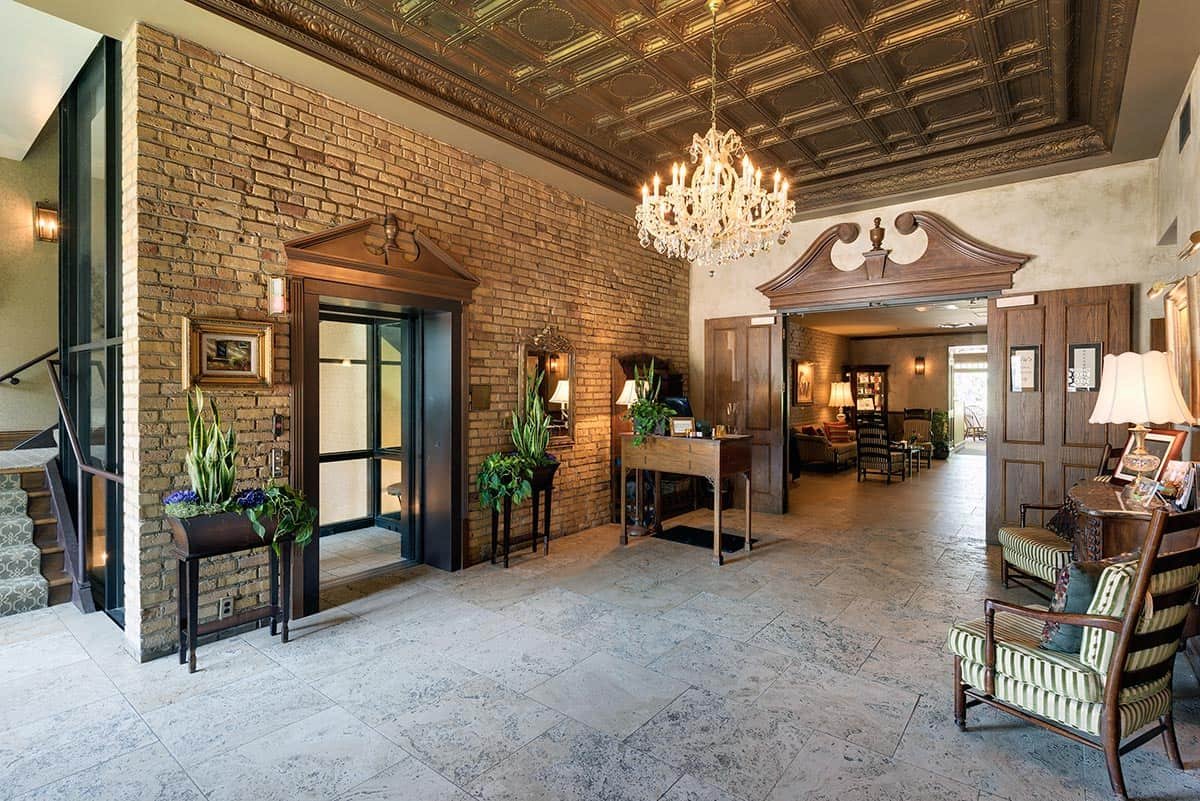
Modern setting with dramatic waterfront views of the Mississippi River and Stone Arch Bridge, featuring natural light and a focus on cultural storytelling through food.