Aloft Minneapolis
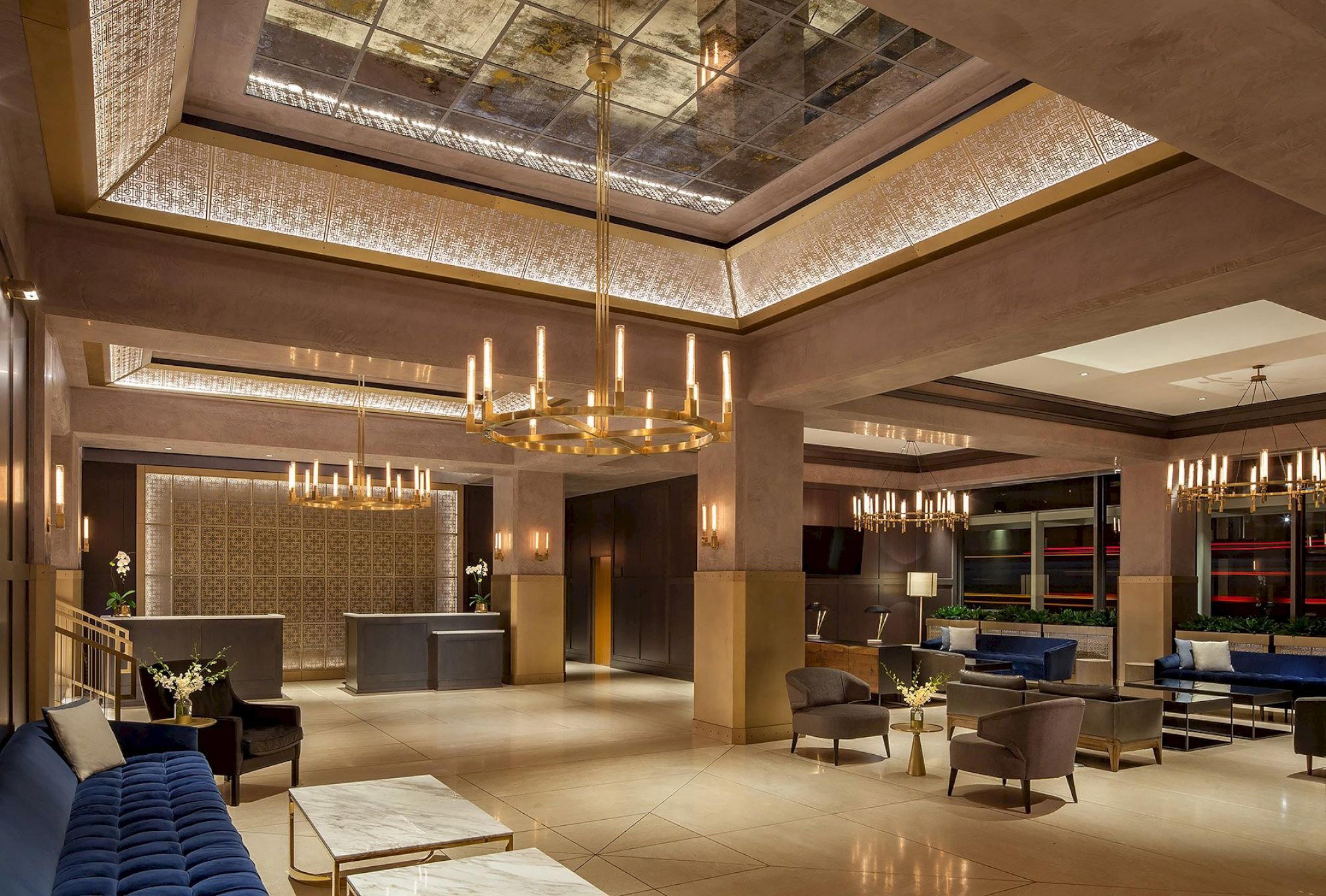
Aloft Minneapolis occupies 900 Washington Avenue South in the Mill District, placing it at the edge of the Mississippi riverfront and within walking distance of the city's core arts and transit corridors. The property follows Aloft's signature loft-inspired design language, open volumes, modular furnishings, and a deliberately industrial palette that references the warehouse architecture of the surrounding neighbourhood.

Pearl is the En Primeur Club membership app, where members save venues, book tables and use the concierge.
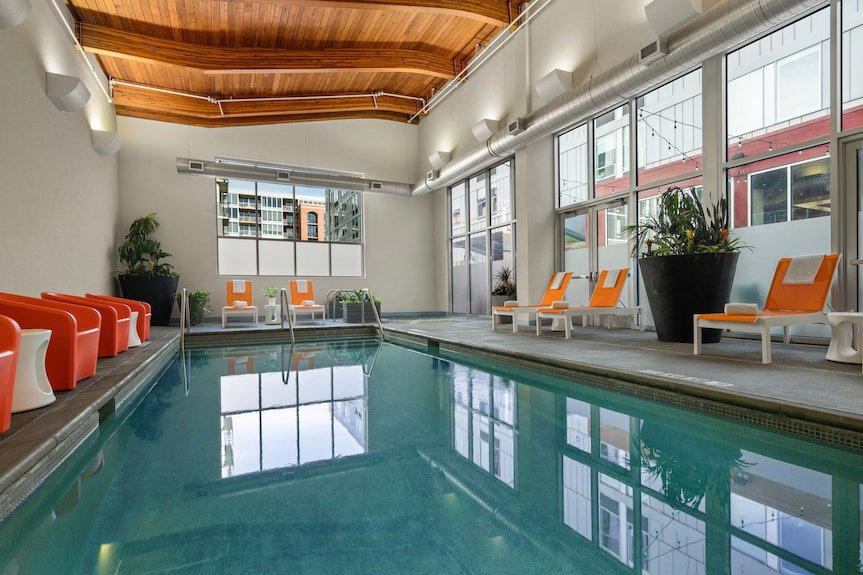
Mill District Geometry: How Aloft Minneapolis Fits the Neighbourhood's Design Logic
Minneapolis's Mill District is one of the more architecturally coherent neighbourhoods in the American Midwest. Built on the bones of the flour-milling industry that once made the city the world's largest grain-processing centre, the area along Washington Avenue South retains its brick warehouse scale, wide bays, generous ceiling heights, and a material honesty that later adaptive-reuse projects and new-build hotels have tried, with varying success, to absorb. Aloft Minneapolis, at 900 Washington Avenue South, sits at the eastern edge of this corridor, where the riverfront greenway meets the light rail spine connecting downtown to the airport.
The Aloft brand, part of Marriott's portfolio, developed its design vocabulary in deliberate contrast to the carpeted, corridor-heavy formats that defined mid-market American hotels through the 1990s. The template, open-plan lobbies functioning as social hubs, rooms organised around the bathroom as a design centrepiece, furniture that prioritises adaptability over formality, landed with particular logic in the Mill District, where the surrounding industrial conversion buildings had already established a local aesthetic of exposed structure and flexible space. Here, the hotel's loft-inspired geometry reads less like a corporate brand exercise and more like a considered response to its immediate context.
The Design Framework Inside the Building
Aloft's standard room configuration strips out the domestic clutter typical of full-service hotels, no ornamental headboards, no layered drapery systems, no minibar cabinet pretending to be furniture. What replaces it is a tighter, more deliberate arrangement: a signature walk-in shower rather than a bath-shower combination, a work surface designed for a laptop rather than a writing desk performing the idea of productivity, and custom-designed beds on platform frames that keep the sightline low and the sense of volume intact. The palette runs to concrete-adjacent neutrals, with accent colours that shift by property but typically hold to the urban-industrial register the brand established from its earliest openings.
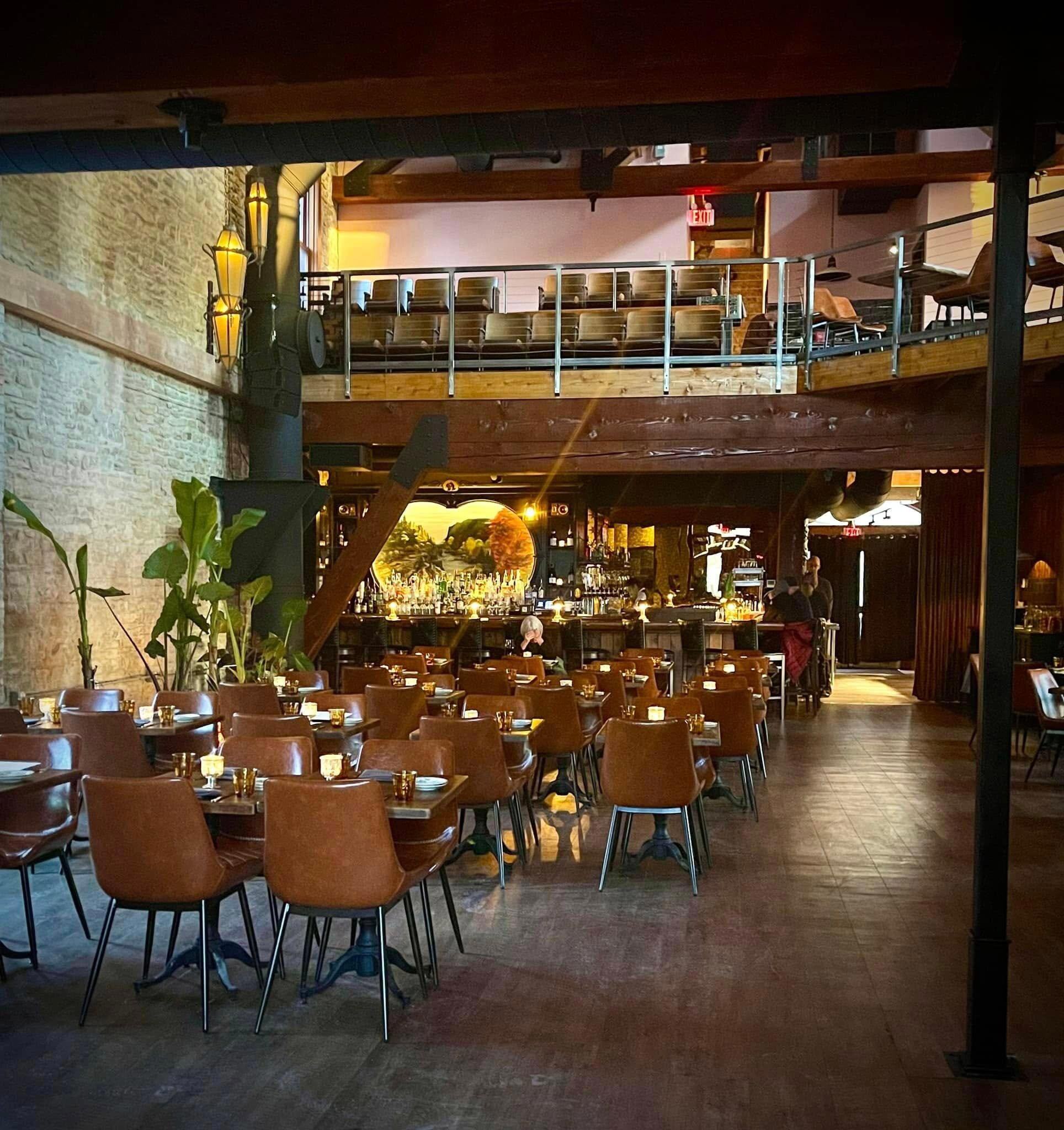
In the Minneapolis context, this approach sits in interesting dialogue with the city's broader hotel market. Properties like the Hewing Hotel occupy the premium end of the industrial-conversion category, converting a former 1900s warehouse on North 1st Street into a genuinely site-specific property where the original timber and brick are structural elements rather than decorative gestures. The The Chambers Hotel takes a different route, using contemporary art as its primary design language in a Hennepin Avenue building with its own architectural history. Aloft's position is deliberately mid-register, it applies a consistent brand grammar rather than a one-property custom brief, which means it competes on accessibility and repeatability rather than singular identity.
For travellers whose primary reference points are design-forward, brand-agnostic properties, places like Troutbeck in Amenia or Post Ranch Inn in Big Sur, where the physical environment is the editorial, Aloft operates in a structurally different register. It is a well-executed brand template, not a destination architecture project. The distinction matters for setting expectations.
Location as the Property's Strongest Asset
Where the building itself operates within the conventions of its brand system, the address at 900 Washington Avenue South is a genuine locational advantage. The Mill District positions the hotel within a 10-minute walk of US Bank Stadium, the Stone Arch Bridge, and the Minnesota Riverfront Regional Park trail network along the Mississippi. The Green Line light rail stop at Washington and 5th provides direct access to both Minneapolis-St. Paul International Airport and the St. Paul downtown corridor, a logistical convenience that matters for conference and transit travellers more than leisure guests, but registers for anyone who has navigated downtown Minneapolis parking in winter.
The neighbourhood's dining and drinking options have matured considerably over the past decade, with the Warehouse District and North Loop, accessible on foot or by a short ride, hosting a concentration of chef-driven restaurants and independent bars that give the area a credible food identity. For a fuller account of where to eat and drink across the city, our full Minneapolis restaurants guide maps the relevant territory. The hotel's Washington Avenue address also places it within reasonable distance of the Guthrie Theater, one of the most significant regional theatre programmes in the country, which draws a consistent stream of culturally oriented visitors to this part of the riverfront.
Positioning Within the Minneapolis Hotel Market
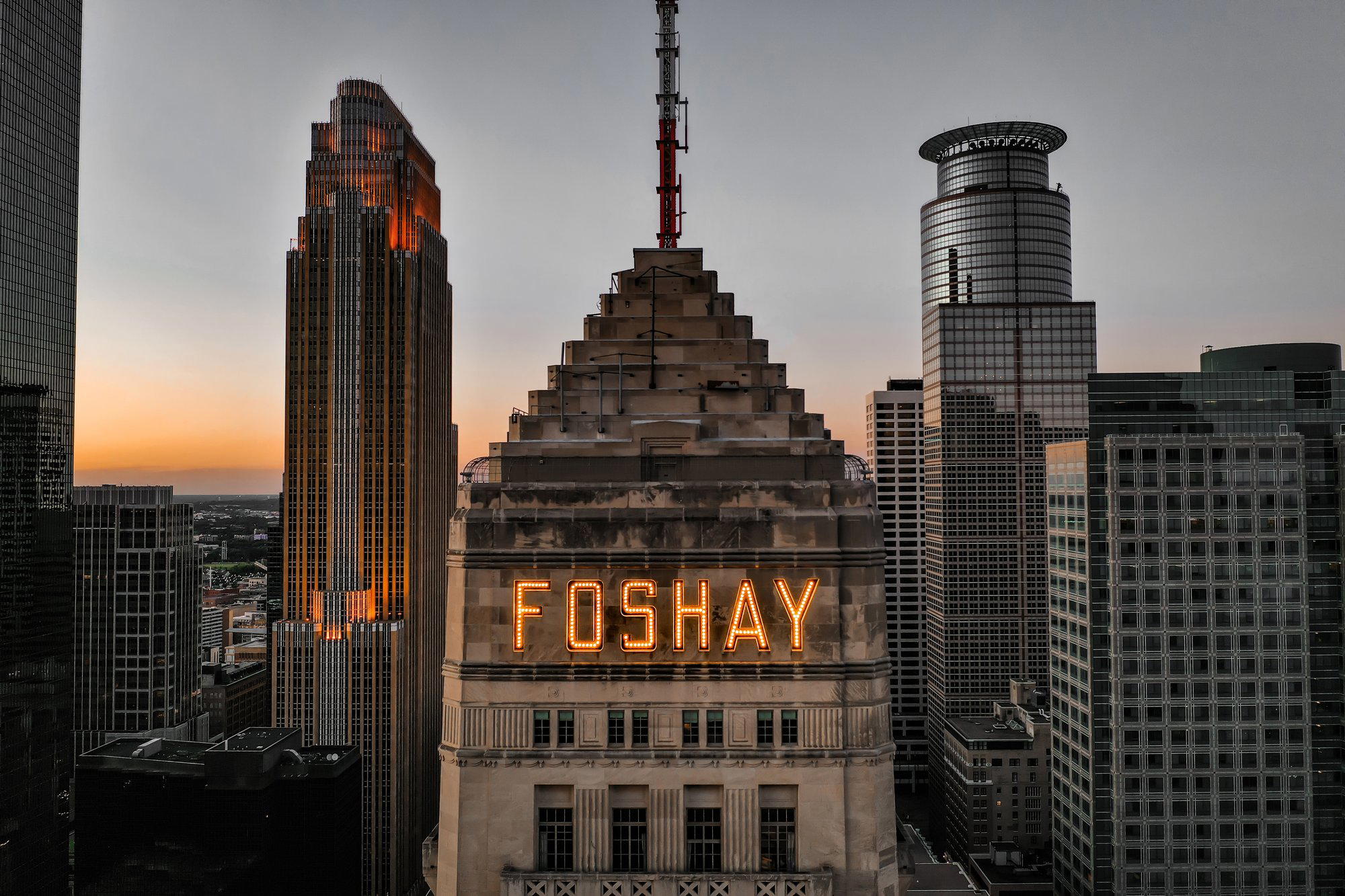
Minneapolis's hotel market has grown increasingly stratified over the past several years. At the upper end, the Four Seasons Hotel Minneapolis and Hotel Ivy, A Luxury Collection Hotel, Minneapolis anchor the full-service luxury tier, with full spa programmes, destination restaurants, and room rates calibrated to corporate expense accounts and leisure travellers with high service expectations. The W Minneapolis - The Foshay occupies a lifestyle tier adjacent to Aloft's, set inside the 1929 Foshay Tower, a property where the building's history does significant editorial work that the brand layer reinforces rather than generates. The Nicollet Island Inn and Alma represent the independent, place-specific end of the market, where the physical and culinary identity is inseparable from a specific location and ownership philosophy.
Aloft sits between the lifestyle chains and the entry-level business hotels, a positioning that has worked consistently in cities where the brand's design grammar fills a gap between generic business accommodation and full-service luxury. For travellers comparing the Minneapolis market against properties they know elsewhere, the Raffles Boston in Boston's Back Bay, or Aman New York at the far upper end of the spectrum, Aloft registers as a functional, design-aware option rather than a property making a strong architectural or hospitality argument in its own right.
For the specific traveller this matters to, arriving on a tight schedule, prioritising location and room functionality over experiential programming, and comfortable with the Marriott Bonvoy loyalty infrastructure, the Mill District address and the brand's consistent execution make a coherent case. The The Marquette Hotel, Curio Collection by Hilton, for comparison, anchors a different profile: a historic IDS Center building with its own Hennepin Avenue presence and a distinct downtown-core orientation.
Planning Your Stay
The hotel's 900 Washington Avenue South address makes the Green Line the most practical airport connection, a direct 25-minute ride from MSP to the Washington Avenue stop eliminates the need for a car in almost all non-winter weather conditions, and even in winter the enclosed skyway network provides shelter once guests reach the downtown core. Reservations are managed through Marriott's standard Bonvoy platform, and the property operates within the Aloft brand's typical format of limited food and beverage programming with an emphasis on the WXYZ bar concept as the primary social space rather than a full-service restaurant. Travellers requiring full-service dining on-site will find the property's offer constrained compared with the Four Seasons Hotel Minneapolis or Hotel Ivy, but the Mill District's own restaurant concentration within walking distance offsets this for guests prepared to eat out. Booking the hotel's upper floors, where available, places the Mississippi River views into play, a significant atmospheric variable in a building where the brand's interior formula leaves most of the locational differentiation to the window.
In Context: Similar Options
A quick peer reference to anchor this venue in its category.
| Venue | Price | Awards |
|---|---|---|
| Aloft MinneapolisThis venue (the venue you are viewing) | $100–200 | Not listed |
| Four Seasons Hotel Minneapolis | Not listed | 1 Michelin Key |
| Hotel Ivy, A Luxury Collection Hotel, Minneapolis | $300–500 | Michelin Selected · Forbes Recommended |
| Hewing Hotel | $200–300 | Michelin Selected |
| Nicollet Island Inn | $100–200 | Not listed |
Continue exploring
More in Minneapolis
Hotels in Minneapolis
All hotels in Minneapolis →

Details
- Modern
- Trendy
- Lively
- Energetic
- Business Trip
- Weekend Escape
- Rooftop Pool
- Wi Fi
- Pool
- Fitness Center
- Business Center
- Street Scene
- Skyline
- Wheelchair Accessible
- Elevator
- Accessible Parking
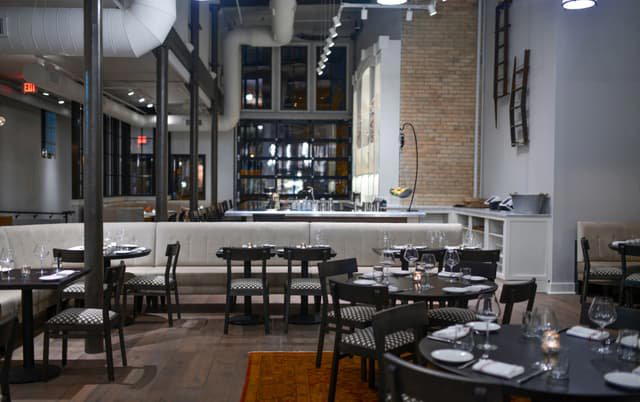
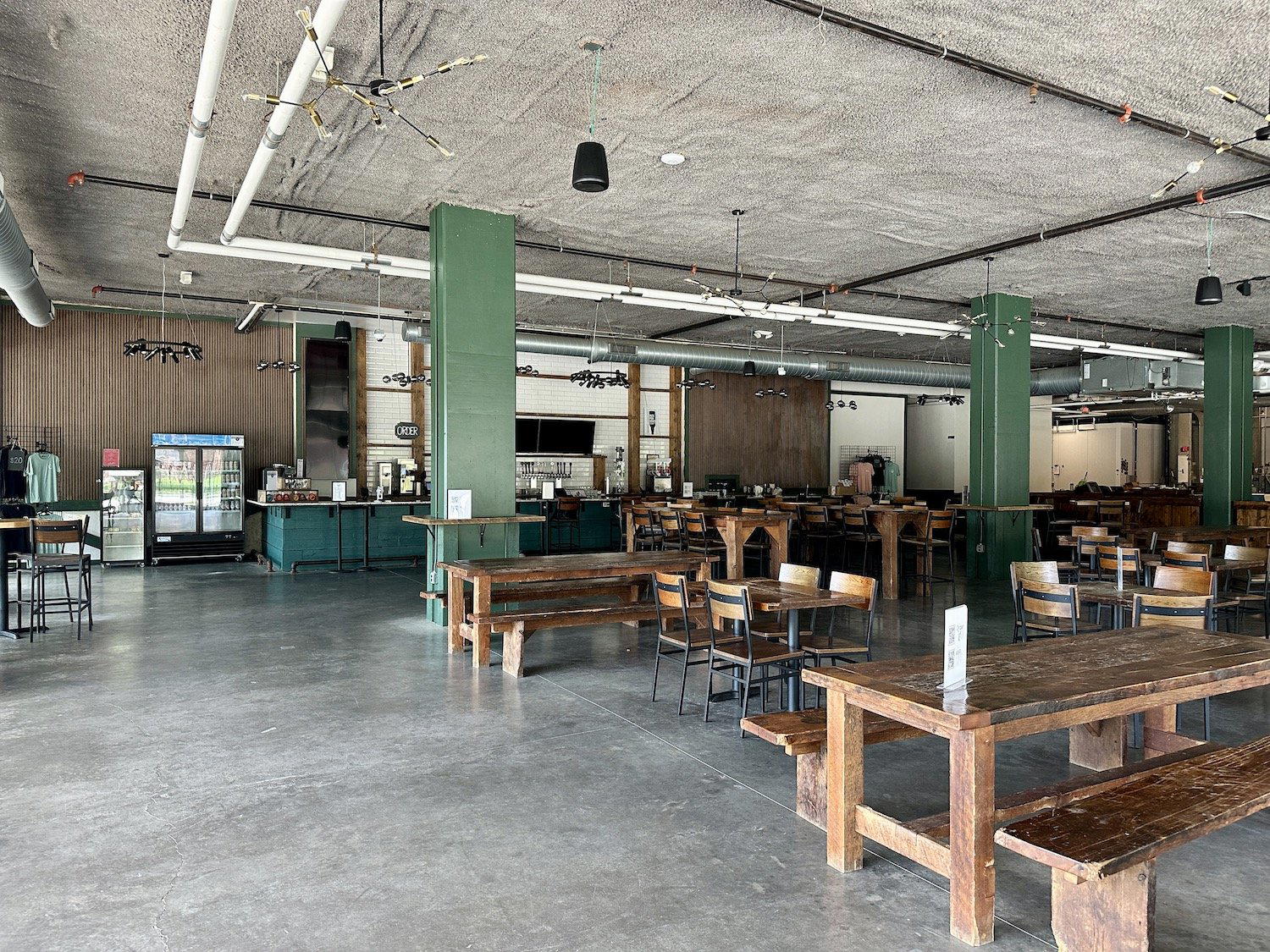
Playful and energetic atmosphere with modern design, lively colors, lively lobby social areas, and late-night food and drink options.