Alma
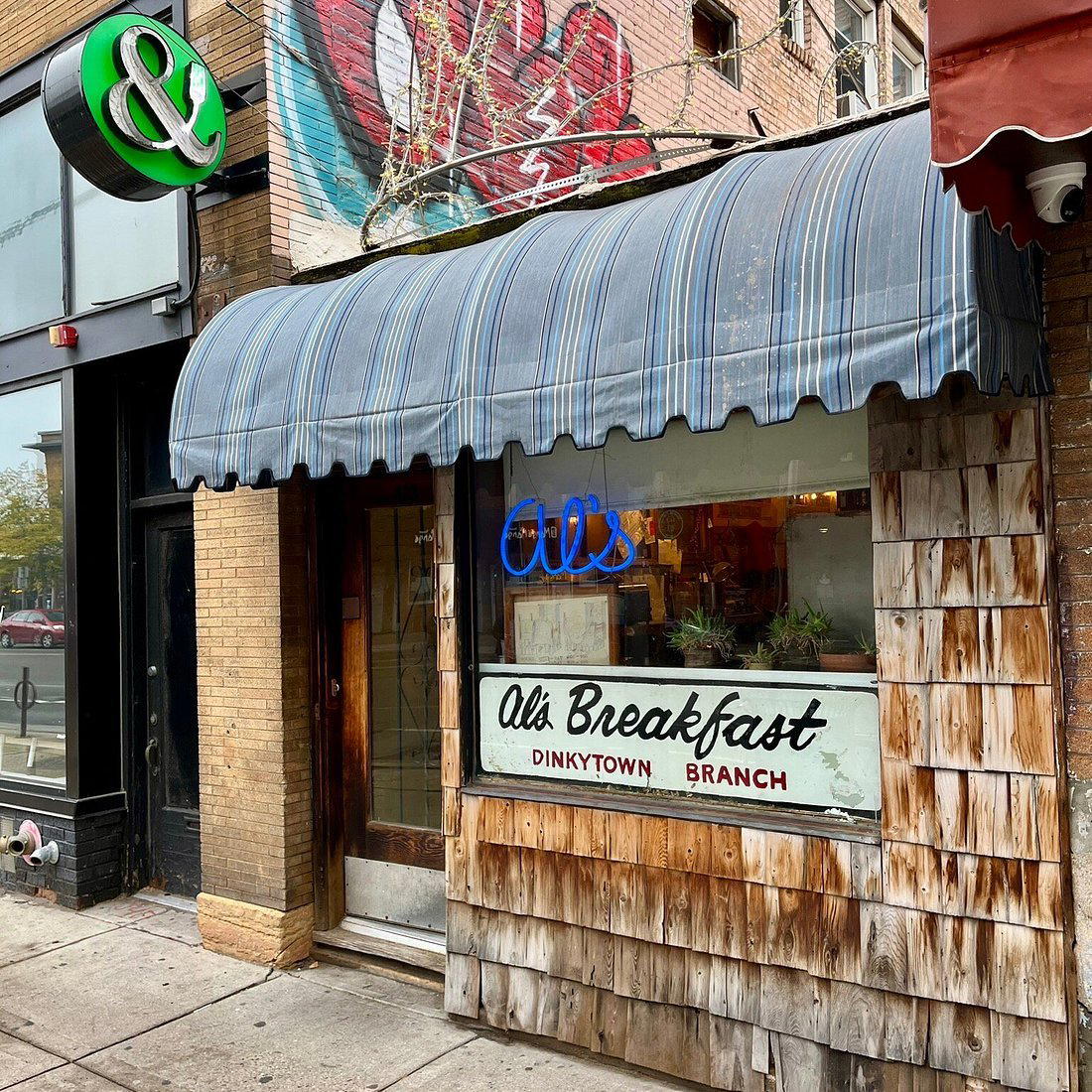
Alma occupies a corner of Southeast Minneapolis's Dinkytown-adjacent stretch along University Avenue SE, where the city's independent dining scene has long operated at a remove from downtown's hotel-anchored restaurant corridors. The address at 528 University Ave SE places it squarely in a neighbourhood defined by proximity to the University of Minnesota campus and a history of chef-driven, owner-operated rooms that prioritise cooking over concept.
Pearl is the En Primeur Club membership app — saves, bookings, and concierge access live there. Same editors, same standards.
- Address
- 528 University Ave SE, Minneapolis, MN 55414
- Phone
- +1 612 379 4909
- Website
- almampls.com
- Directions
- Get directions
 Saves & bookings on Pearl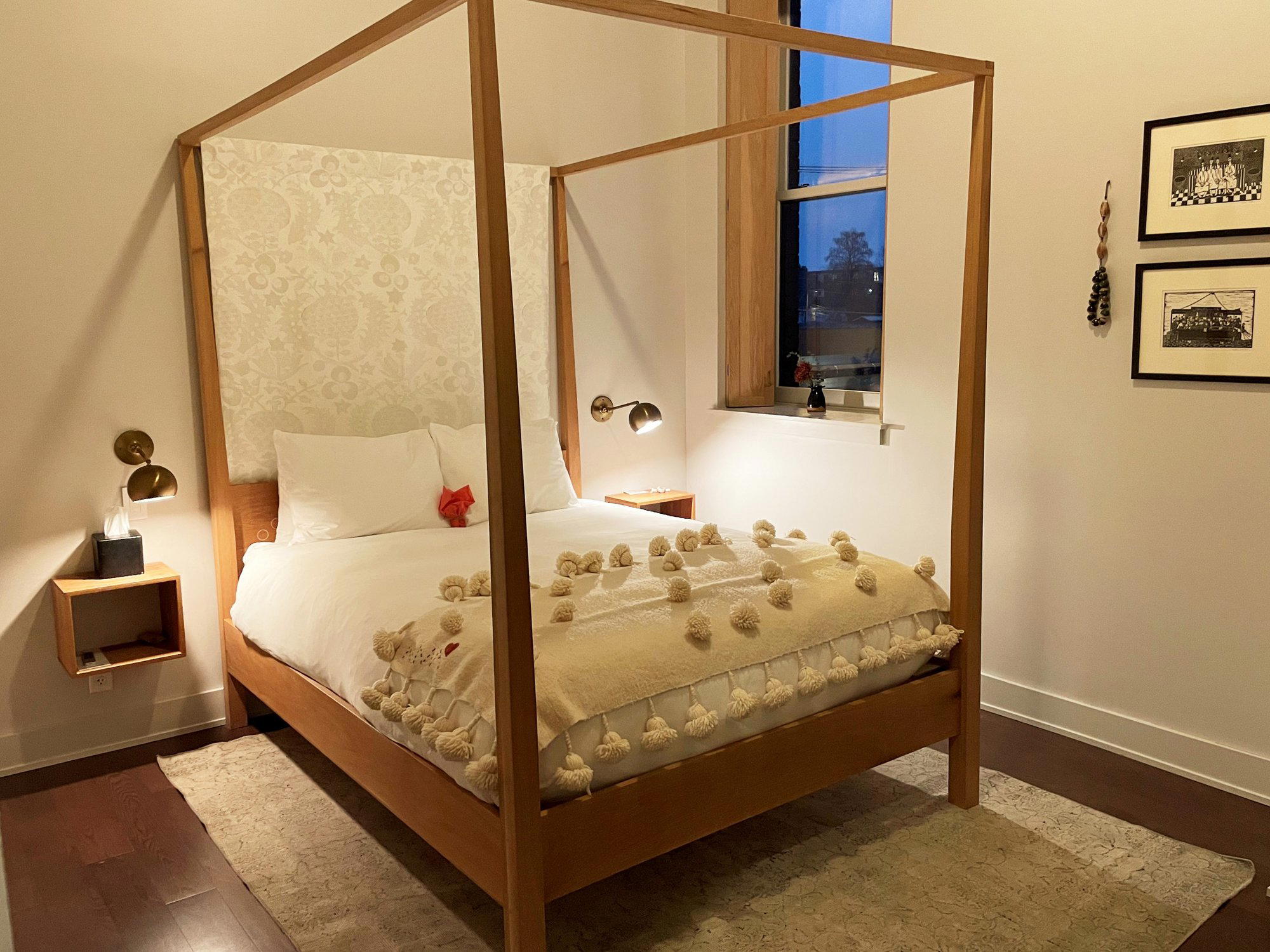
University Avenue and the Case for Neighbourhood Dining in Minneapolis
Minneapolis has developed two distinct restaurant geographies over the past decade. The first runs through downtown and the North Loop, where hotel dining programmes at properties like the Four Seasons Hotel Minneapolis and the W Minneapolis - The Foshay anchor the high-end side of the market. The second geography runs east, across the river and into the corridors adjacent to the University of Minnesota campus, where independent restaurants have operated for years outside the hotel-dining orbit. Alma, at 528 University Ave SE, belongs firmly to the second category. It sits on a stretch of University Avenue SE that has historically attracted chef-operated rooms drawing from both student and professional neighbourhoods, a different competitive set than what you find around Nicollet Mall.
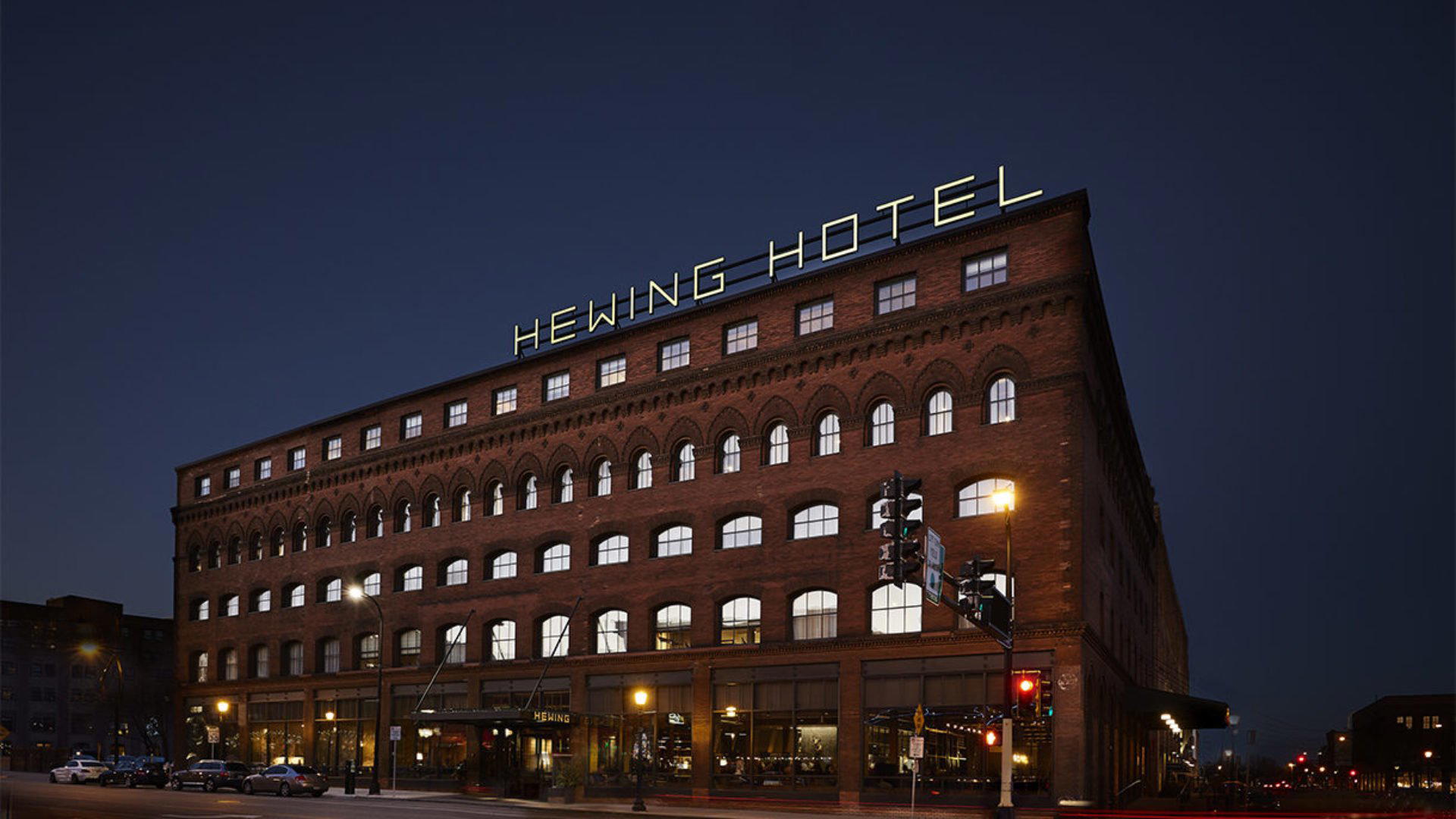
That positioning matters for understanding what Alma is and, equally, what it is not. It does not compete with the lobby-level dining programmes at the Hotel Ivy, A Luxury Collection Hotel, or the design-forward dining at the Hewing Hotel. Its comparable set is a smaller, neighbourhood-rooted tier of Minneapolis dining that has carved out sustained relevance by staying close to its address and its regulars.
The Neighbourhood Room as a Distinct Format
Across American mid-size cities, a particular restaurant format has demonstrated staying power: the neighbourhood dining room that functions at the upper end of its residential corridor without scaling toward a downtown or tourist footprint. This is different from a bistro in the casual sense and different again from a destination restaurant built to draw from a metropolitan radius. It is a room designed to be returned to, with a programme that rewards familiarity over spectacle.
Southeast Minneapolis has produced several examples of this format over the years, and University Avenue SE has been one of the streets where it takes root most naturally. The proximity to the University of Minnesota creates a dining public that skews younger and more price-sensitive at the low end, but the surrounding residential neighbourhoods, Prospect Park, Marcy-Holmes, and the streets running south toward the river, support a consistent adult professional audience that can sustain a serious kitchen. Alma operates in the overlap between those two audiences, which is one reason this stretch of the city produces restaurants with unusual longevity compared to higher-profile openings in more competitive downtown corridors. For broader context on the Minneapolis dining scene, see our full Minneapolis restaurants guide.
What the Address Signals About the Dining Programme
Alma is a 3-star hotel at 528 University Ave SE in Minneapolis. University Avenue SE does not attract venues built around celebrity chef partnerships or hotel-anchored concept dining. What it attracts, and what has sustained the strongest rooms on this corridor, is cooking with a clear point of view and an ownership structure close enough to the kitchen to maintain that point of view over time.
That model contrasts with the hotel-dining tier, where culinary identity is often set at a brand level and executed through a management structure. Properties like the The Chambers Hotel or the Nicollet Island Inn operate dining programmes that serve a dual function: feeding hotel guests and attracting local diners. The neighbourhood room has no such dual mandate. It answers only to the dining room itself, which typically produces a tighter, more consistent result when the kitchen is engaged.
For travellers arriving in Minneapolis with a hotel booking already in hand, whether at the Marquette Hotel or the Aloft Minneapolis, a dinner on University Avenue SE requires a short transit or rideshare across the river but offers a different experience from what the downtown hotel corridors provide. That travel across the Mississippi is a feature, not an inconvenience: it puts you inside a neighbourhood rather than a hospitality district.
Planning a Visit
Alma is located at 528 University Ave SE, Minneapolis, MN 55414, in the Dinkytown-adjacent section of the University Avenue corridor. Reservations are recommended. The address is accessible by the Metro Green Line, with the Stadium Village station a walkable distance east along University Avenue, which makes this a practical dinner option for visitors staying in downtown hotels who want to move through the city rather than stay anchored to it.
Alma represents the opposite pull: it draws diners out of their hotels and into a neighbourhood, which is a different kind of recommendation to make and a different kind of experience to have.
Price Lens
Comparable venues nearby, for context on price, style, and recognition.
| Venue | Price | Awards | Notes |
|---|---|---|---|
| AlmaThis venue — the venue you are viewing | $$$ | 3-Star | Not listed |
| Aloft Minneapolis | $$ | 3-Star | Mill District, Loft-inspired urban hotel targeting younger travelers with emphasis on social public spaces. |
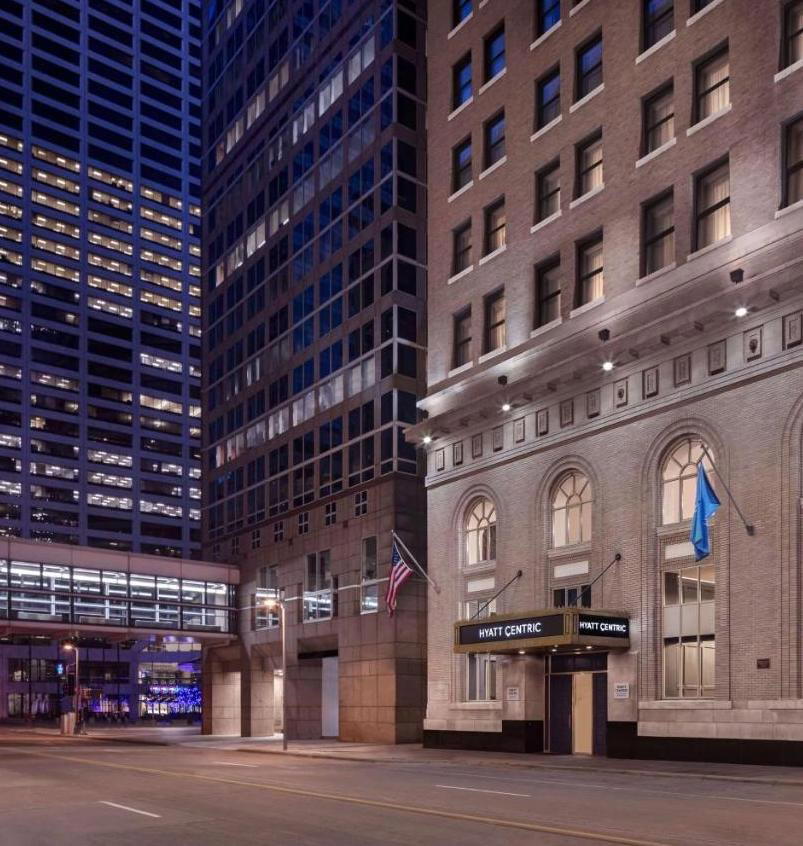
| Hyatt Centric Downtown Minneapolis | $$$ | 4-Star | Downtown West, Historic boutique with modern luxury |
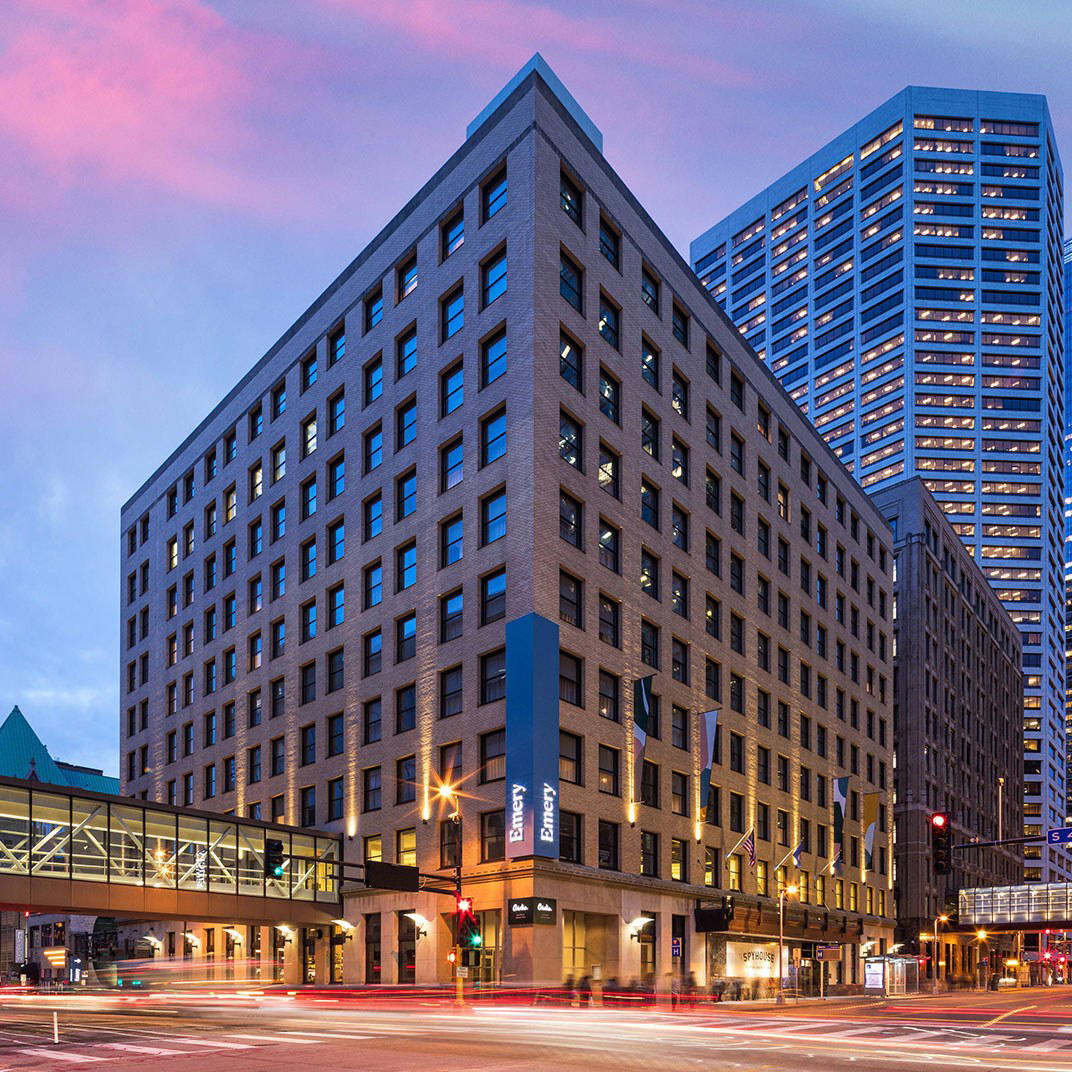
| Emery Hotel | $$$$ | 4-Star | Downtown West, Lifestyle luxury hotel in historic bank building |
| The Lofton Hotel | $$$ | 4-Star | WeDo, full-service lifestyle hotel with contemporary rooms highlighting local topography |
| The Marquette Hotel, Curio Collection by Hilton | $$$ | 4-Star | WeDo, Refined historic property with modern redesign showcasing local heritage. |
Continue exploring
More in Minneapolis
Hotels in Minneapolis
Browse all →
Bars in Minneapolis
Browse all →
At a Glance
- Elegant
- Intimate
- Minimalist
- Sophisticated
- Cozy
- Romantic Getaway
- Weekend Escape
- Anniversary
- Historic Building
- Design Destination
- Wi Fi
- Wi Fi
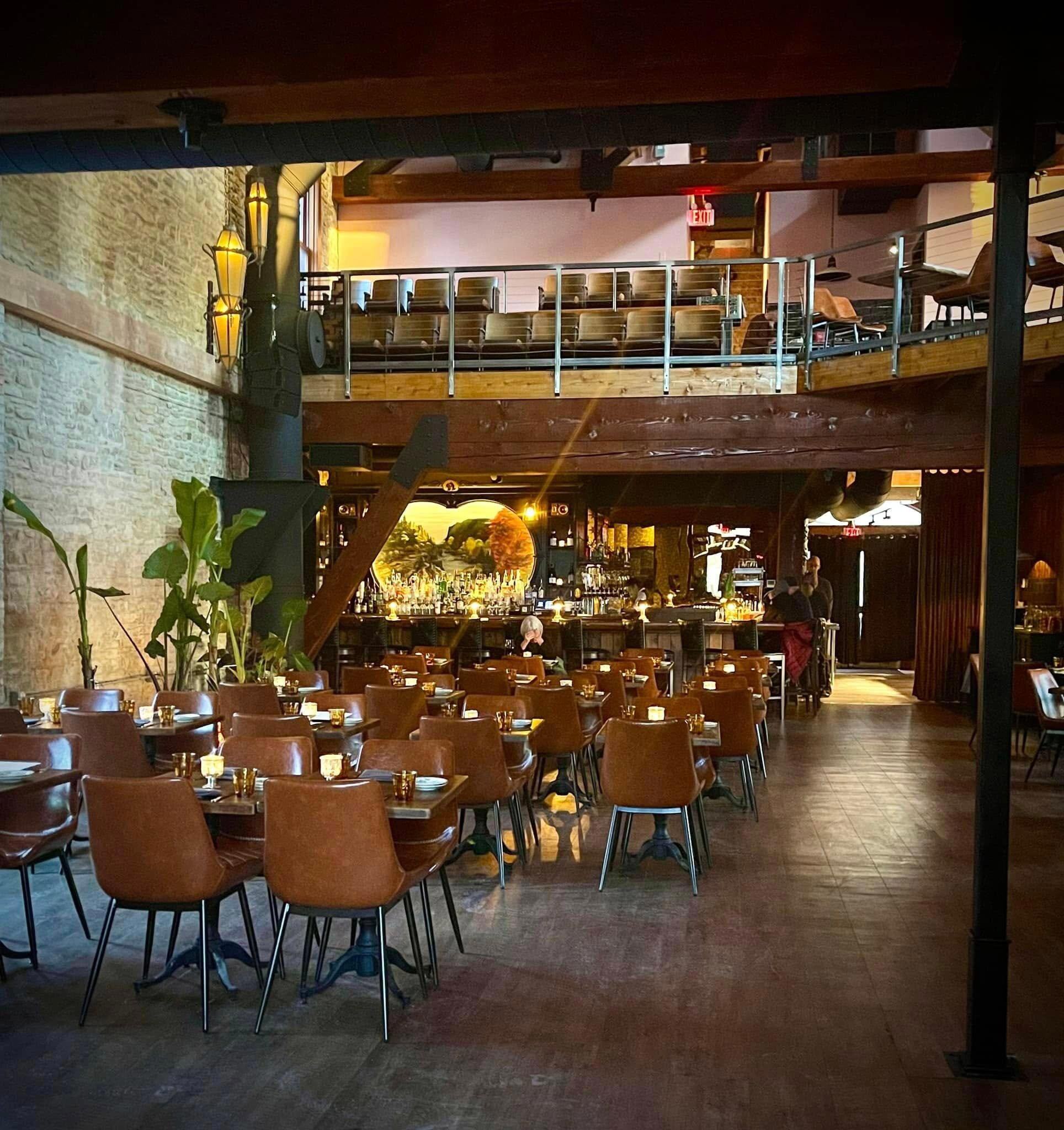
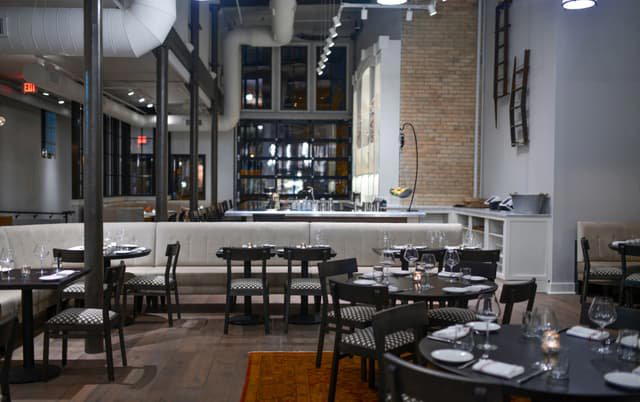
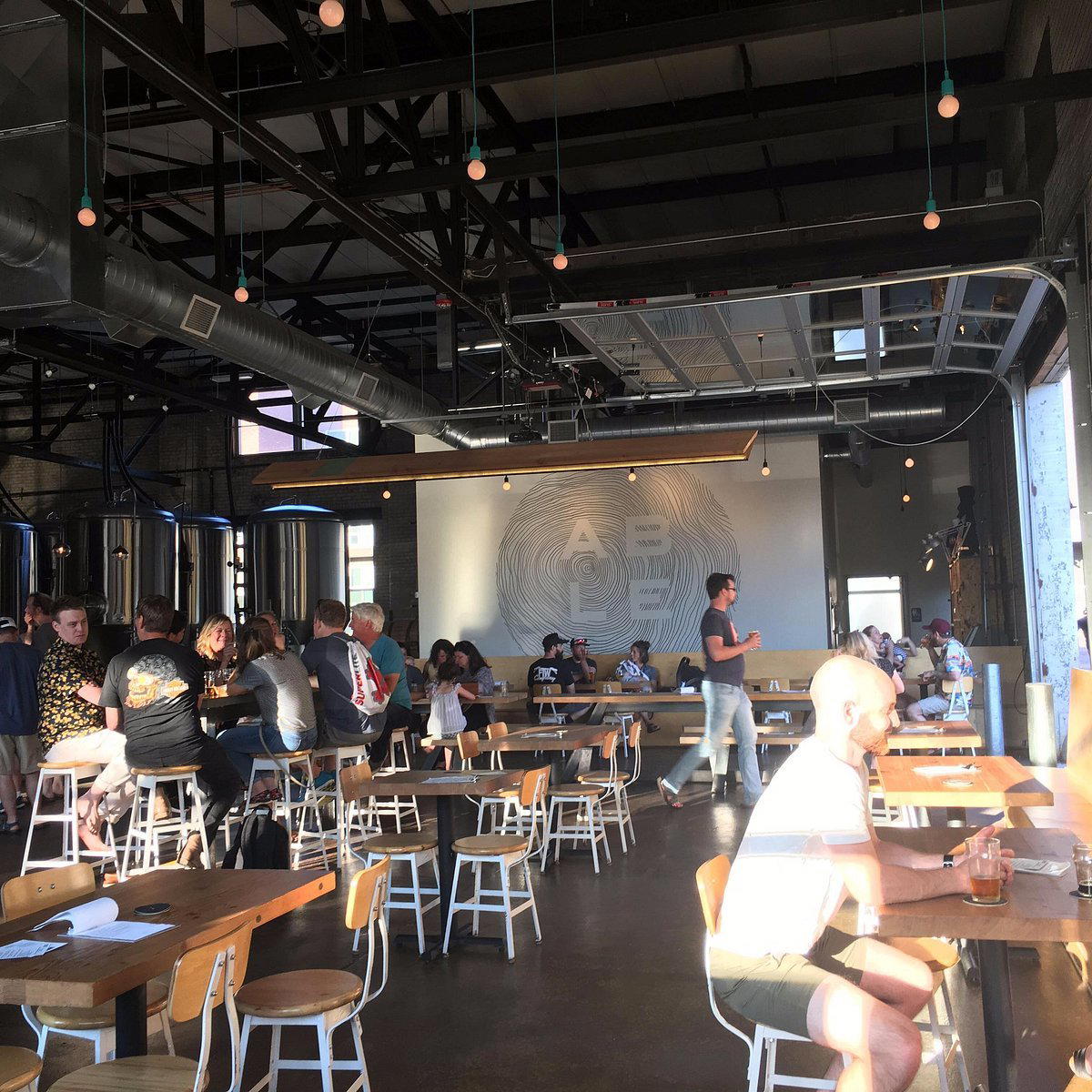
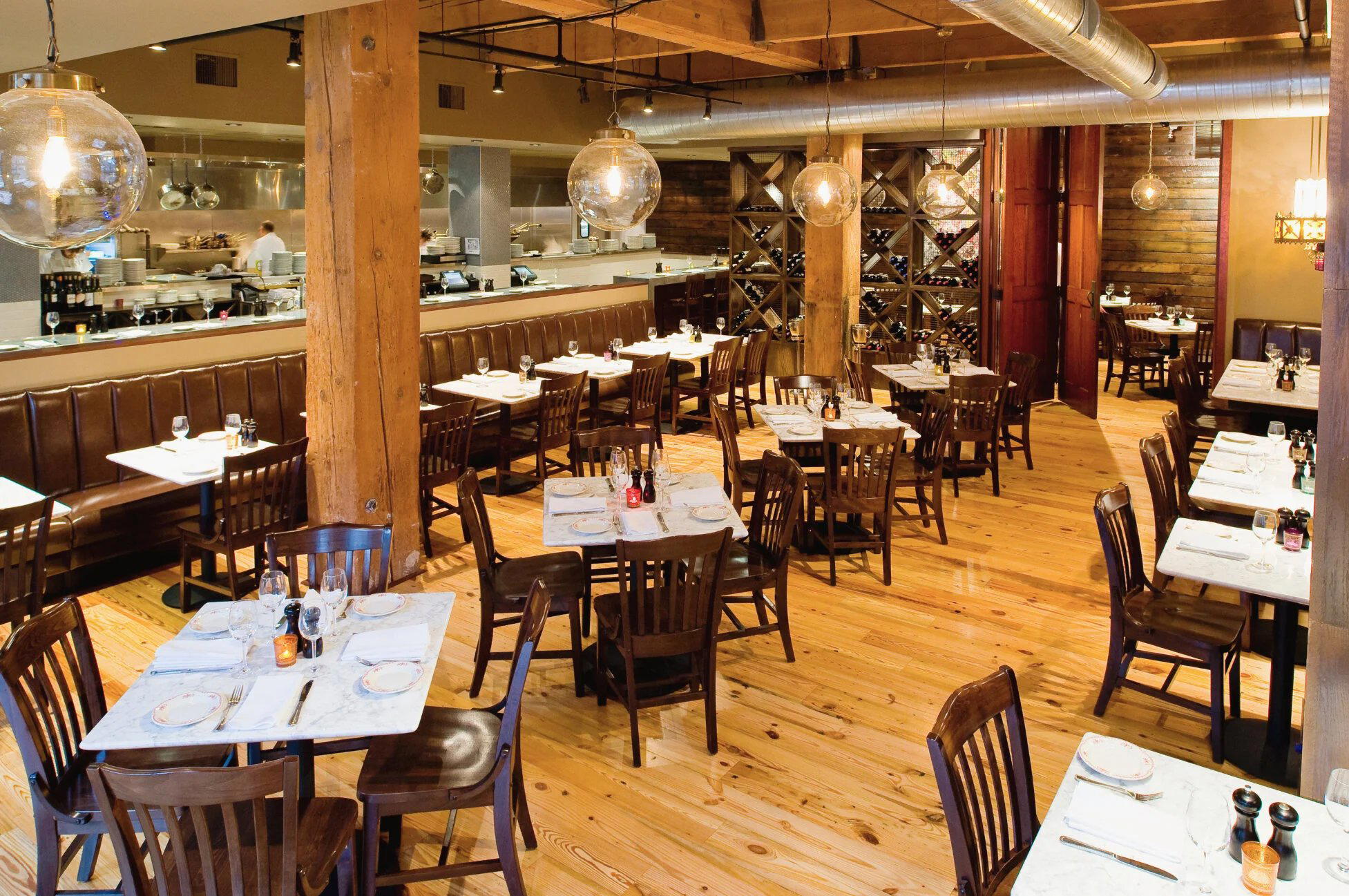
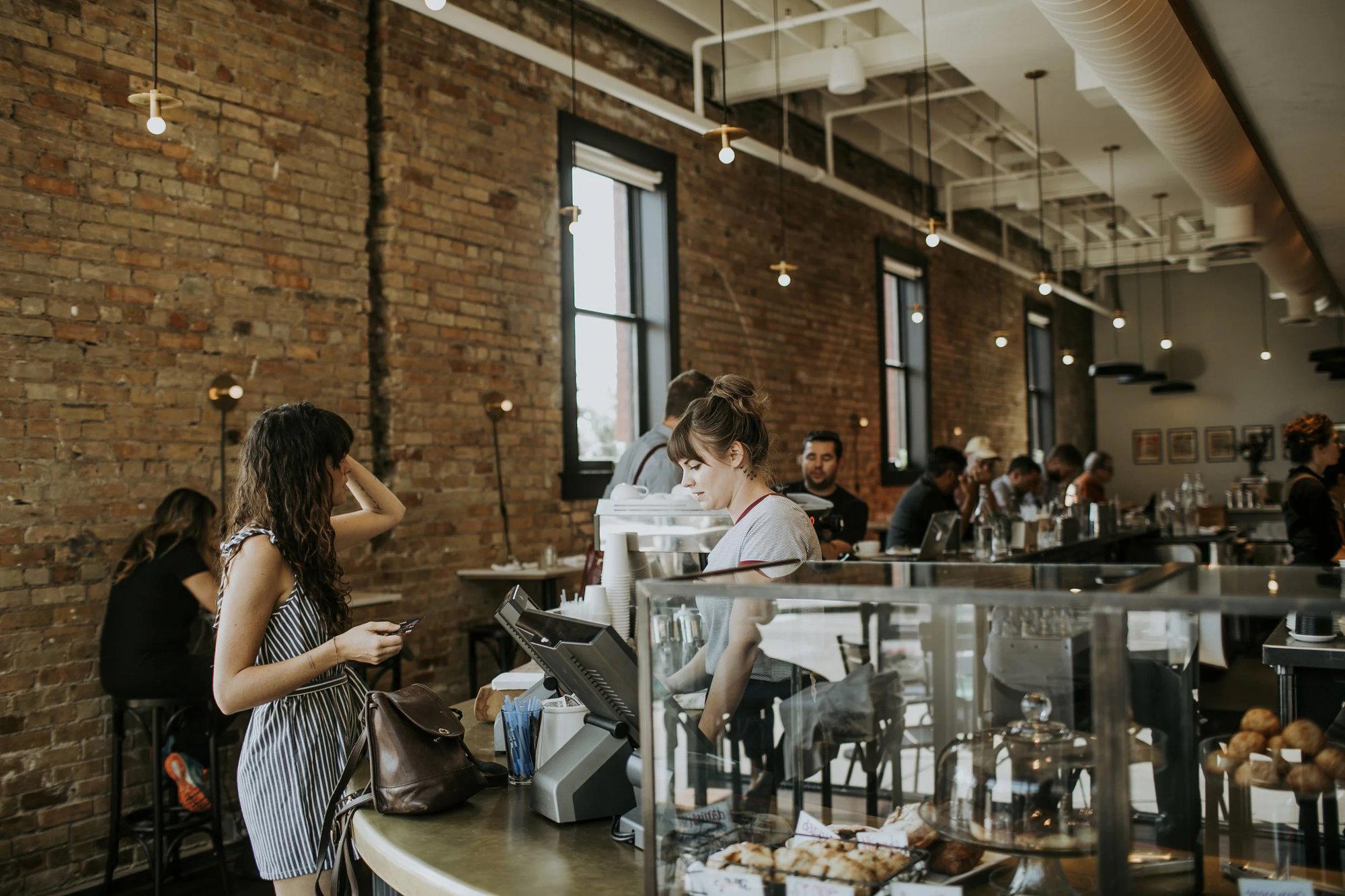
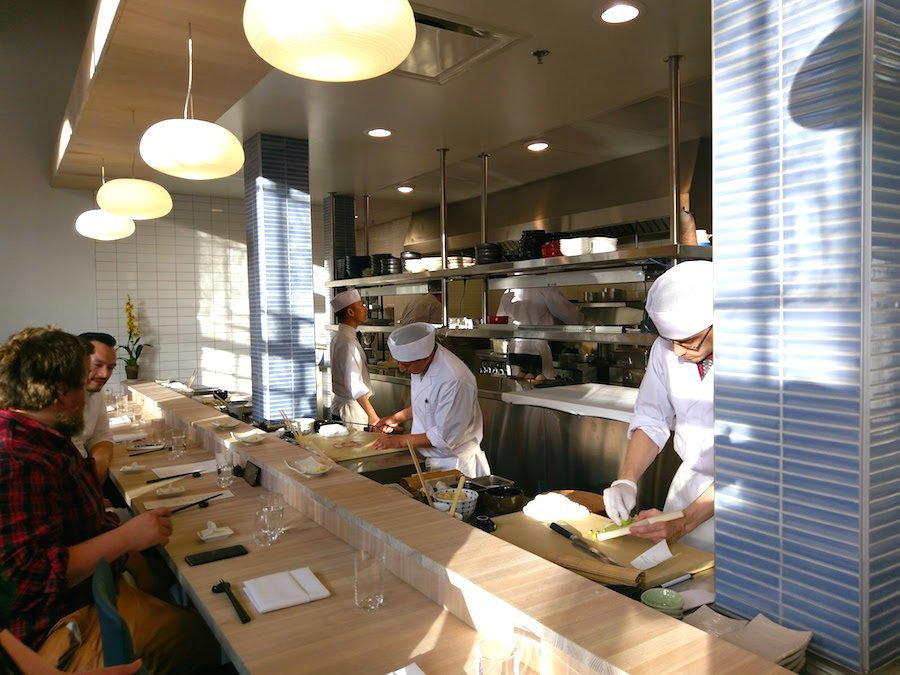
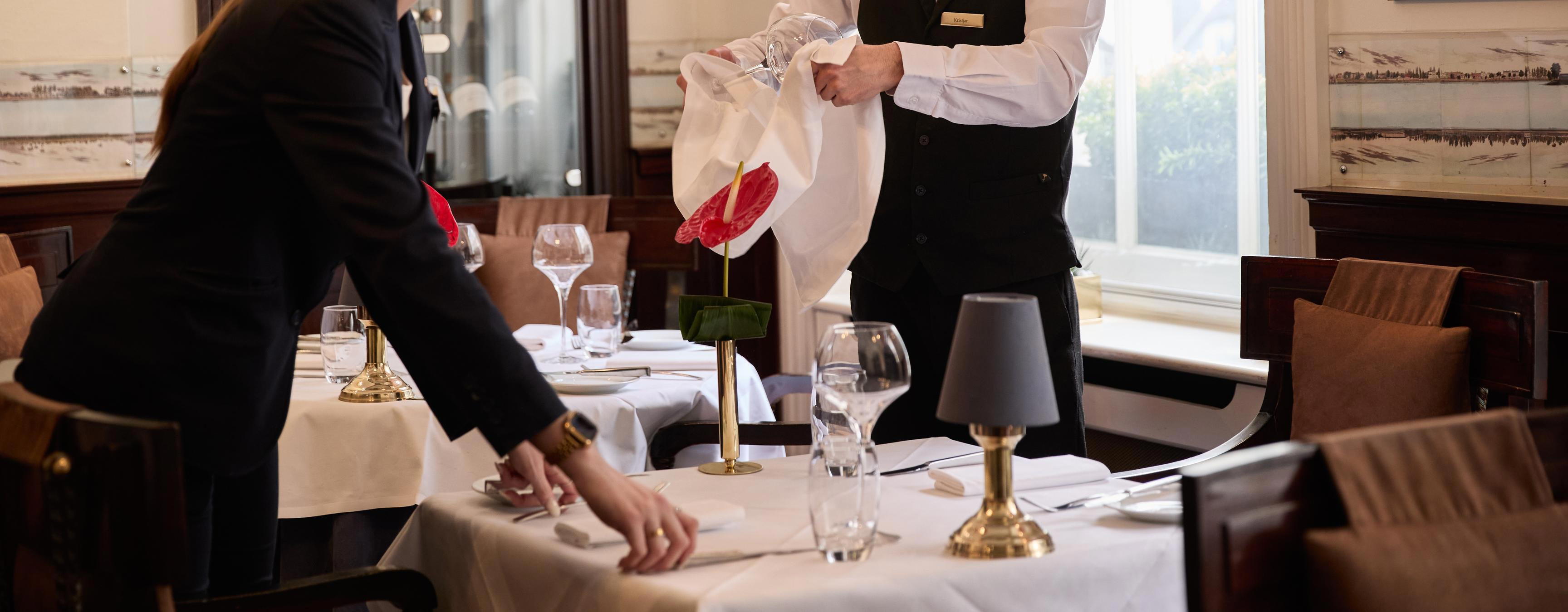
Warm, minimalist aesthetic with exposed brick, brass accents, and natural light; the hotel rooms feature light-colored bedding, pops of color through pillows and throws, and a sophisticated yet inviting atmosphere that feels like staying at a friend's home.