Google: 4.7 · 2,592 reviews
Bar La Grassa
Bar La Grassa occupies Washington Avenue North in Minneapolis's North Loop, where Italian-rooted technique meets the produce rhythms of the upper Midwest. The kitchen works in a register that sits between casual trattoria and serious pasta counter, drawing a crowd that returns for the cooking rather than the occasion. Reserve in advance, particularly on weekends.
 Discover on Pearl
Pearl is the En Primeur Club membership app — saves, bookings, and concierge access live there. Same editors, same standards.
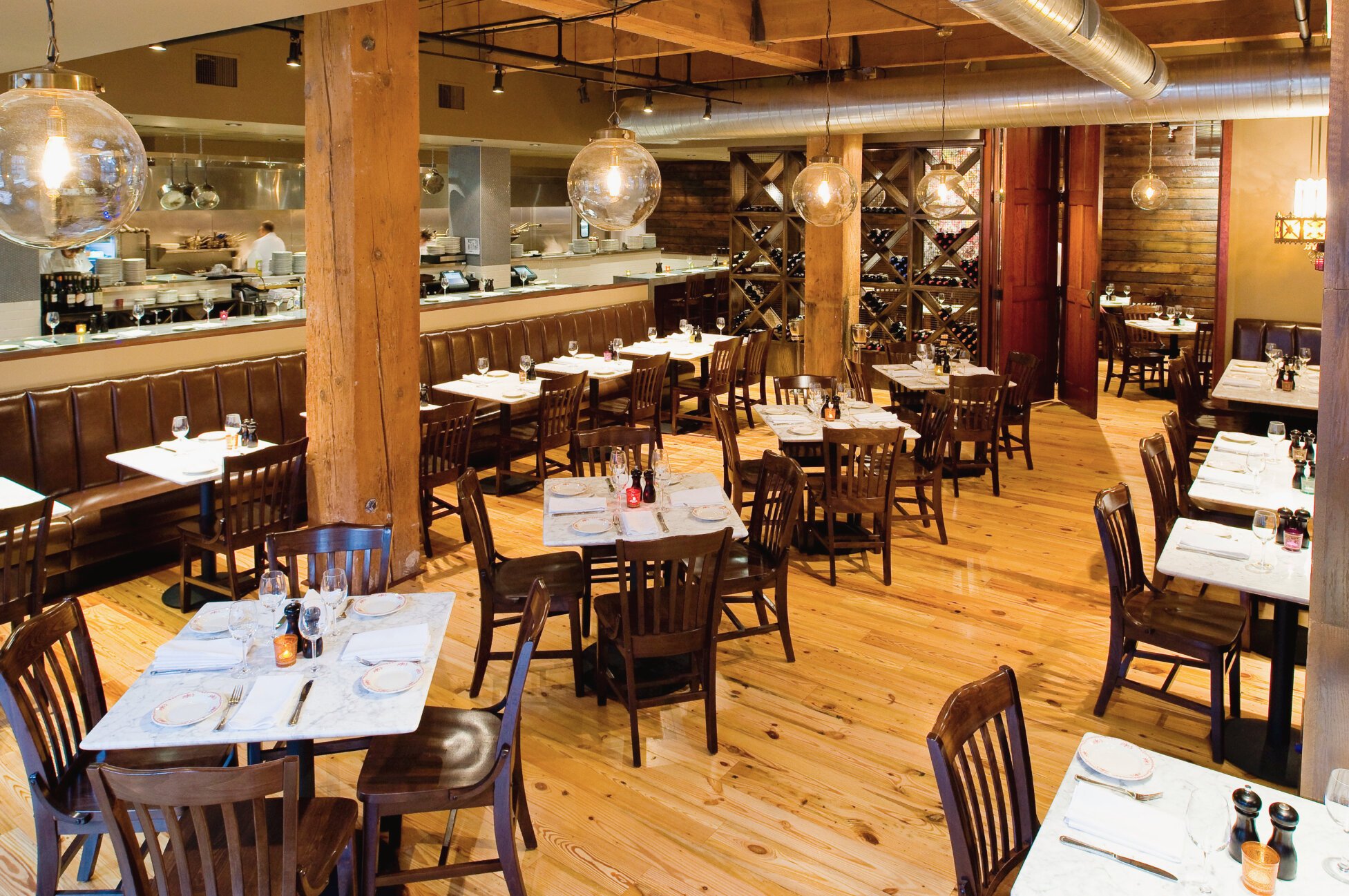
Where the North Loop Eats Italian
Washington Avenue North in Minneapolis's North Loop has spent the past decade consolidating its reputation as the city's most culinarily serious corridor. Converted warehouses carry the bones of an older industrial economy; the restaurants that have moved in carry something more current: kitchens that treat the Midwest's agricultural calendar as seriously as any coastal tasting-menu program. Bar La Grassa, at 800 N Washington Ave, sits inside that shift. It arrived when the neighborhood was still finding its register, and it has stayed relevant by doing what the leading mid-format restaurants do: cooking with enough technical ambition to reward close attention, and enough warmth to make that attention feel comfortable rather than pressured.
The dining category Bar La Grassa occupies is worth understanding as context. Italian-American restaurants in the upper Midwest have historically operated on one of two axes: the red-sauce family house, rooted in immigrant tradition and rarely asking much of its ingredients, or the chef-driven destination that imports the language of Emilia-Romagna or Rome wholesale and charges accordingly. The more interesting development in cities like Minneapolis over the past decade has been a third register, one that applies Italian structural logic — pasta as architecture, fat as flavor carrier, simplicity as discipline — to ingredients that are emphatically local. Bar La Grassa sits in that third register. The address is Minneapolis; the grammar is Italian.
Technique in a Midwestern Register
Italian culinary technique, at its most transferable, is a set of principles rather than a geography. The handmade pasta traditions of Bologna or the aglio e olio simplicity of Naples both depend on understanding how fat emulsifies, how heat transforms starch, and how a small number of ingredients can carry a dish when each one is doing real work. Applied to a Midwestern kitchen, those principles create something that isn't Italian in origin but is rigorously Italian in method. Seasonal produce from the upper Midwest, dairy from Wisconsin and Minnesota farms, pork from producers in the region, and freshwater fish from nearby lakes all enter a kitchen that knows what to do with them in Italian terms. This is the intersection that defines what Bar La Grassa does most coherently: imported methodology meeting indigenous product.
The North Loop's broader dining scene reinforces that framing. 112 Eatery, a few blocks away, has long applied a similar logic to a more eclectic menu. All Saints Restaurant works in a comparable neighborhood-anchor mode. What distinguishes Bar La Grassa within that company is the specificity of its Italian frame. The cuisine type isn't fusion in the contemporary sense; it's more like a disciplined application of one culinary tradition to the seasonal realities of another place.
Nationally, this approach has become a distinct category. Kumiko in Chicago does something structurally similar with Japanese technique and American ingredients. Jewel of the South in New Orleans applies classical European bar craft to Southern produce. Bar Leather Apron in Honolulu imports precision cocktail methodology into a Pacific ingredient context. The pattern is consistent: the most interesting mid-tier venues in American cities are currently the ones where a well-understood technique from elsewhere meets a place with serious local product. Bar La Grassa belongs to that conversation.
Seasonality as the Actual Menu
The upper Midwest's agricultural calendar is more compressed than coastal equivalents, and that compression creates a useful pressure. Summer in Minnesota arrives late and departs early, concentrating the leading local produce into a shorter window than, say, a California or mid-Atlantic kitchen would expect. Stone fruits, sweet corn, heirloom tomatoes, and summer squash arrive together in a concentrated burst. Winter pushes the kitchen toward root vegetables, cured proteins, and aged dairy. Spring, brief as it is, brings ramps, morels, and early greens that Italian technique handles particularly well, given the tradition of foraging and wild-herb cookery in northern Italian regions.
For a visitor planning around seasonality, late spring and early fall represent the two periods when the convergence of local product and Italian method is at its most direct. A visit in May or September is likely to encounter a menu in more active dialogue with what's happening in the region's fields and forests than one in February, when the kitchen relies more heavily on preserved, cured, and long-cooked preparations. Those winter preparations have their own logic and are not lesser; they are simply a different expression of the same methodology.
The Venue in Its Neighborhood
The North Loop is walkable and reasonably compact, which makes it useful for building an evening around more than one stop. Able Seedhouse + Brewery is in the neighborhood for pre-dinner drinking, with a production-brewery format that fits the industrial character of the area. 5-8 Club represents a different register entirely, a long-running Minneapolis institution for those who want contrast between courses. The neighborhood's density means that parking is easier approached from the surrounding streets than from Washington Avenue itself during peak evening hours, and rideshare drops are more practical than self-parking if the itinerary spans more than one venue.
For visitors building a wider Minneapolis itinerary, our full Minneapolis restaurants guide maps the city's dining scene across neighborhoods and price tiers, including venues in Uptown, Northeast, and downtown that complement what the North Loop offers. Bar La Grassa fits within a broader pattern that makes Minneapolis worth taking seriously as a food city: a combination of strong local produce, a population willing to spend on cooking rather than spectacle, and a generation of kitchens that arrived with genuine technical ambitions rather than novelty concepts.
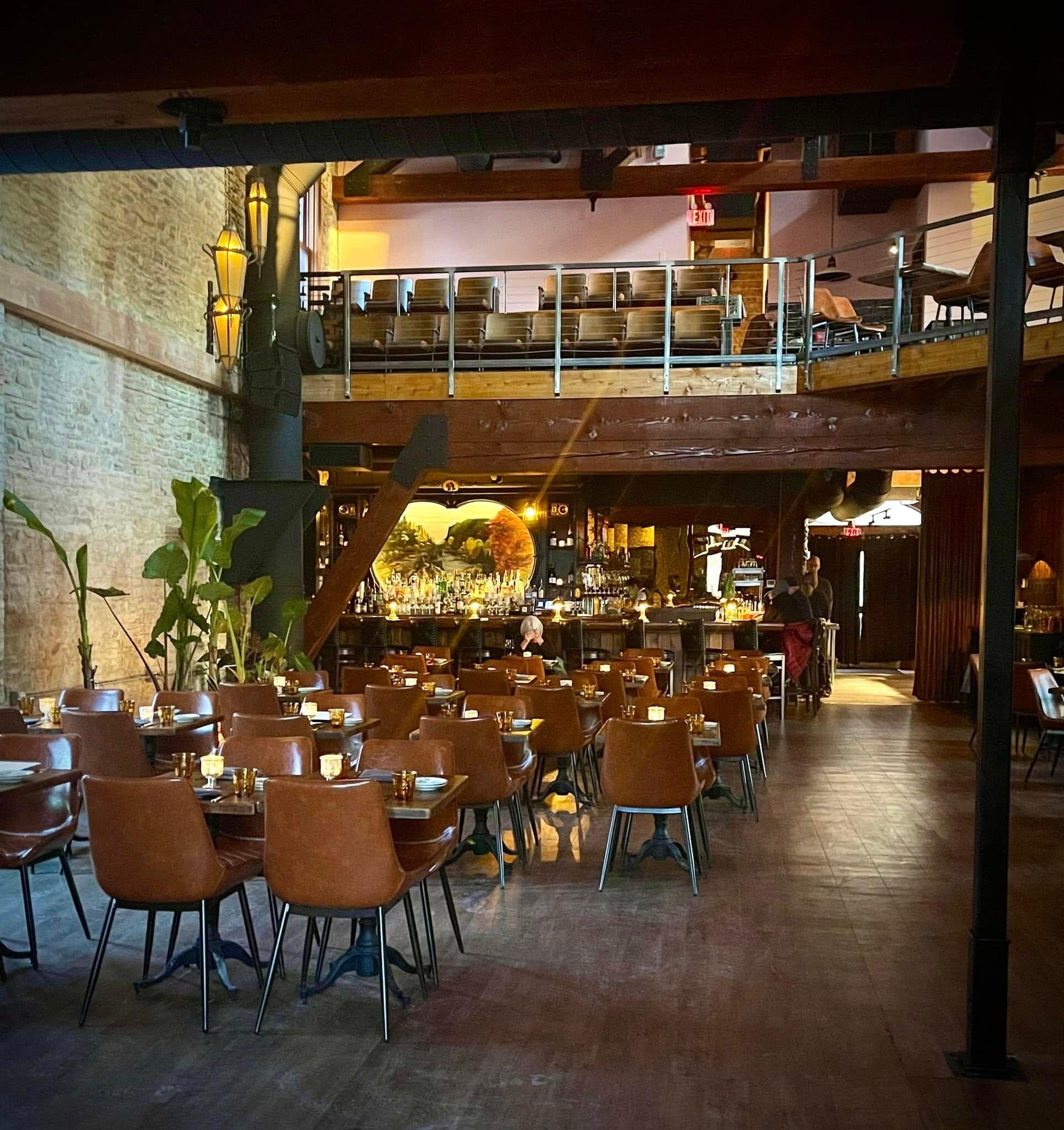
Reservations are advisable, particularly Thursday through Saturday. The format is table-service rather than counter, and the room, while not large, has the acoustic density of a busy neighborhood restaurant rather than the hushed formality of a tasting-menu space. Come expecting to hear the room around you.
How Bar La Grassa Fits the Wider Scene
American cities have produced a distinct tier of Italian-influenced restaurants over the past two decades that sit outside both the red-sauce tradition and the Michelin-chasing fine-dining bracket. These are restaurants that treat pasta as a serious technical subject, that buy ingredients with the same attention a produce-led tasting-menu kitchen would, and that price in a range that permits regular return visits rather than special-occasion tourism. Bar La Grassa operates in that tier. Venues in the same conversation nationally include Superbueno in New York City for its regional-meets-global methodology, Julep in Houston for its commitment to local product within a recognizable culinary tradition, and ABV in San Francisco for its technically disciplined approach to format. The Parlour in Frankfurt represents a European parallel, applying craft methodology with local-ingredient discipline in a mid-format room.
What the peer set suggests is that Bar La Grassa's position in Minneapolis is not an accident of geography. The North Loop, the city's agricultural supply chain, and a dining public that has grown more technically curious over the past decade have converged around a restaurant that knows what it is doing and why.
Planning Your Visit
Bar La Grassa is located at 800 N Washington Ave in Minneapolis's North Loop neighborhood. The area is accessible by light rail with a short walk from the Warehouse District/Hennepin Avenue station, and rideshare services are the most practical option for groups. Reservations should be made ahead, with weekend evenings booking out further in advance than midweek. Arrive having looked at what the season is currently producing in the upper Midwest; the menu will reflect it.
Local Peer Set
A quick peer reference to anchor this venue in its category.
| Venue | Cuisine | Price | Notes |
|---|---|---|---|
| Bar La Grassa | This venue | ||
| Meteor | |||
| Francis Burger Joint | |||
| Broders' Pasta Bar | |||
| First Avenue | |||
| Hen House Eatery |
Continue exploring
More in Minneapolis
Bars in Minneapolis
Browse all →
Restaurants in Minneapolis
Browse all →

At a Glance
- Lively
- Trendy
- Energetic
- Industrial
- Date Night
- Group Outing
- Celebration
- Design Destination
- Standalone
- Seated Bar
- Communal Tables
- Booth Seating
- Private Rooms
- Classic Cocktails
- Craft Cocktails
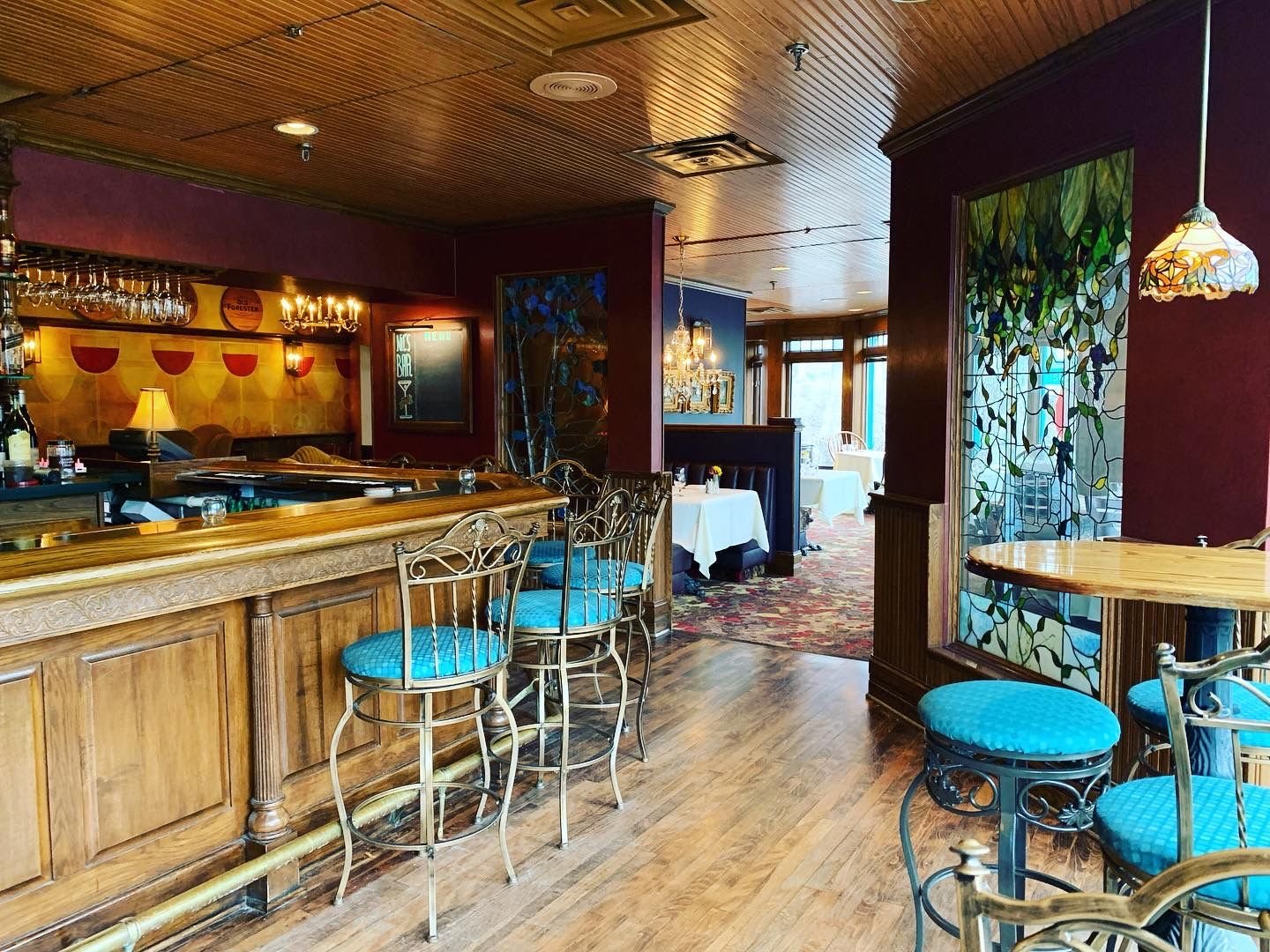
Dim warm lighting with a hip, energetic vibe featuring hard rock, rap, and pop music in a massive, packed room.