Hai Hai


Hai Hai on University Avenue NE brings Southeast Asian-inflected cooking to Minneapolis at mid-range prices, backed by Chef Christina Nguyen's 2024 James Beard Award for Best Chef: Midwest. The restaurant sits in Northeast Minneapolis's expanding dining corridor and delivers creative, flavor-forward plates that punch well above their price point in the context of the wider Twin Cities scene.
Pearl is the En Primeur Club membership app — saves, bookings, and concierge access live there. Same editors, same standards.
- Address
- 2121 University Ave NE, Minneapolis, MN 55418
- Phone
- (612) 223-8640
- Website
- haihaimpls.com
- Directions
- Get directions
 Saves & bookings on Pearl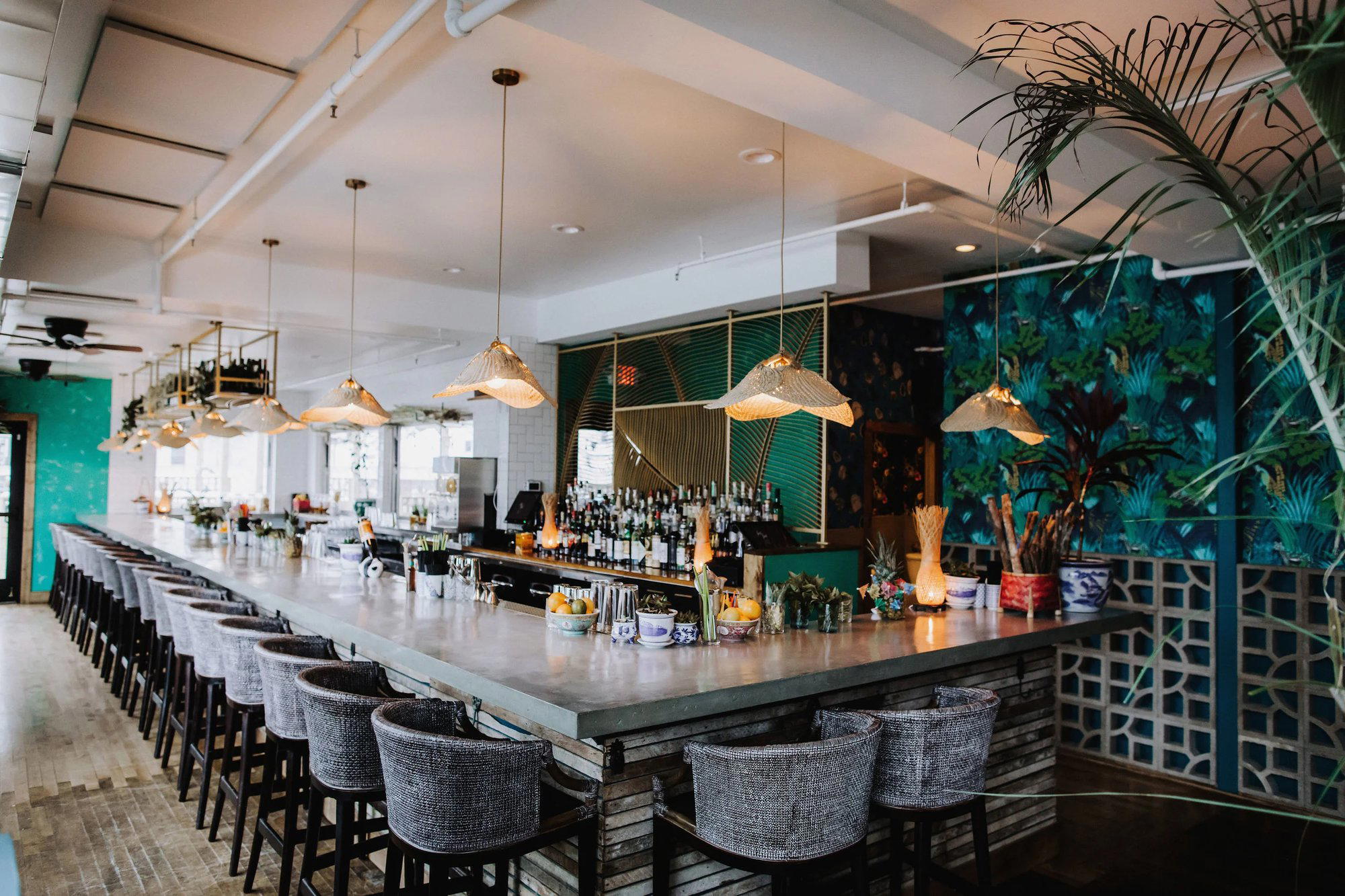
Northeast Minneapolis has spent the better part of a decade assembling a dining identity distinct from downtown's steakhouse corridor and the more formal rooms around Hennepin. University Avenue NE is part of that shift: a stretch that now houses serious cooking at prices that don't require a special-occasion budget. Hai Hai at 2121 University Ave NE sits squarely in that context, a Southeast Asian street food restaurant with a James Beard Award and a mid-range price point.
What a James Beard Award Means at This Price Point
When the James Beard Foundation named Chef Christina Nguyen its 2024 Best Chef: Midwest, the award landed differently than it does for a tasting-menu room charging three figures a head. The Beard award in this category measures cooking quality against the full Midwest comparable set, not against a price tier. Winning it while operating at a mid-range price point places Hai Hai in a rare bracket: the kind of restaurant where the gap between what you pay and what's on the plate is wide enough to be genuinely interesting.
The Midwest category is competitive in ways that don't always get full national attention. Chicago alone contributes a significant pool of nominees each year. That Nguyen's work at Hai Hai cleared that field in 2024 says something specific about the seriousness of the kitchen's output, independent of the restaurant's approachable positioning.
The Room and the Approach
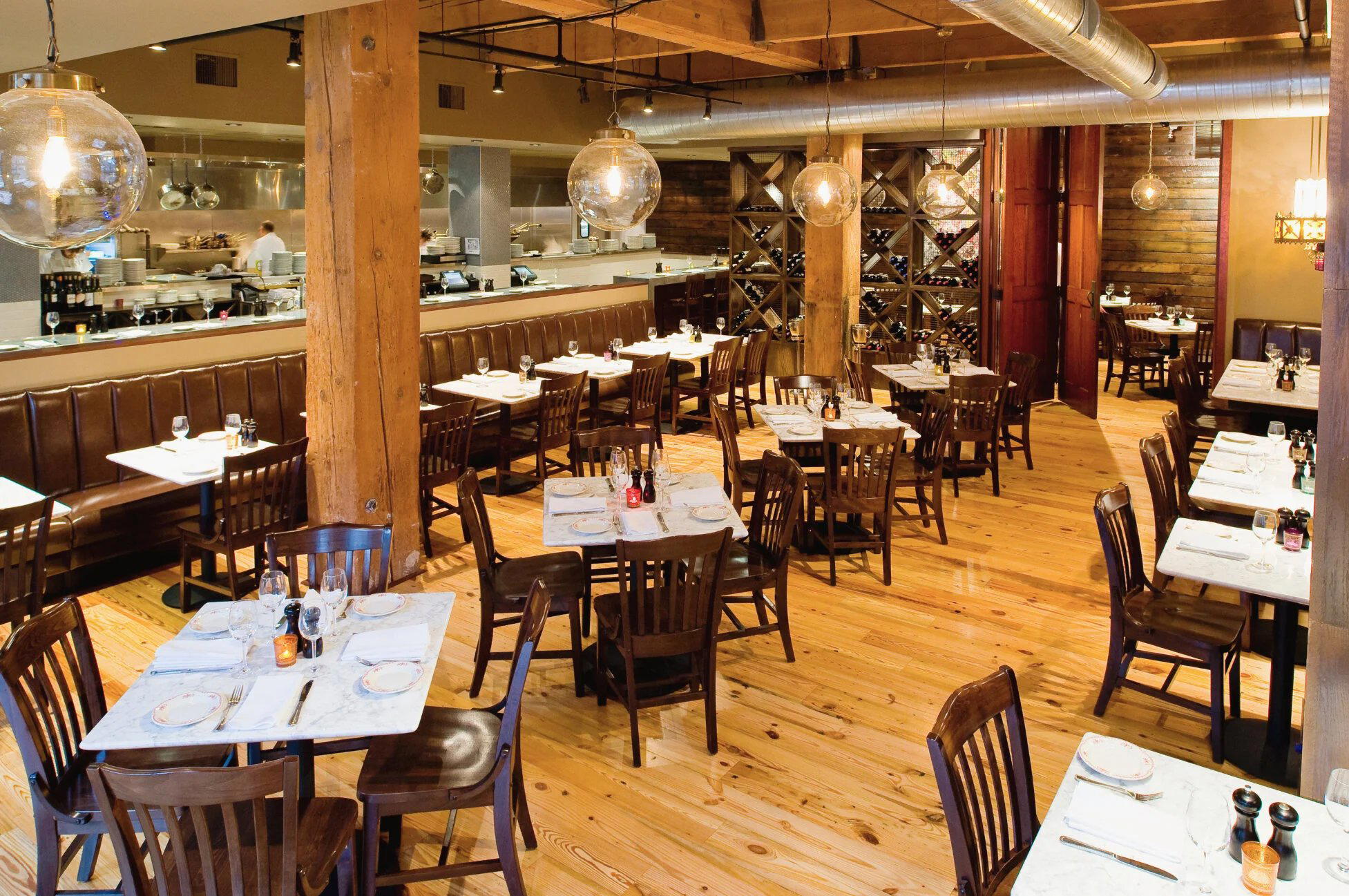
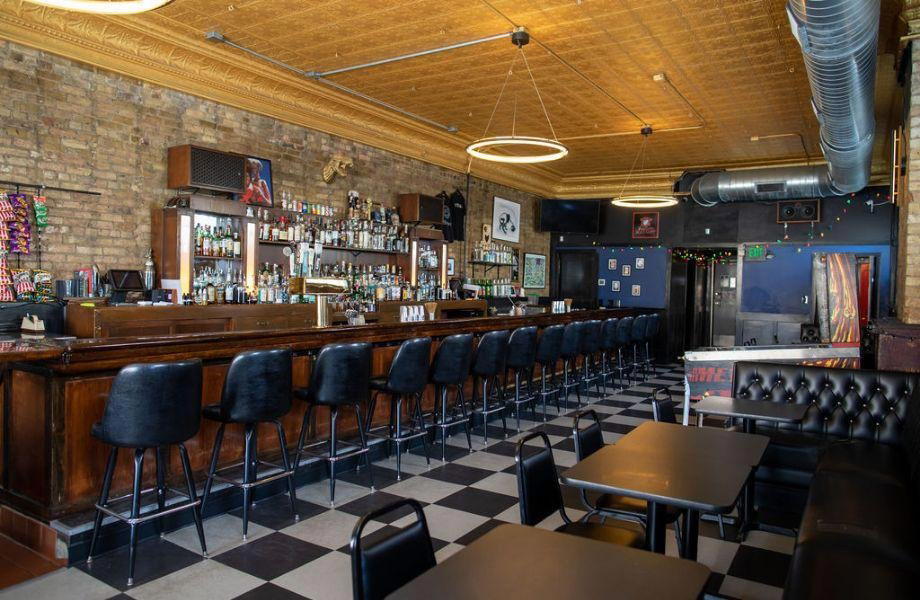
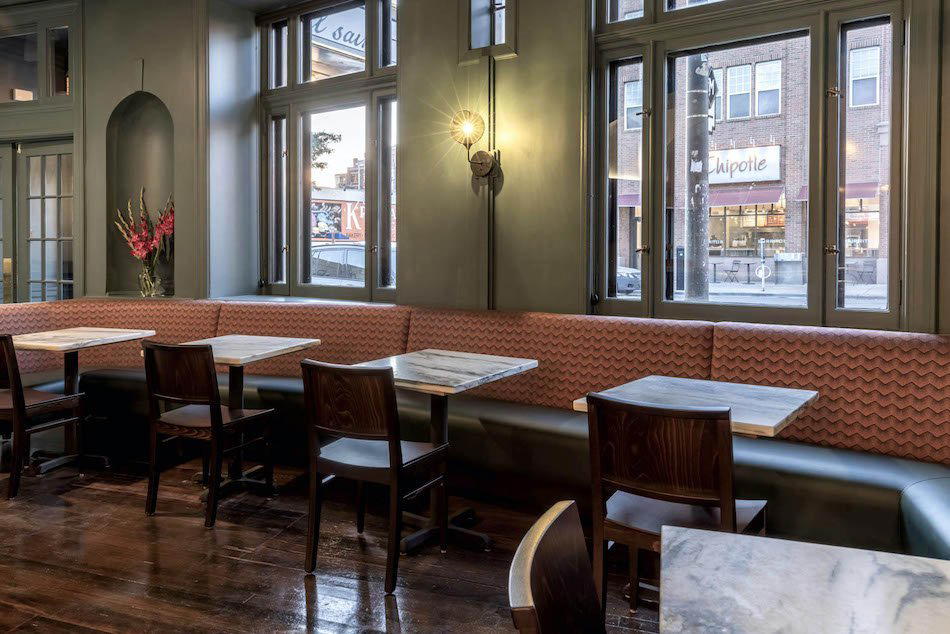
Walking into the restaurant, the environment signals what the kitchen is doing: casual enough to feel relaxed, considered enough to feel intentional. Northeast Minneapolis industrial-residential architecture tends toward exposed materials and generous windows, and the restaurant fits that grain. The energy inside runs lively rather than hushed, which aligns with the food's register: dishes built around bold, layered Southeast Asian flavors rather than the kind of restrained minimalism that demands cathedral silence.
Southeast Asian cooking covers a wide range of regional traditions, from Vietnamese to Thai to Filipino, and American restaurants in this genre vary enormously in how closely they track those traditions versus how freely they adapt them. The restaurant operates at the creative end of that spectrum. The kitchen uses Southeast Asian flavor logic, the interplay of heat, acid, sweetness, and fermented depth, as a foundation and builds from there. That approach has generated consistent critical enthusiasm and the kind of word-of-mouth that keeps a neighborhood restaurant in the conversation long after its opening moment has passed.
Where It Sits in the Minneapolis Dining Scene
Minneapolis has a more layered restaurant scene than its national profile sometimes suggests. Spoon and Stable and Owamni operate at the formal end of the market. 112 Eatery built its reputation on late-night accessibility and Italian-leaning comfort cooking. Brasa Rotisserie made a case for American Creole at a neighborhood price. Bucheron covers the French-American register. The restaurant occupies a different lane: Southeast Asian creative cooking at a price point that sits below the formal rooms but above the fast-casual strip, with awards credentials that now put it in the same national conversation as rooms charging significantly more.
That positioning is worth understanding before you visit. This isn't a restaurant that trades on rarity or exclusivity of format. It trades on cooking quality and flavor intensity at an accessible price, which is a harder thing to sustain than a high-ticket tasting menu because the margin for error is smaller and the volume requirements are higher. The fact that the kitchen has maintained the level that earns a Beard award under those conditions is the actual story.
Planning Your Visit
The restaurant is located at 2121 University Ave NE, accessible from downtown Minneapolis via a short drive northeast. University Avenue has good surface parking in the area, and the corridor is walkable once you're in the neighborhood. Reservations are recommended.
The mid-range pricing means a full dinner with drinks lands comfortably below what a comparable evening would cost at the formal Beard-recognized rooms in the market. That arithmetic is part of the point: the restaurant is one of the clearer cases in the Twin Cities where award credentials and accessible pricing coexist in the same room.
The restaurant belongs in that awards conversation while operating in a different economic register entirely.
- Hanoi Sticky Rice
- Vietnamese Crepe
- Pork Ribs
- Water Fern Cakes
- Beef Rendang
- Passion Fruit Posset
Comparable Options
Comparable venues nearby, for context on price, style, and recognition.
| Venue | Cuisine | Price | Notes |
|---|---|---|---|
| Hai HaiThis venue — the venue you are viewing | Southeast Asian Street Food | $$ | Not listed |
| Punch Neapolitan Pizza | Authentic Neapolitan Pizza | $$ | Nicollet Island - East Bank |
| Secret Headquarters at Betty Danger's Country Club | Quirky American Country Club Fare | $$ | Northeast Minneapolis Arts District |
| Brasa Premium Rotisserie- Northeast Minneapolis | American Creole Rotisserie | $$ | Marcy-Holmes |
| Blue Door Pub Longfellow | American Gastropub - Blucy Burgers | $$ | Howe |
| 112 Eatery | Modern Global Fusion Bistro | $$$ | WeDo |
Recognition history
Dated appearances from independent guides and award organizations, with the underlying list record or original source where available.
Diners, Drive-Ins and Dives Featured Restaurant
Diners, Drive-Ins and Dives · 2026 Diners, Drive-Ins and Dives Featured Restaurants
James Beard Award Best Chef: Midwest
James Beard Award
Continue exploring
More in Minneapolis
Restaurants in Minneapolis
Browse all →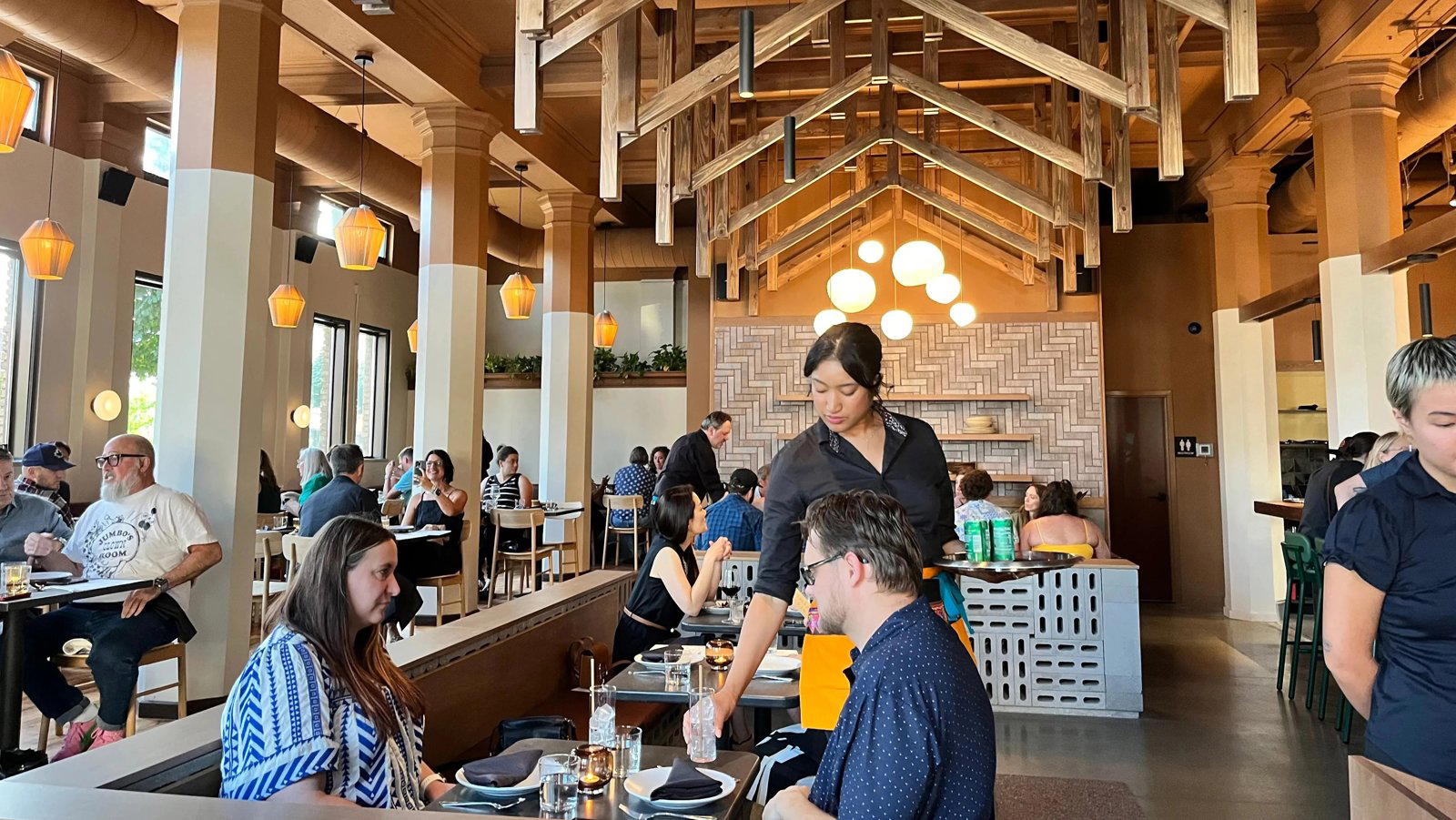
Bars in Minneapolis
Browse all →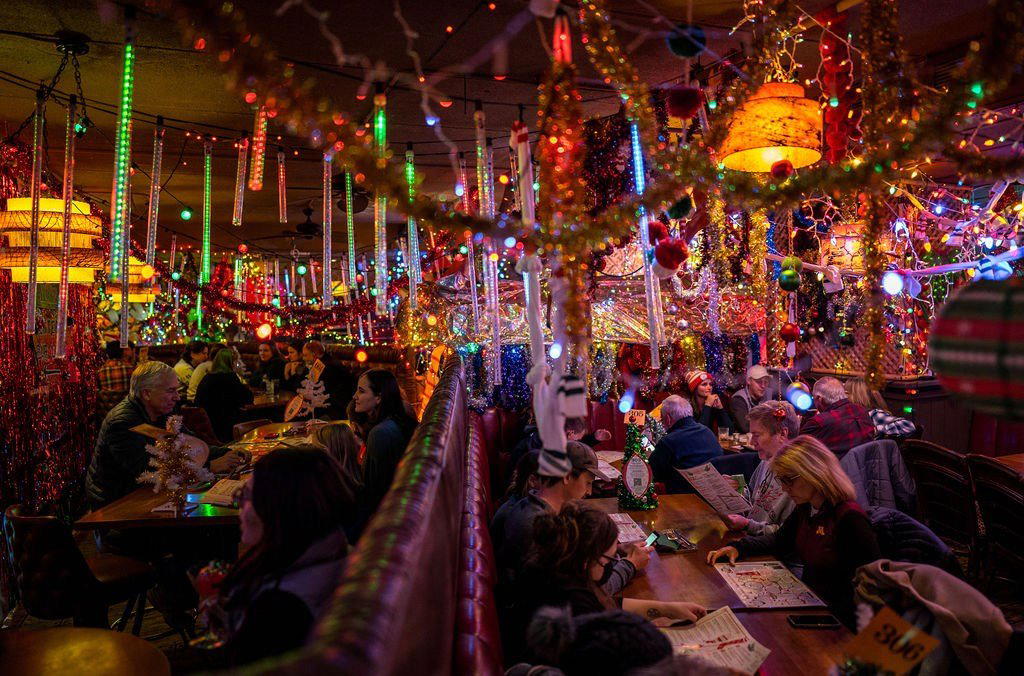

At a Glance
- Lively
- Energetic
- Trendy
- Group Dining
- Casual Hangout
- Date Night
- After Work
- Open Kitchen
- Terrace
- Standalone
- Craft Cocktails
Current opening hours
- Monday
- Closed
- Tuesday
- 4–9 PM
- Wednesday
- 4–9 PM
- Thursday
- 4–10 PM
- Friday
- 4–10 PM
- Saturday
- 4–10 PM
- Sunday
- 4–9 PM
Hours can change for holidays and private events. Last verified .
Dark, loud, high-energy venue with casual decor; festive and lively with tropical ambiance in outdoor patio area during warm weather.