Marrakesh
Marrakesh at 2334 2nd Ave has been part of Seattle's Belltown dining corridor long enough to track the neighbourhood's shifts from working-class grunge adjacency to high-rise density. The restaurant draws on North African cooking traditions at a moment when Seattle diners are more willing than ever to move beyond Pacific Rim defaults. Whether the kitchen has kept pace with that appetite is the more interesting question.
Pearl is the En Primeur Club membership app — saves, bookings, and concierge access live there. Same editors, same standards.
- Address
- 2334 2nd Ave, Seattle, WA 98121
- Phone
- +12069560500
- Website
- marrakeshseattle.com
- Directions
- Get directions
 Saves & bookings on Pearl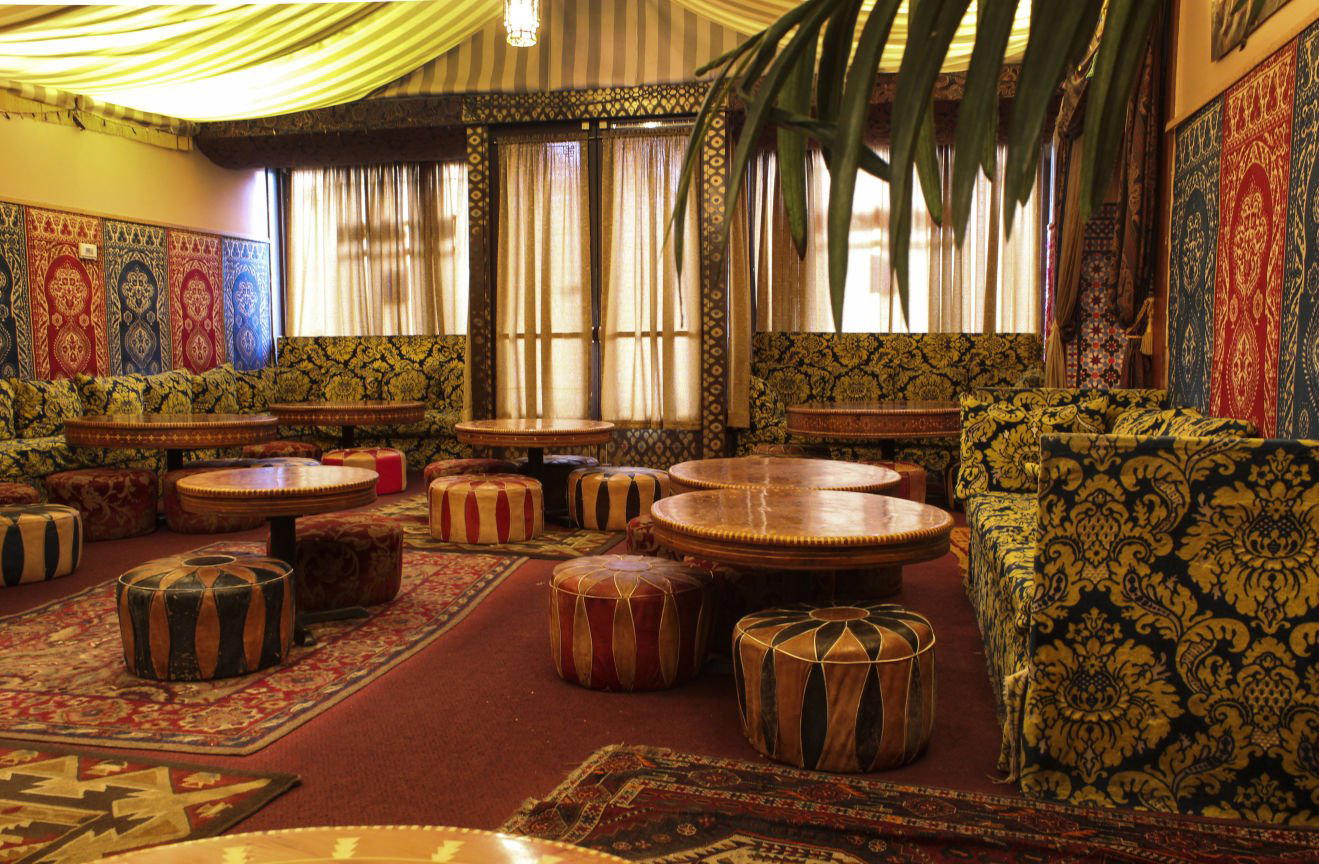
Belltown's Long Arc and Where Moroccan Cooking Fits In
Belltown has cycled through more dining identities than most Seattle neighbourhoods. In the 1990s it was the city's most concentrated strip of independent restaurants, fuelled by cheap rents and proximity to the Pike Place Market supply chain. By the 2010s, condo towers had replaced much of that grit, and the tenant mix shifted toward higher-volume operations and cocktail bars. The restaurant at 2334 2nd Ave sits inside that history, on a block that has seen several concept changes across different operators over the decades. Moroccan and broader North African cooking has remained a persistent presence on that site, unusual durability in a neighbourhood where leases turn over quickly.
That staying power matters as context. Seattle's most-discussed restaurants in recent years, Canlis (New American) for its generational reinvention, Joule (New Asian) for its Korean-inflected technique, have generally operated in the New American or Pacific Rim orbits that the city defaults to. North African food occupies a smaller lane, which means fewer direct competitors locally but also less critical infrastructure: fewer informed reviewers, fewer diners with a reference point for what the food should taste like. that combination of longevity and relative isolation makes Marrakesh worth examining on its own terms.
The Evolution Question: What Staying Power Actually Means
Longevity in the restaurant industry is not inherently a virtue. Some venues persist because they have genuinely adapted, updated sourcing, tightened the format, responded to how the dining public's expectations have changed. Others persist because they have found a sufficiently loyal and undemanding audience and have had no reason to change anything. The interesting editorial question for Marrakesh is which of those dynamics is at work.
North African restaurants in American cities went through a particular commercial moment in the late 1980s and 1990s, when the theatrical elements of the format, communal seating, hand-eating, mint tea service, belly dance performance, were the primary draw for diners encountering the cuisine for the first time. That format worked because novelty was enough. By the 2010s, the novelty premium had compressed. Diners who had eaten in Fez, Marrakesh, or Casablanca, or who had encountered more technically precise Moroccan cooking in London or Paris, brought a different set of expectations. Restaurants that had built their business on the spectacle rather than the substance faced a harder conversation.
The venues that navigated that shift most successfully tended to do so by doubling down on the cooking rather than the atmosphere, tightening their spice sourcing, making their own smen and preserved lemons in-house, treating the bastilla and the tagine as dishes worth obsessing over rather than backdrop to the room's theatrical energy. How Marrakesh in Seattle has positioned itself along that spectrum is the central question any serious visitor should bring to the table.
Seattle's Broader Appetite for Non-Pacific Rim Cooking
The city's dining conversation has gradually widened. For most of Seattle's restaurant history, the dominant culinary reference points were Japanese technique, Pacific Northwest ingredients, and, increasingly, Korean and Vietnamese cooking, a geography-driven set of influences reflecting both the city's Asian-American population and its proximity to the Pacific. That's visible in venues like 1415 1st Ave and 1744 NW Market St, which operate within those traditions.
City's appetite for cooking from the Middle East, North Africa, and the broader Mediterranean has grown more recently, partly driven by demographic change in the greater metro area and partly by a generation of Seattle diners who have eaten widely enough internationally to want those reference points replicated locally. That demand exists, and it is not yet fully served. A restaurant operating in Moroccan cooking at a moment of rising demand and limited supply has a structural advantage, provided it is actually executing the food well enough to hold those new diners once they arrive.
For comparison, the pressure that this kind of cuisine faces in more competitive markets is instructive. In New York, venues like Atomix demonstrate what happens when non-European cuisines are held to the same technical and critical standards as any fine dining operation. In San Francisco, Lazy Bear has shown how format innovation can redefine what a dining experience is expected to deliver. The baseline expectation for serious cooking has risen across American cities, and that has consequences for how any restaurant running on a legacy format needs to think about its future.
The Wider Frame: Moroccan Cooking and What It Demands
Moroccan cuisine at its most accomplished is one of the more technically demanding of the world's major culinary traditions, a cooking culture built on spice blending of considerable precision, long-cooked braises that require both time and knowledge, pastry work in the bastilla that can go wrong in a dozen ways, and a bread tradition that anchors every meal. The American version of that cuisine has historically been simplified, partly for accessibility and partly because the ingredient supply chains in many American cities made authentic sourcing difficult.
That supply constraint has eased considerably. Ras el hanout blends, quality preserved lemons, argan oil, and dried roses are now accessible to American restaurants in ways they were not twenty years ago. The question is whether the kitchen is using that access, or whether the menu is still calibrated to the expectations of diners who have never eaten in North Africa and therefore cannot tell the difference. Restaurants at the higher end of American dining, The French Laundry in Napa, Le Bernardin in New York City, Providence in Los Angeles, have demonstrated that sourcing discipline is visible in the finished plate. The same discipline, applied to North African ingredients, should produce food that is noticeably different from venues still operating on 1990s supply assumptions.
Planning Your Visit
Marrakesh is located at 2334 2nd Ave in Belltown, walkable from the downtown core and from the Pike Place Market area. The neighbourhood is dense enough that street parking is unreliable on weekend evenings; the 2nd Avenue corridor is served by several bus routes, and the First Hill Streetcar is within reasonable walking distance for visitors coming from Capitol Hill. Marrakesh is open Monday through Sunday from 5 to 10 PM, and reservations are recommended. Reservations are recommended.
For broader Seattle context, other venues worth considering in the city's independent dining scene include 2963 4th Ave S. For readers planning wider West Coast travel, the comparison set of serious American restaurants includes Addison in San Diego, Single Thread Farm in Healdsburg, and Blue Hill at Stone Barns in Tarrytown for those benchmarking American dining more broadly. For destination planning beyond the West Coast, Emeril's in New Orleans, Alinea in Chicago, The Inn at Little Washington in Washington, and 8 1/2 Otto e Mezzo Bombana in Hong Kong represent the range of what serious dining looks like at this level internationally.
Style and Standing
Comparable venues nearby, for context on price, style, and recognition.
| Venue | Cuisine | Price | Notes |
|---|---|---|---|
| MarrakeshThis venue — the venue you are viewing | Traditional Moroccan | $$$ | Not listed |
| Off Alley | Seasonal Pacific Northwest Nose-to-Tail | $$$ | Columbia City |
| Elliott's Oyster House | Classic Pacific Northwest Seafood & Oyster House | $$$ | Seattle Waterfront |
| Momiji | Japanese Sushi and Omakase | $$$ | Broadway |
| Vendemmia | Italian Farm-to-Table Pasta | $$$ | Madrona |
| Maximilien Restaurant | Classic French Bistro | $$$ | Seattle Waterfront |
Continue exploring
More in Seattle
Restaurants in Seattle
Browse all →
Bars in Seattle
Browse all →
Hotels in Seattle
Browse all →

At a Glance
- Cozy
- Romantic
- Elegant
- Date Night
- Group Dining
- Celebration
- Live Music
Current opening hours
- Monday
- 5–10 PM
- Tuesday
- 5–10 PM
- Wednesday
- 5–10 PM
- Thursday
- 5–10 PM
- Friday
- 5–10 PM
- Saturday
- 5–10 PM
- Sunday
- 5–10 PM
Hours can change for holidays and private events. Last verified .
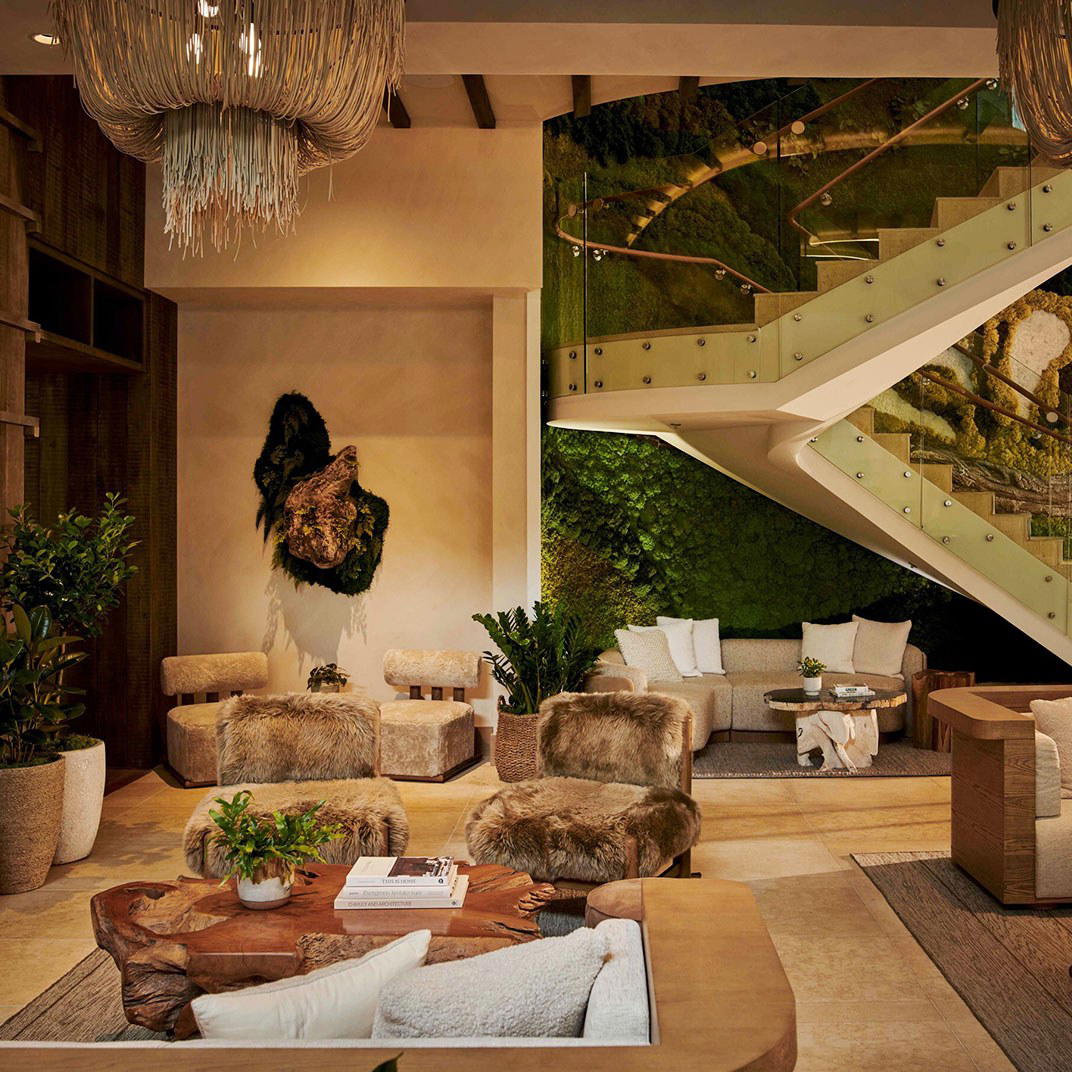
Richly textured with Moroccan rugs, ornate silver urns, tapestries, and cozy decor creating an exotic, intimate oasis.